







Commanders’ way-too-early 2027 NFL Draft according to PFF mock draft simulator
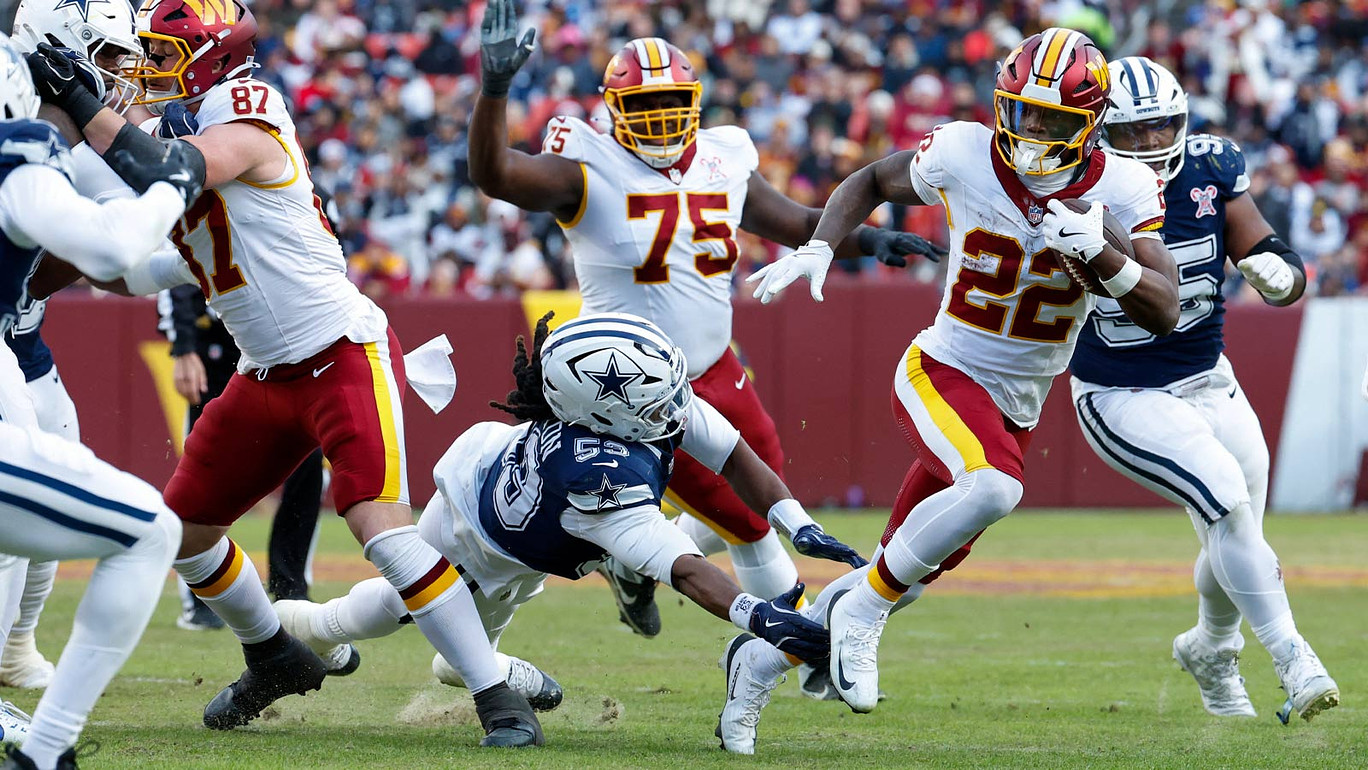
The Washington Commanders are once again drawn into the Brandon Aiyuk drama, with the 49ers wide receiver continuing to joke about being part of their roster, even though he is not. Meanwhile, Washington’s coaching staff is under pressure, with young offensive coordinator David Blough facing scrutiny and defensive coordinator Daronte Jones equipped with enough personnel to make an impact.
This makes the 2027 PFF mock draft simulator an important opportunity for shaping the roster, rather than merely a future exercise.
Round 1, Pick 11: Ryan Coleman-Williams, WR, Alabama
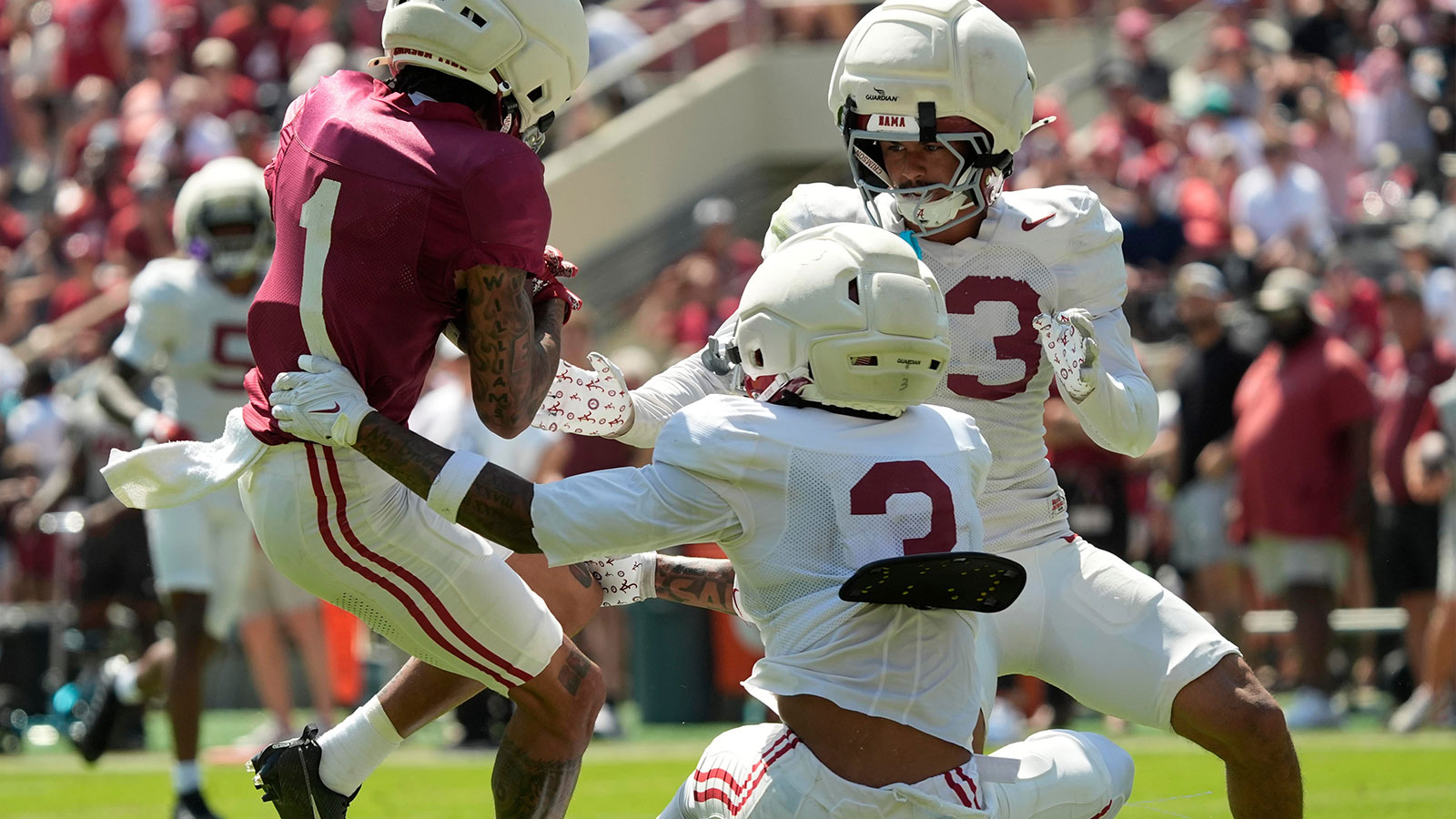
Selecting Ryan Coleman-Williams at No. 11 would dramatically change the conversation surrounding the offense for the Commanders. Better known as Ryan Williams, he has proven to be one of the most electrifying young receivers in college football.
His acceleration, body control, and ability to create explosive plays have made him a national standout at Alabama. While he may not be a large receiver, he plays with exceptional confidence, quickness, and vertical explosiveness.
Washington needs a difference-maker like Coleman-Williams. They can discuss offensive structure all they want, but a young coordinator needs players who can make up for imperfect play calls. Coleman-Williams excels downfield, creates after the catch, and forces defenses to account for him on every snap.
There may be concerns about his size and consistency when facing contact, which is reasonable. However, players with this level of speed and productivity rarely last long in the draft. For Washington, this pick would represent a bold choice highlighting speed, star potential, and an offensive identity.
Round 2, Pick 43: Bray Hubbard, S, Alabama
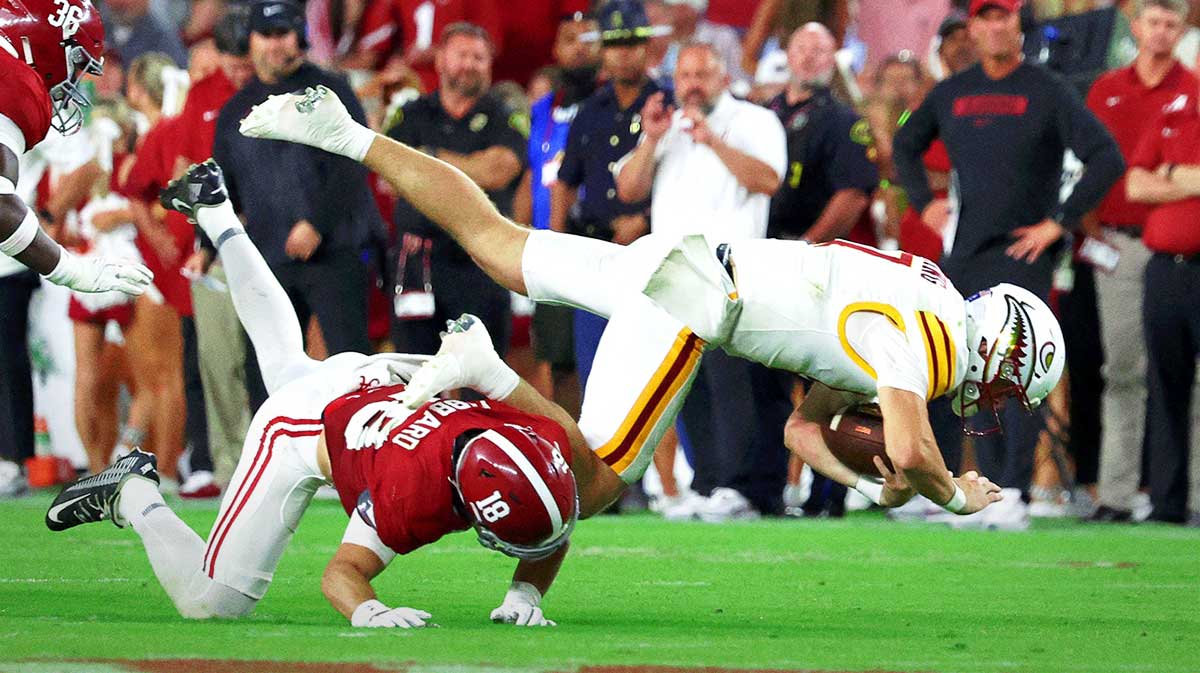
Bray Hubbard would add another valuable piece to a defense that aims to become more versatile under Jones. His background is intriguing; he was a high school quarterback before transitioning to defensive back at Alabama. This experience is evident in his ability to read the field, as he is not just a run-and-hit safety because he possesses awareness, ball skills, and the versatility to excel in various roles.
The Commanders have already invested in defensive talent, but modern defenses require multiple layers. Hubbard can play deep, rotate down, assist against tight ends, and contribute on special teams. His physicality suggests he could develop into more than just a coverage safety.
This pick aligns with Washington’s broader roster strategy because they want a defense capable of adapting without constant substitutions. Hubbard offers Jones another flexible defensive back, which is crucial in a division filled with diverse offensive schemes.
Round 3, Pick 73: Bear Alexander, DI, Oregon
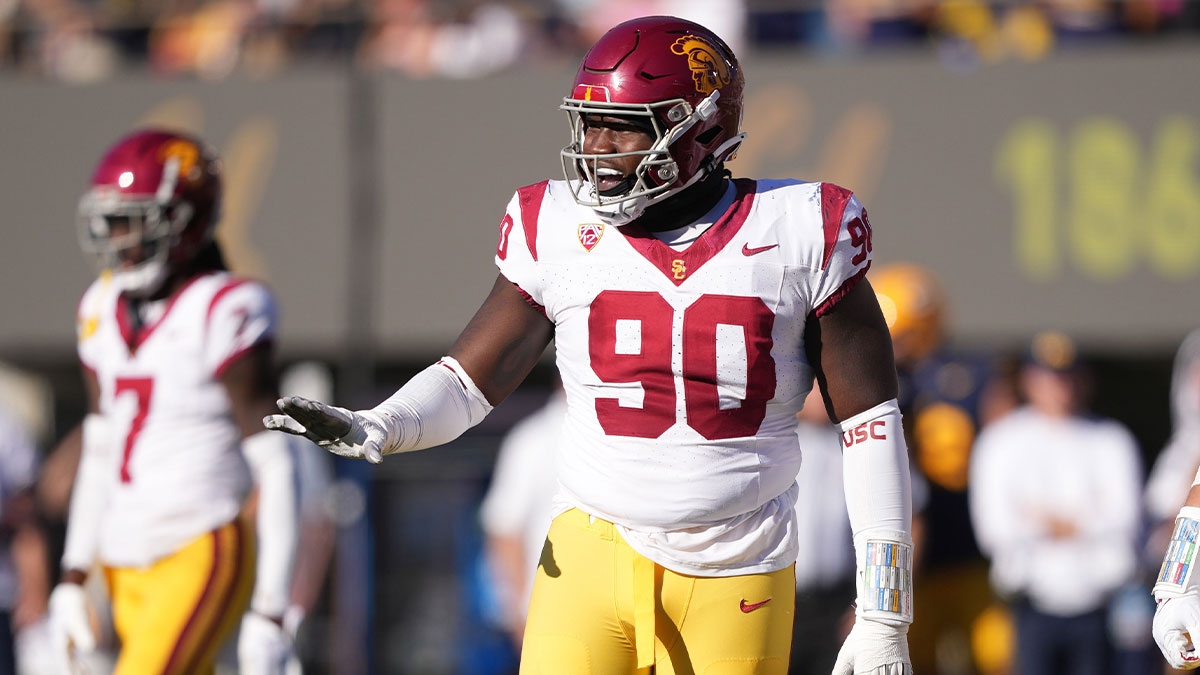
Bear Alexander is one of the most intriguing players in this simulation, as his talent has always been apparent. After playing at Georgia, USC, and Oregon, he has built a reputation as a powerful interior defender with the athletic ability to disrupt plays from multiple alignments. When he is at his best, he is hard to move in the run game and can collapse pockets from the inside.
This is precisely why Washington should consider him, and while they have bolstered their edge talent, interior disruption is one of the quickest ways to dismantle an offense. Alexander brings size, strength, and a notable pedigree.
He is not an easy evaluation, as his college career has included transfers, role changes, and periods when his production did not reflect his potential.
Selecting him in Round 3 represents a reasonable risk. Washington would not be drafting a finished product, but they would be banking on a talented defensive tackle who can settle into a defined role and become a consistent threat.
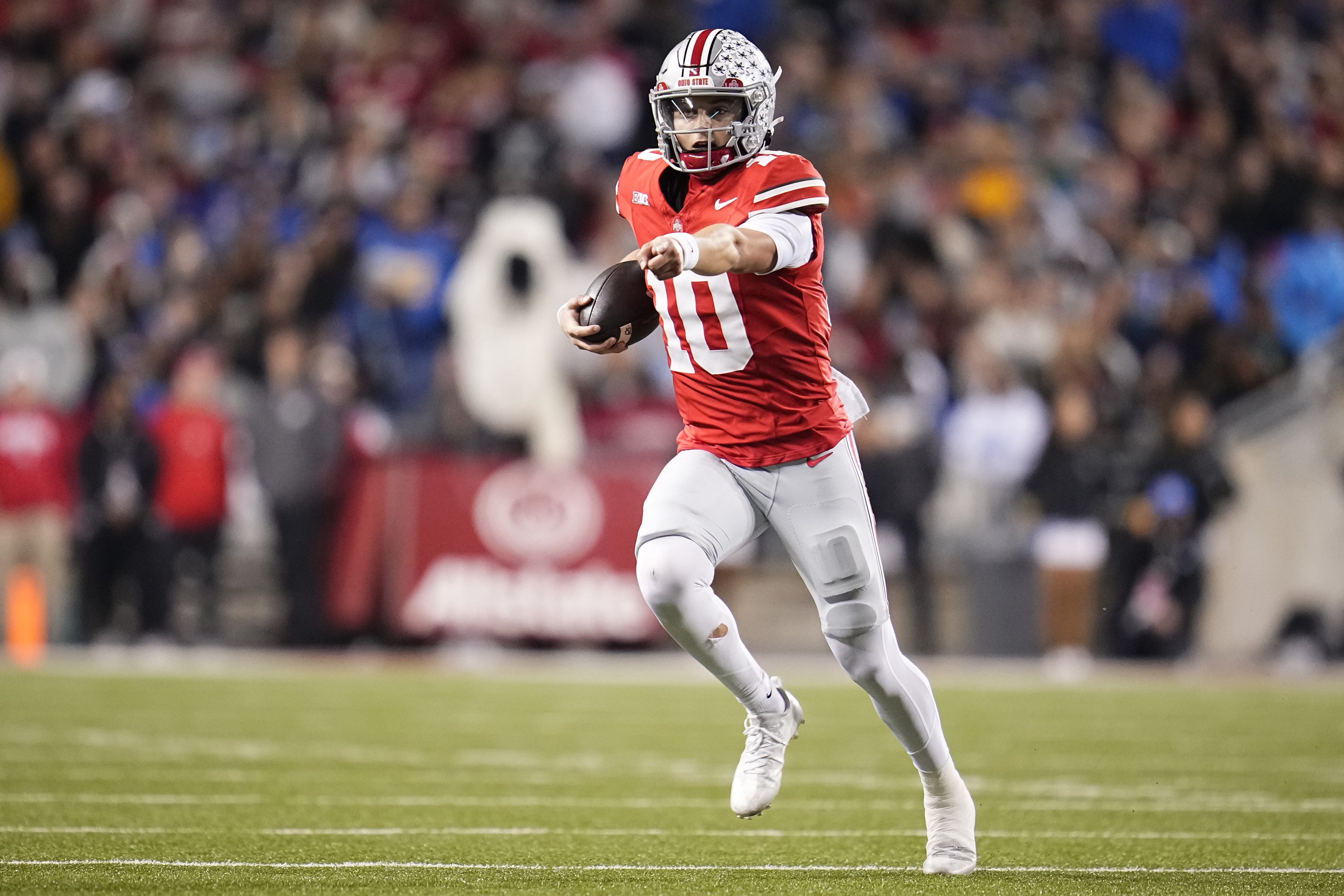
Round 4, Pick 109: Luke Montgomery, G, Ohio State
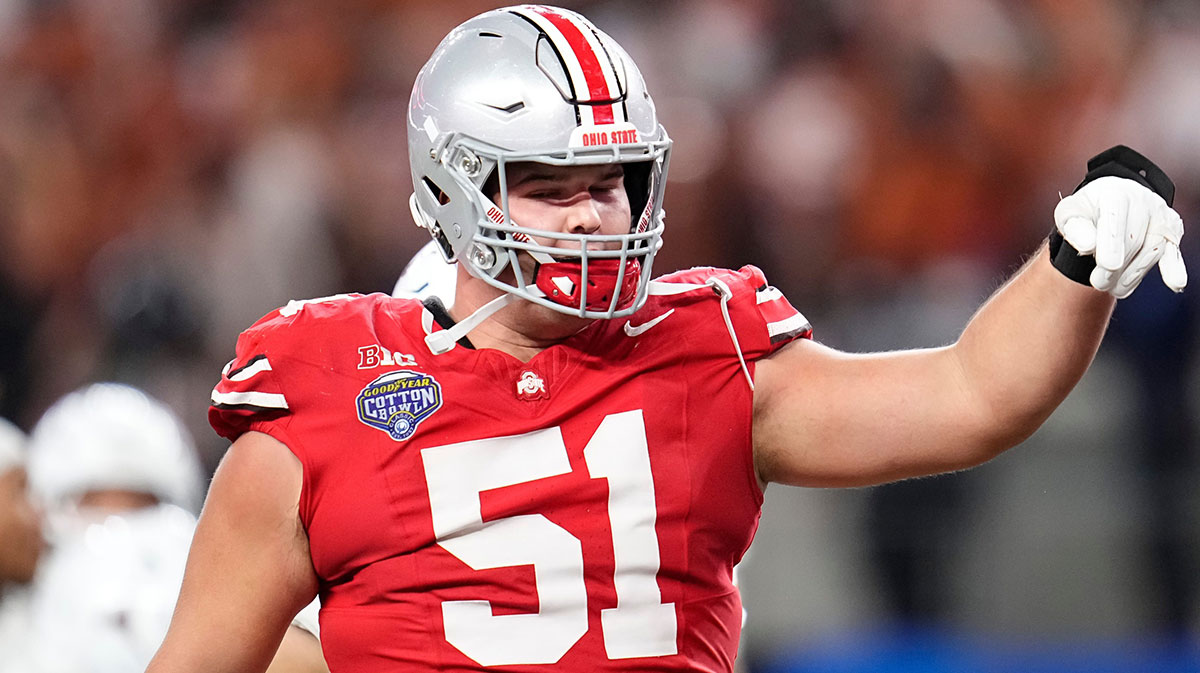
Luke Montgomery is the kind of fourth-round offensive lineman that makes perfect sense for the Commanders. He has started at guard for Ohio State, gained valuable experience in high-pressure games, and has enough size to project as a solid NFL interior blocker. While he may not be a perfect prospect, his experience in a challenging college environment is crucial for a team looking to stabilize its offense.
Washington needs more physicality on the offensive line and cost-effective depth. Montgomery can compete for a guard position, provide injury insurance, and potentially develop into a starter if his pass protection improves.
Though this is not a flashy pick, it is the type of selection that can help an offense maintain its integrity during challenging months. For a team with uncertainties surrounding its coordinator and offensive cohesion, that kind of stability is invaluable.
Round 5, Pick 149: Josh Hoover, QB, North Carolina
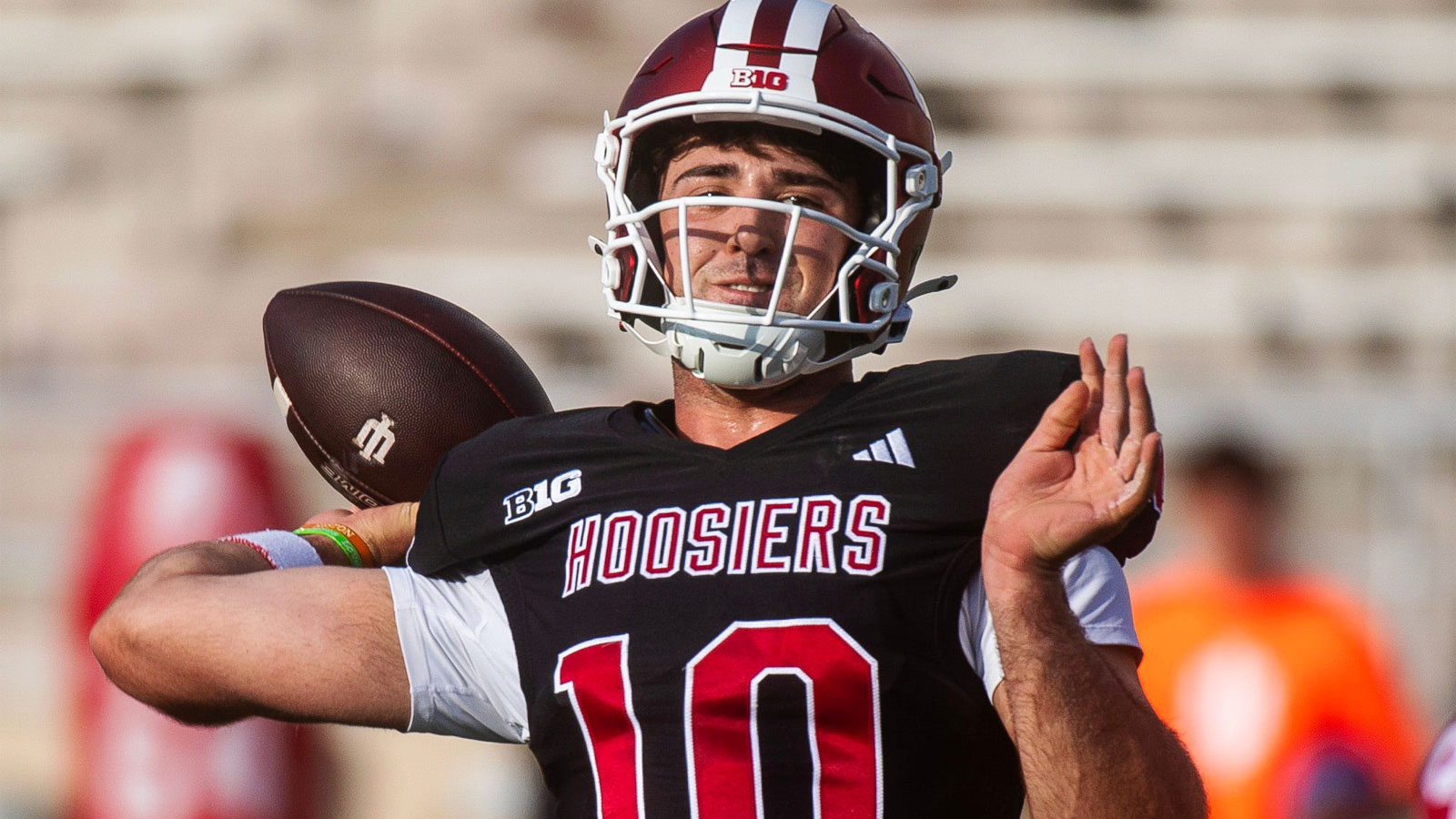
Selecting Josh Hoover in Round 5 would be a wise move for adding depth at quarterback. Hoover brings valuable experience and production that make him worth developing, and he has thrown numerous passes, run full offenses, and demonstrated the ability to push the ball downfield. While he may not possess elite athleticism or have the clean first-round traits, he plays with enough command to be more than just a camp arm.
Washington does not need to create a quarterback controversy with this pick, as it only needs depth and long-term insurance. Hoover could compete for a backup role, learn the system, and serve as a developmental passer with real college experience. Day 3 quarterbacks are like lottery tickets, but some present better odds than others. Hoover’s experience makes him one of the more sensible choices.
Round 6, Pick 189: Isaac Smith, S, Mississippi
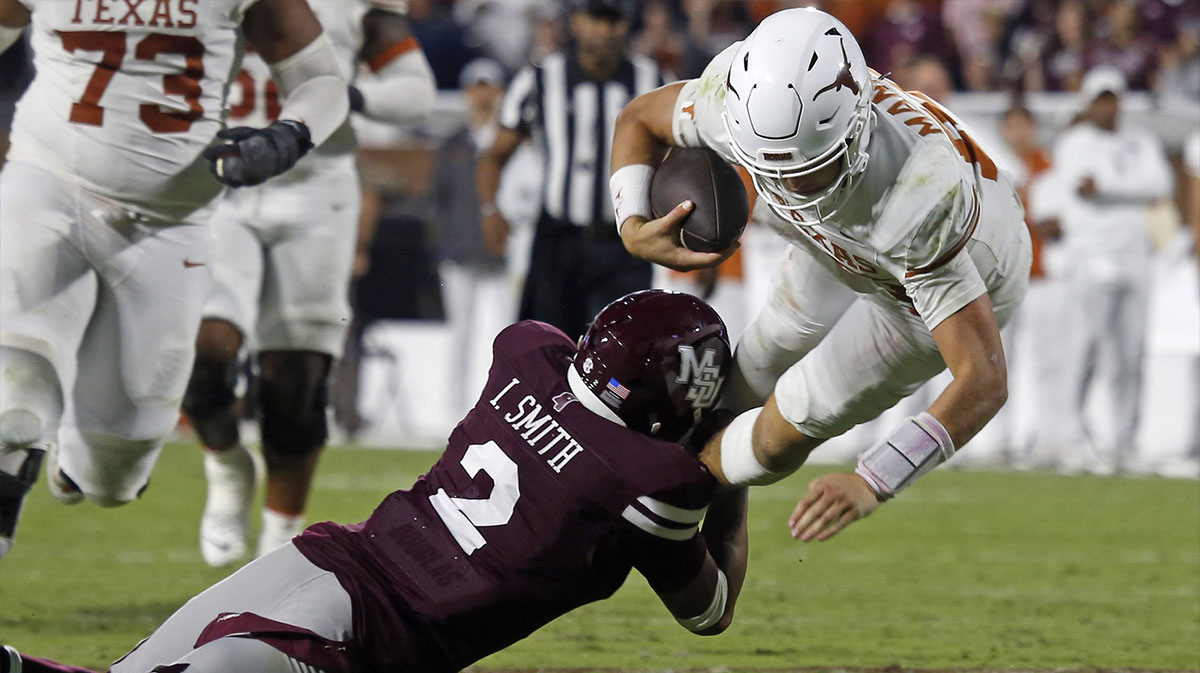
Isaac Smith provides Washington with another safety, though in a different way than Hubbard does. Smith is a more physical defensive back, offering strong tackling abilities and enough versatility to play near the line of scrimmage.
At Mississippi, he was part of an SEC defense that required players to handle speed, space, and contact every week, giving him a stronger foundation than what typically comes with a sixth-round projection.
For the Commanders, this pick focuses on depth and special teams. Smith can contribute on coverage units, bring toughness to the secondary, and provide Jones with another defensive back who isn’t afraid to play downhill.
While selecting two safeties in one draft class may seem excessive, Washington’s defensive strategy makes it logical. More defensive backs who can tackle and move mean increased flexibility.
Round 7, Pick 227: Caleb Woodson, LB, Alabama
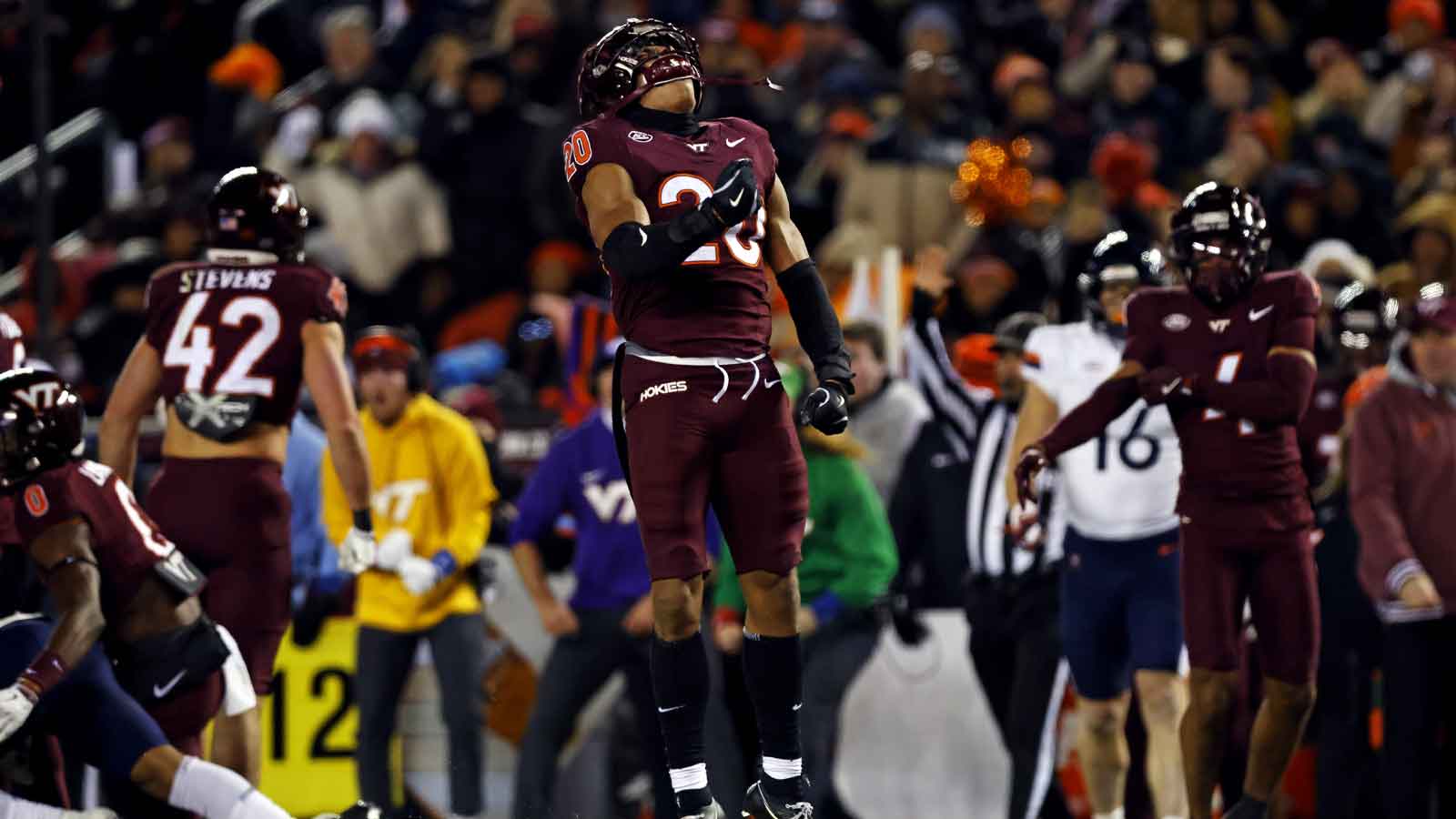
Caleb Woodson is an excellent fit in the seventh round because he offers experience and a unique developmental background. He began his college career as a safety/nickel before transitioning into a linebacker, and this background gives him a distinct advantage in coverage compared to traditional off-ball defenders.
While at Virginia Tech, he excelled as a tackler before moving to Alabama, where SEC coaching and competition were expected to refine his skills.
Washington should appreciate this profile in the late rounds, as Woodson possesses size, defensive versatility, and special teams potential. He won’t be drafted to step into a starting role right away, but he will be brought in to compete, cover kicks, and demonstrate that his combination of linebacker size and defensive back experience can be valuable. In Round 7, this is exactly the type of risk worth taking.
Overall, this would be a very strategic draft for the Commanders, as the first pick provides Washington with a genuine offensive spark rather than just another possession receiver.
What stands out most is how much this draft class would elevate the competitive floor, because Washington would emerge with additional speed on offense, more options in the secondary, increased toughness in the interior, and more young players who should make training camp more competitive.
The post Commanders’ way-too-early 2027 NFL Draft according to PFF mock draft simulator appeared first on ClutchPoints.
What's Your Reaction?
 Like
0
Like
0
 Dislike
0
Dislike
0
 Love
0
Love
0
 Funny
0
Funny
0
 Angry
0
Angry
0
 Sad
0
Sad
0
 Wow
0
Wow
0