















How Portugal manager Roberto Martinez is killing yet another Golden Generation
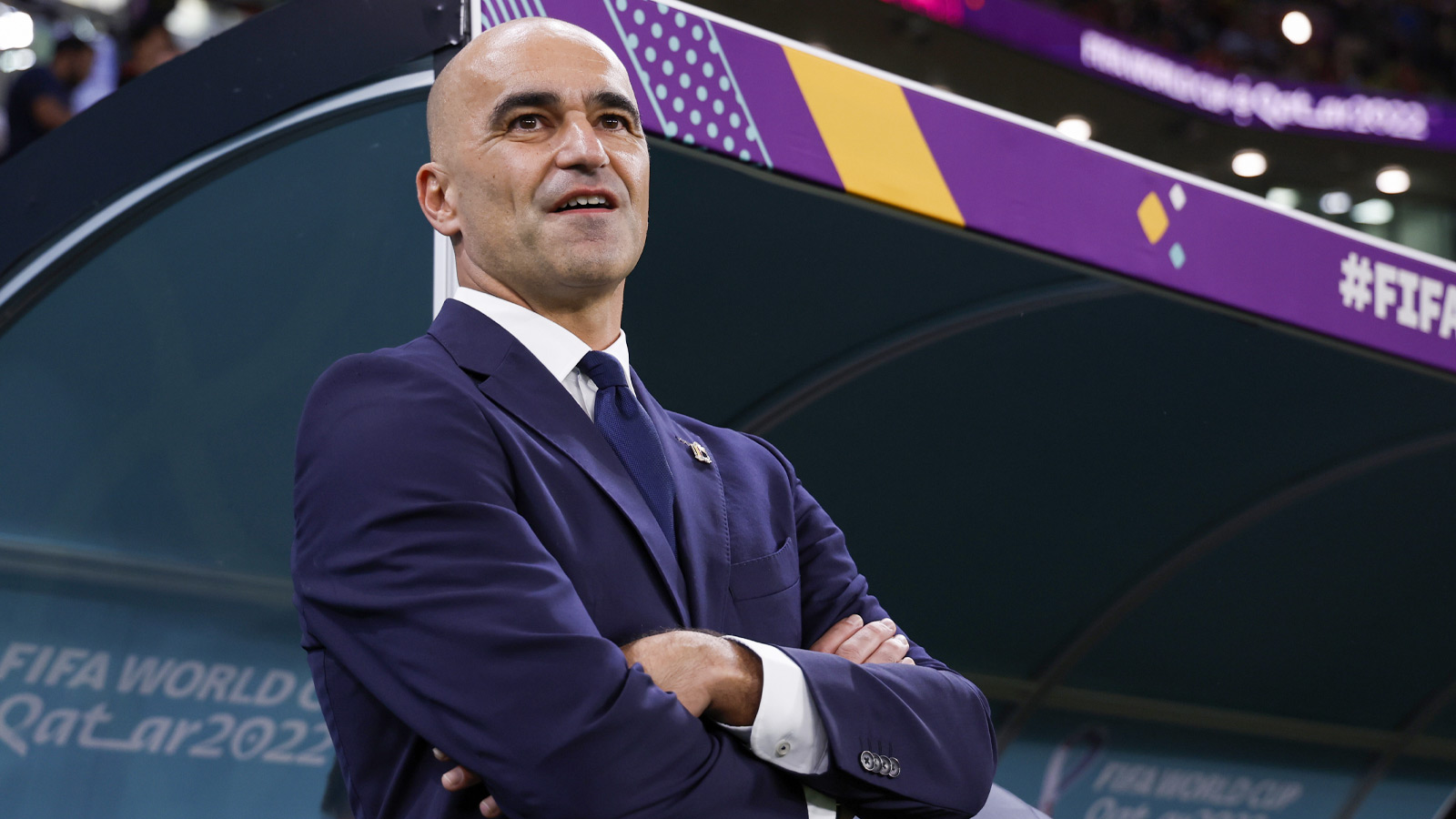
Portugal’s 2026 World Cup opener was expected to be a controlled first step. Instead, Roberto Martinez’s team stumbled to a 1-1 draw with DR Congo, turning what should have been a routine Group K assignment into a discussion about Cristiano Ronaldo’s role.
Portugal initially took the lead early with a goal from Joao Neves, but failed to convert that advantage into genuine control of the match. Ronaldo struggled to make an impact, as DR Congo defended him well. Yoane Wissa’s equalizer allowed the underdogs to secure a historic point. This result left Portuguese fans questioning whether Martinez dares to change the attacking strategy before the next match against Uzbekistan.
The sentiment hanging over Martinez after the disappointing draw is stark: first with Belgium, now with Portugal. This criticism may seem harsh after just one match, but it’s rooted in a recurring pattern: a talented squad, significant attacking resources, and a manager who somehow makes elite talent appear slower, safer, and less dangerous than it should be.
Portugal possesses too much quality to appear so blunt on the field. The issue against DR Congo was not solely that Ronaldo had a quiet game, after all, he is 41 and playing in his sixth World Cup, so it’s unrealistic to expect him to move like the player who once terrified defenders for 90 minutes. The larger issue is that Martinez’s entire attacking strategy seemed designed around waiting for the perfect delivery to a striker who can no longer create separation as effectively.
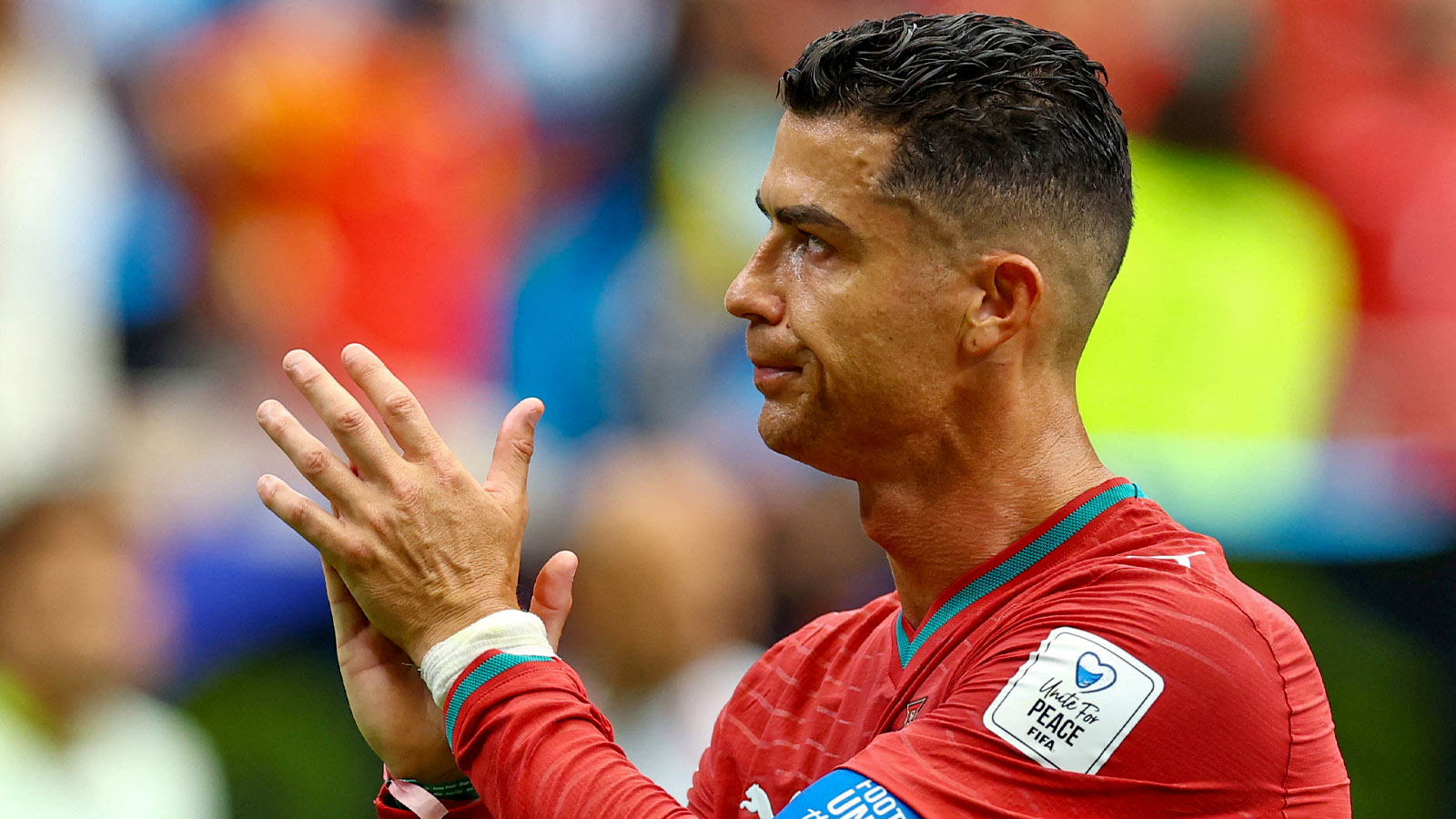
This approach reflects nostalgia rather than tactical evolution. After taking the lead in the sixth minute, Portugal drifted. Instead of building on that early control to make a statement, the team became cautious and predictable. While they had possession, they lacked penetration, and crosses were delivered without enough variety, central spaces were not attacked with conviction, and wide players failed to receive the ball in situations where they could exploit defenders. By the time DR Congo found their footing, Portugal resembled a team unsure of how bold it wanted to be, rather than a favorite managing the game.
This is where Martinez deserves scrutiny, as this squad should be brimming with ideas. It features passers who can control the rhythm, wide players capable of one-on-one attacks, midfielders who can make late runs, and enough technical quality to overwhelm most group opponents. Yet the overall performance felt strangely limited, as if the strategy was crafted to cater to Ronaldo rather than to optimize Portugal’s best football.
Ronaldo still has value because he can be dangerous late in games, particularly when defenders are fatigued, and the match becomes more chaotic. His movement in the box remains intelligent, and his presence continues to affect opponents emotionally. However, making him the focal point of the attack can also constrict the team dynamics.
They need to embrace more movement, not more waiting, and this presents an uncomfortable challenge for Martinez. Benching Ronaldo is not a sign of disrespect, as it may be the most respectful way to utilize what he can still contribute effectively. A shorter, sharper role could enhance his explosiveness and reduce his exposure on the field, and it would also enable Portugal to kick off matches with greater speed, more pressing, and better interchange among the attackers.
This doesn’t mean transforming the team into a reckless offensive squad, as it involves acknowledging that this generation needs to play proactively. A team with Portugal’s technical skill should not appear stifled by a low block from the team ranked 46th in the world, and while credit is due to DR Congo for their discipline and belief, Portugal contributed to its own frustrations.
This is the unsettling part for supporters because Belgium fans have experienced this situation before.
Martinez inherited one of the best collections of Belgian talent ever assembled. That team featured world-class players across the pitch and consistently ranked near the top of international football, and their peak came with a third-place finish at the 2018 World Cup, a significant achievement, but the conclusion was disappointing. By 2022, Belgium appeared stale, slow, and emotionally drained, and the so-called Golden Generation exited in the group stage after a scoreless draw with Croatia, leaving a sense of wasted potential.
Portugal cannot ignore its history.
While the situations are not identical, the two teams share common concerns, as this Portuguese squad is younger in critical areas, deeper in attack, and not as obviously at the end of its cycle. However, the danger is similar: a coach with a talented squad making the football feel smaller than the potential available. Belgium’s decline under Martinez wasn’t solely about aging players because it stemmed from a team that lost its freshness, aggression, and clarity at a crucial moment when reinvention was necessary.
The draw against DR Congo should prompt a tactical reset. Martinez needs to recognize that controlling possession isn’t the same as being a genuine threat. Keeping the ball is meaningless when the opponent can comfortably watch you passing among themselves, and the strongest version of Portugal should stretch opposing teams, overload central areas, attack the box from multiple angles, and keep defenders guessing.
Against DR Congo, there was too much predictability because everyone knew where the ball was intended to go, which made the underdog’s job easier.
The match against Uzbekistan now takes on greater significance because it will be a test of whether Martinez is willing to adjust quickly.
Portugal can still win the group, as one poor opener does not ruin a World Cup campaign. However, a disappointing start can reveal a manager’s blind spots, and this one has highlighted several.
Ronaldo should not be blamed for every Portuguese failure, as that would be a lazy approach, and the real responsibility lies with the coach, who continues to build a team around an old solution when newer, faster, and more flexible options are available. Portugal has another Golden Generation within its grasp.
Martinez has already witnessed one fade away in Belgium; he cannot be allowed to let it happen again.
The post How Portugal manager Roberto Martinez is killing yet another Golden Generation appeared first on ClutchPoints.
What's Your Reaction?
 Like
0
Like
0
 Dislike
0
Dislike
0
 Love
0
Love
0
 Funny
0
Funny
0
 Angry
0
Angry
0
 Sad
0
Sad
0
 Wow
0
Wow
0