

-(1).jpeg)


Ravens’ 53-man roster prediction for 2026 NFL season
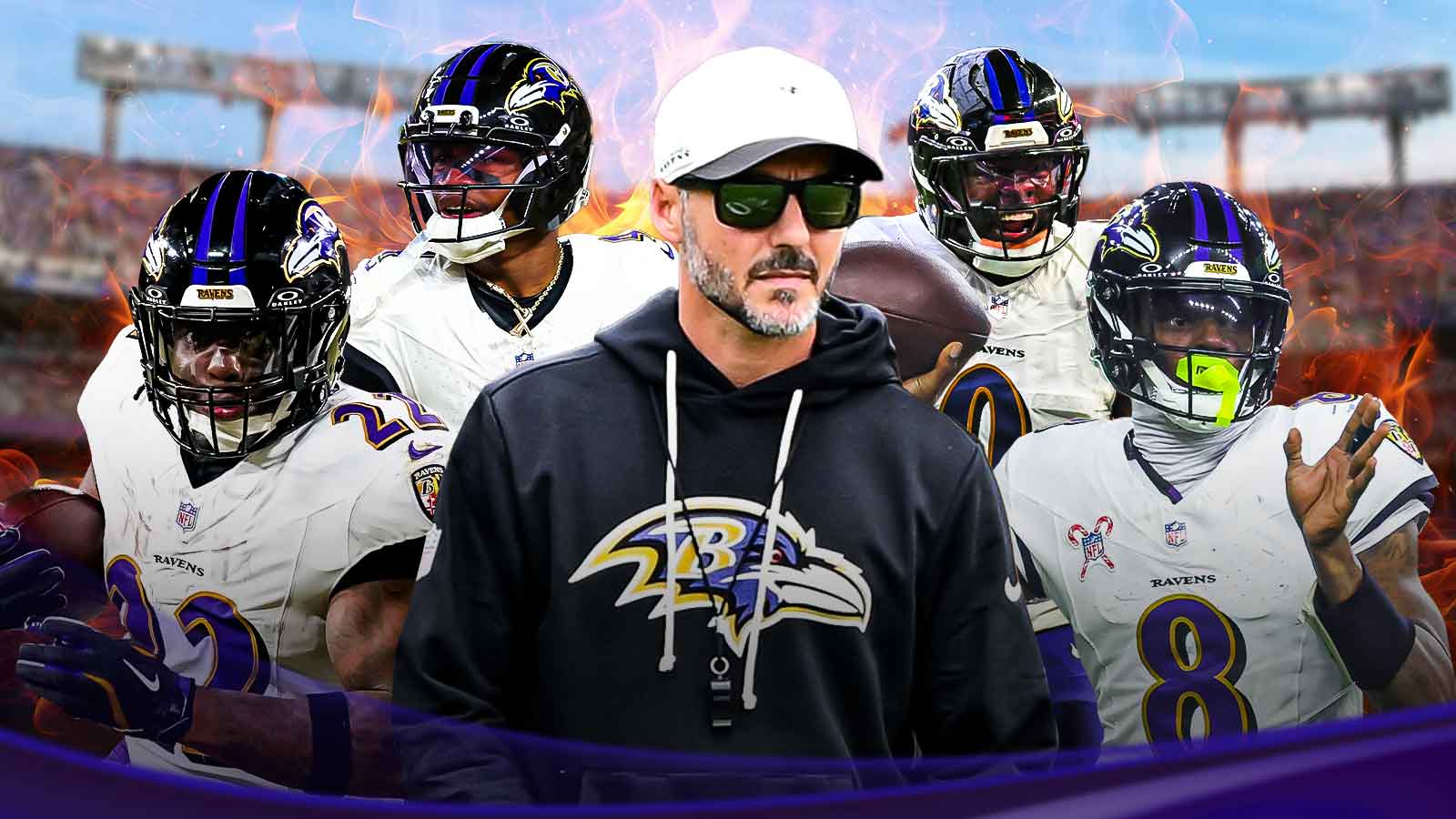
The Baltimore Ravens are making the final 53-man roster decisions look increasingly difficult. Through two preseason games, the new Jesse Minter era has already produced a defense that looks deep, physical and remarkably difficult to move. Several young offensive players have also forced their way into serious roster conversations. Baltimore’s 24-7 demolition of Philadelphia was followed by a 13-3 grind against Minnesota. Those games have complicated the depth chart. With one exhibition finale remaining, the Ravens have enough information to make some difficult calls. However, several position battles remain too close to separate.
Defensive dominance

The Ravens have enjoyed a clean, momentum-building 2026 preseason. They have ridden a 2-0 start that has showcased both the discipline of Minter and the remarkable depth of the overhauled roster. Baltimore opened exhibition play by suffocating Philadelphia. Most starters sat and younger players received extensive opportunities to make their cases. Ja’Kobi Lane and Matthew Hibner were among the offensive standouts.
The momentum carried into Minnesota, where Baltimore delivered an even more defensive performance. Ethan Burke forced a fumble, and the defense repeatedly disrupted the Vikings’ offense. Joe Fagnano also connected with LaJohntay Wester for Baltimore’s lone touchdown.
That leaves Baltimore entering the preseason finale against Washington with an unusual luxury: there are more credible candidates than available roster spots.
Offensive Playmakers
Quarterbacks (2): Lamar Jackson, Tyler Huntley
Jackson is obviously the centerpiece. Huntley has done enough to maintain his position as the trusted No. 2. The more interesting decision is behind them. Fagnano has made a legitimate case for consideration after throwing for 224 yards and a touchdown against Philadelphia, followed by another productive showing against Minnesota. For now, though, Fagnano projects to the practice squad. That’s where Baltimore can continue developing him without sacrificing another active-roster position.
Running backs (4): Derrick Henry, Justice Hill, Rasheen Ali, Adam Randall
Henry remains the unquestioned hammer of the offense. Hill’s versatility makes him indispensable. Ali provides additional depth, but Adam Randall has arguably made the most compelling case for the fourth spot. His four-yard touchdown against Philadelphia was one of Baltimore’s biggest offensive plays of the opener. His ability to contribute on special teams only strengthens his candidacy.
Wide receivers (5): Zay Flowers, Rashod Bateman, Ja’Kobi Lane, Devontez Walker, LaJohntay Wester
This is where the roster math becomes fascinating. Flowers and Bateman are secure. Lane has quickly become one of the preseason’s biggest revelations. Walker has flashed his ability to create yards after the catch.
Wester gets the fifth spot largely because his return ability provides additional value. That leaves Dayton Wade, Elijah Sarratt, and Cornelius Johnson on the outside looking in. Sarratt, in particular, made an impression against Philadelphia with six catches for 66 yards. That said, Baltimore’s special-teams calculus could ultimately work against him.
Tight ends (4): Mark Andrews, Durham Smythe, Josh Cuevas, Matthew Hibner
This may be the toughest offensive decision. Andrews remains the veteran centerpiece, while Smythe provides blocking and experience. The real battle is between Cuevas and Hibner. Both have made the decision increasingly uncomfortable.
Hibner was particularly impressive against Philadelphia, catching five passes for 61 yards while also earning strong marks as a blocker. The projection keeps both because Baltimore can extract value from multiple-tight-end formations. Cutting either one would risk losing a player capable of contributing immediately.
Offensive Line
Offensive tackles (4): Ronnie Stanley, Roger Rosengarten, David Sharpe, Carson Vinson
Stanley provides veteran stability, with Rosengarten positioned to play a major role opposite him. Sharpe supplies valuable experience. Vinson earns the final spot through his developmental upside and positional versatility.
Interior offensive line (5): John Simpson, Olaivavega Ioane, Ethan Pocic, Danny Pinter, Andrew Vorhees
The interior is built around experience and flexibility. Simpson and Ioane provide the physicality Baltimore wants. Pocic and Pinter offer center versatility. Vorhees gets the final spot, although this is another area where a strong preseason finale could force a late change.
Defense
Defensive line (5): Nnamdi Madubuike, Travis Jones, Broderick Washington Jr., Calais Campbell, John Jenkins
This group combines established star power with veteran depth. Madubuike remains the centerpiece. Jones and Washington provide the physical interior presence necessary for Minter’s defense. Campbell’s experience remains valuable, particularly when Baltimore needs to control the line of scrimmage.
Outside linebackers and edge defenders (6): Trey Hendrickson, Tavius Robinson, Mike Green, Adisa Isaac, Kaimon Rucker, Ethan Burke
This is one of the most difficult groups to project. Hendrickson gives Baltimore a proven premier pass rusher. However, the younger edge defenders have made this position substantially deeper. Mike Green has produced disruptive reps. Burke has arguably done the most to force himself into the conversation. That makes keeping six edge players increasingly difficult to avoid.
Inside linebackers (4): Roquan Smith, Teddye Buchanan, Trenton Simpson, Jay Higgins IV
Smith remains the defensive quarterback. Buchanan has continued to strengthen his case alongside him. Simpson retains enough athletic upside to survive the final cut. Higgins provides additional depth and special-teams value.
Cornerbacks (6): Marlon Humphrey, Nate Wiggins, Chidobe Awuzie, TJ Tampa, Keyon Martin, Bilhal Kone
Humphrey and Wiggins anchor the room. Awuzie supplies veteran insurance. Tampa remains an intriguing young coverage option. Martin and Kone round out a group with considerable developmental upside. The difficult omissions are Chandler Rivers, Robert Longerbeam and Amani Oruwariye. Rivers has already flashed his versatility and tackling ability, so this is hardly a comfortable decision.
Safeties (5): Kyle Hamilton, Malaki Starks, Jaylinn Hawkins, K’Von Wallace, Keondre Jackson
Hamilton is the centerpiece of the secondary. Starks gives Baltimore another versatile defender. Hawkins, Wallace and Jackson provide depth and special-teams flexibility. Silas Walters narrowly misses the projection. That said, his late preseason performance could still change the equation.
Special teams
Kicker: Tyler Loop
Punter: Ryan Eckley
Long snapper: Nick Moore
Loop remains the projected kicker despite an inconsistent preseason opener. Eckley gets the punting job. Nick Moore’s continued presence gives Baltimore stability at long snapper.
Final decisions
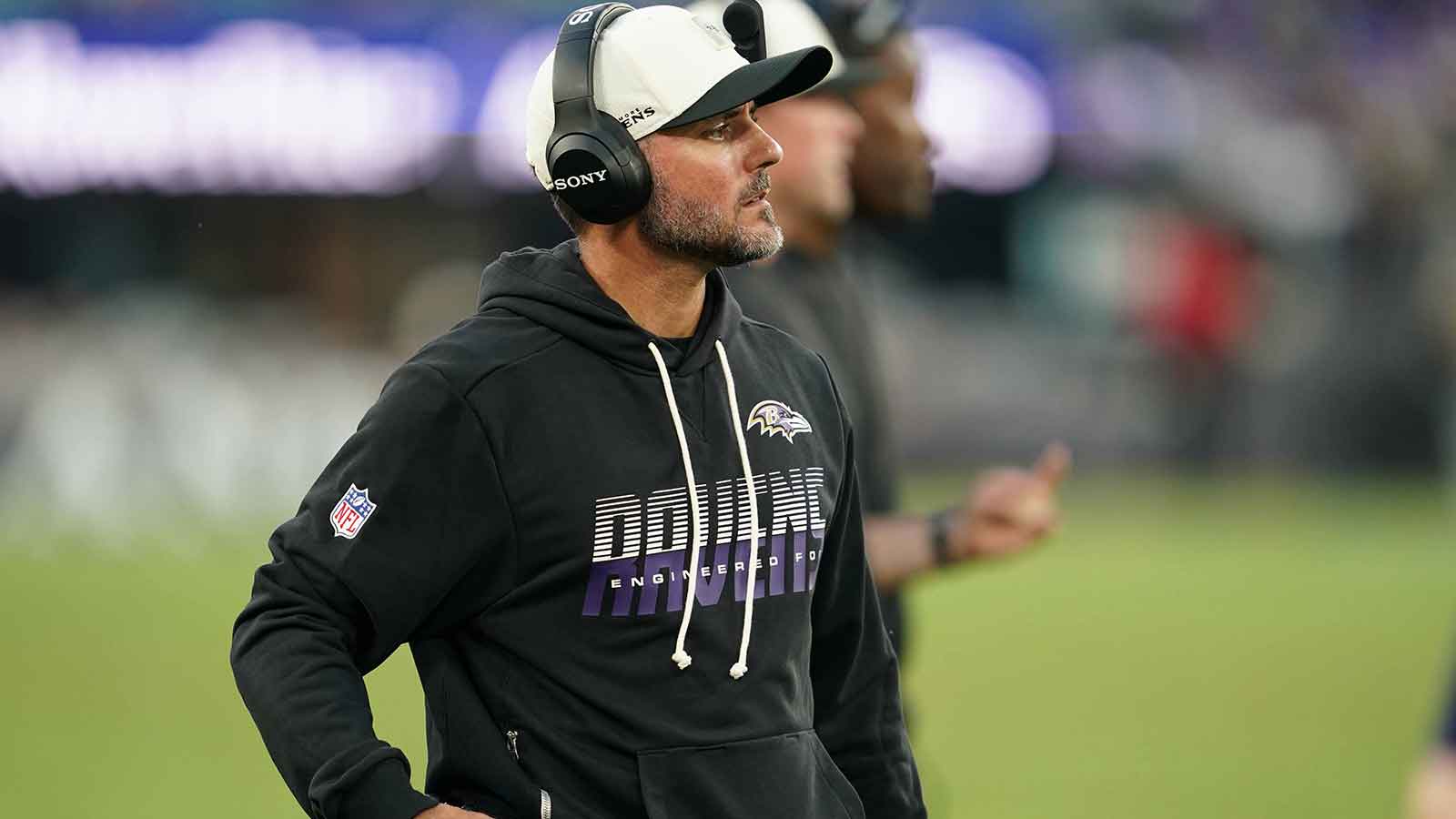
The tight end room is perhaps the clearest example of Baltimore’s roster dilemma. Carrying four means sacrificing a spot elsewhere. Still, Hibner and Cuevas have made themselves too valuable to risk losing. The edge rotation presents an equally compelling problem. Burke’s performance against Minnesota, combined with Green’s disruptive preseason work, makes six pass rushers difficult to avoid.
That is the beauty and headache of this Ravens roster. Baltimore does not appear to have a shortage of talent. It has a shortage of places to put it.
The post Ravens’ 53-man roster prediction for 2026 NFL season appeared first on ClutchPoints.
What's Your Reaction?
 Like
0
Like
0
 Dislike
0
Dislike
0
 Love
0
Love
0
 Funny
0
Funny
0
 Angry
0
Angry
0
 Sad
0
Sad
0
 Wow
0
Wow
0