

-(1).jpeg)


Broncos’ 2026 NFL Mock Draft roundup with pre-draft cycle ending
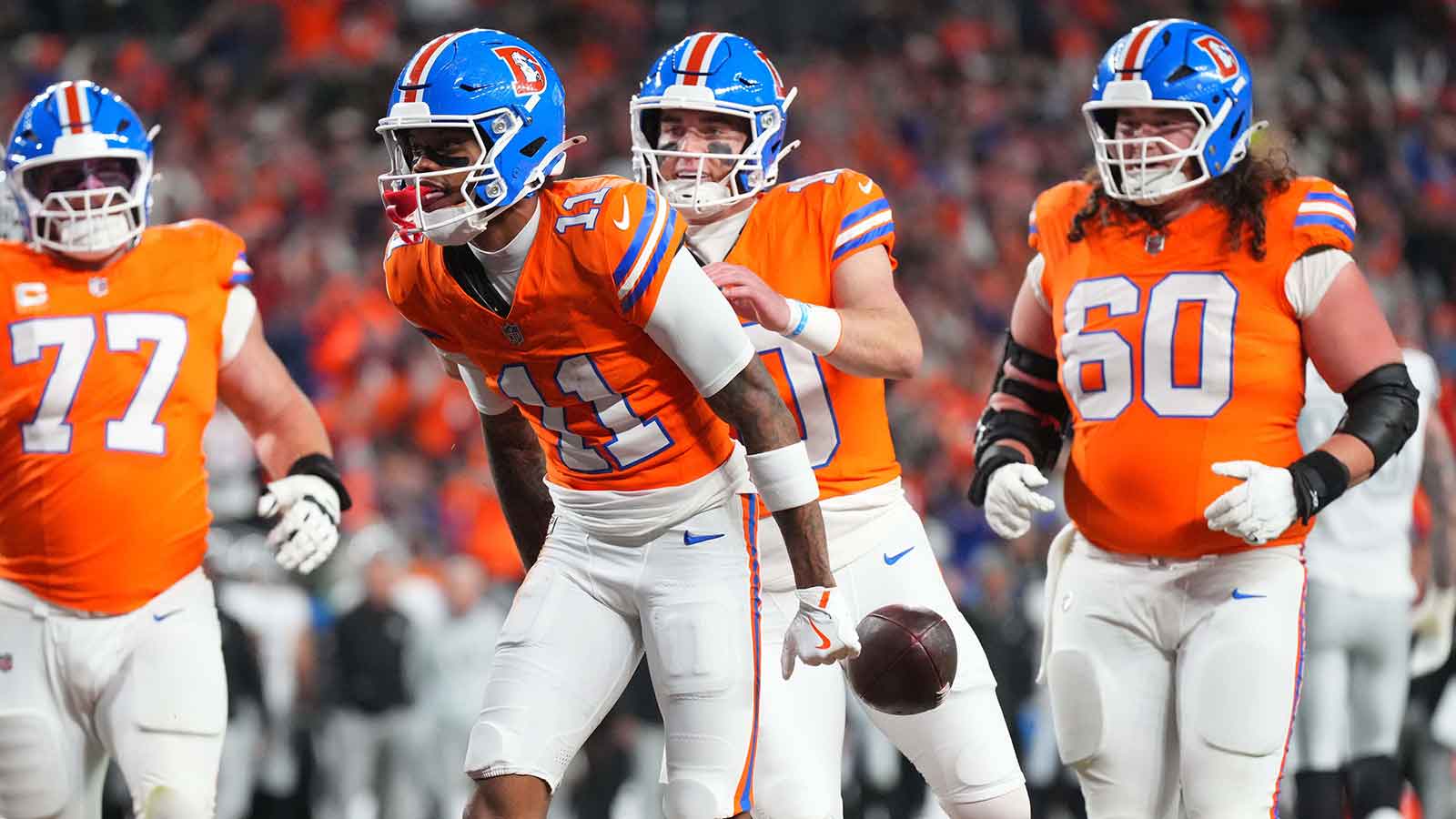
With Denver not entering the draft until late in the second round, their situation looks different from that of most playoff teams. Head coach Sean Payton recently acknowledged that he hasn’t fully explored this draft class yet, but he emphasized that tight end is a position of interest, and the unsuccessful attempt to acquire Travis Etienne highlighted that the team’s offense is still being adjusted around Bo Nix.
The draft board’s layout is crucial, as the Broncos have limited opportunities to make mistakes, and according to ESPN’s latest team draft intel, Denver has seven total picks, starting at No. 62, including two fourth-round selections and only one pick in the top 100, and this typically leads mock drafts to focus on players who can contribute quickly or fill a clear long-term need with minimal projection.
A month ago, the mock draft opinions about Denver felt disorganized, but that has changed.
Tight end prospects are being mentioned more frequently, as Payton’s “joker” role still lacks the ideal player, and linebacker remains a focus as well, since the second level still requires another long-term addition.
Cornerback evaluations are still active, especially for those who believe that the roster can afford to prioritize coverage depth before addressing other needs, and the following provides a clearer picture of the current draft landscape, based on direct projections from journalists rather than team trackers or summary pages.
TE Eli Stowers, Vanderbilt
Trevor Sikkema, PFF
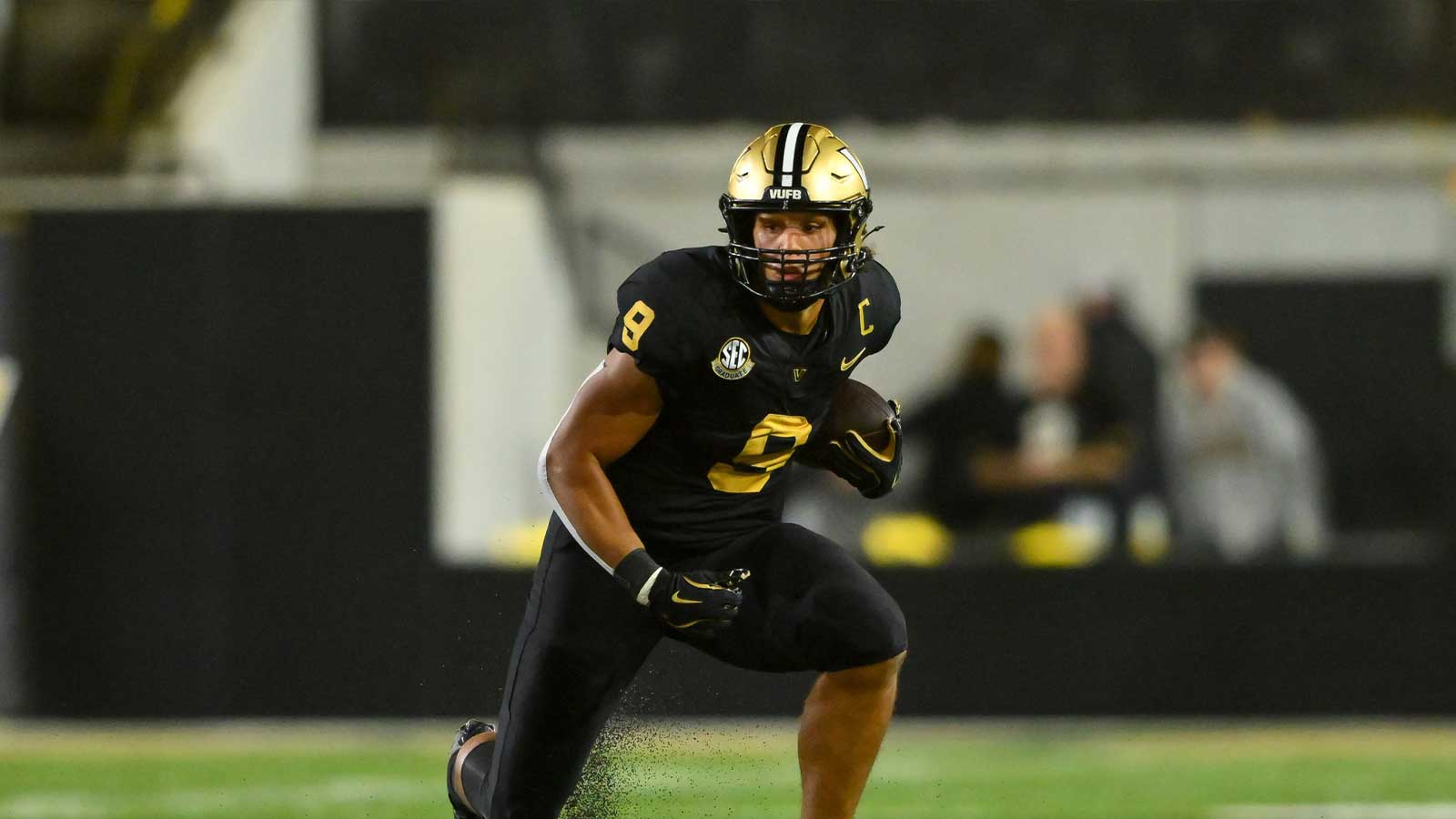
In Sikkema’s post-free-agency mock draft, he projected Denver to select Vanderbilt tight end Eli Stowers at No. 63.
This selection makes sense when considering what Payton has previously indicated and what the Broncos still need, and Stowers isn’t primarily an in-line blocker; PFF’s draft guide describes him as a versatile athlete best utilized as a backfield or big-slot option, and this aligns with the type of tight end that Payton typically favors.
By opting for Stowers, Denver is betting on athleticism, size, and receiving skills rather than seeking a sixth offensive lineman disguised as a tight end.
This possibility is gaining traction because the rest of the offense already possesses enough structure to make a receiving tight end beneficial.
Jaylen Waddle transformed the wide receiver group, and while Evan Engram is still part of the roster, recent reports indicate that Denver desires more from this position rather than less.
Additionally, Stowers fits well within the value range, and PFF’s big board places him just outside the top 50 overall.
If the Broncos believe that enhancing Nix’s options in the middle of the field will be a key to progress, Stowers is one of the top names available.
LB Jacob Rodriguez, Texas Tech
Tim Crean, ClutchPoints

Tim Crean’s Broncos-focused mock draft linked Denver to Texas Tech linebacker Jacob Rodriguez, presenting a different appeal.
Rodriguez is not viewed as merely a role player or a part-time contributor, as Crean describes him as a big-play linebacker who could eventually develop into a starter at middle linebacker while learning under Dre Greenlaw.
This interpretation makes sense given that linebacker remains one of the few positions where Denver could use a long-term solution without immediate pressure on the player to excel.
Rodriguez brings something that analysts have repeatedly highlighted: production. He emphasized his ability to make significant plays, and even experts who favor other linebackers have mentioned this position for the Broncos’ first selection, and Denver’s first pick falls within a range where elite players at premium positions are often gone, but linebackers with substantial college production are frequently available.
If the Broncos decide to wait another round for offensive additions, Rodriguez is the type of defender who makes more sense compared to a prospect with raw traits.
CB Davison Igbinosun, Ohio State
Josh Edwards, CBS Sports
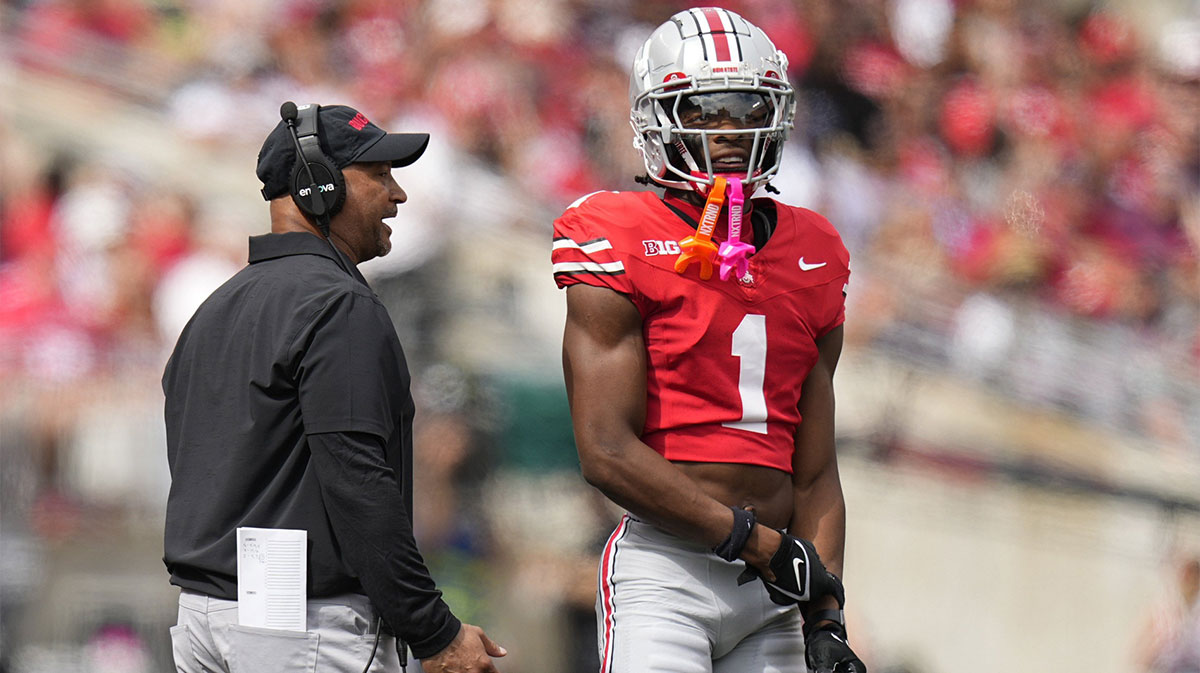
In Josh Edwards’ seven-round mock draft for CBS Sports, he projected Denver to select Ohio State cornerback Davison Igbinosun at No. 62.
This pick is intriguing as it diverges from the typical focus on tight ends and linebackers, yet it doesn’t feel out of place.
Igbinosun meets several criteria that teams look for in this draft range, including size, length, experience against top-tier competition, and enough ball production to warrant patience with his more challenging coverage techniques.
While Edwards’ complete class for Denver doesn’t entirely overlook offense, it begins by adding a defensive back.
Selecting a corner at this position suggests something significant about how some evaluators view the roster, and it indicates that at least a portion of the league does not believe the Broncos need to prioritize offense with their first pick following the Waddle trade.
Instead, the focus appears to be on continuing to strengthen the defense, trusting that they can address tight end or offensive line later in the draft, and Igbinosun fits this strategy as a second-round corner who can compete right away without the immediate burden of being the sole solution in the secondary.
While this projection may not be the most high-profile linked to Denver, it remains one of the more practical choices.
TE Jack Endries, Texas
Chad Reuter, NFL.com
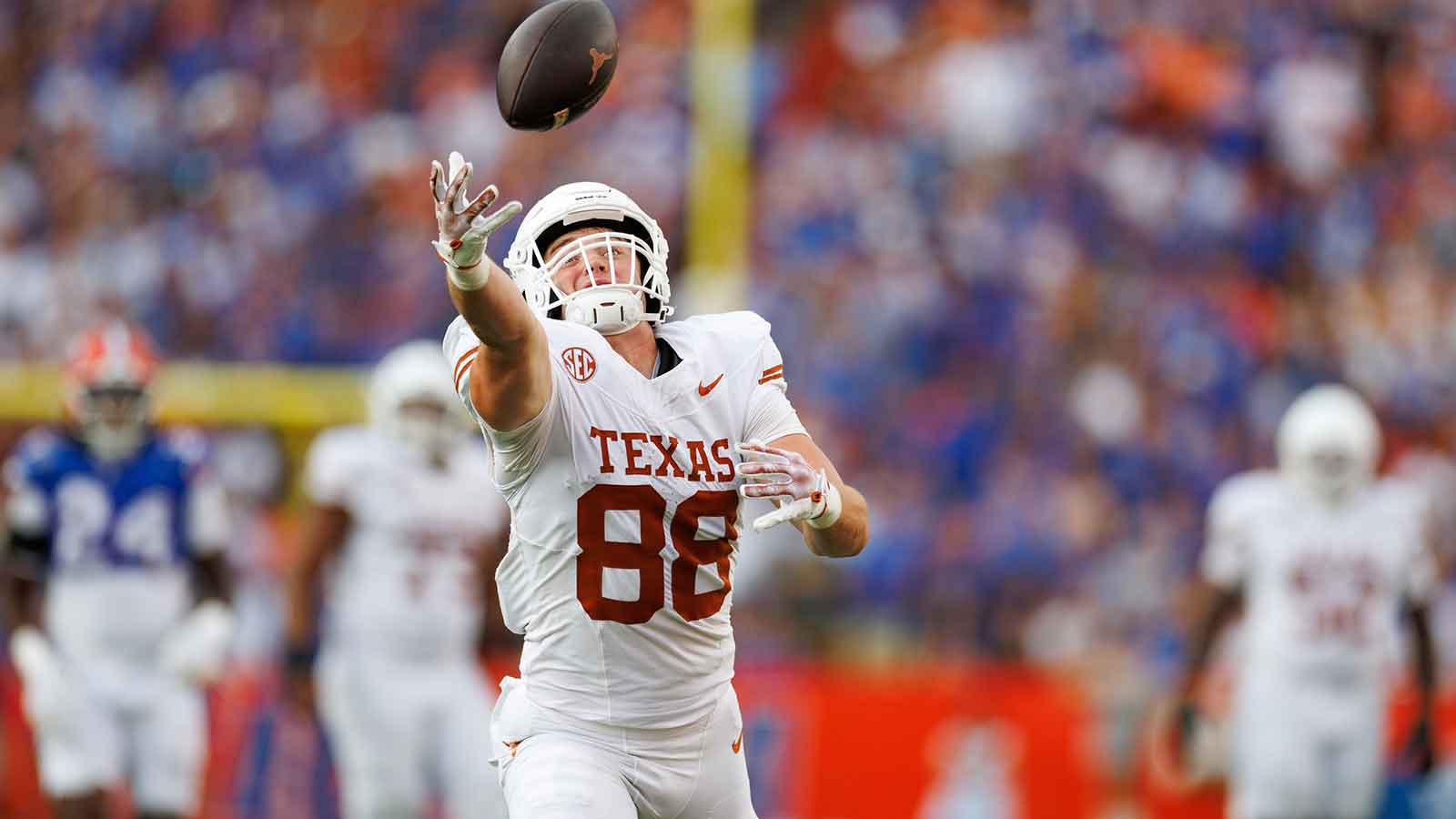
Chad Reuter’s article on “ideal top two picks” suggested that the Denver Broncos could select linebacker Jake Golday at No. 62 and tight end Jack Endries at No. 108. In this context, Endries stands out because it highlights a growing possibility for Denver’s draft strategy: even if the Broncos decide to pass on a tight end with their first pick, they may still look to address the position before the middle of Day 3.
Reuter described Endries as an underrated and reliable target, which aligns well with a roster that already has strong talent at wide receiver.
The ongoing mock drafts are not just questioning whether the Broncos will draft a tight end, but they are also exploring whether the front office views the position as a priority in Round 2 or something that can be addressed later while still finding a valuable player.
Endries fits into the latter category, and yes, he may not be the same type of receiving threat as Stowers, but he would be chosen not to bring immediate excitement but rather to support a roster that might prioritize linebacker or cornerback first, then return to tight end later on.
Reuter’s analysis indicates that the Broncos have broader options at this position than just focusing on one player or one round.
LB Josiah Trotter, Missouri
Field Yates, ESPN
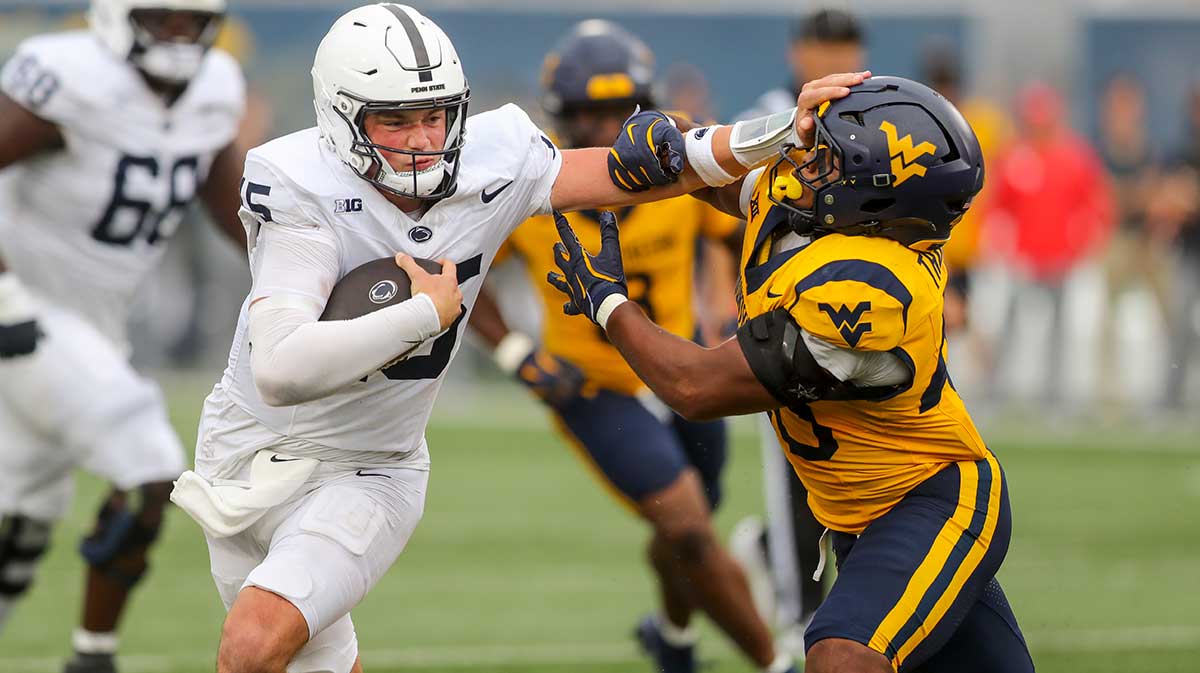
Field Yates’ two-round mock draft has Josiah Trotter going to the Denver Broncos with the 62nd pick, highlighting a specific need on the roster.
In his analysis, Yates pointed out that inside linebacker is an area where the Broncos should continue to add talent, especially after Dre Greenlaw fell short of expectations last season. He described Trotter as a tough and instinctive run defender, indicating that he would fit naturally into Vance Joseph’s defensive scheme.
His reasons are significant because it focuses more on how well a player fits into a specific system rather than just his potential, and with no first-round pick to spend on a luxury selection or to develop a long-term project behind veteran players, Trotter is viewed as a suitable option for the Broncos based on the role Joseph values.
Additionally, this analysis reflects a broader trend in the current draft cycle, and while multiple analysts may disagree on which linebacker the Broncos should prefer, the position has consistently appeared as a priority, suggesting that teams across the league recognize the same need, even if they have different evaluations of individual players.
What makes Denver’s draft board intriguing is that the market is discussing the order of selection.
One group of analysts believes tight end is the best way to support quarterback Russell Wilson, while another contends that linebacker should still be the top priority for the first pick. Cornerback also remains a consideration for those who have confidence in the offense and are willing to wait, and given that the Broncos pick late and have limited premium options, their first decision will likely reveal more about the team’s priorities than about any single prospect.
This is where the pre-draft cycle has proven to be more useful than it was earlier in the spring, and instead of listing every possible need for the Broncos, most credible mock drafts are now concentrating on two or three key ideas and urging the front office to determine the order that makes the most sense.
The post Broncos’ 2026 NFL Mock Draft roundup with pre-draft cycle ending appeared first on ClutchPoints.
What's Your Reaction?
 Like
0
Like
0
 Dislike
0
Dislike
0
 Love
0
Love
0
 Funny
0
Funny
0
 Angry
0
Angry
0
 Sad
0
Sad
0
 Wow
0
Wow
0