

.jpeg)



3 Lakers most to blame for 131-108 Game 3 loss to Thunder
Maybe the Los Angeles Lakers entered Game 3 believing the bright lights of Crypto.com Arena could breathe life back into their Western Conference Semifinals chances. They desperately needed urgency, toughness, and execution to avoid falling into an almost impossible postseason hole. Instead, what unfolded Saturday night was another painful reminder of just how wide the gap currently is between these two franchises. Oklahoma City dismantled Los Angeles in a 131-108 rout with relentless pace and offensive precision that bordered on cruel.
Every defensive breakdown was punished. Every turnover became a runway for transition baskets. And perhaps most alarming for Los Angeles, the body language of a veteran-heavy roster began to resemble a team running out of belief. With Luka Doncic still sidelined, the Lakers needed their remaining stars and veterans to elevate their level. Instead, several foundational pieces just did not have it.
Thunder’s third-quarter avalanche
For an entire half, the Lakers actually looked capable of making this a competitive playoff battle. Rui Hachimura’s early perimeter shooting created spacing, and Los Angeles entered halftime trailing by only a manageable margin.
Then the third quarter happened. Oklahoma City stormed out of the locker room looking like a team intent on ending the series psychologically before Game 4 even arrived. The Thunder outscored the Lakers 33-20 in the period. They completely shredded Los Angeles, exposing every weakness in transition coverage and perimeter communication.
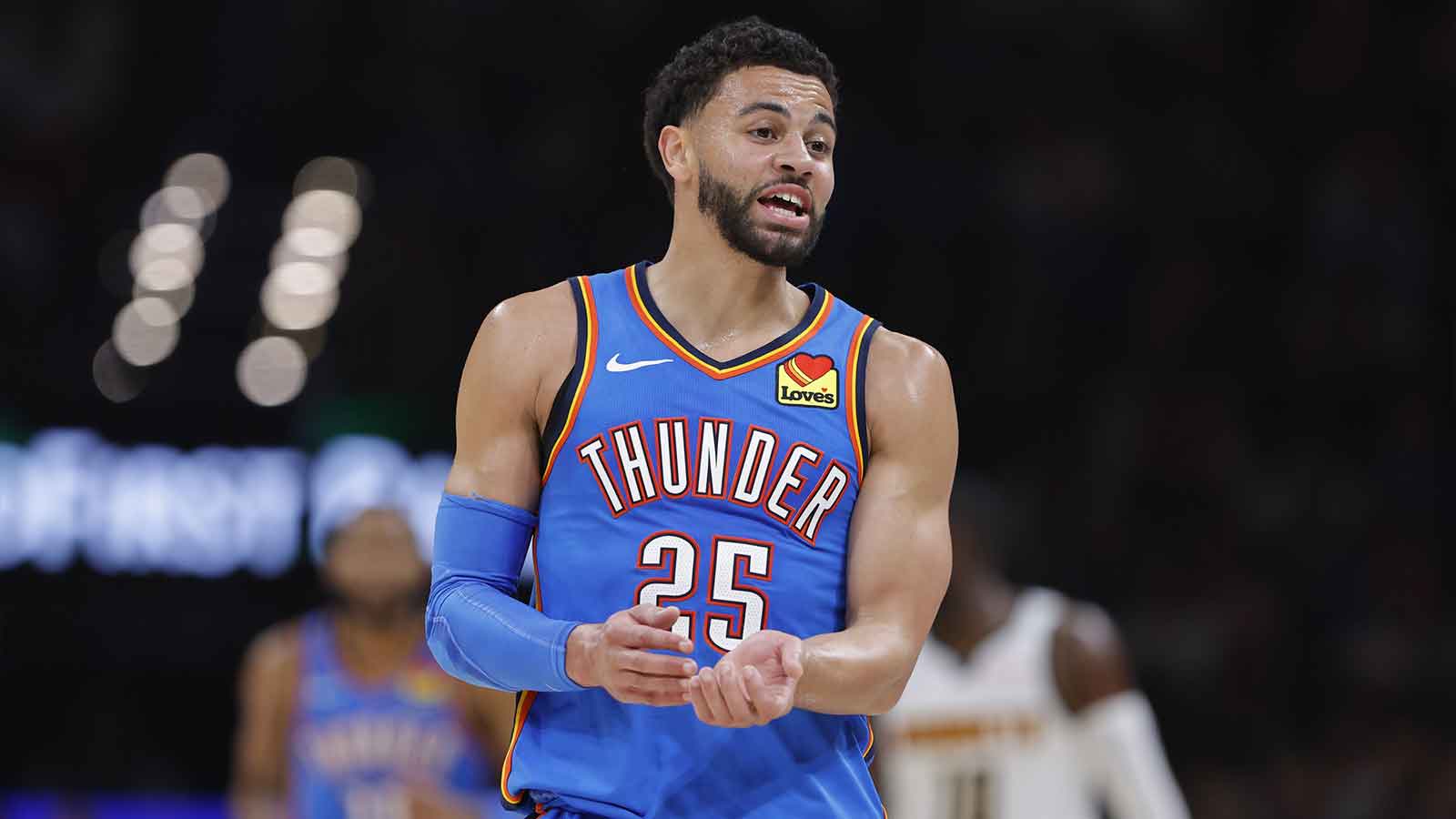
Ajay Mitchell repeatedly carved through the defense with ease. Of course, Shai Gilgeous-Alexander orchestrated the offense with chilling patience and control. Every time the Lakers attempted to mount a push, Oklahoma City calmly responded with another open three or uncontested drive.
By the fourth quarter, the game had transformed into a showcase of Thunder depth and execution. Oklahoma City shot 56 percent from the field and knocked down 17 three-pointers. Meanwhile, Los Angeles struggled to generate quality offense outside of Hachimura’s occasional bursts. The final score reflected how the Thunder simply looked younger, faster, and far more prepared for the moment.
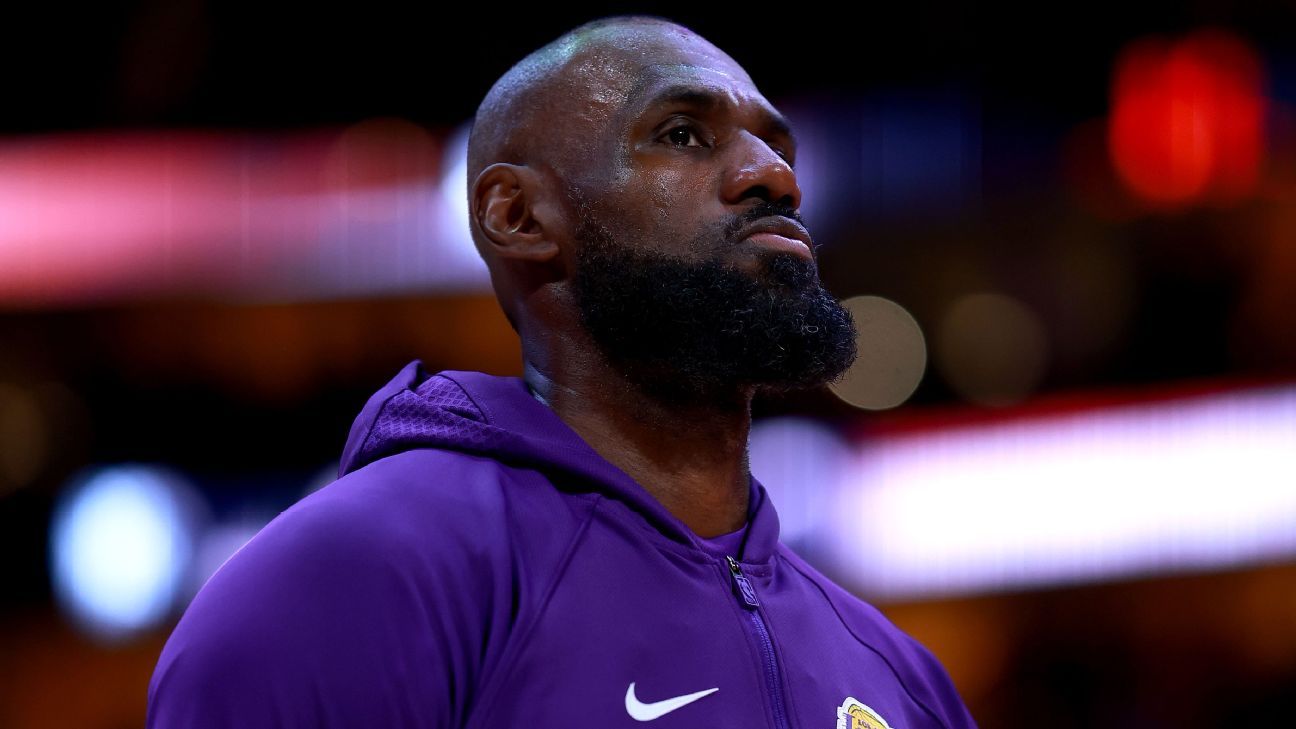
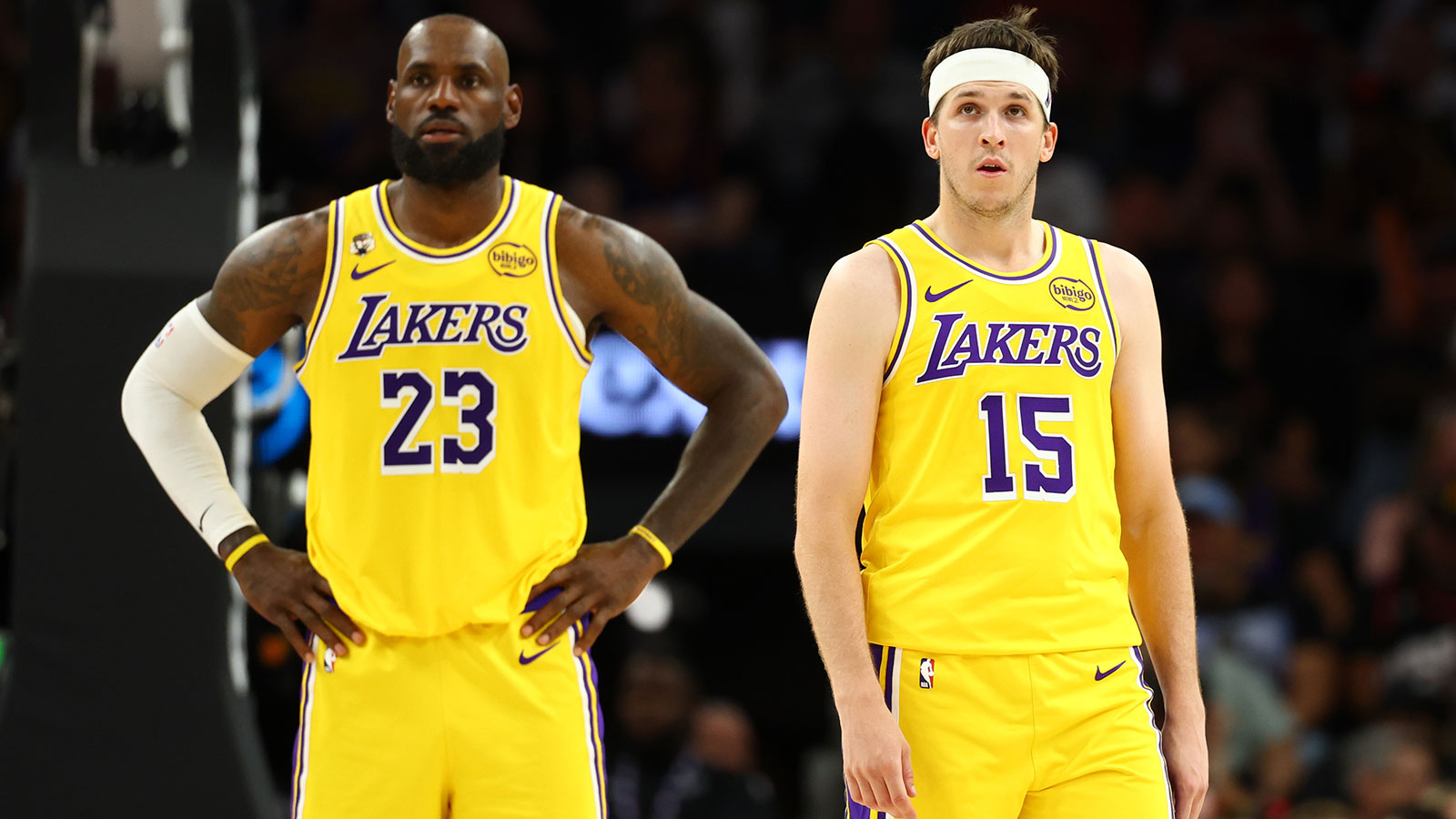
LeBron James
The King looked human at the worst possible time. Criticizing James always feels dangerous because of the impossible standards he has established over two decades. In Game 3, though, the Lakers needed greatness from their franchise icon. They instead received one of his least effective performances of the postseason.
James finished with 19 points on 7-of-19 shooting. Oklahoma City’s defensive length bothered him from the opening tip. They cut off driving angles and forced him into contested jumpers that played directly into the Thunder’s transition attack.
Perhaps most concerning was the lack of downhill aggression. Historically, LeBron’s greatest playoff performances come when he relentlessly attacks the rim. In Game 3, those bursts were too few and far between.
His minus-24 plus-minus tied for the worst mark on the team. It reflected how badly the Lakers struggled during his minutes on the floor. At 41 years old, LeBron is still brilliant. That said, against the Thunder, there were moments where the physical wear of two decades finally became visible.
Austin Reaves
With Doncic unavailable, the Lakers desperately needed Austin Reaves to evolve into a reliable secondary creator. Instead, Reaves delivered one of his sloppiest and most damaging performances of the year.
His final line read 17 points and nine assists. That initially appears respectable. However, the deeper numbers reveal a far uglier story. Reaves shot just 5-of-13 from the field and committed five turnovers. Many of those came in momentum-swinging situations that allowed Oklahoma City to ignite fast breaks.
The Thunder aggressively hunted him defensively as well. Whether through switches or pick-and-roll action, Oklahoma City repeatedly attacked Reaves with Gilgeous-Alexander and Mitchell. This forced the Lakers into scrambling rotations that almost always ended badly.
If the Lakers are going to avoid a humiliating sweep, Reaves must rediscover the composure and shot-making that made him such a critical piece during previous playoff runs.
Deandre Ayton
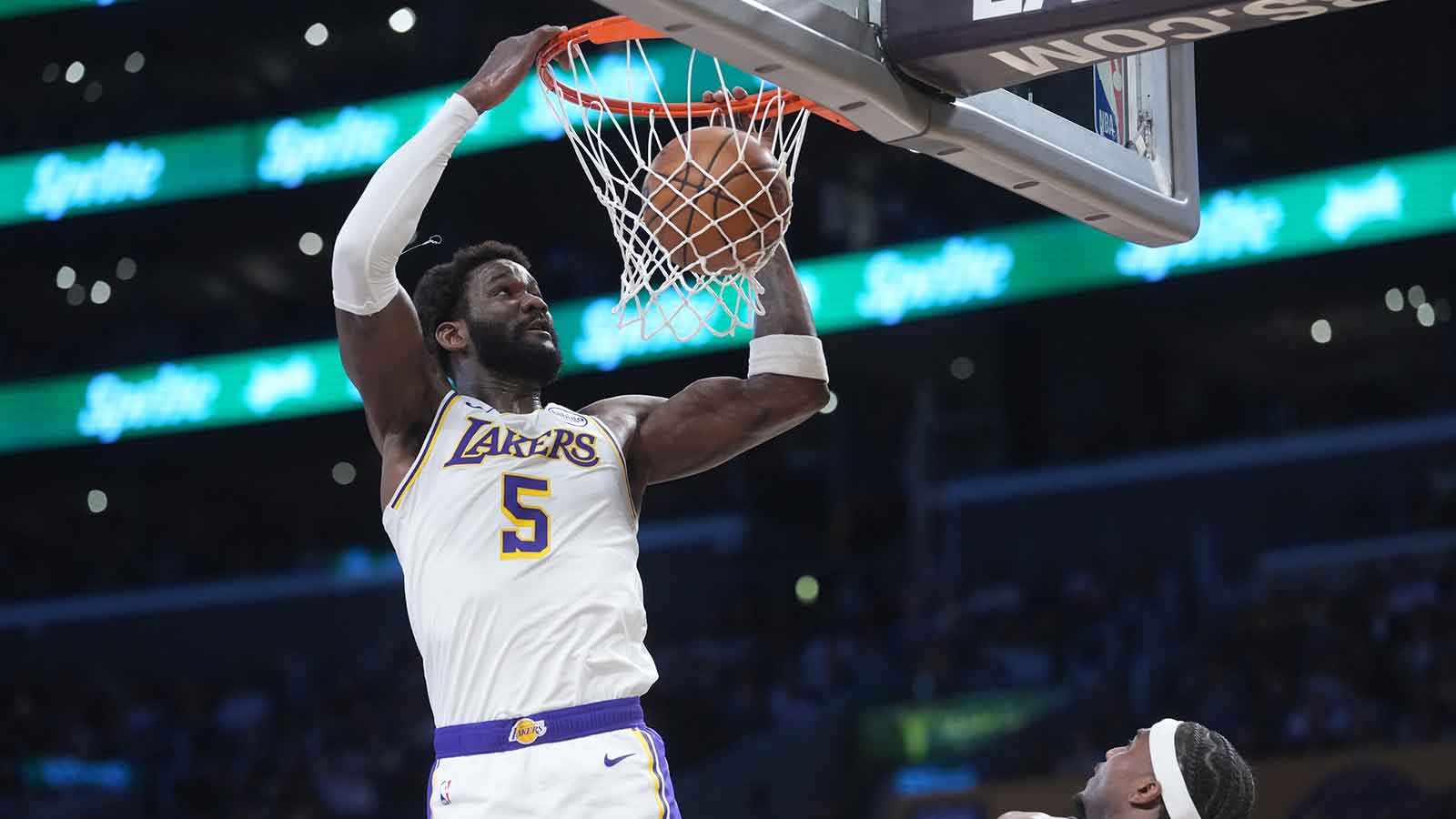
The Lakers acquired Deandre Ayton specifically for moments like this. He was supposed to provide size, rebounding, interior scoring, and rim protection. Instead, Game 3 became another example of Ayton fading into the background during the postseason.
He finished with just 10 points and six rebounds in 24 minutes. He also failed to establish any consistent interior presence offensively. Oklahoma City frequently played smaller lineups. Still, Ayton rarely punished mismatches inside or forced double teams in the paint.
Defensively, the problems were even more glaring. Chet Holmgren and Isaiah Hartenstein controlled the glass and repeatedly generated second-chance opportunities. Ayton’s rim protection was almost nonexistent. This allowed Thunder guards to attack the basket without fear.
The Lakers entered this postseason believing their veteran experience could neutralize Oklahoma City’s youth movement. Three games later, the Thunder have made that belief look hopelessly outdated.
The post 3 Lakers most to blame for 131-108 Game 3 loss to Thunder appeared first on ClutchPoints.
What's Your Reaction?
 Like
0
Like
0
 Dislike
0
Dislike
0
 Love
0
Love
0
 Funny
0
Funny
0
 Angry
0
Angry
0
 Sad
0
Sad
0
 Wow
0
Wow
0