


.png)




US Open crowds can change everything about tennis’ lonely experience


Is any individual sport as isolating as professional singles tennis?
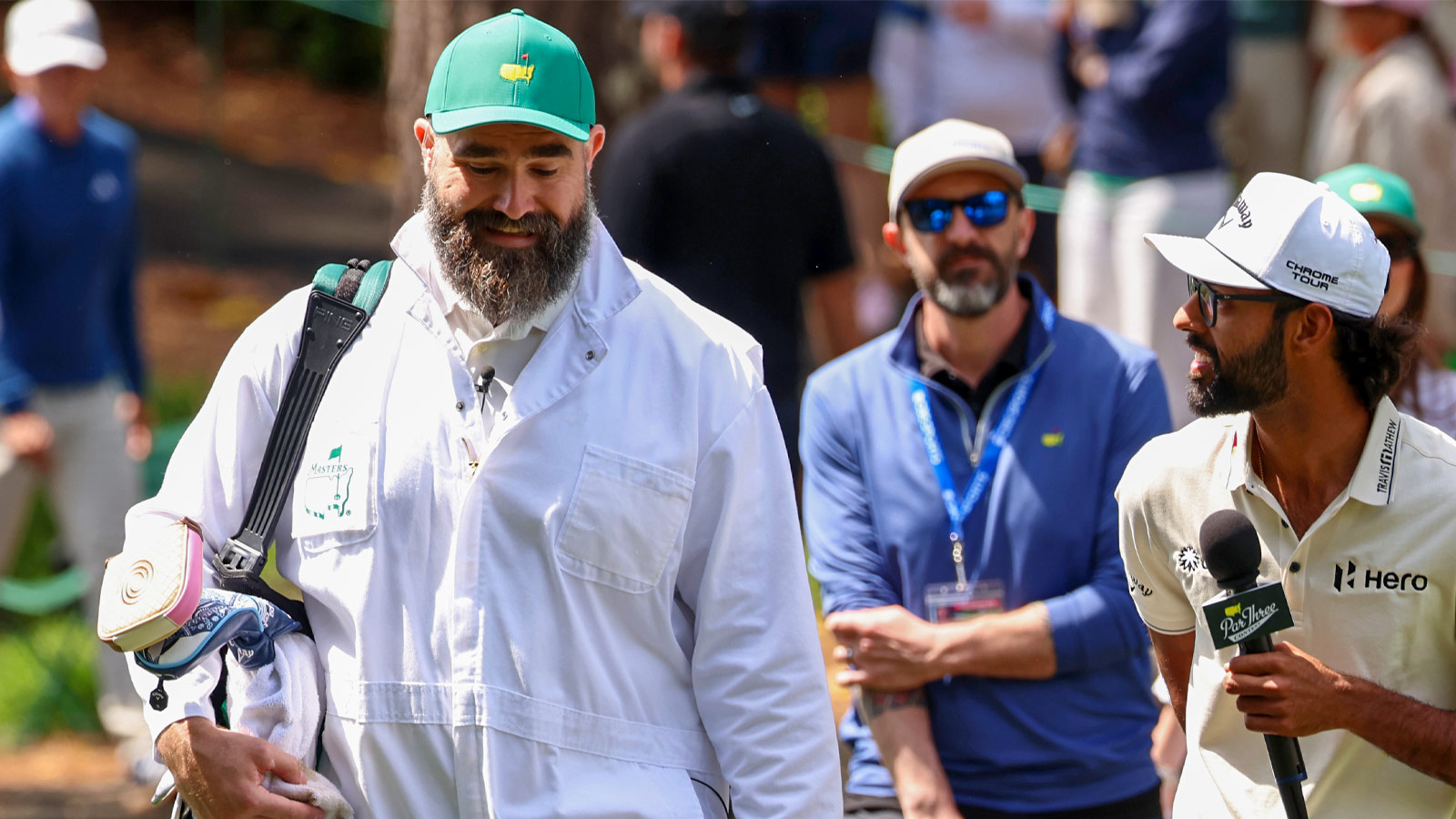
In boxing, you have your corner to confer with between rounds. For golf, you have your caddie. In gymnastics, coaches traverse the floor to talk to their gymnasts — often in team competition — between events. In figure skating you are truly alone out there, but never for longer than a few minutes.
For most of the history of tennis, players had nobody to talk to. Traditionally, players were expected to speak to nobody, certainly not each other and not even really the chair umpire (unless they had something really serious to discuss). They were expected to spend between two and five hours under the lights or the blazing sun often in suffocating humidity, deal with enormous pressure and suffer through the ups and down of Grand Slam tennis without a peep. Ball kids are meant to be neither seen nor heard, and with the advent of HawkEye line calls, not even the Polo Ralph Lauren-clad professional linespeople are on the court. It’s you, your opponent, and the haughty chair umpire occasionally telling the crowd to shut the hell up: “ladies and gentlemen … PLEASE.”
It wasn’t until 2025 that off-court coaching was officially allowed; Serena Williams famously erupted at a chair umpire for calling a coaching violation against her in the 2018 US Open Final against the mostly unknown Naomi Osaka, an incident that preceded a massive upset for the latter’s first major win. Players can now talk to their coaches, who are usually sitting in corner boxes in the stadiums, and they have taken full advantage. After a point, you’ll often see a player making some gesture or mouthing off about something or other. What these coaches are actually saying I’ll never quite understand: versions of “you got this!” maybe? Perhaps the occasional “play your game” or “execute!” would help? Of course, actual tactical information like “you should try charging the net more because she can’t handle cross-court volleys” is probably not the best idea since, ya know, she can hear you.
But of course, tennis at the US Open is never quite as lonely as it seems. I’ve been going to the tournament in person since I was five years old, and even the hottest, longest, most suffering-filled matches don’t leave the players to their own devices. The crowd, which for big matches packs into Arthur Ashe Stadium, the largest in tennis, is very much on top of the court. They adopt players they’ve never heard of and reward tremendous effort with adoring cheers. Rarely, a player will demand more from the crowd, like Novak Djokovic did when facing three match points against Roger Federer in a semifinal I was at. Djokovic saved all three and won the match, of course.
The closest thing to tennis in terms of isolation is probably competitive marathoning. Anyone who has ever seen a race covered on TV will note that the leaders can sometimes be so far ahead there is literally no one else in sight. But they’re still not alone. At least here in Boston, there isn’t a step of the marathon route where spectators aren’t cheering you on. The US Open fans are similar in that they aren’t just there to watch; they’re there to help.
Tennis is a strange sport in that crowds actually have specific expectations for their noise level. It is utterly taboo to make noise when a player is about to serve, nor is it allowed to scream, jeer, or to have too much fun in any way. My thoughts on this are … mixed, but it does create a strangely participatory structure. Sometimes, crowds that are firmly for one player will break the etiquette rules in an effort to sabotage the other, screaming out during serves or just generally making too much noise. This is not in particularly good taste, but it very much happens! On smaller, outer courts, where the noise police aren’t nearly as overbearing, it happens on an even more scandalous level.
There’s also rarely a rooting interest going in, unless an American is playing, leaving the crowd wide open to root for whoever can win them over faster. Sometimes an underdog fights harder than expected and gets points for that. Other times a great player plays to the crowd directly and blows an upstart out of the water. It really can go either way.
Yes, tennis can feel isolating, but the players who know it actually isn’t can do great things at the US Open. Honey Deuces in hand, New York crowds can swing matches — I’ve seen it — and it strangely brings us all together in a sport that puts a wall between its players. And every match ends the same way: a handshake over the net before the winner launches signed tennis balls to their fans. And they say sports aren’t romantic.
What's Your Reaction?
 Like
0
Like
0
 Dislike
0
Dislike
0
 Love
0
Love
0
 Funny
0
Funny
0
 Angry
0
Angry
0
 Sad
0
Sad
0
 Wow
0
Wow
0