






-(1).jpeg)

2 key Bears struggling early during 2026 NFL training camp
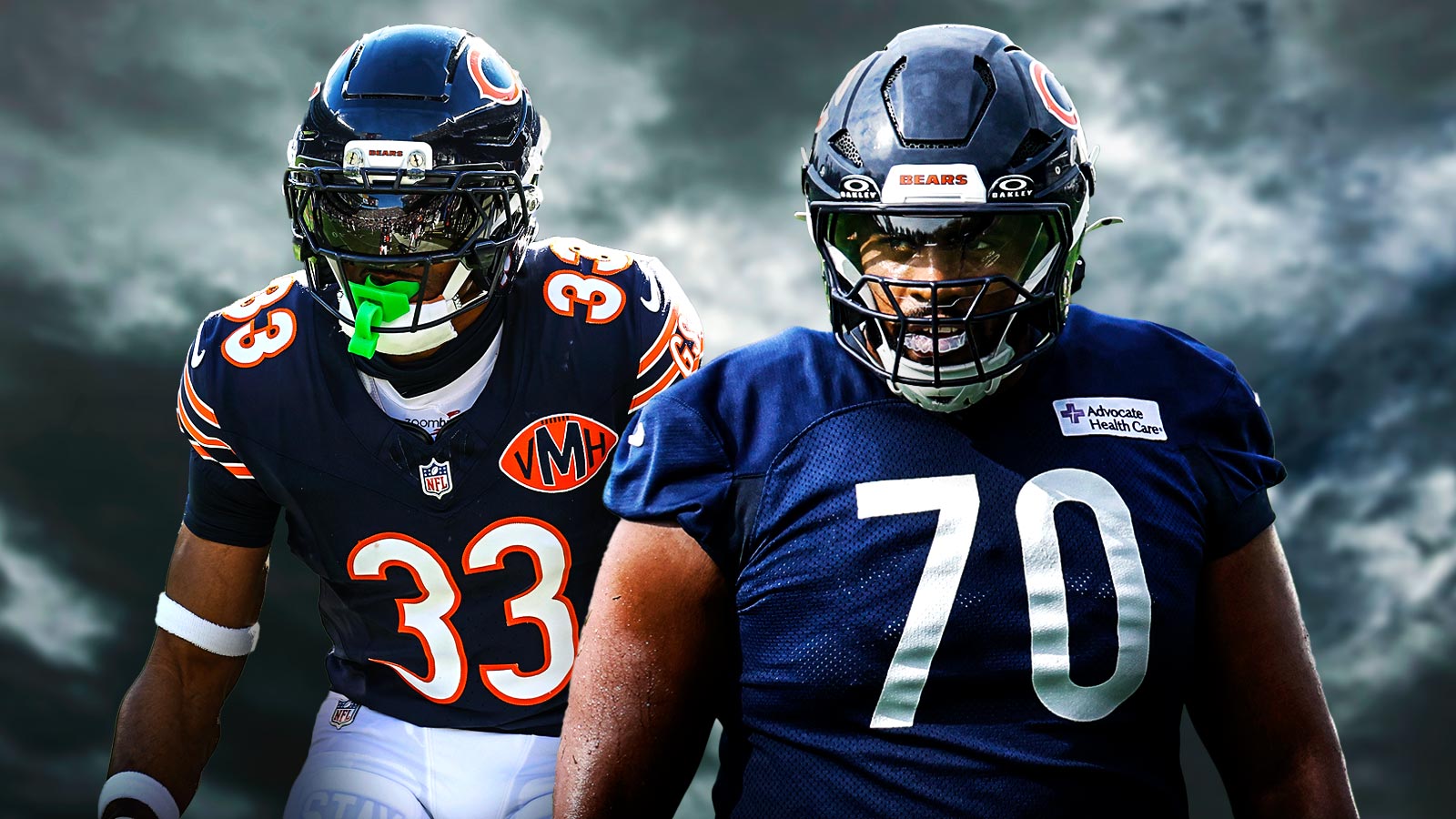
Championship expectations have a way of exposing weaknesses. The Chicago Bears are facing this right now. After building one of the NFL’s deepest rosters around quarterback Caleb Williams, the Bears entered Halas Hall believing they possessed all the ingredients necessary to challenge for a Super Bowl. The talent is undeniably there. However, the first week of padded practices has served as an important reminder that even elite rosters have questions to answer. Two areas have generated far more concern than excitement. One involves protecting the franchise quarterback’s blind side. The other centers on communication in a retooled secondary.
Fierce competition
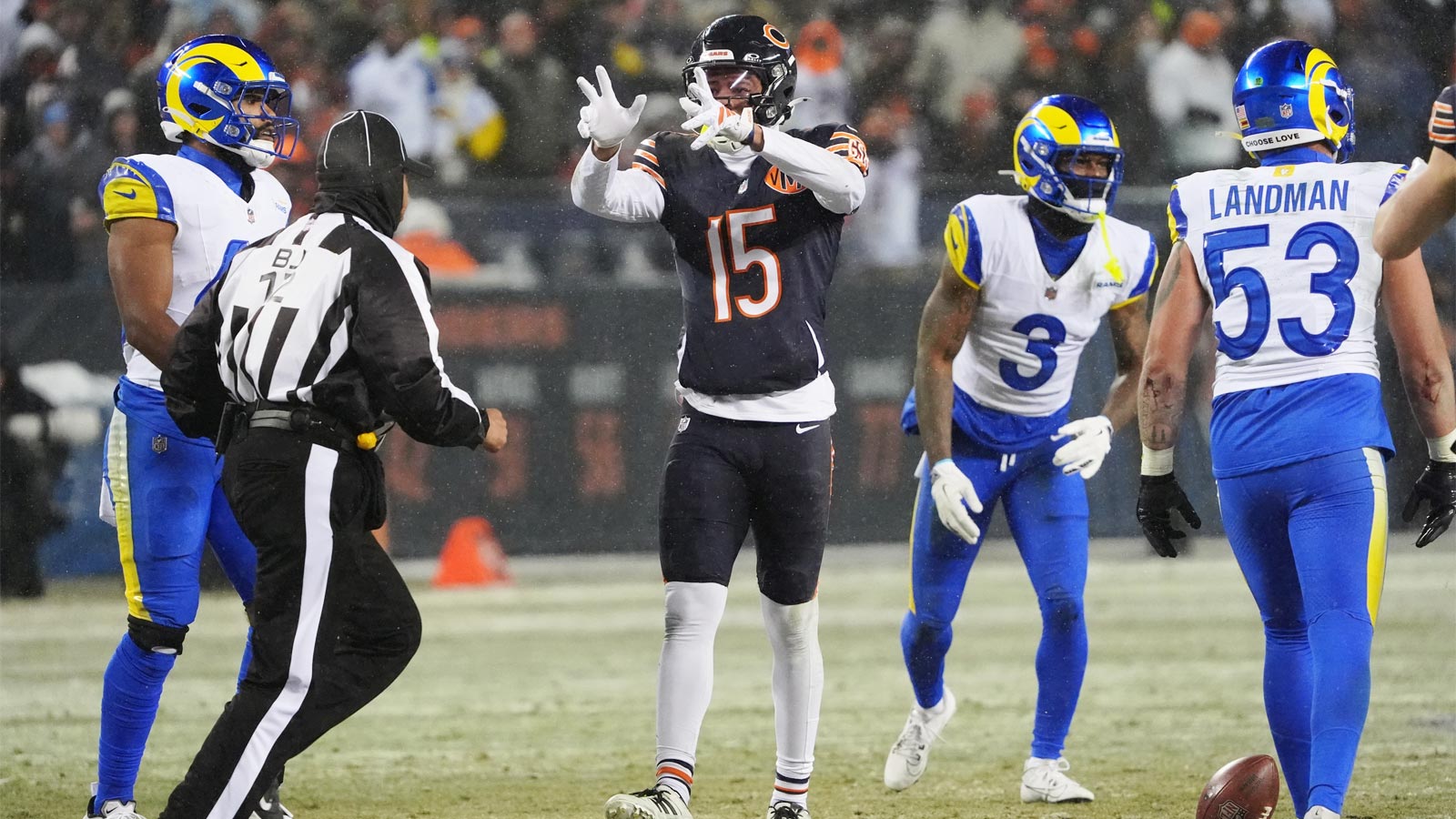
Chicago’s hyperactive 2026 offseason was built around raising the talent floor and ceiling across every position group. General manager Ryan Poles traded star wide receiver DJ Moore to the Buffalo Bills. The move created valuable salary cap flexibility and opened a clear path for Luther Burden III and Rome Odunze to become featured weapons.
The front office remained equally aggressive in free agency. Veteran linebacker Devin Bush arrived to strengthen the second level of the defense. Versatile defensive back Coby Bryant and hard-hitting safety Cam Lewis added competition and flexibility to the secondary. Neville Gallimore further reinforced the defensive front.
As training camp opened before packed crowds at Halas Hall, the intensity immediately reflected those investments. Position battles have become more competitive than they have been in years. Every snap carries significance because every unit features legitimate challengers capable of climbing the depth chart. That heightened competition has also magnified the struggles of players and position groups still trying to establish consistency before preseason games begin.
OL Braxton Jones
With Ozzy Trapilo still recovering from a knee injury, Braxton Jones entered camp with an ideal opportunity to reclaim the starting role protecting Williams’ blind side. Instead, the opening stretch of camp has produced inconsistent results. During team drills and full-speed 11-on-11 sessions, Jones has experienced difficulty consistently handling speed rushers attacking the .
That presents a significant issue in Ben Johnson’s offensive system. Johnson’s scheme relies heavily on requiring quarterbacks to trust the pocket. Caleb Williams thrives when he can climb comfortably, reset his platform and allow intermediate routes to develop. When the left tackle loses early in the rep, that rhythm disappears. Instead of progressing naturally through reads, Williams is forced to drift laterally or accelerate his internal clock. Even if those plays avoid sacks, they reduce the efficiency and structure of the offense.
Of course, Jones still possesses qualities the Bears value. His athleticism allows him to mirror defenders in space. He has also shown throughout his career that he can compete against quality pass rushers.
The issue has been consistency. His footwork has occasionally appeared slow against explosive edge speed. His anchor has not always held up against power rushes that transition inside after the initial move.
Meanwhile, competition continues to intensify. Kiran Amegadjie has received additional opportunities. Veteran Jedrick Wills Jr remains firmly in the conversation for meaningful snaps. The coaching staff has made it clear that starting jobs will be earned rather than awarded.
Secondary chemistry
Chicago’s revamped secondary entered camp expected to become one of the defense’s greatest strengths. Instead, the opening practices have revealed communication issues that remain a work in progress.
The physical talent is obvious. Jaylon Johnson continues to anchor the cornerback room. Offseason additions Coby Bryant and Cam Lewis have expanded the unit’s versatility. Dillon Thieneman’s arrival also injected range and playmaking ability into the safety position.
Putting those pieces together has required time. During 7-on-7 drills and full-team periods, the secondary has occasionally struggled with pre-snap communication and post-snap adjustments. That has led to blown coverages and explosive completions across the middle of the field. Those breakdowns reflect the challenge of integrating new personnel while learning Dennis Allen’s defensive terminology and responsibilities.
The temporary absence of slot defender Kyler Gordon has only complicated that process. Without one of the unit’s established communicators available, responsibilities have shifted throughout the secondary. This has forced players into unfamiliar combinations.
That reality has already surfaced during camp, where Williams and Chicago’s talented receiving corps have taken advantage of late coverage rotations to generate chunk gains. Fortunately for the Bears, communication issues are among the most correctable problems.
Every practice rep builds familiarity, and every meeting strengthens communication. Each preseason game offers another opportunity to sharpen execution before meaningful football begins.
Early struggles
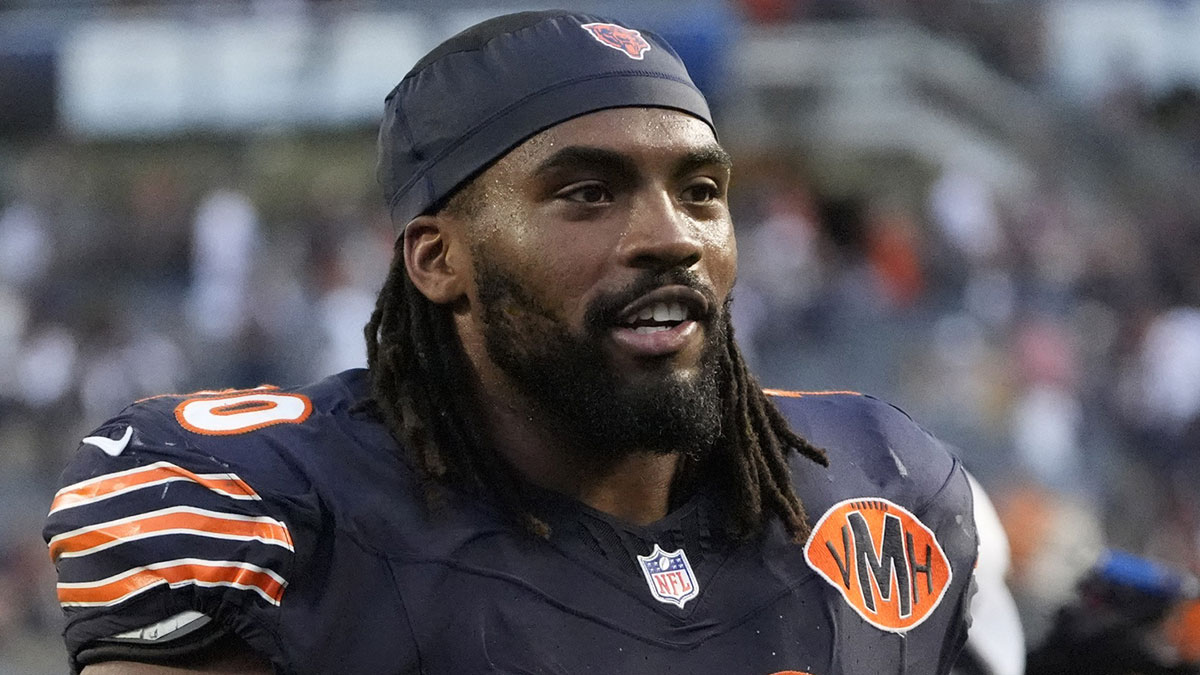
Braxton Jones has ample opportunity to stabilize the left tackle competition. Likewise, the Bears’ secondary possesses too much talent to remain vulnerable.
If anything, these early struggles reinforce the value of Chicago’s aggressive offseason. Because the roster is deeper than it has been in years, underperforming players face immediate competition rather than guaranteed roles. That internal pressure should elevate the overall quality of the football team.
The post 2 key Bears struggling early during 2026 NFL training camp appeared first on ClutchPoints.
What's Your Reaction?
 Like
0
Like
0
 Dislike
0
Dislike
0
 Love
0
Love
0
 Funny
0
Funny
0
 Angry
0
Angry
0
 Sad
0
Sad
0
 Wow
0
Wow
0