







Why $182 million is most Pistons should pay Jalen Duren after historic playoff flop

The Detroit Pistons finally arrived this season. After last year’s already impressive run to the postseason, Detroit transformed itself into a legitimate Eastern Conference powerhouse built around ascending young stars. Much of that rise was fueled by the emergence of big man Jalen Duren. He spent the regular season bulldozing opposing frontcourts and establishing himself as one of the league’s most physically imposing centers. For months, a maximum rookie extension felt inevitable. Then the playoffs happened.
Suddenly, the Pistons are staring at one of the most uncomfortable financial decisions of the entire offseason. How much money do you commit to a player whose postseason collapse exposed glaring limitations under the brightest lights?
Elite standard, postseason cliff
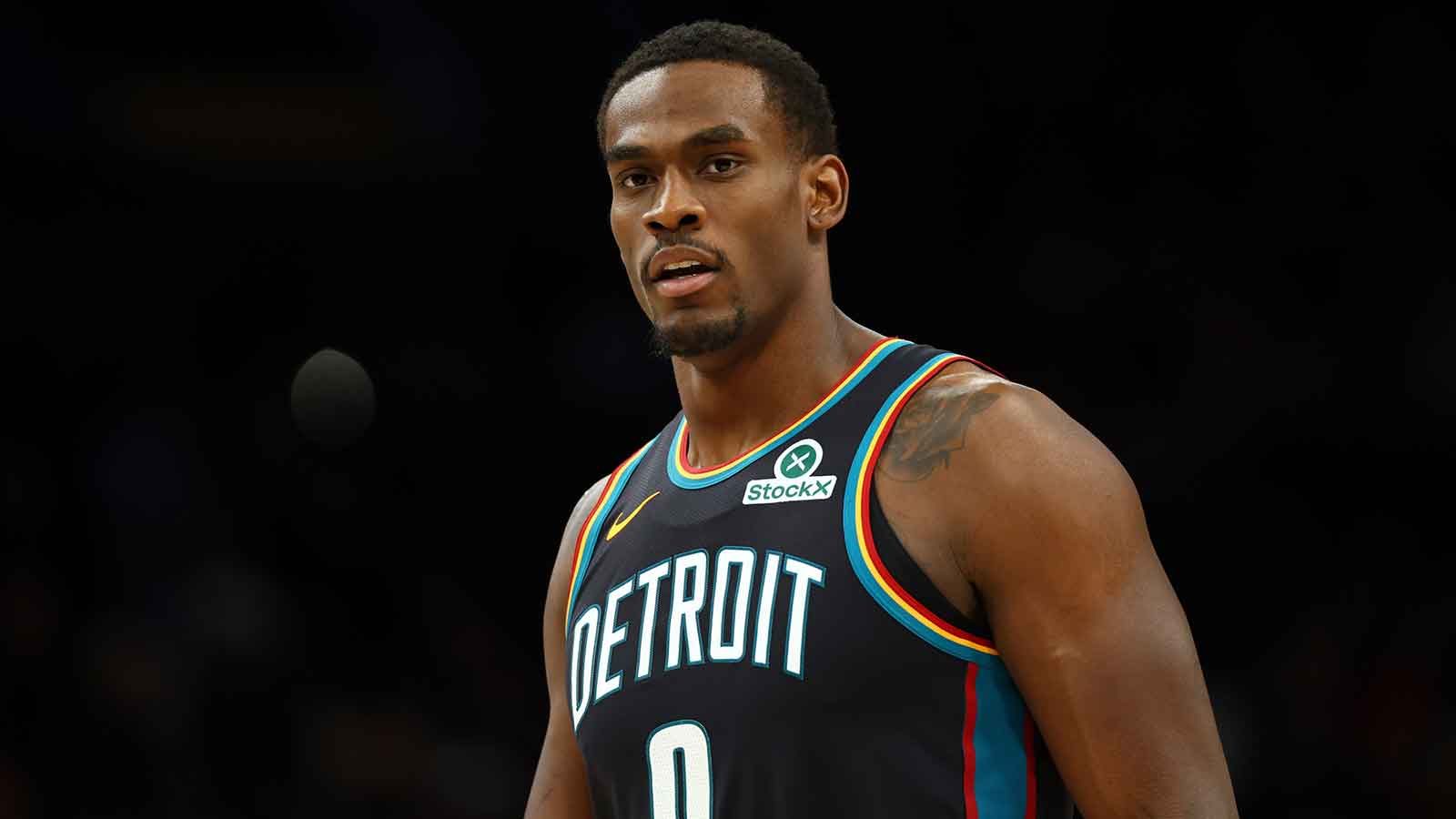
Throughout 70 regular season games, Duren looked every bit like a future franchise cornerstone. He dominated the paint with relentless rebounding and elite finishing efficiency. Duren averaged 19.5 points and 10.5 rebounds while posting an outrageous 68.8 true shooting percentage.
More importantly, his impact translated directly into winning basketball. Detroit secured the top seed in the Eastern Conference behind the trio of Duren, Cade Cunningham, and Ausar Thompson. Duren earned his first All-Star selection and even generated legitimate All-NBA Third Team buzz. At that point, the conversation surrounding his extension seemed simple. The Pistons appeared headed toward offering a designated rookie max contract without hesitation.
Then the postseason exposed everything. Across 14 playoff games against the Orlando Magic and Cleveland Cavaliers, Duren’s production collapsed dramatically. His scoring dropped to 10.2 points per game while his efficiency cratered to a 55 true shooting percentage. According to historical postseason trends, it represented the steepest scoring decline by an All-Star player since Elgin Baylor in 1969.
The low point came in Game 5 against Cleveland. Duren’s inability to secure defensive rebounds and defend in space forced head coach Monty Williams to pretty much bench him in favor of Paul Reed. That is not something teams forget when discussing a quarter-billion-dollar investment.
What Detroit can legally offer
The financial complexity surrounding Duren’s extension is directly tied to whether he earns All-NBA honors. Based on the NBA’s projected $165 million salary cap for the 2026-27 season, Detroit technically has two entirely different extension pathways available.
The standard rookie max
If Duren misses out on an All-NBA selection, he qualifies for the standard rookie max extension. That’s reserved for players with zero-to-six years of experience. That deal would begin at 25 percent of the salary cap.
Starting salary: $41.25 million
Total contract: 5 years, $239.2 million
Even without All-NBA recognition, this would still represent a franchise-defining commitment for Detroit.
“Derrick Rose Rule” max
If Duren sneaks onto an All-NBA team based largely on his regular-season dominance, he becomes eligible for the designated rookie extension commonly known as the “Derrick Rose Rule.” That would elevate his salary to 30 percent of the cap.
Starting salary: $49.5 million
Total contract: 5 years, $287.1 million
That number is staggering for a center who became borderline unplayable in crunch-time playoff situations. And that is precisely why Detroit cannot blindly hand him the maximum.
Detroit’s ceiling
The Pistons would essentially be bidding against themselves if they immediately handed Duren a full max extension this summer.
Under the NBA’s new punitive apron structure, giving a limited offensive center over $40 million annually is an enormous roster-building gamble. Detroit still needs long-term flexibility to eventually pay Cunningham, Thompson, and the rest of its young core. Handing Duren a blank check after one disastrous postseason could cripple the franchise’s ability to maintain sustainable depth.
With that, the smarter approach is leverage. Detroit should aggressively pursue a compromise extension modeled similarly to deals signed by players like Immanuel Quickley. That means high-end money without fully maxing out the contract structure. A five-year deal in the $150 million to $165 million range would still reward Duren as one of the league’s better young centers. It would also protect Detroit from catastrophic long-term downside.
Market decides
That said, perhaps the best option is allowing the market to establish his value organically.
Because Duren is a restricted free agent, the Pistons possess enormous leverage. If a cap-space team such as the Brooklyn Nets or Chicago Bulls decides to aggressively pursue him, the maximum outside offer sheet would likely land around four years and $182 million due to smaller annual raises without Bird rights.
That number should be Detroit’s absolute limit. At roughly $45 million annually, the Pistons could still justify matching because the shorter structure preserves slightly more future flexibility. More importantly, it forces another organization to set the market rather than Detroit negotiating against its own fear of losing a talented young player.
Projection over emotion
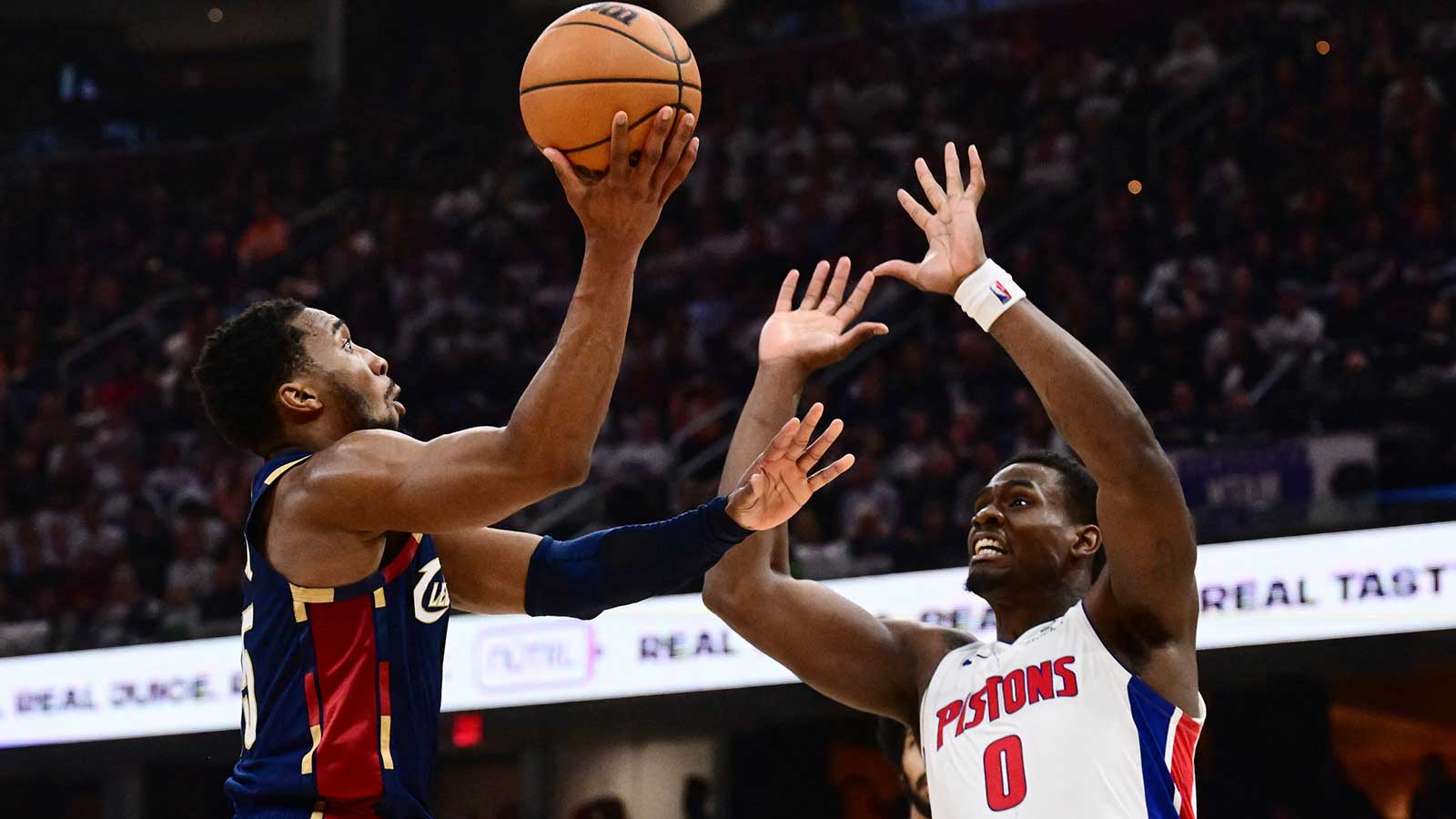
Duren is still immensely talented. He remains one of the NBA’s most explosive young interior players. He is only beginning to scratch the surface offensively. One ugly postseason should not erase an entire year of elite production.
Still, playoff basketball matters differently. The Magic and Cavs exposed weaknesses in Duren’s game that teams will continue targeting. Rim-running centers who struggle defensively in space become dangerous financial gambles under modern salary cap rules. Detroit cannot ignore that reality simply because Duren made an All-Star team.
The Pistons have spent years carefully rebuilding toward sustainable contention. Emotional overreactions can destroy that progress just as quickly as poor drafting ever did. Of course, Duren still deserves a massive payday. However, that payday should not force Detroit to relive this same conversation every postseason for the next half decade.
The post Why $182 million is most Pistons should pay Jalen Duren after historic playoff flop appeared first on ClutchPoints.
What's Your Reaction?
 Like
0
Like
0
 Dislike
0
Dislike
0
 Love
0
Love
0
 Funny
0
Funny
0
 Angry
0
Angry
0
 Sad
0
Sad
0
 Wow
0
Wow
0