











Jets’ 53-man roster prediction for 2026 NFL season

The New York Jets actually look like they have some genuine momentum. After dropping their preseason opener to Tampa Bay, Aaron Glenn’s team responded with a statement performance in Pittsburgh. Suddenly, the competition for roster spots feels considerably more consequential. Geno Smith has already demonstrated that the offense can operate efficiently under Frank Reich. There defense has generated pressure and turnovers. With one preseason game remaining against the Giants, the Jets must separate legitimate contributors from temporary summer standouts. This will determine which 53 players give them the best chance to compete when the games finally count.
Jets gaining momentum
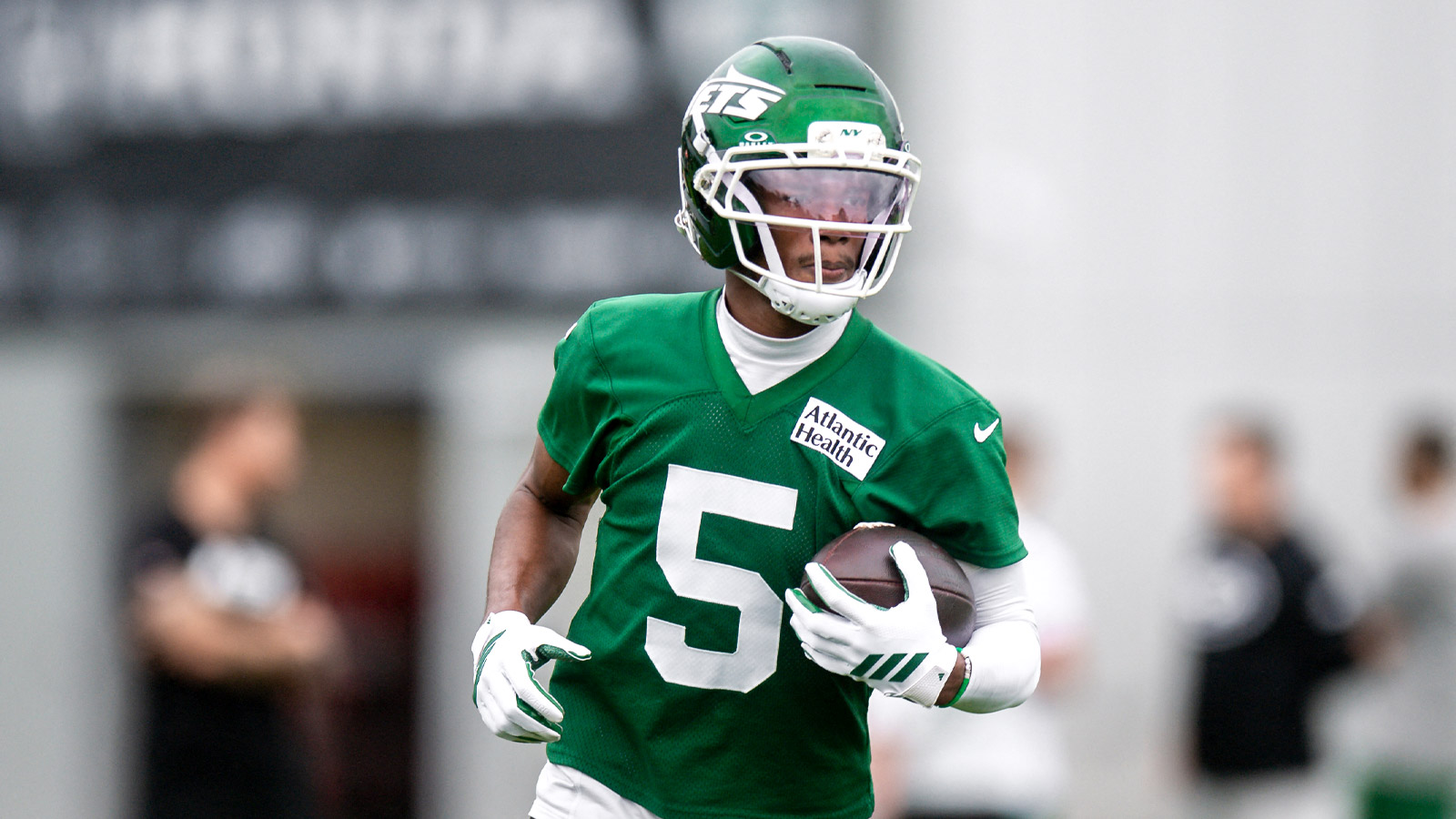
The Jets sit at 1-1 through two preseason games. They recovered from a 24-16 home defeat against Tampa Bay with a dominant 17-0 shutout of Pittsburgh at Acrisure Stadium. The encouraging response has given Glenn’s revamped squad some much-needed confidence. Smith was particularly impressive in his preseason debut. He completed all seven of his passes on a touchdown drive while operating Reich’s offense with efficiency and rhythm. Meanwhile, the defense overwhelmed Pittsburgh with four sacks and two takeaways. That offered a glimpse of the aggressive identity Glenn wants to establish. The Giants now provide the final measuring stick before New York must finalize its 53-man roster.
Offensive Playmakers
Quarterback (2): Geno Smith, Cade Klubnik
Smith has the experience and accuracy to serve as the unquestioned starter. His early preseason performance reinforced why the Jets believe he can provide stability. Reich’s system should allow Smith to operate from structure while taking advantage of his ability to make quick decisions. Klubnik earns the backup spot. He gives New York a developmental option with enough mobility to expand the offense when necessary. The Jets ultimately cannot afford to devote a third roster spot to the position.
Running Back (5): Breece Hall, Braelon Allen, Isaiah Davis, Kene Nwangwu, Andrew Beck
Hall remains the centerpiece because of his home-run potential. The Jets have every reason to maximize his touches. Allen provides physicality and complementary early-down work. Davis gives the team another capable runner. Nwangwu’s value extends beyond the backfield because of his special-teams ability. Beck’s fullback versatility makes him particularly useful in short-yardage packages. It is an unusually deep group, but every member offers a distinct role.
Wide Receiver (6): Garrett Wilson, Adonai Mitchell, Omar Cooper Jr, Tim Patrick, Arian Smith, Isaiah Williams
Wilson should remain the primary target in Reich’s passing attack. His ability to win at multiple levels gives Smith a reliable option. Mitchell brings size and vertical ability. Patrick supplies veteran experience and contested-catch reliability. Cooper and Arian Smith add explosiveness. Williams provides versatility from multiple alignments.
Tight End (3): Mason Taylor, Kenyon Sadiq, Jelani Woods
Taylor projects as an important receiving component. Sadiq adds athleticism and the ability to threaten defenses vertically. Woods provides a massive target and a useful option in the red zone.
Offensive Line
Offensive Line (9): Olu Fashanu, Dylan Parham, Josh Myers, Joe Tippmann, Armand Membou, Max Mitchell, Chukwuma Okorafor, Xavier Newman, Anez Cooper
Fashanu anchors the left side. Membou handles the right tackle position. Myers gives the interior a veteran presence at center. Parham and Tippmann complete the projected starting configuration. The depth is arguably just as important. Mitchell’s ability to play multiple positions, Okorafor’s tackle experience, and Newman’s interior versatility provide insurance against potential injuries.
Defense
Defensive line (5): T’Vondre Sweat, Harrison Phillips, David Onyemata, Jowon Briggs, Darrell Jackson Jr
Sweat and Phillips provide substantial size and power. Onyemata adds veteran savvy and pass-rushing experience. Briggs offers rotational flexibility, with Jackson providing additional depth. The objective is clear: force opposing offenses to account for the interior before they can attack the Jets’ edge rushers.
EDGE (5): David Bailey, Will McDonald IV, Joseph Ossai, Kingsley Enagbare, Nate Lynn
McDonald is the explosive pass-rushing threat capable of changing games. Bailey and Ossai provide additional pressure packages. Enagbare brings versatility and experience, and Lynn rounds out the rotation.
Linebacker (4): Demario Davis, Jamien Sherwood, Francisco “Kiko” Mauigoa, Marcelino McCrary-Ball
Davis supplies the veteran leadership and football intelligence. Sherwood complements him with athleticism and range. Mauigoa and McCrary-Ball provide younger rotational options. The Jets do not need this group to dominate statistically if the defensive line and secondary can consistently create favorable situations.
Cornerback (6): Brandon Stephens, Nahshon Wright, Jarvis Brownlee Jr, Azareye’h Thomas, D’Angelo Ponds, Qwan’tez Stiggers
Stephens provides experience on the perimeter. Wright adds another lengthy coverage option. Brownlee and Thomas give the Jets additional physicality. Ponds and Stiggers provide depth and developmental upside.
Safety (5): Minkah Fitzpatrick, Andre Cisco, Dane Belton, Malachi Moore, Samuel Womack III
Fitzpatrick gives Glenn the freedom to move him around the formation. Cisco brings playmaking ability. Belton, Moore, and Womack provide rotational and special-teams value.
Special Teams
Kicker: Jason Sanders
Punter: Austin McNamara
Long Snapper: Thomas Hennessy.
Sanders gives the Jets a proven option at kicker. McNamara handles punting and holding duties. Hennessy provides continuity at long snapper. With the rest of the roster undergoing significant transition, maintaining stability here is particularly valuable.
Final 53
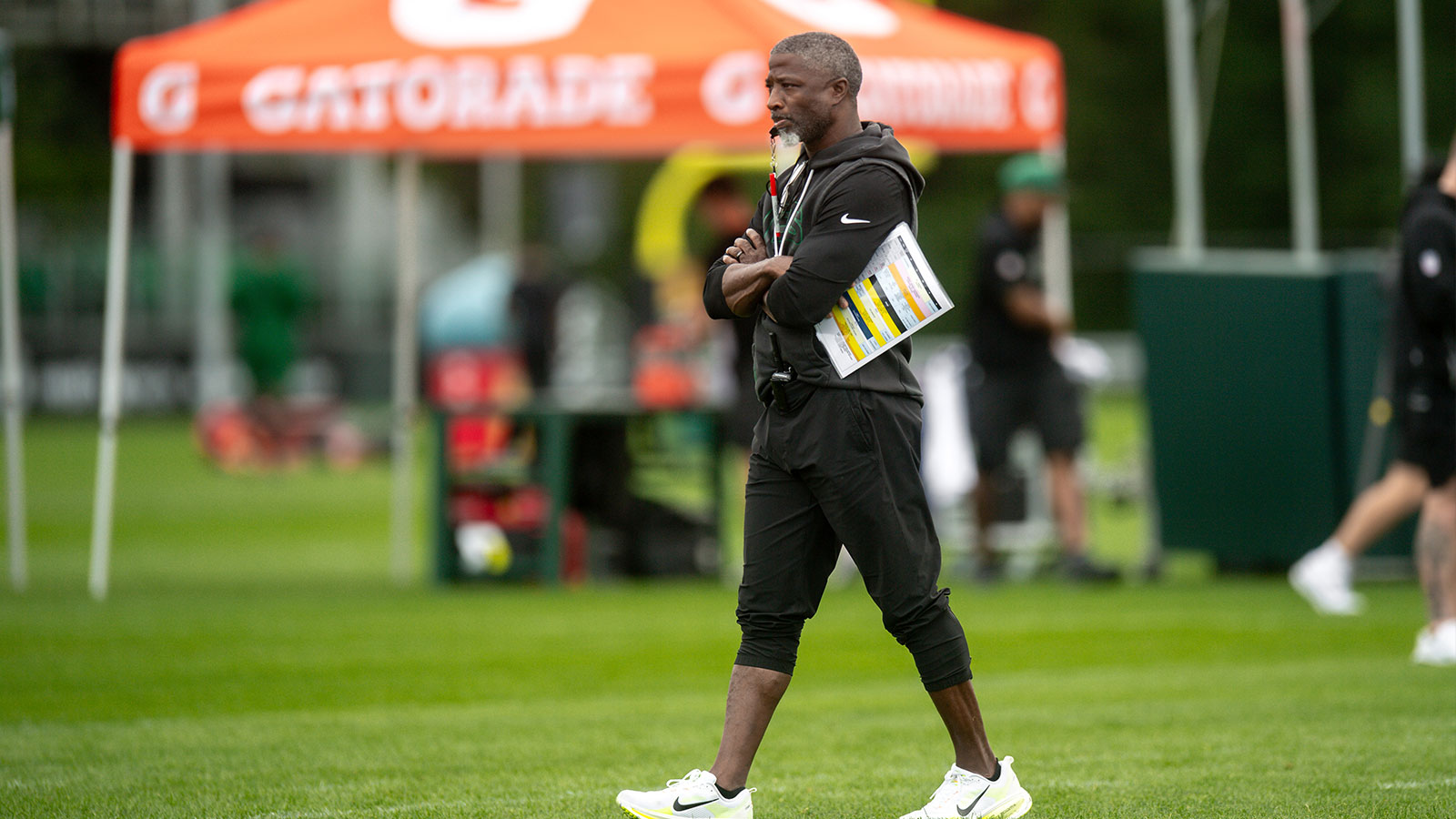
The Jets’ projected roster reflects a team attempting to establish a completely different identity. Smith and Hall provide recognizable offensive pillars. Wilson gives the passing game a legitimate focal point. The combination of Fitzpatrick, Davis, and an aggressive front gives Glenn the ingredients for a physical defense.
The biggest question is whether the depth chart can translate the optimism of August into sustained regular-season performance. For a Jets organization attempting to turn encouraging flashes into meaningful progress, the final 53-man roster may be the first real blueprint of what this new era intends to become.
The post Jets’ 53-man roster prediction for 2026 NFL season appeared first on ClutchPoints.
What's Your Reaction?
 Like
0
Like
0
 Dislike
0
Dislike
0
 Love
0
Love
0
 Funny
0
Funny
0
 Angry
0
Angry
0
 Sad
0
Sad
0
 Wow
0
Wow
0