


.jpeg)


2 sneaky Brewers’ 2026 MLB trade deadline targets to chase
The Milwaukee Brewers do not need to treat the 2026 MLB trade deadline like a shopping spree. At 49-29 and first in the NL Central, the Brewers have every reason to be aggressive, but not reckless.
That has long been the club’s model. The Brewers’ current front office wins by building depth, controlling payroll, valuing defense, and finding traits that can play up in their system. The Brewers can use another power bat and another bat-missing arm. They should not empty the top of the farm system for the most obvious name available.
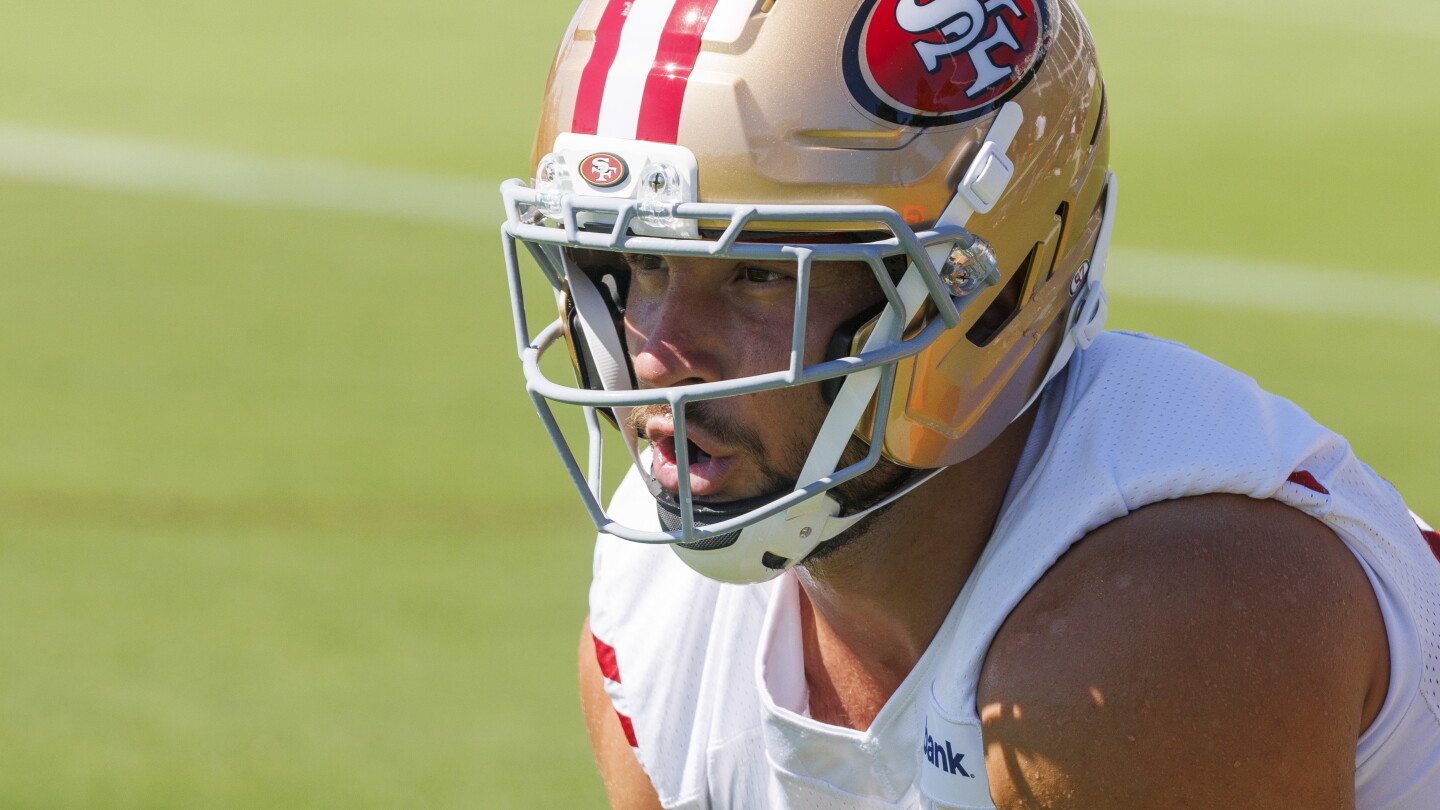
That is why Colorado Rockies catcher and first baseman Hunter Goodman and Los Angeles Angels right-hander Ryan Zeferjahn stand out as ideal deadline fits. Neither is a perfect player, but both are controllable, attainable, and built around clear carrying tools the Brewers can use right away.
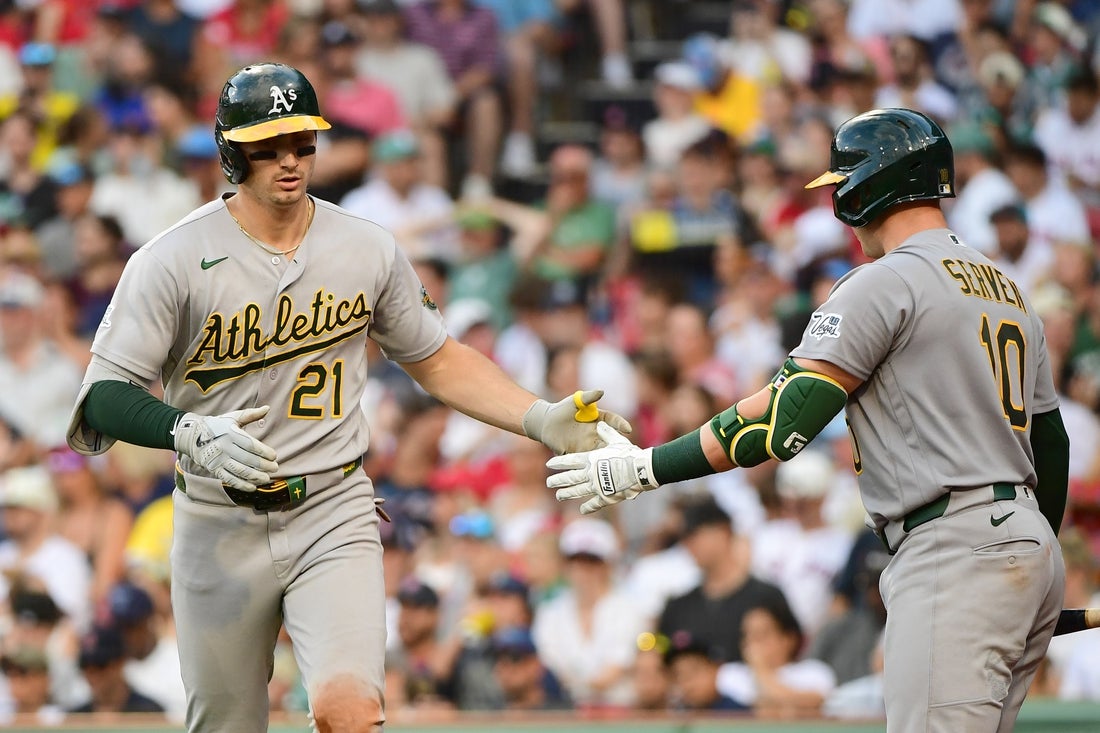
Target No. 1: Hunter Goodman, Colorado Rockies
Goodman would not be a simple deadline target. He is 26, inexpensive, and under club control beyond this season, so the Rockies would have no reason to move him casually. Goodman is affordable in salary, useful in multiple roles, and capable of helping beyond one postseason push.
The draw is power. The Rockies slugger is slashing .239 with 68 hits, 21 home runs, 39 RBIs, and 48 runs scored in 75 games, giving the Brewers the kind of right-handed thump their lineup could use. The swing-and-miss concern is real, and any Rockies hitter comes with some Coors Field skepticism. But the raw damage is not fake. The 2025 MLB All-Star has produced enough impact contact to profile as more than a park-aided slugger, and his power would immediately lengthen Milwaukee’s lineup.
That matters because the Brewers already have several ways to apply pressure. Christian Yelich, Jackson Chourio, Brice Turang, Sal Frelick, and Garrett Mitchell give the team athleticism, contact ability, and matchup flexibility, while William Contreras remains one of the lineup’s most important run producers. What the Brewers could still use is one more right-handed hitter who can punish mistakes and change a game with one swing.
The Rockies’ incentive is timing. Colorado is buried in the NL West, and controllable players with real offensive upside are the best way for a rebuilding club to bring back meaningful talent. Goodman is one of the few Rockies players who could return near major league help.
A realistic Brewers framework would start with depth close to the majors rather than the top of the system. Tyler Black’s on-base ability and defensive flexibility would make sense as part of the conversation. Pairing him with an MLB-ready arm such as Chad Patrick, or a comparable upper-minors pitcher, would match the shape of a serious offer. Milwaukee should not have to dip into its highest-end prospect tier, including Jesus Made or Cooper Pratt, to make this kind of deal.
The risk is obvious. Goodman’s swing-and-miss could become louder in October, and his defensive value depends on how much catching a contender believes he can handle. The reward is a controlled power bat who raises the Brewers’ offensive ceiling without forcing them into a rental auction.
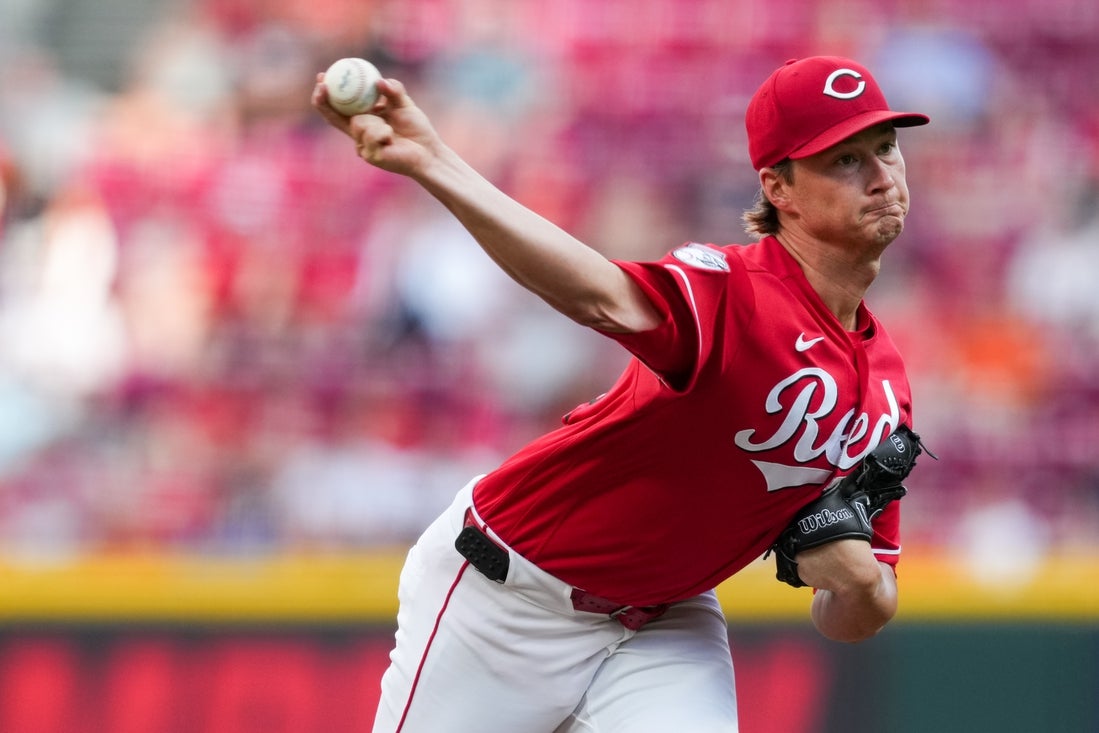
Target No. 2: Ryan Zeferjahn, Los Angeles Angels
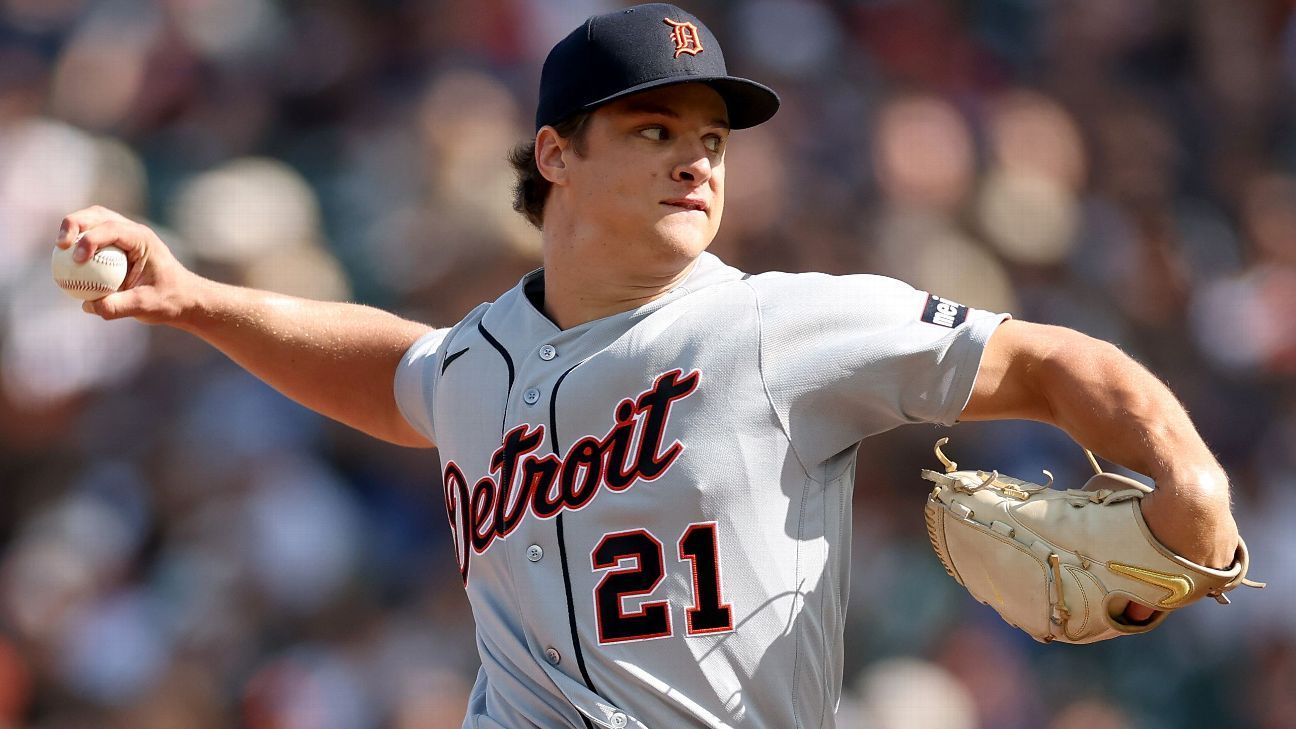
Zeferjahn is the cleaner Brewers-style target. His ERA does not scream “deadline prize,” which is exactly the point. He owns a 4.42 ERA and 1.31 WHIP across 36.2 innings, numbers that should keep him out of the most expensive reliever tier. Still, the underlying profile is more compelling.
Zeferjahn has struck out 49 hitters, good for 12.03 strikeouts per nine innings. His expected ERA sits at 3.41, and his contact indicators are better than the traditional run prevention line suggests. The walk rate is uncomfortable, but Milwaukee has rarely been scared off by imperfect command when the raw ingredients are strong enough.
The arsenal makes him a buy. Zeferjahn works with a four-seam fastball that averages in the upper 90s and has touched triple digits, along with a sweeper that gives him a legitimate bat-missing secondary pitch. That combination would give Murphy another power right-hander to deploy before Trevor Megill and Abner Uribe.
The Angels have a reason to listen. They are last in the AL West at 34-48, and while Zeferjahn is inexpensive and controllable, relievers are volatile assets. For a club trying to build toward a longer window, turning a 28-year-old bullpen arm into younger depth is defensible.
The trade cost should be real but manageable. A package built around Eric Brown Jr., a former first-round pick now at Double-A Biloxi, plus a lower-level arm would fit the general shape. Brown still offers athletic infield depth, but Milwaukee can absorb that kind of loss because its long-term infield picture has changed with Pratt’s rise.
The risk is command. October relief work leaves little margin for walks, and Zeferjahn would not arrive as a finished high-leverage weapon. But the Brewers would not need him to close. They would need him to deepen the leverage group, miss bats, and give the bullpen another arm with velocity that plays in short bursts.
Goodman and Zeferjahn are different targets, but they fit the same deadline philosophy. Goodman adds a controlled thump. Zeferjahn adds swing-and-miss stuff without the closer price tag. The Brewers’ smartest deadline path is not about making the biggest splash. It’s about finding value before the rest of the market catches up.
The post 2 sneaky Brewers’ 2026 MLB trade deadline targets to chase appeared first on ClutchPoints.
What's Your Reaction?
 Like
0
Like
0
 Dislike
0
Dislike
0
 Love
0
Love
0
 Funny
0
Funny
0
 Angry
0
Angry
0
 Sad
0
Sad
0
 Wow
0
Wow
0