


.jpeg)





2 roster moves Cubs must make after 2026 MLB trade deadline
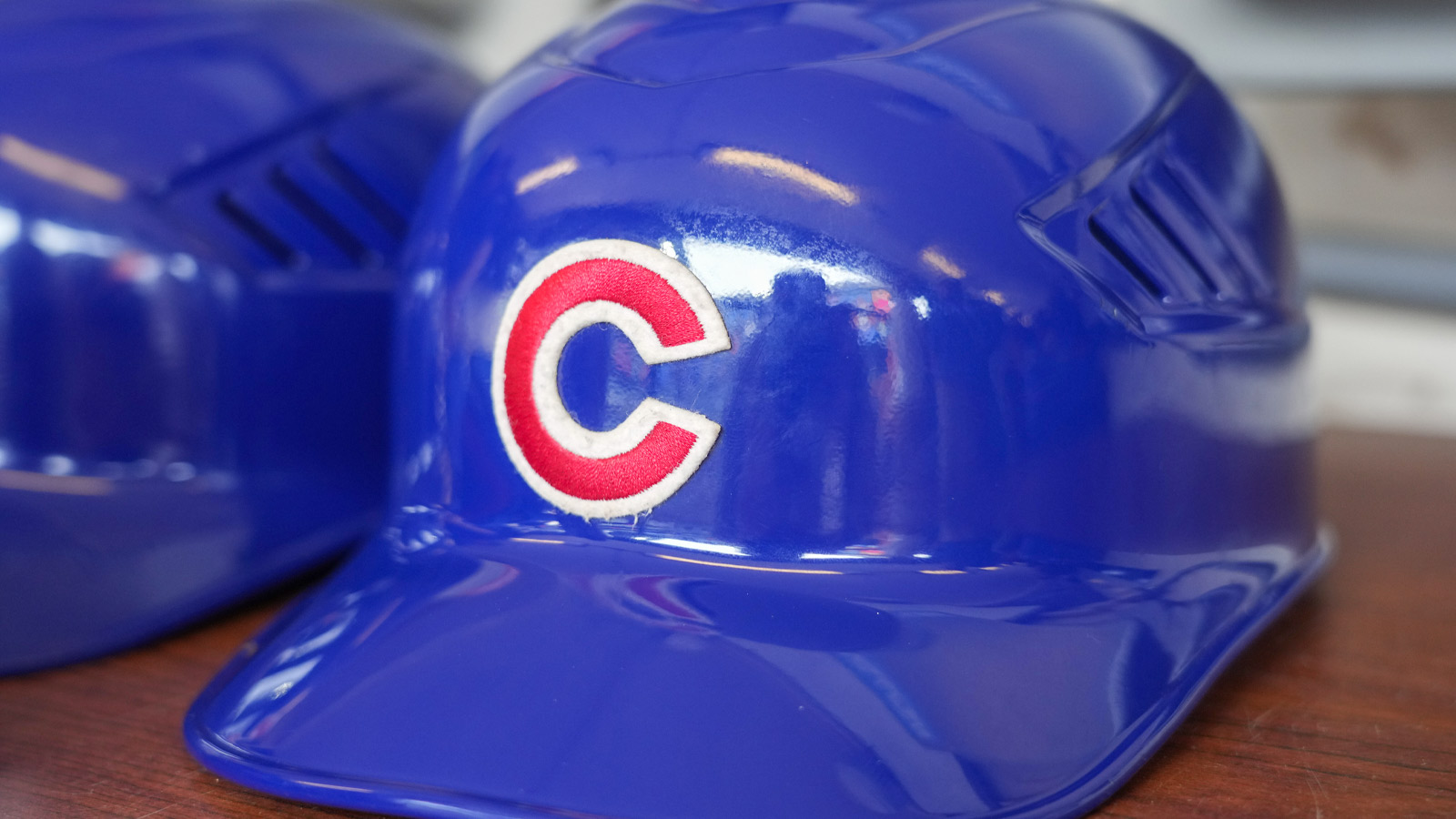
The Chicago Cubs are playing some of their best baseball, but five consecutive victories have not erased the stakes surrounding their final seven weeks. The Cubs head into Saturday at 68–49, trailing the 72–44 Milwaukee Brewers by 4.5 games in the NL Central. Chicago currently holds the National League’s top wild-card position, yet remains 2.5 games behind the Atlanta Braves for a first-round postseason bye.
The Cubs do not need to repair an offense scoring 5.1 runs per game, second-best in baseball. Its opportunity lies in turning the pitching acquired before Monday’s deadline into a defined rotation and leverage hierarchy.
Put Clay Holmes in the rotation and send Braxton Garrett to Iowa
Chicago should activate Clay Holmes, option Braxton Garrett to Triple-A Iowa, and immediately settle on Kevin Gausman, Holmes, Shota Imanaga, Matthew Boyd, and David Peterson as its five-man rotation.
The Cubs included Jefferson Rojas, one of their most valuable prospects, in the deal that brought Holmes and Tyrone Taylor from the New York Mets. That price should not determine Holmes’ role through sunk-cost logic, but it reflects why Chicago acquired him. The Cubs identified Holmes as a meaningful major-league starter, and his performance supports giving him that opportunity.
Holmes recorded a 2.39 ERA across nine starts before a fractured right fibula sidelined him in May. He then completed 5 1/3 innings on 73 pitches in his final rehab appearance before the trade. One outing does not guarantee that he can immediately handle a normal starter’s workload, so the Cubs should manage his innings without minimizing his importance.
Chicago already received an encouraging first look at its other major rotation addition Friday. Gausman allowed two runs across seven innings in a 6–4 victory over the Kansas City Royals. His debut does not erase the 4.38 ERA he produced across 23 Toronto starts, but it demonstrated why the Cubs believed his experience and secondary pitches could translate into postseason value.
The rest of the proposed rotation has earned stability. Imanaga owns a 3.60 ERA, 1.09 WHIP, and 125 strikeouts over 132 2/3 innings, while Boyd carries a 3.59 ERA. Peterson has delivered five strong starts in six appearances since joining Chicago.
Garrett can still matter to the organization without being forced into the current race. His 2.90 ERA across 15 Triple-A starts represents progress following his second Tommy John surgery, but his limited major-league work produced a 14.54 ERA. Iowa offers him the appropriate environment to continue rebuilding.
A defined rotation would also make Javier Assad and Colin Rea more useful. They could provide emergency starts, cover multiple innings, and compete for postseason bullpen roles rather than remain in an overcrowded rotation contest. Gausman, Imanaga, Boyd, and Holmes could form Chicago’s primary October group, with Peterson available according to the opponent and series format.
Holmes’ ground-ball approach also fits a defense that leads MLB in fielding run value. Chicago’s deadline haul becomes consequential only when Craig Counsell decides who receives the meaningful innings.
Give Ryan Zeferjahn the highest-leverage outs
The Cubs should deploy Ryan Zeferjahn against an opponent’s most dangerous right-handed pocket in the seventh or eighth inning while keeping Jacob Webb in the ninth for now.
This should not become a closer controversy. Webb has earned his current role with a 2.44 ERA, 58 strikeouts over 51⅔ innings, and seven saves. The Cubs can keep that stability while recognizing that the most important confrontation does not automatically occur in the final inning.
If the Brewers, Braves, or Los Angeles Dodgers send the heart of their order to the plate with runners aboard in the seventh, Chicago should not save its best bat-missing right-hander for a cleaner eighth. Zeferjahn arrived from the Los Angeles Angels with a 33.6% strikeout rate and the swing-and-miss profile Chicago lacked in its bullpen.
The right-hander also brought a 3.66 ERA and 75 strikeouts across 51 2/3 innings to Chicago. Over his final 24 appearances for the Angels dating to June 1, Zeferjahn produced a 1.38 ERA. Those results explain why the Cubs surrendered Moises Ballesteros and Mason McGwire to acquire him. The Cubs needed more than another capable reliever. They needed someone who could miss postseason-caliber bats when one ball in play could change a series.
That role would also reduce Chicago’s exposure to Caleb Thielbar in unforgiving matchups. Thielbar’s 5.30 ERA and 10 home runs allowed across 35 2/3 innings do not make him unusable, but his home-run vulnerability leaves little margin against elite hitters. Ryan Rolison can remain a matchup option, while Daniel Palencia’s eventual return from a mild flexor strain could expand the bullpen without displacing Zeferjahn from the most dangerous right-handed pockets.
Zeferjahn does not need Webb’s title to receive the biggest outs. Assigning roles by leverage instead of save situations would allow both relievers to stay in positions that suit their strengths.
The Cubs already made their investment. They have won five straight, possess one of baseball’s highest-scoring offenses, and remain close enough to pressure the Brewers. Their next advantage will come from clarity about who starts and who handles the game’s defining matchups. Postseason rosters often improve most when teams organize their best talent instead of continuing to accumulate it.
The post 2 roster moves Cubs must make after 2026 MLB trade deadline appeared first on ClutchPoints.
What's Your Reaction?
 Like
0
Like
0
 Dislike
0
Dislike
0
 Love
0
Love
0
 Funny
0
Funny
0
 Angry
0
Angry
0
 Sad
0
Sad
0
 Wow
0
Wow
0