




Wild but brilliant move Cowboys must make in 2026 NFL Draft
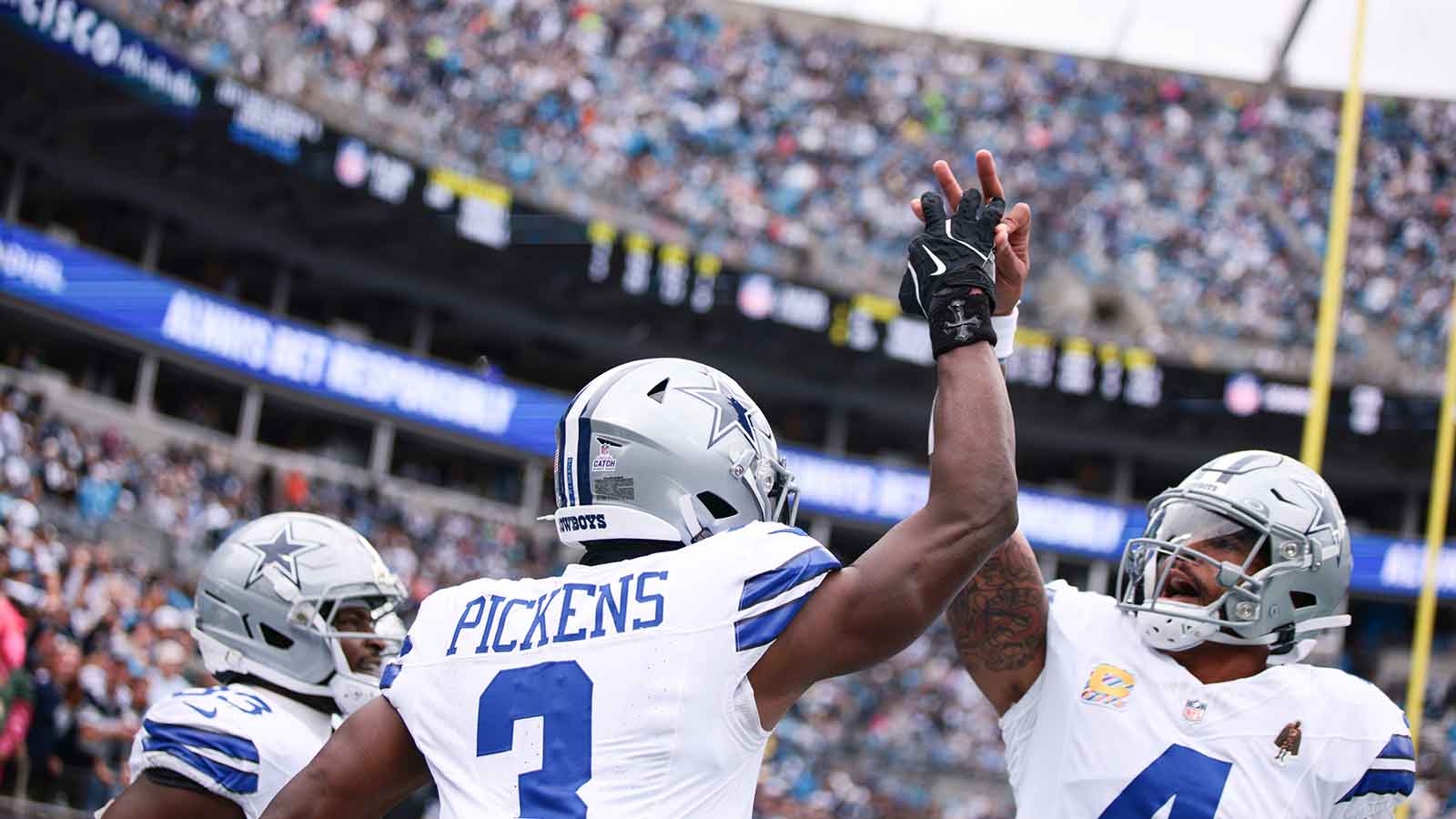
ESPN’s latest mock draft proposes an interesting strategy for the Dallas Cowboys: improve their pass rush by selecting Miami edge rusher Rueben Bain Jr. with their earlier first-round pick and then follow up with Missouri edge rusher Zion Young a few picks later. Given the offseason drama surrounding Maxx Crosby and Jerry Jones’s defense of the Ravens for walking away from a deal after the physical, it’s easy to see why conversations about the Cowboys’ draft often revolve around edge rushers. Pressure is crucial in football; elite pass rushers can change the outcome of games, and replacing them is always a smart move.
But draft rooms can run into trouble when they focus too heavily on a single storyline, and Dallas should avoid a themed first round and instead aim for a strategic one.
This distinction is crucial because one approach might make for a flashy graphic on draft night, but the other could result in a class that has sufficient depth to be meaningful throughout the weekend. Currently, the Cowboys have a total of eight draft selections, including two first-round picks, but they face a significant gap after those opening-night picks, limiting their opportunities to make impactful selections. NFL.com recently highlighted this gap as particularly concerning, given that the core of the draft class lies in the rounds where Dallas lacks extra ammunition.
Here’s an unconventional but smart strategy:
Use the first-round pick purposefully and leverage the second one, and the decision to trade down should come from recognizing that the board may flatten after the top twelve players.
With a roster that has multiple needs, the Cowboys shouldn’t enter the draft’s dead zone without a way to participate and select a real difference-maker with the first pick, then consider trading the second one to move back into the middle of the draft, where impactful selections are often made.
That’s how two first-round picks can lead to a comprehensive weekend strategy.
Turn the second first into leverage

Many fans see two first-rounders and immediately envision two superstar picks, and while this is understandable, the more relevant question for them is whether using both picks in their current spots offers the best overall outcome for their draft class.
One premium selection should be focused on pure board value and no attempts to create a narrative. If a top-tier defender is available at the twelfth slot, select him, but if a standout cornerback or a franchise-caliber tackle can greatly enhance coverage or protection, choose them instead.
The second early first-round pick should be approached differently, and it should be a leverage tool.
It provides an opportunity for them to trade down and potentially gain more talent, especially if another team is anxious about missing out on a quarterback, cornerback, or tackle. Such a move would demonstrate draft discipline.
Many first rounds are remembered as if the selection order holds ultimate importance, and it doesn’t.
Savvy teams understand a critical truth that mock drafts often overlook because player value and pick value are not the same. A prospect might deserve to go late on Thursday, but that doesn’t mean your team should make that pick if equal talent will still be available several slots later, particularly when a trade can reintroduce opportunities and give you another chance to capitalize before the top 100 picks are gone.
The Cowboys, more than most teams, should understand this lesson by now.
A look at the current draft map explains why. First, there’s an earlier premium pick, and next, there’s another slot in the back half of Round 1.
After that, there’s a long wait until the third day’s picks, and this is too much waiting for a roster that still has significant questions at edge rusher, cornerback, along the defensive interior, and arguably on the offensive line as well.
While it may feel aggressive to draft two players at one glamorous position, it risks turning the rest of the weekend into a struggle.
Build the class around the middle
This strategy becomes even more appealing here because moving back from the later opening-night slot wouldn’t require Dallas to sacrifice quality, and many drafts flatten out in the 20s and 30s, meaning the difference between staying put and sliding back can be smaller than fans expect.
What changes is access, and suddenly, the Cowboys won’t be forced to watch as a full tier of prospects disappears from the board, and another premium defender, a corner with starter potential, or an interior lineman with immediate value will become available without forcing the team to wait for seventy more picks; that’s how draft classes become coherent.
Imagine a smoother weekend.
Thursday starts with a true game-changer, someone deserving of a high selection, then the team moves back, acquiring another top-80 or top-75 pick, and maybe a bit more.
Friday opens with options instead of panic, and rather than trying to guess which needs can survive the long wait, the front office can respond as the board develops, potentially addressing cornerback, adding a defensive tackle, reinforcing the offensive line, or going back to edge rusher if the right player falls into reach.
There’s nothing against Field Yates’ double-edge strategy because it does have its logic, and building a solid wave to pressure quarterbacks and letting the defense breathe is reasonable.
However, a good concept can still lead to a poor draft plan, and too many teams get caught in “why not” thinking during the first round.
Why not take another edge rusher? Why not add a receiver? In all that enthusiasm, they often lose sight of their actual roster needs, and truly, the Cowboys can’t afford that.
A smarter approach starts with one clear principle: every premium asset must help balance the draft class. An early first-rounder already gives the Cowboys a chance to select the best available defender or the top trench player, and asking the second pick to fill a different need is strategic roster management because no team with multiple needs and a long wait ahead should feel obligated to spend both opening-night picks in one area for the sake of appearances.
There’s another hidden benefit to consider.
The fifth-year option economics aren’t equally attractive across all positions, and edge rushers, cornerbacks, tackles, and quarterbacks are solid first-round bets if they succeed. Meanwhile, guards, tight ends, running backs, and safeties present trickier calculations, and moving down can give Dallas a better opportunity to align pick value with player value without forcing itself into one category.
If the board indicates a cornerback at the end of Round 1 is the right choice, that’s fine, and if it suggests that a running back or safety is appealing, but they’re better valued, even better, and this isn’t a flashy decision.
A fan base as passionate as Dallas’ will always crave excitement, and Jerry Jones has never really built his image around modesty. Still, the best move for the Cowboys in this draft would be one that feels less theatrical in the moment but much smarter.
In a draft like this, that’s how you transform two first-rounders into a class that truly thrives.
The post Wild but brilliant move Cowboys must make in 2026 NFL Draft appeared first on ClutchPoints.
What's Your Reaction?
 Like
0
Like
0
 Dislike
0
Dislike
0
 Love
0
Love
0
 Funny
0
Funny
0
 Angry
0
Angry
0
 Sad
0
Sad
0
 Wow
0
Wow
0