





.jpeg)










The dark side of the cricket bat: Do I like T20 now?
There is a moment in Star Wars: Revenge of the Sith, a film I have watched far more times than is socially acceptable, where the tragedy of the prequel trilogy reaches its tipping point. Anakin Skywalker stands in Chancellor Palpatine's office, caught between the old order he’s sworn to protect and the seductive power of something new and dangerous. Under the frantic orders of Palpatine, he draws his lightsaber and strikes. Mace Windu falls; the Jedi Order is shattered.
As the adrenaline of the betrayal fades, Anakin sinks to his knees, eyes wide with a terrifying realisation, and whispers: "What have I done?"
For the better part of two decades, I have been a Jedi of the Five-Day format. I believe in the sanctity of the red ball, the patience of the forward defensive, and the slow, agonising burn of a session where the batting team plods along at two runs an over.
To me, T20 cricket was a cheap parlour trick; a neon-soaked heresy that threatened the very soul of the game.
And yet, every afternoon for the past month, as the final overs of the T20 World Cup flicker across my screen in the mid-afternoon light, I have found myself seduced by the dark side of the shorter format. After watching a tail-ender scoop a 145kph yorker over fine leg, or a high-stakes run chase go down to the final delivery, I feel a strange sensation coming over me that I do not usually associate with the sugar hit form of the game: I’m enjoying myself. I look at my reflection in the darkened window of my living room and whisper the same thing as Mr Skywalker: "What have I done?"
To understand why I’ve fought this conversion so hard, you have to understand where I come from. In Australia, Test cricket is a cultural inheritance. I grew up on tales of midsummer legends like Bradman and Benaud. I spent every January idolising the street-fighter grit of the Waugh brothers and the blonde, swaggering genius of Shane Warne. For us, the ultimate satisfaction is found in the slow, methodical breakdown of an opposition under a relentless, 38-degree sun.
There is a specific, almost meditative joy in watching a bowling attack spend three hours probing a single weakness until the batter’s technique, and spirit, finally cracks. I’m reminded of former Australian Prime Minister Paul Keating, a man who understood the art of the psychological squeeze. When an Opposition Leader once goaded him to call an early election, Keating famously retorted: "The answer is, mate, because I want to do you slowly. There has to be a bit of sport in this for all of us... no easy execution for you."
That, in a nutshell, is my Test cricket DNA. I am, admittedly, quite sadistic and deliberate in what I want from the game. I want a struggle. I want the ashen-faced performances Keating spoke of. I want to see a team squirm over the course of fifteen sessions. In T20, the kill is simply too quick. It’s an efficient execution, a clinical strike that leaves no room for the sport of the slow dismantle.
It’s not that I haven't tried to embrace the short form before. Back in Australia, my January evenings were often spent in a state of rhythmic channel-surfing between the Big Bash League and the Australian Open. But the BBL always felt like an unnecessary second course; the Test match was the main meal, and the T20 dessert on offer was always just a little too sweet for my palate. It was too vibrant, too loud, and it lacked the nutritional value of a day spent watching a bowling attack probe the corridor of uncertainty.
Beyond those domestic flings, my exposure was limited to the handful of T20 Internationals Australia played in time zones I happened to be awake for. I’ve never cared enough to lose sleep over the IPL; the format's premier competition still eludes my interest, and the concept of franchise loyalty feels foreign to a man raised on the baggy green.
But then, I moved to Dublin.
Living here, this World Cup has offered something I never considered: viewer-friendly time slots. For the first time, I’ve been able to fully invest as a student of the format.
Perhaps it’s my inherent love for international competition; the stakes of a flag on a jersey always outweighing the commercial sheen of a franchise. Regardless, the thrill of this specific tournament has managed to sweep me up.
.jpeg)
The first crack in my armour appeared during Nepal’s pursuit of England. Watching the minnows take Jofra Archer and Adil Rashid to the absolute brink at the Wankhede was a revelation. It wasn't luck. Lokesh Bam and Dipendra Singh Airee batted with a fearless clarity that made a world-class outfit look mortal. England escaped by four runs on the final ball, but the moral victory belonged to Kathmandu.
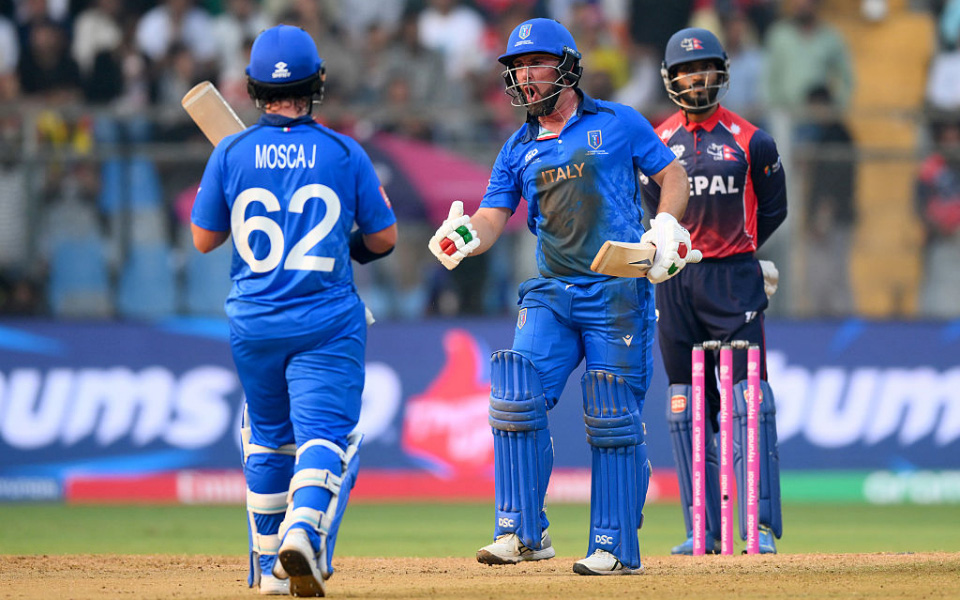
Then there was Italy. For a Test purist, the idea of an Italian cricket team is comical until you see them on the field. Their first-ever World Cup win, a dominant 10-wicket thrashing of Nepal, was a wholesome victory. The Mosca brothers, Justin and Anthony, joined in joyful embrace as they announced to the world that the game’s boundaries are expanding faster than we can track them.
-(1).jpeg)
Of course, it wouldn't be a World Cup without the suffocating drama of India vs Pakistan. The buildup in Colombo was Shakespearean: a week-long fever dream over whether the most lucrative game in cricket would go ahead. Once the Pakistani government gave them the green light, it was anti-climactic if you weren't wearing blue. Pakistan’s poor showing acted as a reminder that in this format, history means nothing if you can’t handle twenty minutes of Ishan Kishan.
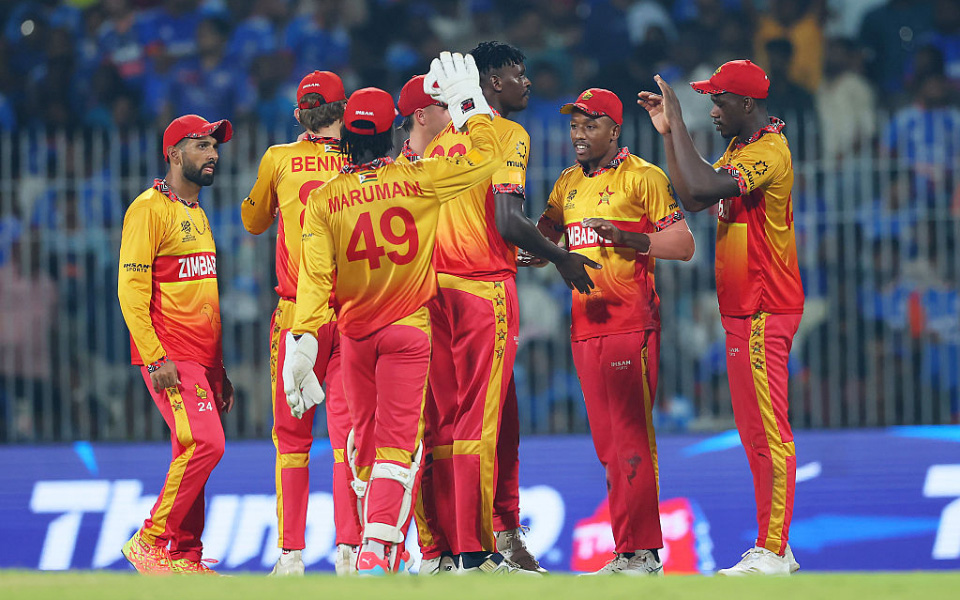
The true soul of this tournament was Zimbabwe. Their group stage run was a pure cinematic masterpiece, culminating in them topping their group and taking down a disappointing Australian side by 23 runs in Colombo. With Blessing Muzarabani bowling absolute smoke and Brian Bennett’s poise, it reminded me that the cricket gods don't care what your association’s financial turnover is. If you've got the courage to take your chances in tournament play, anything can happen.
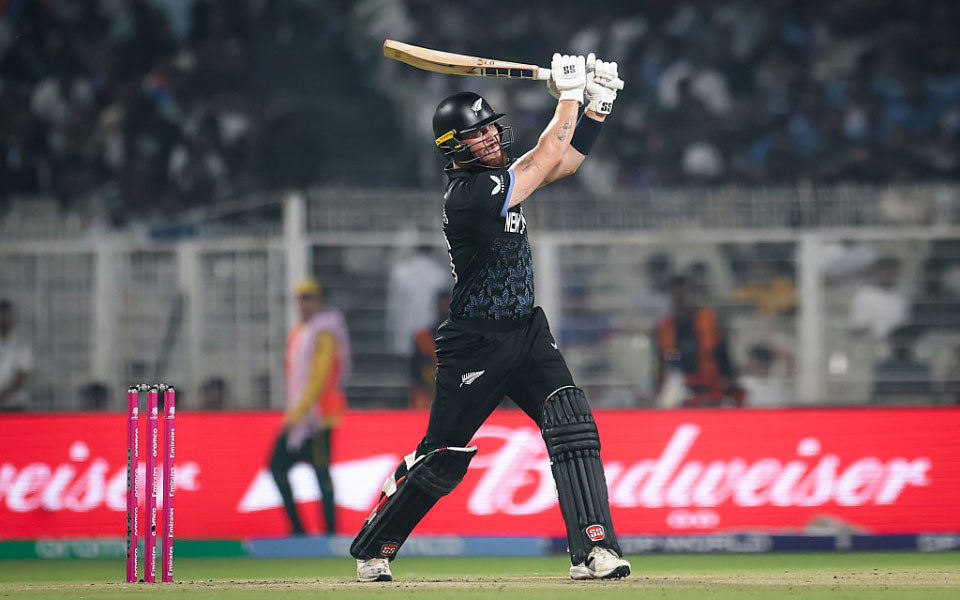
And then came the semi-final in Kolkata. If Zimbabwe was the soul of the tournament, Finn Allen was its explosive, terrifying peak. He dismantled an unbeaten South African attack with the purest, cleanest hitting I have ever witnessed. His unbeaten, record-breaking blitz felt less like a high pressure knockout match and more like a man hitting balls off a tee in his backyard. I can't recall ever seeing anything like it before.
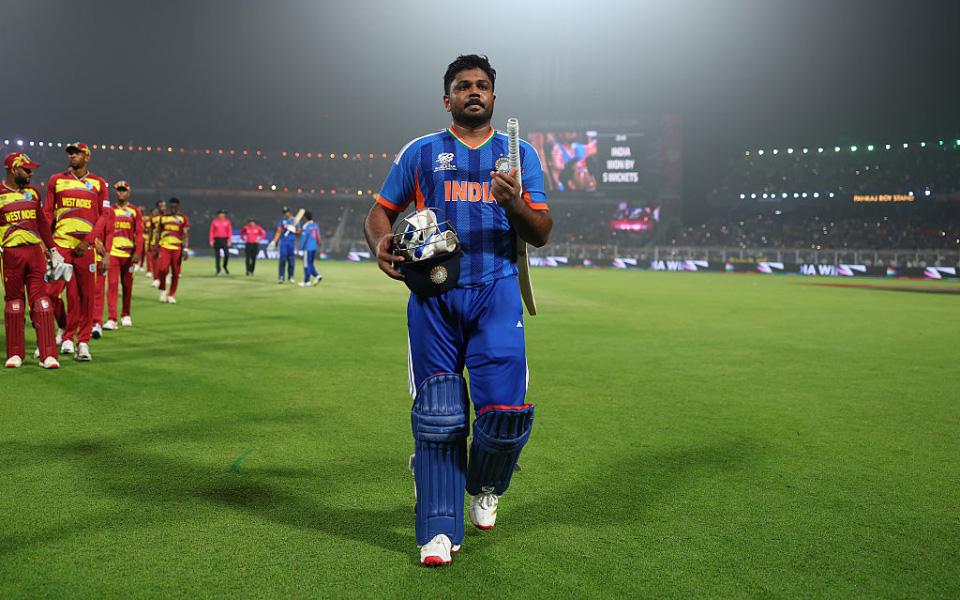
Then there was the Wankhede. India secured their place in the final, overcoming a relentless England side in a 499-run slugfest. The story was Sanju Samson. For years, Samson has been the nearly man of Indian cricket; a talent frequently left on the fringes.
After being dropped on the eve of this tournament, his recall felt like a desperate roll of the dice. Yet, following his match-winning ninety-seven against the West Indies to drag India into the knockouts, his eighty-nine off forty-two was the anchor India required to set up a massive chase for the English.

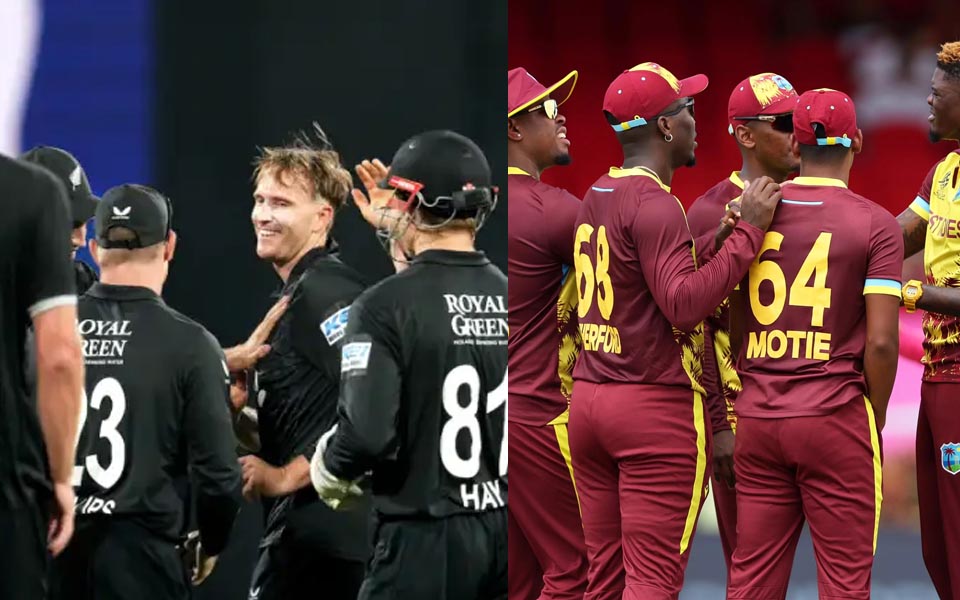
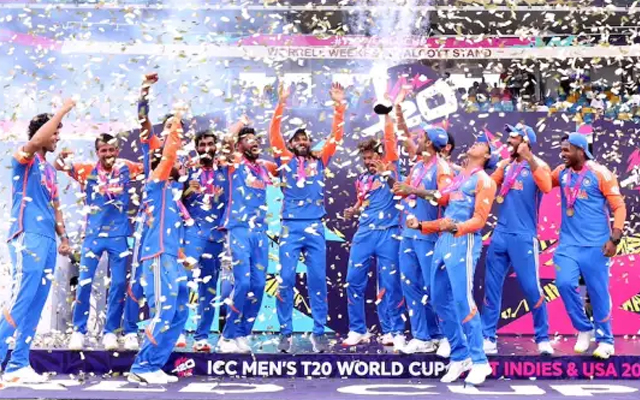
Now, all roads lead to Ahmedabad. On Sunday, Narendra Modi Stadium will host a final that promises to be an exceptional showcase of role-playing talent from both sides. It is the tactical discipline of the Black Caps against the high-octane flair of an Indian side that seems to have finally found its groove after the South Africa scare.
India will undoubtedly walk out as favourites, backed by a sea of blue and the weight of a billion expectations. But if this tournament has taught us anything, it is that you would be foolish to disregard an underdog. I find myself looking at the calendar for Sunday’s final with a feverish intensity I usually reserve for the first morning of an Ashes Test.
For me, there is a strange, liberating irony in Australia’s early exit. Usually, an ICC tournament for an Aussie fan is a predictable march toward a merciless burial of the opposition. But with Mitchell Marsh’s side falling to Zimbabwe and Sri Lanka in the group stages, I’ve been freed from the natural urge to see my team dominate. Without that emotional baggage, I’ve been able to appreciate the tournament for what it is: a beautiful, chaotic, and high-stakes drama where the giants are no longer safe.
Despite my newfound appreciation for the three-hour blast, a lingering anxiety remains. I still worry about Test cricket. I worry about its longevity, its place in a world that increasingly values the viral over the hallowed. I can imagine that purists like myself felt this same cold shiver in the 1970s and 80s. When World Series Cricket and the pyjama revolution of One Day Internationals first took hold, the establishment must have felt the walls closing in. Test cricket survived, but this time the threat feels more systemic.
The expansion of private capital into franchise leagues across every continent has created a new, undeniable gravity. We are witnessing the birth of a global empire of private ownership, where the traditional international calendar is being carved up like a map on a war table. It is a profound irony: the Test match supporters, once the undisputed establishment of the cricket universe, now find themselves in a very different role.
We have become the Rebels.
We are the ones operating from the fringes, fighting to preserve the sanctity of five-day battles that the wider market seems increasingly willing to let fade into history. I hope for a world where all three formats can coexist in a balanced Force, but I am no longer naive.
Test cricket is now the underdog. It is the scrappy, principled resistance against a franchise-led empire that has all the money, all the power, and, as I have begrudgingly discovered this month, an increasingly seductive amount of entertainment. The dark side is putting on one hell of a show.
By Tom McCluskey
What's Your Reaction?
 Like
0
Like
0
 Dislike
0
Dislike
0
 Love
0
Love
0
 Funny
0
Funny
0
 Angry
0
Angry
0
 Sad
0
Sad
0
 Wow
0
Wow
0