



![Best betting promos and sportsbooks for MLB prop bets [August 28, 2026]](https://talksport.com/wp-content/uploads/2025/05/kodymalstrom.jpg?strip=all&&w=243&&h=181&&crop=1)


.jpeg)
.jpeg)
-(1).jpeg)

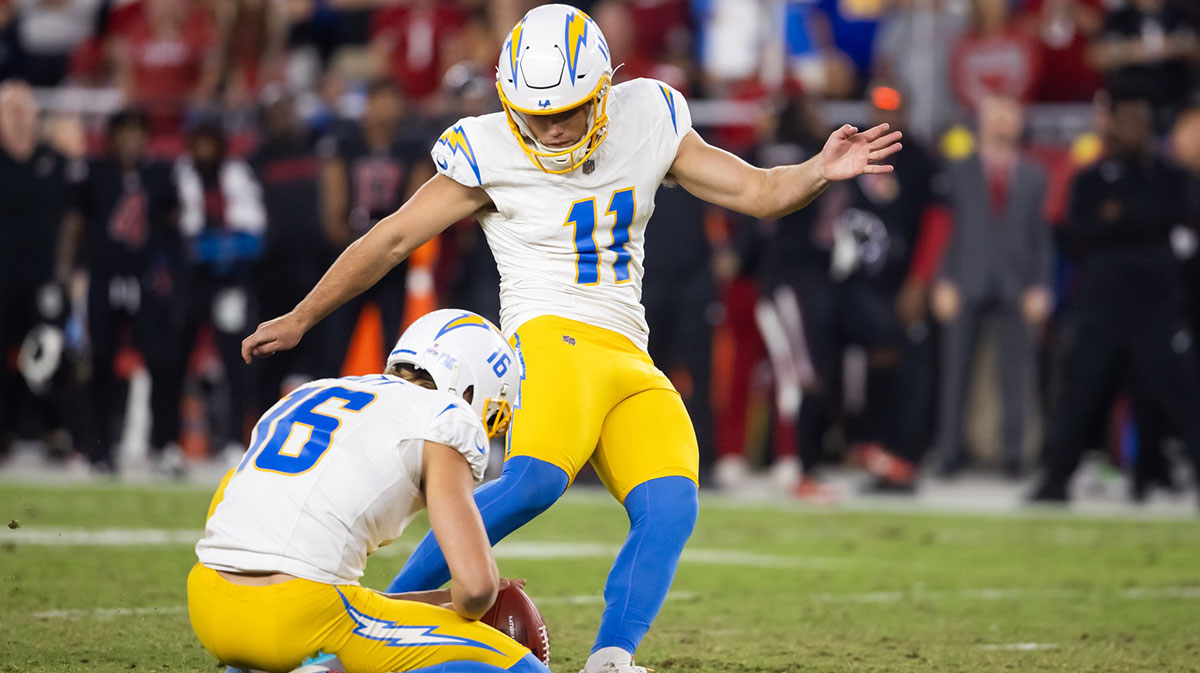

Raiders’ most agonizing roster decision looming on 2026 cutdown day
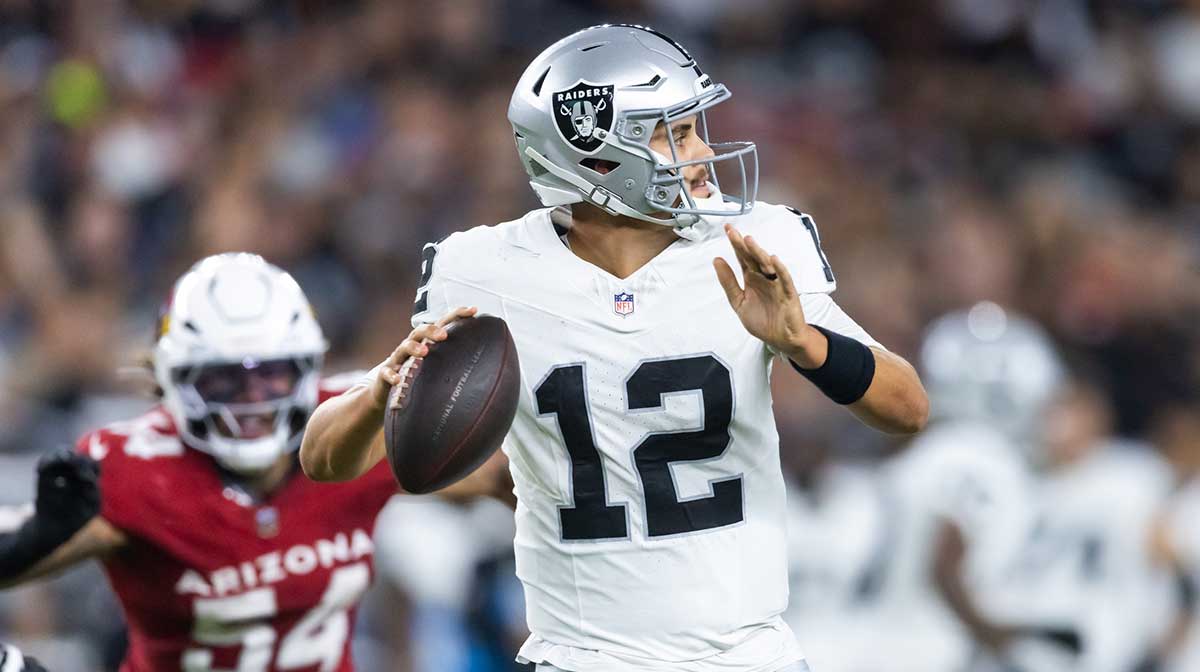
The Las Vegas Raiders have more questions than their 1-2 preseason record might suggest. Across their three preseason contests, the starting offense under veteran Kirk Cousins operated with crisp efficiency during limited snaps. Dynamic rookie playmaker Fernando Mendoza experienced invaluable live-fire developmental reps, too. Meanwhile, unheralded risers like wideout Malik Benson and defensive tackle Tonka Hemingway validated their sensational summer practices. They gave the front office immense confidence in its top-end talent while simultaneously complicating the final depth-chart calculations.
QB decision
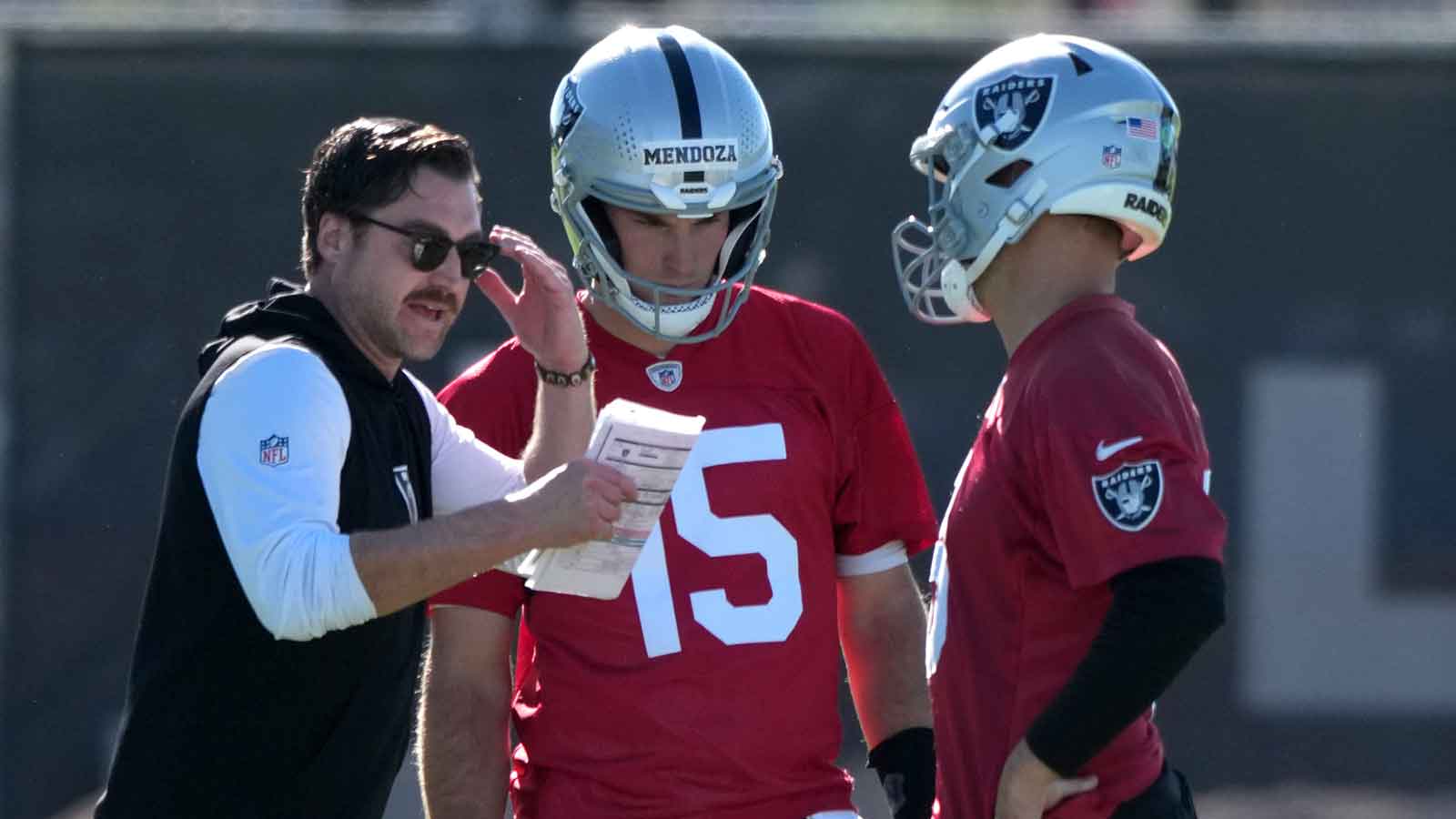
The Raiders’ latest preseason loss to the 49ers exposed exactly why the quarterback decision remains so difficult. Cousins started against San Francisco and led two field-goal drives. Mendoza struggled under pressure, completing seven of 14 passes for 57 yards with an interception and two sacks. The performances did not necessarily settle the larger roster question. Instead, they reinforced it.
As things stand, the team’s single most agonizing decision revolves entirely around the quarterback room and the precarious fate of current QB3 Aidan O’Connell.
At first glance, the equation appears straightforward. Cousins brings extensive NFL experience and has an established relationship with head coach Klint Kubiak. Mendoza represents the future. The Raiders themselves identified Cousins and Mendoza as the central figures of their quarterback room. That leaves O’Connell in an uncomfortable middle ground.
A modern NFL roster places enormous value on versatility. Every active spot has to contribute, whether on offense, defense or special teams. Carrying three quarterbacks therefore creates a opportunity cost. If Las Vegas keeps O’Connell alongside Cousins and Mendoza, that third quarterback occupies a position that could otherwise belong to an additional cornerback, coverage specialist, or developmental offensive lineman.
And yet, cutting O’Connell is absolutelyu not risk-free. He has already demonstrated that he can operate an NFL offense. That experience carries enormous value when the starter is a 38-year-old quarterback entering his 15th NFL season. That arguably makes O’Connell insurance.
Surrendering proven depth
Fernando Mendoza has shown enough during the summer to justify the excitement surrounding his development. He produced 97 yards and a touchdown against Arizona. Then, he followed with 86 passing yards and an 80-yard interception return against Houston before a difficult finale against San Francisco. There is real upside there.
That said, if Cousins misses time early in the season, the Raiders would be asking Mendoza to navigate regular-season pressure earlier than planned. Having O’Connell available as a steady alternative would dramatically reduce that risk.
Of course, the Raiders also have another option: trading him. A quarterback with NFL starting experience is a fundamentally different asset from a typical bubble player. If Las Vegas can extract draft capital for O’Connell, the organization could potentially turn an uncomfortable roster decision into a tangible long-term return.
Still, there is a catch. Trading O’Connell eliminates the very insurance that makes his presence valuable in the first place. If no trade materializes, the Raiders have to determine whether his value is greater than that of the position player who would occupy his roster spot.
High-stakes waiver wire
Las Vegas enters the post-cutdown process with the first waiver priority. That gives general manager John Spytek an important opportunity to replenish the roster after cuts. However, waiver priority does not protect the Raiders from losing their own players.
If O’Connell is released, another team would have an opportunity to claim him. Simply assuming he would return to Las Vegas’ practice squad would be a dangerous proposition. That is where the Raiders could find themselves playing roster poker. Keep O’Connell, and Las Vegas sacrifices another position-player spot. Release him, and the team risks watching a capable quarterback become someone else’s insurance policy.
Players such as Dareke Young, Albert Okwuegbunam, or Decamerion Richardson could become collateral casualties if the Raiders decide quarterback depth deserves an additional seat. Every one of those players could offer a different form of value.
Definitive decision
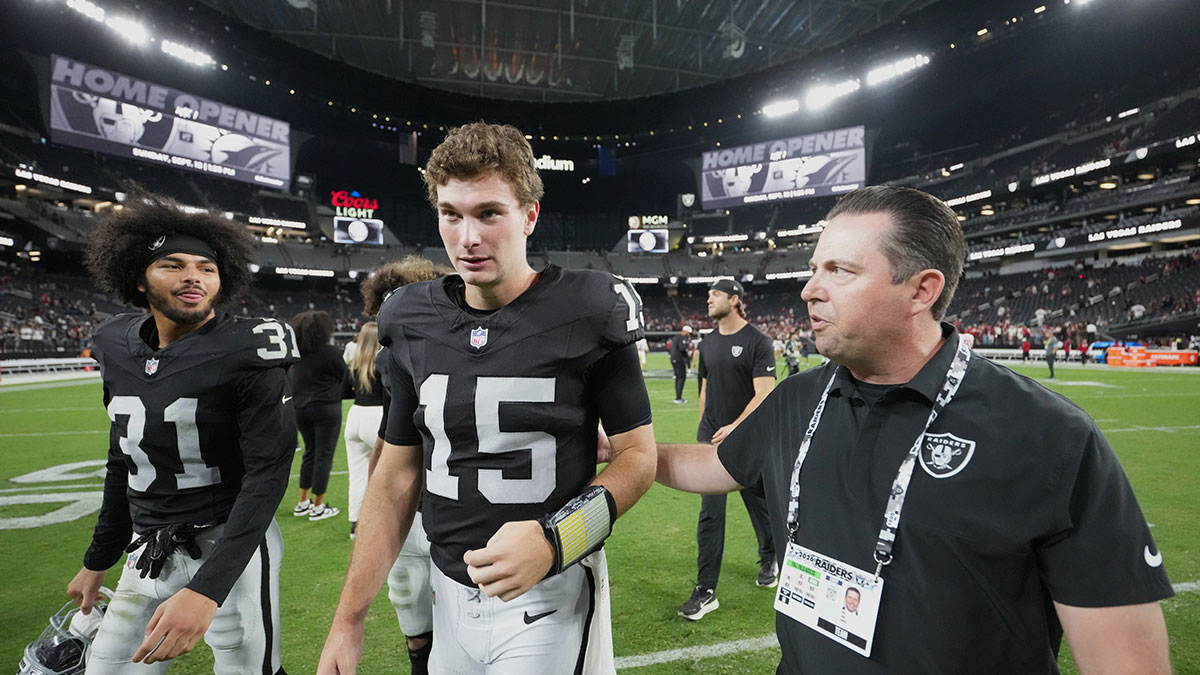
Spytek and Kubiak ultimately have to determine what they fear more: losing O’Connell or entering the season without him. The argument for keeping him is built around probability. Cousins is experienced, but quarterbacks get hurt. Mendoza is talented, but development is rarely linear. O’Connell provides a bridge between those two realities.
The argument for moving on is built around roster efficiency. If the Raiders believe Mendoza is capable of becoming Cousins’ immediate backup, then retaining three quarterbacks could prevent them from strengthening a more vulnerable position. That is the gamble.
For the Raiders, this O’Connell decision will be a test of their risk appetite. The team has already shown a willingness to evaluate Mendoza aggressively. Also, Cousins is techically still competing for the starting job. Head coach Kubiak had still not formally named his Week 1 starter entering the preseason finale, underscoring just how fluid the quarterback picture remained.
The post Raiders’ most agonizing roster decision looming on 2026 cutdown day appeared first on ClutchPoints.
What's Your Reaction?
 Like
0
Like
0
 Dislike
0
Dislike
0
 Love
0
Love
0
 Funny
0
Funny
0
 Angry
0
Angry
0
 Sad
0
Sad
0
 Wow
0
Wow
0