


Next move Braves must make after Chris Sale’s $27 million contract extension
The Atlanta Braves cannot treat Chris Sale’s $27 million extension as a symbolic gesture. It is a declaration that this organization intends to win now, not someday. Once that line is drawn, the next logical step becomes obvious. Trade a prospect-heavy package headlined by Hurston Waldrep for Jose Berrios and solidify the rotation behind Sale and Spencer Strider.
Sale’s new deal, which includes a $27 million salary for 2027 and a $30 million club option for 2028, represents the highest single-season guarantee in franchise history. That detail matters. The Braves are committing ace-level money to a mid-30s left-hander with elite credentials and a well-documented injury history. This is not a sentimental reward. It is a calculated wager that the next two to three seasons will define Atlanta’s championship window.
The timing reinforces that urgency. The Braves are coming off a 76–86 finish, missing the postseason for the first time in seven years. Extending the southpaw immediately afterward sends a clear signal that the front office believes the core remains strong enough to contend right now. Any serious contract extension analysis must begin with that premise. You do not allocate franchise record money to anchor a staff unless you believe the window is open.
The challenge, however, is structural. Sale and Strider form one of baseball’s most dynamic one-two combinations. After that, certainty fades. Reynaldo Lopez fits into the mix, but the remaining depth, Grant Holmes, Joey Wentz, Bryce Elder, and others, raises legitimate concerns about who starts a postseason Game 3. Injuries have already thinned the upper levels of the system, with several young arms sidelined. That reality makes a Braves rotation upgrade for 2026 more necessity than luxury.
Enter Berrios.
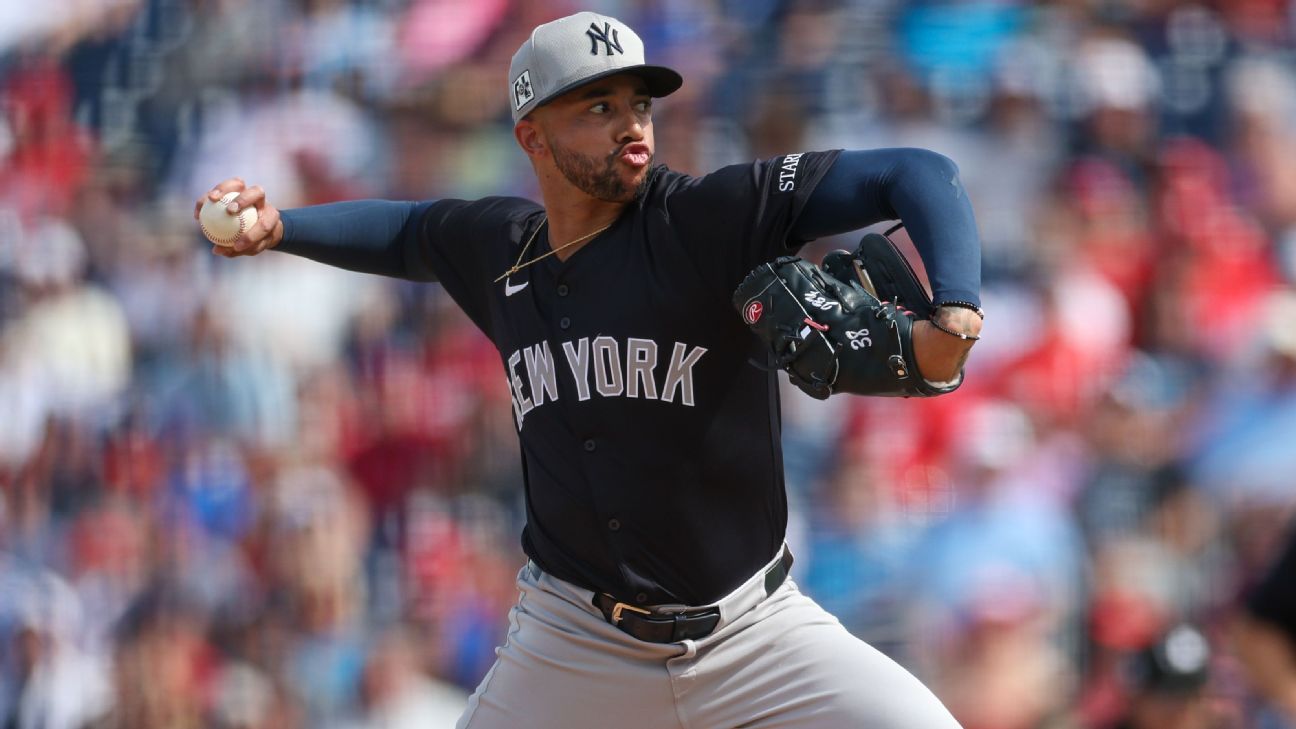
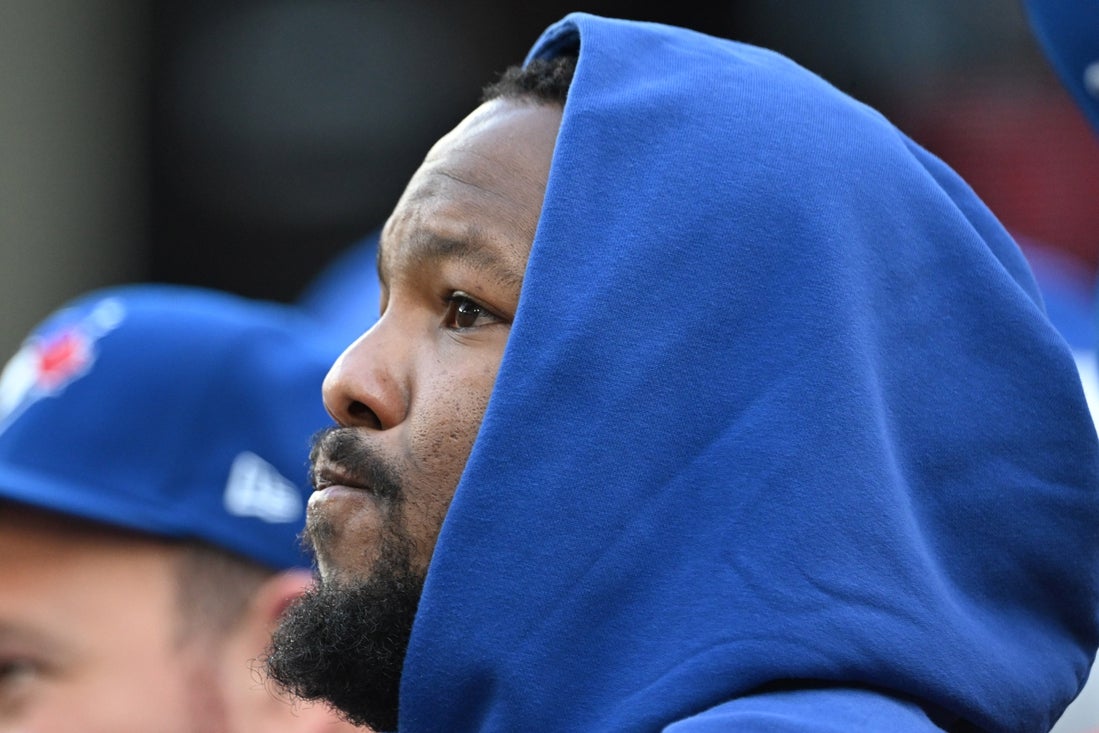
Reports indicate Toronto is willing to discuss him despite the financial commitment attached to his contract. He is not a perennial Cy Young frontrunner, but he offers exactly what Atlanta needs, durability and predictability. Berrios routinely approaches 30 starts per season and provides meaningful innings stability. He is not a headline-grabbing splash. He is an innings anchor.
In October, that distinction becomes critical. A Sale-Strider-Berrios trio fundamentally reshapes the postseason equation. Lopez can shift into a fourth starter role or operate as a multi-inning weapon. The back-end arms move into depth roles instead of high-leverage assignments. That is how a team converts regular season potential into playoff reliability. A trade for Berrios would not be about flash. It would be about minimizing volatility.
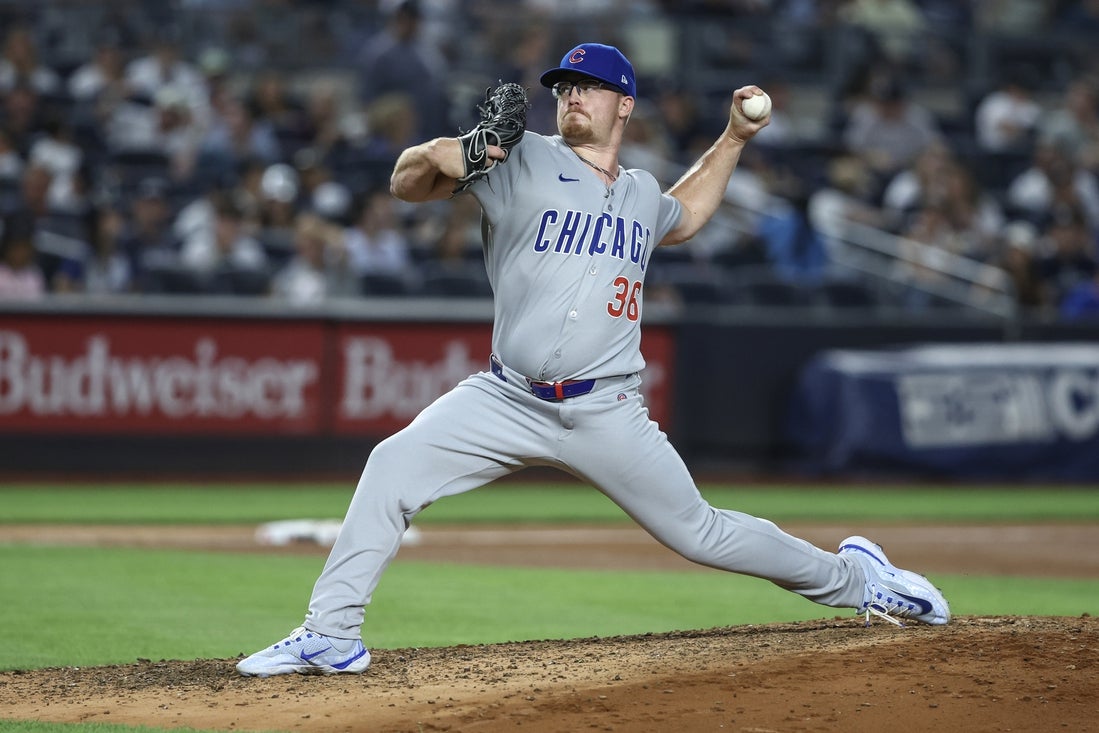
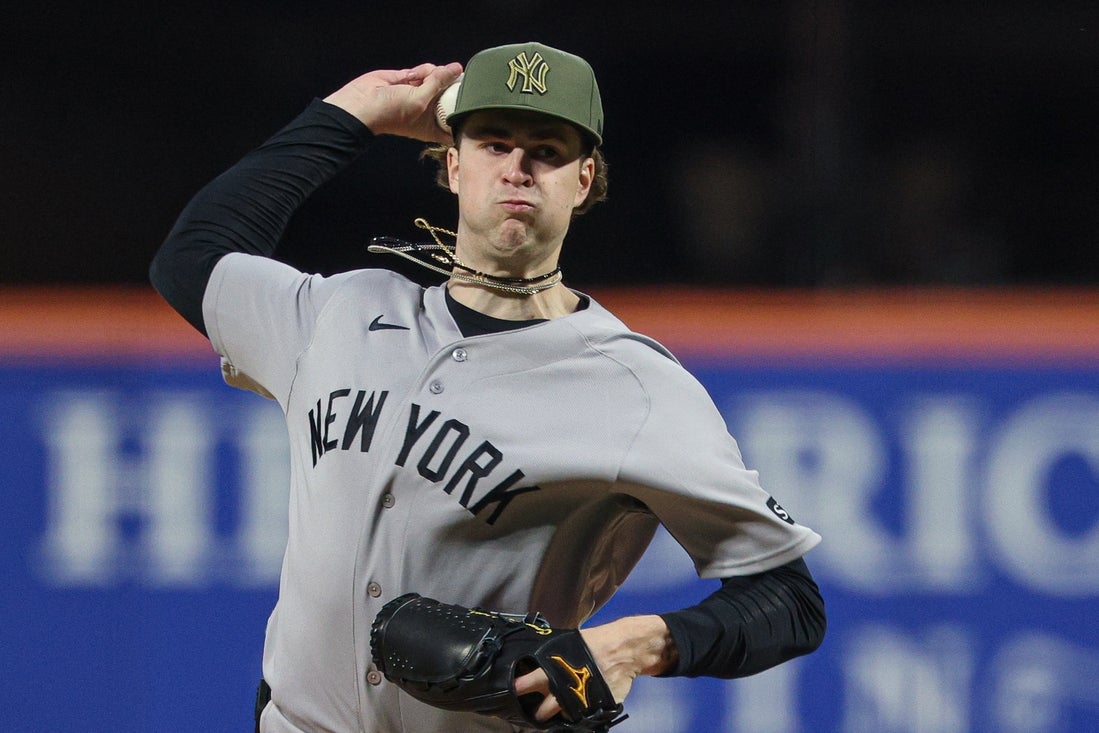
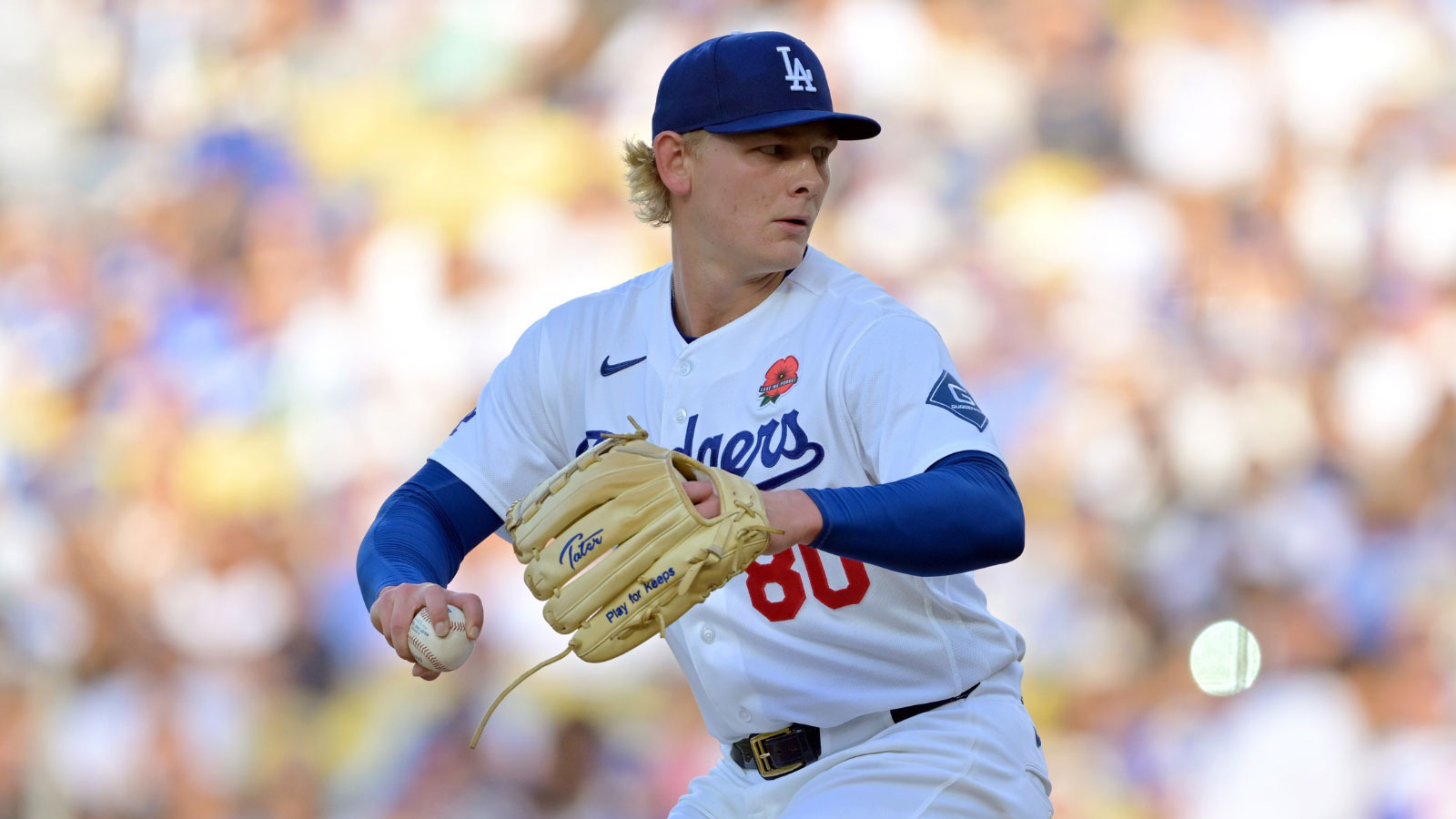
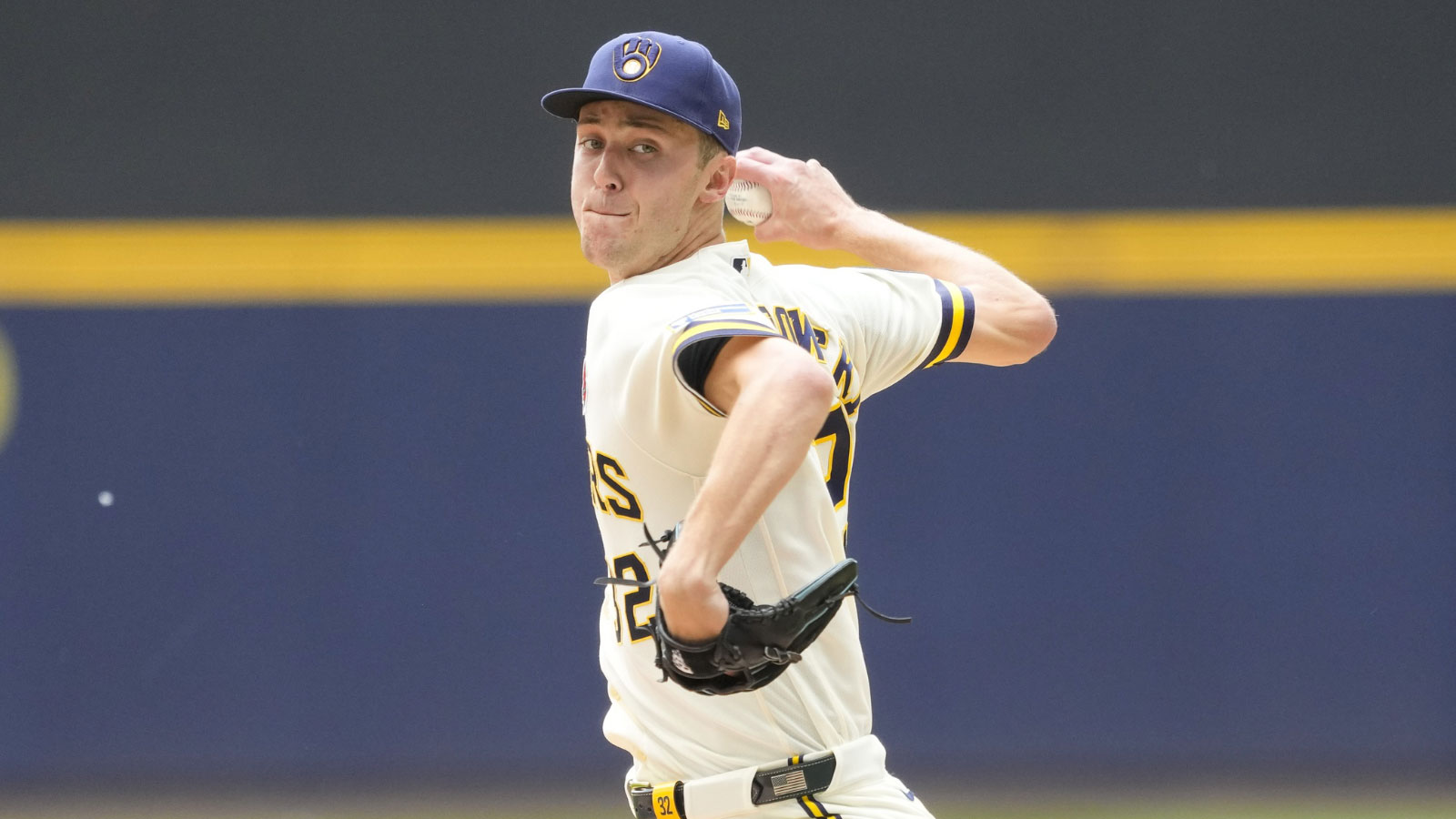
The proposed trade package, Waldrep, Owen Murphy, and Jesse Franklin V, reflects that logic. Waldrep possesses legitimate upside and big league caliber stuff, though evaluators cite command inconsistency. There is now an added layer of uncertainty. The issue first surfaced in early spring as right elbow soreness. Imaging revealed loose bodies in his right elbow, leading to the decision for an arthroscopic cleanup procedure with no reported ligament tear. For Atlanta, the development changes the timeline and increases risk. For a trade partner, it affects valuation but does not eliminate upside if the cleanup proceeds as expected.
Murphy is an additional developmental rotation bet. Franklin profiles as near-ready outfield depth. For Toronto, the package delivers cost-controlled talent and upside. For the Braves, it converts projection and now some medical volatility into approximately 180 dependable innings.
The counterargument is understandable. Why surrender multiple pitching prospects for a veteran with a sizable contract? Atlanta has built sustained success on internal development and long-term cost efficiency. Waldrep’s ceiling, combined with years of control, aligns with that philosophy. After a sub-500 season, patience could appear prudent.
But the Sale extension alters the equation. Once the Braves committed record money through his age 38 season, the risk profile changed. Waiting for prospects to stabilize the third rotation spot risks wasting prime years from both Sale and Strider. Every bullpen scramble and uncertain October matchup diminishes the return on that $27 million investment. Berrios’ contract becomes manageable within a roster where much of the position player core remains on team-friendly deals.
Atlanta has shown before that it will trade promising arms when the competitive window demands it. This is that moment. The Braves are not dismantling their future. They are protecting their present.
The next move should be decisive. Call Toronto. Center the deal around Waldrep. Complete the framework with Murphy and Franklin. Then enter 2026 with a rotation that reflects the ambition behind Sale’s extension. Anything less leaves the boldest financial commitment in franchise history incomplete.
The post Next move Braves must make after Chris Sale’s $27 million contract extension appeared first on ClutchPoints.
What's Your Reaction?
 Like
0
Like
0
 Dislike
0
Dislike
0
 Love
0
Love
0
 Funny
0
Funny
0
 Angry
0
Angry
0
 Sad
0
Sad
0
 Wow
0
Wow
0