




.jpeg)



Nationals’ biggest flop to begin 2026 MLB season
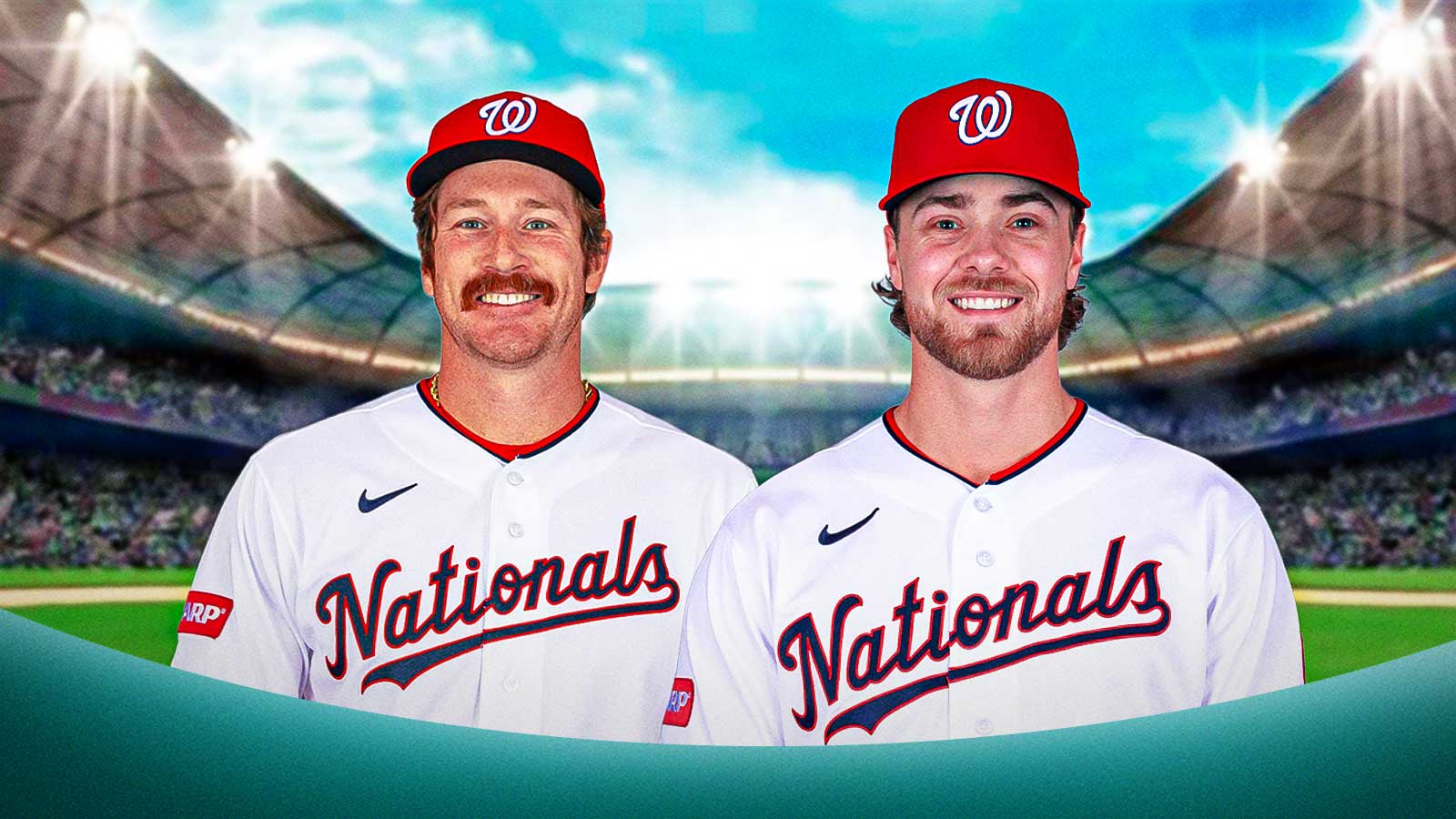
The Washington Nationals entered the 2026 season with no illusions about competing for a playoff spot. The front office, now led by first-year president of baseball operations Paul Toboni, made that abundantly clear when it traded All-Star left-hander MacKenzie Gore to the Texas Rangers in January in exchange for a five-prospect haul headlined by 2025 first-round pick Gavin Fien.
The message was direct: Washington is in full rebuild mode, and the contention window has been pushed to 2027 at the earliest. With that context established, a 5-8 start and a last-place position in the NL East is not surprising. What is surprising, and deeply alarming, is the degree to which the pitching staff has cratered, making it the unequivocal biggest flop of the Nationals’ early 2026 campaign.
A Pitching Staff That Has Been an Outright Disaster
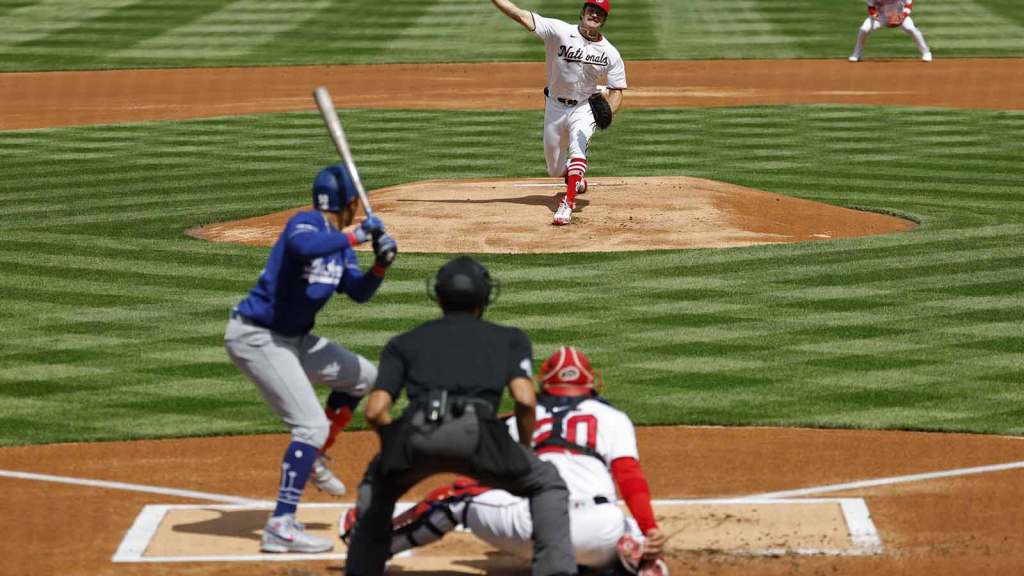
Before a single pitch was thrown in March, the warning signs were impossible to ignore. FanGraphs projected the Nationals’ bullpen to post the worst fWAR in all of Major League Baseball in 2026, the only team projected below 1.0 on that metric, and their starting rotation as the second-worst in the sport. Washington’s relievers had finished 2025 with a league-worst 5.59 ERA and a negative fWAR of -0.5. That was with MacKenzie Gore still anchoring the rotation. Take Gore away, and the math gets worse in a hurry.
Through 13 games of the 2026 season, the Nationals’ pitching staff has delivered exactly the catastrophe that was feared. Washington’s team ERA sits at a ghastly 6.06, ranking 27th out of 30 MLB teams. The staff has issued 60 walks in just 107 innings pitched, a pace that ranks among the worst in the league, while surrendering 24 home runs, 117 hits, and a .275 opponent batting average. The WHIP of 1.65 is historically bad by modern standards.
The lone bright spot has been young right-hander Cade Cavalli, who leads the staff with a 2.51 ERA and looks like the real deal. But one arm cannot carry a patchwork rotation in which everyone else has either struggled to miss bats or has simply been unable to throw strikes.
Jake Irvin leads the team in strikeouts with just 16, a number that reflects just how limited this staff is in terms of swing-and-miss capability. When the Nationals traded Gore, they were banking on Cavalli’s development and internal options to stabilize the rotation enough to keep games competitive. Instead, the pitching staff has routinely surrendered leads and cost manager Blake Butera winnable games before September’s rebuild narrative even gets a chance to unfold.
The Gore Trade Deserves Scrutiny — Even in a Rebuild
Rebuilding takes time, and smart fans know that trading MacKenzie Gore was a smart move to speed up Washington’s prospect pipeline. The five-piece return, which includes Fien and four other minor leaguers, is the kind of haul that adds depth to an organization and could, in theory, speed up the start of a competitive window. But the timing of the deal and the fact that there wasn’t any pitching help afterward are both very bad.
The Nationals took away their best pitcher without adding anyone who could fill the role. Even though Washington’s 2025 rotation had the second-worst ERA in the majors, with Gore pitching every fifth day, Toboni and the front office relied completely on internal options like Cavalli, Irvin, and Mitchell Parker, along with the acquisitions of Miles Mikolas and Zack Littell to start games.
Three years from now, the Gore trade might still be good for the franchise as a whole. Gavin Fien is a real prospect, and the depth Washington got could help them out in 2027. Fans have had to sit through blowouts since the team traded an All-Star pitcher without making the rotation better. This is because the pitching staff is already thin and is falling apart almost every night. No matter if you know the big picture strategy, that is a terrible experience.
James Wood and CJ Abrams Can’t Carry This Alone
To be fair, the position player core has held up reasonably well given the circumstances. CJ Abrams, who drew trade interest from multiple contenders before the season even started, is hitting .286 with four home runs and 14 RBIs through 11 games, an All-Star-caliber pace that reaffirms his status as one of the better shortstops in the National League.
James Wood leads the team with four home runs and is showing the kind of power-speed combination that made him one of baseball’s most coveted prospects. The offense ranks third in the NL in runs scored, which is a genuinely encouraging sign for a team this deep in a rebuild.
James Wood playing too good. Gonna get himself traded pic.twitter.com/7DKB97HUB3
— SleeperMLB (@SleeperMLB) April 7, 2026
But runs mean nothing when your pitching staff is giving them right back, and then some. Washington has surrendered 81 runs in its first 13 games, a pace that obliterates any chance of staying competitive in one-run games. The offense scored seven runs in its most recent win against Milwaukee on April 10 and still needed strong pitching just to survive.
That is not a sustainable formula. Until the Nationals’ pitching staff develops the next Cade Cavalli, or Toboni makes a meaningful move to stabilize the mound, Washington’s biggest flop of the 2026 season will continue to define every box score from now through October.
The post Nationals’ biggest flop to begin 2026 MLB season appeared first on ClutchPoints.
What's Your Reaction?
 Like
0
Like
0
 Dislike
0
Dislike
0
 Love
0
Love
0
 Funny
0
Funny
0
 Angry
0
Angry
0
 Sad
0
Sad
0
 Wow
0
Wow
0