



.jpeg)

Jaguars’ 2026 NFL Mock Draft roundup with pre-draft cycle ending
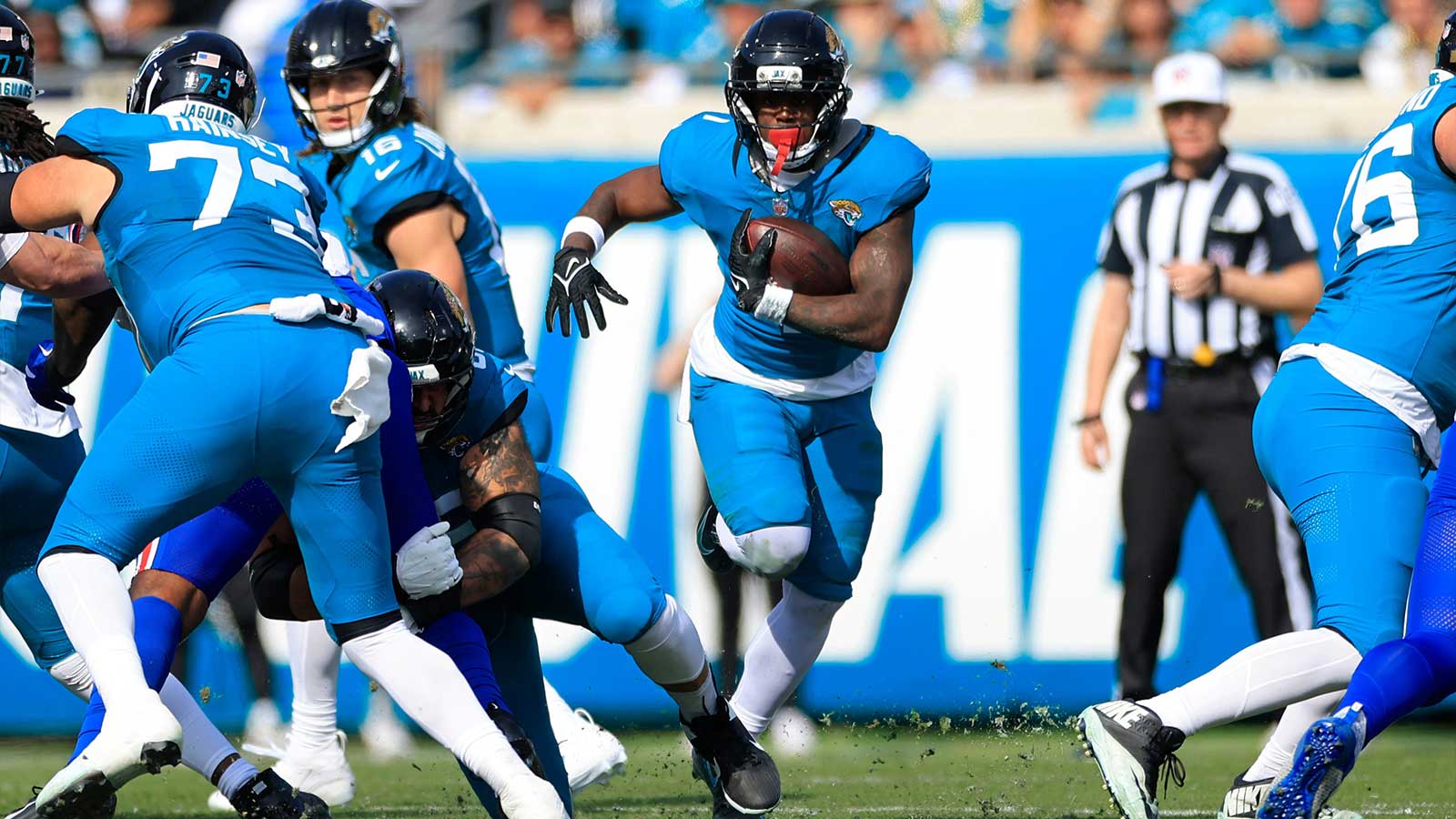
A few weeks ago, Jacksonville’s roster appeared to be a blank slate, but that is no longer the case. The extension of Travon Walker has resolved one major concern regarding the edge position, and the decision to transition Travis Hunter into a full-time cornerback has shifted the defensive conversation in a new direction.
With no first-round pick and their first selection coming at No. 56, the Jaguars are now viewed less as a team searching for a single standout player and more as one that is focused on identifying the right second-round value while addressing a few remaining gaps in the roster.
Jacksonville also has 11 draft picks, including three in the third round, allowing the front office to strategize in layers rather than relying on quick fixes.
This evolving situation makes the current mock draft cycle more relevant than it was a month ago.
Earlier in the spring, Jacksonville’s needs were too broad, leaving them linked to a wide range of possibilities due to the uncertainties surrounding their roster and draft position.
However, that gap has now narrowed, and most of the more reliable mock drafts are gravitating toward a few specific areas: linebacker, defensive tackle, edge depth, and the potential for one offensive pick if the Jaguars prioritize speed or an upgrade in the backfield over selecting another defender at No. 56.
The key decision in this draft class is about determining what type of support the roster needs most after the Walker extension and following a free-agency period that did not fully resolve issues in the front seven.
LB Jacob Rodriguez, Texas Tech
Matt Miller, ESPN

In his seven-round mock draft, Miller assigned Jacksonville, Texas Tech linebacker Jacob Rodriguez to the team with their first meaningful pick. This selection is easy to understand because Rodriguez is described as a playmaking middle linebacker, having recorded four interceptions last season and a total of 13 forced fumbles during his college career.
Most importantly for Jacksonville, Miller emphasized that Rodriguez could wear the green dot, a specific indication of his role in the defense. This detail shows the depth of Miller’s assessment, and it goes beyond mere size-speed projections. Jacksonville still needs someone to anchor the middle of their defense, to organize traffic, and to create turnovers.
Choosing a middle linebacker in the second round is just the type of pick teams make when they lack a first-rounder but still desire immediate defensive structure, and with Devin Lloyd having left in free agency, replacing his production cannot be done by merely finding another rotational player later in the draft.
Rodriguez is not being characterized as a raw athlete needing a developmental year, but he is portrayed as a player with strong instincts and ample production ready to step into a significant role. For a team picking in the middle of the second round, this kind of profile may be more valuable than selecting a higher-upside defender who may take longer to develop.
EDGE Gabe Jacas, Illinois
Brooks took a different approach and linked Jacksonville with Illinois edge rusher Gabe Jacas as the team’s “ideal pick” at No. 56. He reasoned that even with Walker extended, the Jaguars can still benefit from adding another edge player.
This perspective reflects an understanding of the team’s needs, and while Walker’s contract solidifies one side of the defensive front, it doesn’t diminish the value of having an additional rusher who can contribute meaningful snaps and prevent the pass rush from relying too heavily on just a couple of players.
Jacas exemplifies how team needs can evolve after a major contract extension. Before Walker’s signing, there might have been a discussion about whether Jacksonville needed to replace edge production altogether.
Now, however, the focus shifts to maintaining a deep and functional rotation throughout the entire season, and Brooks’ selection aligns with this change in priorities.
He doesn’t project Jacksonville to find its next defensive star at the edge position, but he suggests that the Jaguars are looking to enhance their existing strengths by adding another player who can keep the pressure consistently effective.
In the second round, this is a more practical and often smarter use of resources than assuming that every premium pick must become the face of the unit.
DT Domonique Orange, Iowa State
Josh Edwards, CBS Sports
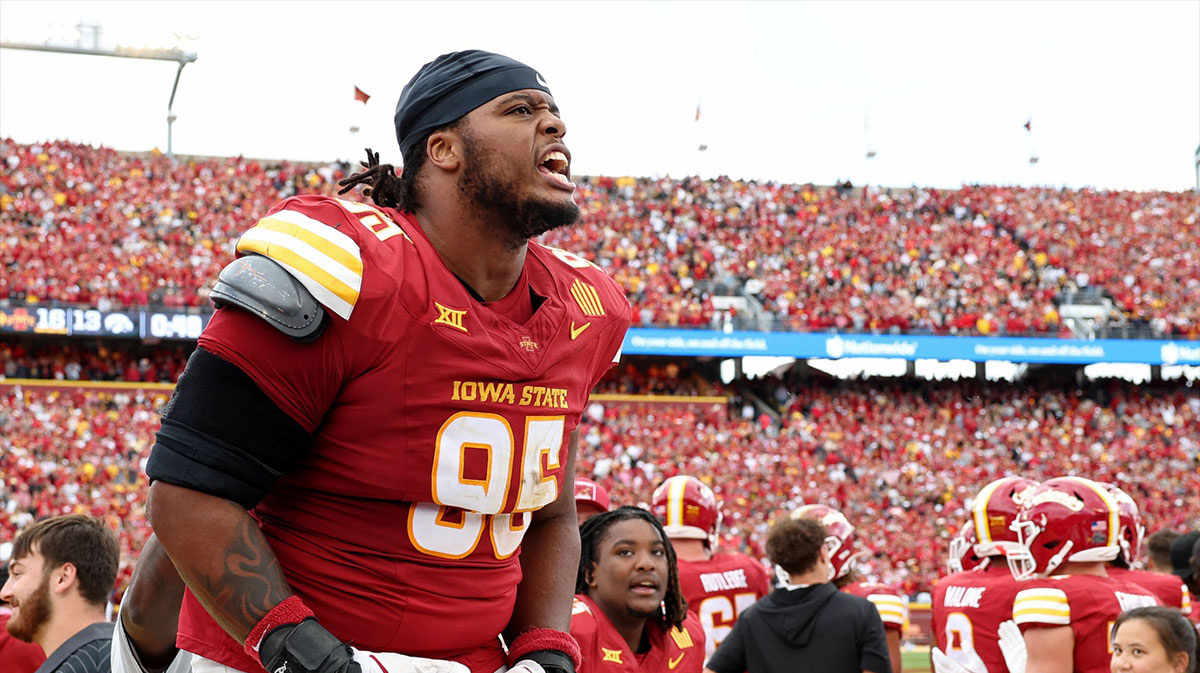
In Edwards’ seven-round mock draft, he placed Iowa State defensive lineman Domonique Orange with Jacksonville at pick 56, and this aligns with ongoing concerns regarding the interior of the defensive line.
In a separate CBS feature, Edwards elaborated on this need, stating that the Jaguars require more bulk in the middle, and this need is crucial for solid roster building; while the team can manage uncertainty at some positions for another year, defensive tackle is not one of those positions.
A strong tackle is essential for maintaining credibility against the run and assisting edge rushers by creating clearer paths.
Orange represents a different kind of second-round value compared to Rodriguez or Jacas.
His role is not focused on leadership in the middle or depth on the edge, but he is integral to the functionality at the line of scrimmage. A solid defensive tackle influences far more than just his individual statistics, and he affects how linebackers perceive the ball, how frequently guards reach the second level, and how comfortable opposing quarterbacks are when stepping up in the pocket.
This makes Orange a fitting choice for Jacksonville in this range. Although they lack a first-round pick to pursue a top-tier interior disruptor, they are still positioned where a reliable tackle prospect can significantly enhance the overall effectiveness of their defense.
DT Zxavian Harris, Mississippi
Rob Rang, FOX Sports
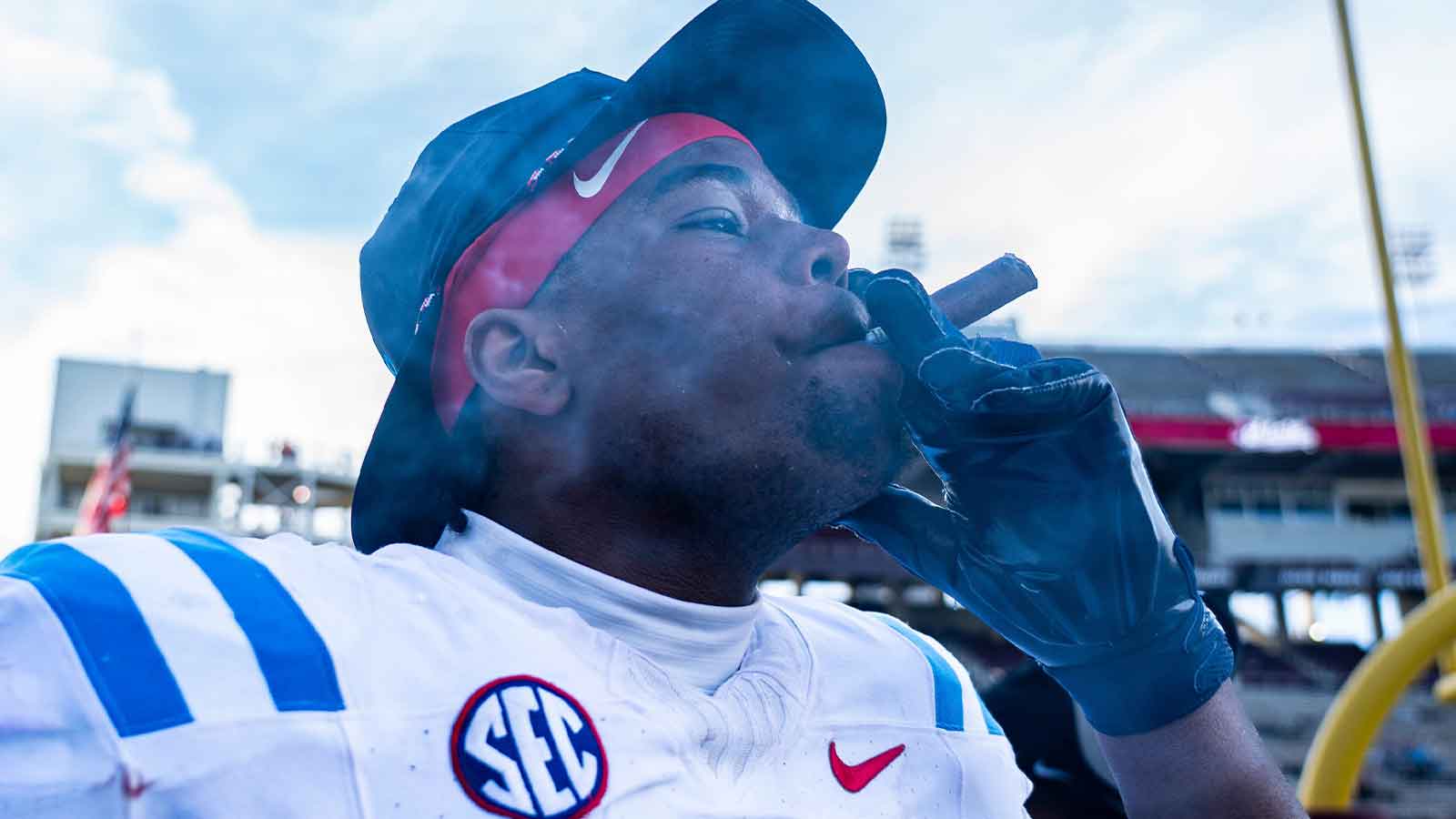
In his piece discussing the “perfect pick for each team,” Rob Rang connected Jacksonville to Mississippi defensive tackle Zxavian Harris, offering a stronger rationale than the typical generic team-needs analysis.
He highlighted that despite the Jaguars investing significantly in their defensive line, they still ranked near the bottom of the league in sacks, making the need for a strong interior player even more urgent, not less. Harris is recommended for his ability to collapse the pocket, occupy multiple blockers, and enhance the coherence of the entire front line.
This kind of fit should not be underestimated just because it is less flashy than a skill-position pick. Jacksonville’s roster requires another player who can strengthen the defense rather than just a decorative addition.
Rang’s argument takes on added relevance following the extension of Walker, and with one edge spot secured for the long term, it becomes easier to identify the value of interior players.
If the Jaguars believe that they need more support for their pass rush from the inside rather than the outside, then drafting Harris in the second round would be a strategic move that aligns with both the draft board and the team’s current needs.
Furthermore, Harris’s mention in a national piece showcases that evaluators are recognizing the importance of the defensive tackle position in Jacksonville, alongside linebacker and edge positions.
RB Jadarian Price, Notre Dame
Gordon McGuinness, PFF
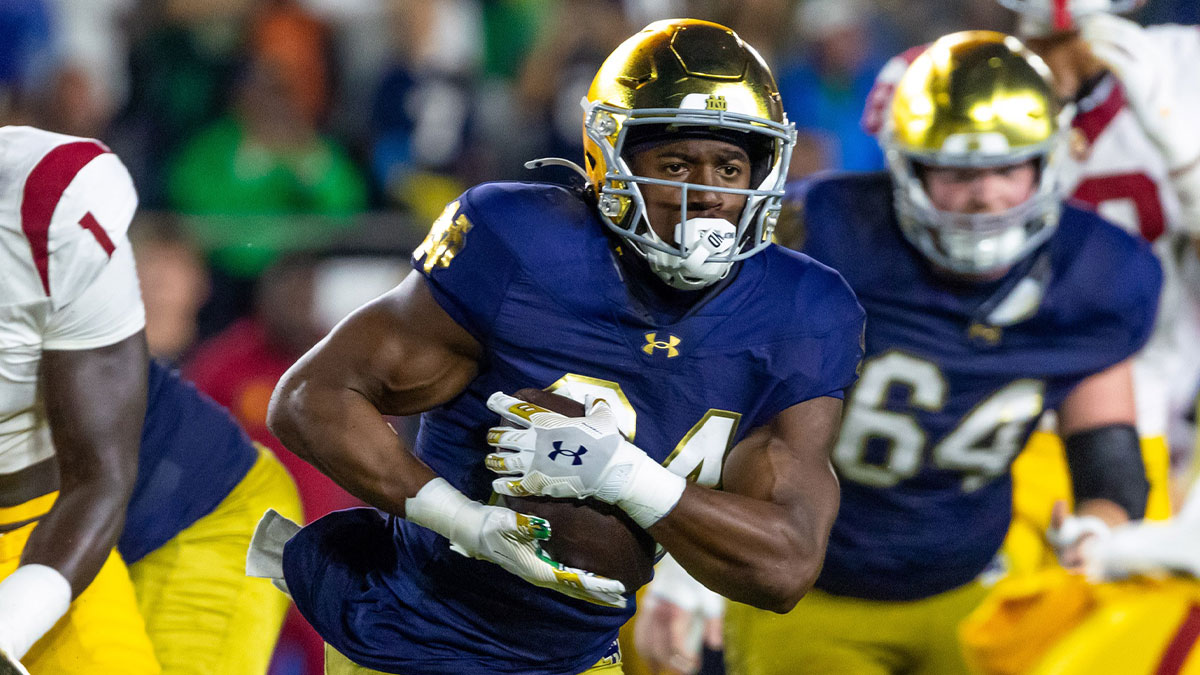
Gordon McGuinness’s three-round mock draft from PFF presents a counterpoint to the defense-heavy consensus, as he suggests that the Jaguars select Notre Dame running back Jadarian Price at the 56th pick.
This makes sense only if you assume that the Jaguars prioritize adding offensive burst rather than reinforcing their front seven, and with Travis Etienne gone, PFF’s assessment has deemed Price one of the most explosive running backs available at this stage in the draft.
Viewed in this context, the pick becomes a valid option. It poses a different solution to the same question facing teams without first-round selections: where can the first pick add the most tangible value?
Price’s inclusion is significant because it indicates that Jacksonville’s draft board is not entirely defense-oriented, and while most mock drafts focus on defensive needs, some reflect the possibility of addressing offensive concerns as well.
If the front office believes that comparable defenders could be selected later on, they might find it justifiable to draft a running back at 56, and this would indicate a strategy where they view the offense as the area that could most immediately transform the team’s performance.
Although this perspective hasn’t dominated the mock draft landscape, it persists as a clear indication that Jacksonville’s first pick remains open to multiple roster solutions.
What enhances the utility of Jacksonville’s mock draft landscape now is its growing coherence.
For a team with 11 picks and no first-round selection, this is likely the most advantageous position to be in as they approach the final stretch of the draft. The Jaguars do not require a single major decision at the draft’s outset. Instead, they need a choice that reflects the class’s overall structure while allowing them to address remaining issues effectively on Friday.
The post Jaguars’ 2026 NFL Mock Draft roundup with pre-draft cycle ending appeared first on ClutchPoints.
What's Your Reaction?
 Like
0
Like
0
 Dislike
0
Dislike
0
 Love
0
Love
0
 Funny
0
Funny
0
 Angry
0
Angry
0
 Sad
0
Sad
0
 Wow
0
Wow
0