










Exclusive: US Sports Camps basketball VP gets real about Diana Taurasi, player development amid March Madness
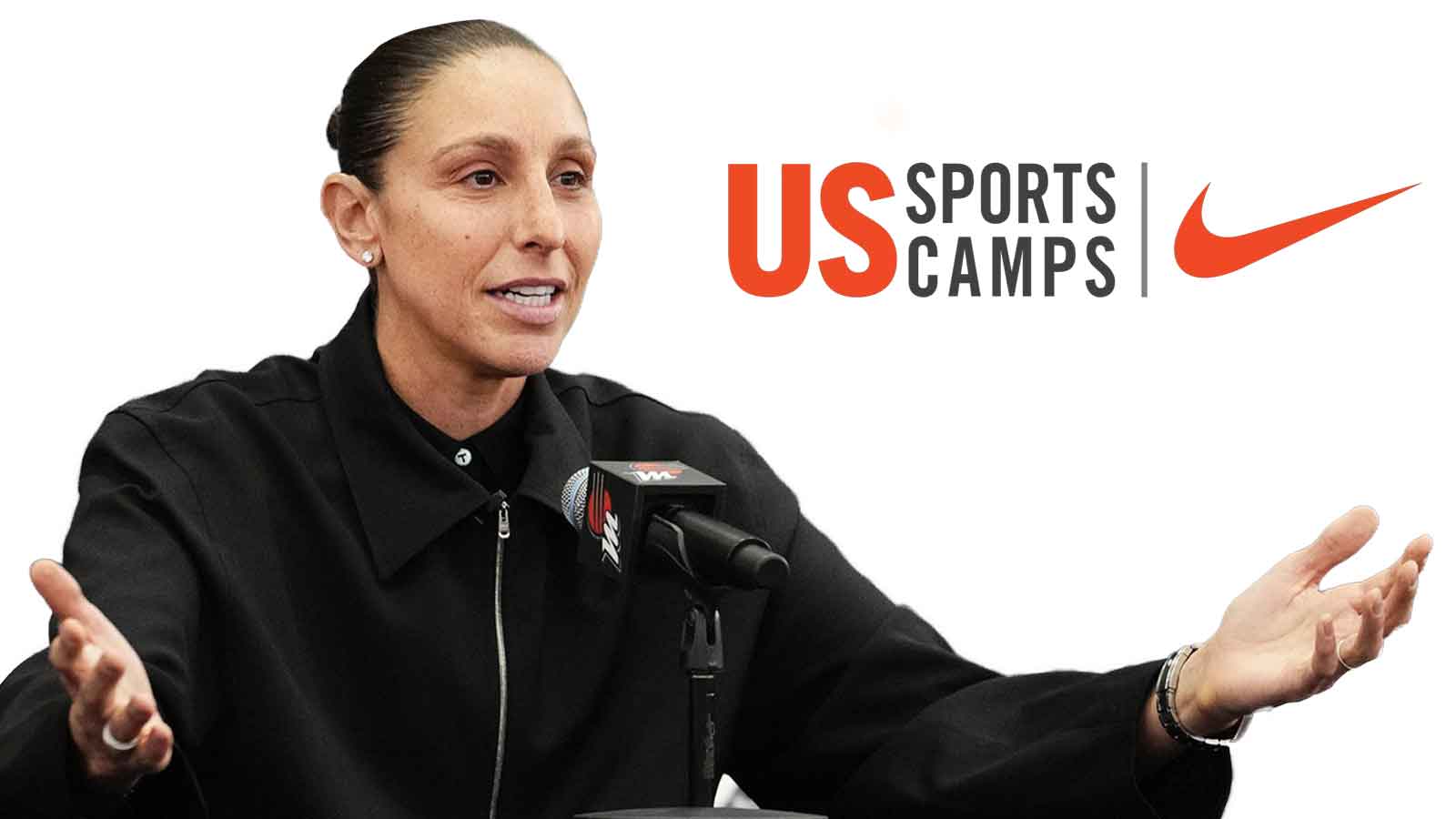
Legendary athletes have no obligation to help youth players after retirement, but Diana Taurasi isn’t just any legend. The WNBA’s all-time scoring leader has been a coach with US Sports Camps (USSC) since July, when she debuted the TAURASI Snow Valley Basketball Camp, an all-girls program in Santa Barbara, Calif.
USSC is the largest sports camp network in the United States, operating thousands of camps including Nike Sports Camps. The organization employs skill-based and multisport development strategies to help young athletes succeed and stay engaged in sports.
With March Madness underway, youth development for basketball is especially topical. That’s why USSC vice president of basketball Seth Roberts spoke to ClutchPoints on Thursday about how the organization helps players stay healthy and achieve goals, Taurasi’s involvement, and more.
Seth Roberts Q&A
Joshua Valdez: So starting off, what does skill-based development mean to you?
Seth Roberts: Skill-based development’s the foundation, the fundamentals of really building a solid athlete. Being able to have a safe space, a fun environment, but then also help develop the young athletes is something we’re pretty passionate about. When an athlete has the tools in their toolbox, along with their athletic ability and the work ethic they put in, it shows a difference. So being able to really focus on the skill side of it. You know, we have a lot of parents who, one of their top reasons why they send their kids to camp is because they want them to work on the skills. They want to work on that part of their game. Or, they’re starting out and they realize “Hey, my kid needs the skills to be able to play this and be able to hopefully thrive in something that they are passionate about as well.”
Joshua Valdez: I know that you guys want kids to play more than one sport. Is that a part of the skills training?
Seth Roberts: We definitely encourage that. We have our multisport camps, which obviously focus on those. We offer over 20 camps. We have a lot of parents who do want to send their athletes to a sport-specific camp as well. But I think within those sport-specific camps, we’re trying to teach them the dynamic warm-ups or different aspects of the game that work on different areas, work on different muscles for that matter, to help with their growth and help with their skill development. Whether it be their reaction time to something, quickness drills, using ladders and things like that. Or agility as well.
I know we have quite a few of our partners, our directors like to really incorporate those different aspects into the game. I think they try to make competitions out of those kinds of areas as well. It keeps the energy level and the kids’ engagement level, instead of just working on a defensive slide. That’s very necessary, but sometimes a nine-year-old wants the ball in their hands. So how do we incorporate some other aspects that also help them develop?
Joshua Valdez: What kind of effect do you think this style would have if it were adopted across the sports world? For example, Lonzo and LaMelo Ball specialized in basketball growing up and have suffered several injuries in the NBA. Do you think this training would help prevent injuries when athletes rise to the college and pro ranks?
Seth Roberts: I do. Unfortunately, injuries happen no matter what, especially as the competition level increases. But time and time again, you hear college and pro coaches for whatever sport, they look for certain characteristics in an athlete that didn’t just play one sport. The more sports they can play, the more they’re preparing themselves to be able to adapt to whatever kind of situation they’re in. Again, they’re working different muscle groups. They’re working on different hand-eye coordination. You also see less burnout. You see the kids that are like, “Hey, this is baseball season. I’m focused on that now,” or “This is basketball season.” And yes, if you’re getting to the more serious levels or you’re trying to make a middle school, high school, or college team, you’re going to have to incorporate time and effort into the sport you’re trying to really excel in. But for a fun factor, personal growth, and keeping your body in shape in a variety of ways, playing other sports is huge.
I mean, you look at it, how many athletes start in one sport, and now they’re playing something else? I’ll attest to this myself. I was a basketball player growing up, and now I’ve kind of transitioned more to tennis because my knees like that a little bit more. Playing multiple sports only amplifies your athletic ability and then hopefully prevents injury as well.
Joshua Valdez: Have you seen the effects of both skill-based and multisport development when kids in camp rise to the NCAA or the pros?
Seth Roberts: You know, it’s interesting. Having been to quite a few camps myself, you can tell which kids play multiple sports and which only play one sport. The skill level may be there with the one-sport kids, but they’re not as agile. The person who only plays basketball may handle the ball a little bit better, but they’re not as athletic. So I think it kind of goes back to the multisport piece as well.
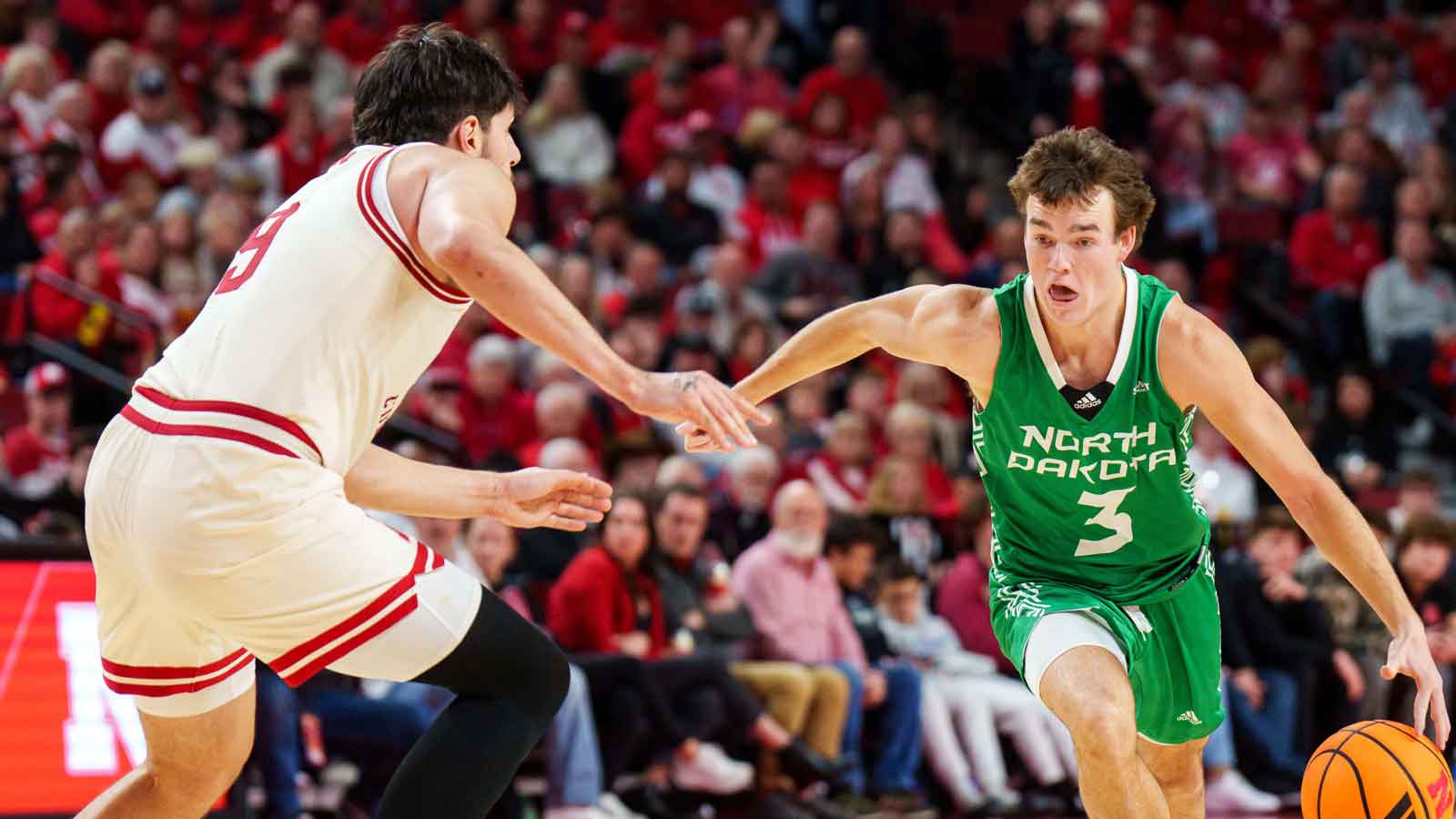
Greyson Uelmen at the University of North Dakota attended a number of camps at our Minneapolis location growing up, and he broke the school’s [freshman] scoring record [per Grand Forks Herald]. So again, I think having that, that base of the skill [is key]. Obviously, a lot of young athletes have talent. But as coaches, as camp directors, how are we helping those kids hone that skill and grow it to really develop in a solid way? Versus being really athletic and getting you only so far. Then you have no skill to back that up and take you even further.
Joshua Valdez: Is it gratifying to see results like Greyson’s?
Seth Roberts: Yeah, absolutely, and we have a couple of other examples. We had a female athlete who came to one of our track and field camps. She’d written down a goal that she wanted to drop her time, I think it was by a minute, so she could make her high school team and she did. So little things like that and learning from the coaches that we have at our camps…We have a lot of operators who are college coaches, and they know what they’re doing. They’re good at developing the kids, being able to instill some of the things that they’re teaching their college athletes and break it down for the younger athletes.
For runners, it could be their starts. Maybe the high school coach isn’t able to get to that detail. So having some of the partners that we have that are at a very high level, whether it be a former Olympian, a college coach, a former pro player, and so forth…It’s so great to see the connection point between the younger athlete and a coach, or a former athlete for that matter.
Joshua Valdez: Speaking of the coaches, I know you guys have partnered with Diana Taurasi. How is that going?
Seth Roberts: She’s amazing, plain and simple. She is awesome. Our first year with her was great. I’ve seen camps where a pro athlete or a former pro athlete comes in, they want to sign autographs, take a picture and they’re out. That is not her. She was in pre-camp, she was on phone calls. She was very attuned to specifics about the camp and wanted to know what curriculum was being taught, how it was being taught, where she could influence some of that. We had some great coaches and staff in place for the camp and she just took it to a whole other level.
She was very particular about some things that she wanted to have happen, one of them being the film study and breakdown. She wanted to have film ready to go. She came in, helped break it down, and then take that and apply it onto the court with the group. So little things like that make a really big difference. But she was great and we’re really excited about year two with her.
Joshua Valdez: Do you guys have any other former players on that level who you’ve been involved with?
Seth Roberts: We’re always out there trying to get new partners. We work with a couple of WNBA teams, the Chicago Sky and the LA Sparks. Hopefully more to come with that. We work with the Raptors 905 [Toronto Raptors’ G League affiliate] as well. We have our Canadian division that works with them.
So, we have a few pro teams that we work with that involve their players and some of their staff, depending on the camp or clinic. We have some former players too. [Former NBA player] Randy Livingston is down in the New Orleans area. We also have some former college coaches who really like camp and they’ve kind of turned it into a new career. It’s awesome to have them involved as well.
Joshua Valdez: Have you seen differences between male and female athletes in how they progress in camp?
Seth Roberts: I don’t. I mean, basketball is basketball. The one thing that our directors are really good at is meeting the kids where they’re at and trying to develop them from there. That could be day by day in a camp, to be honest with you. They could’ve got a good night’s sleep, or they didn’t get a good night’s sleep. But also just the skill level they’re coming in at. How can they adjust the curriculum slightly to say, “Okay, this kid’s not as skilled. How can we break it down for him?” Or “This athlete’s a little bit more skilled, how do we challenge them more?” But from a female/male standpoint, no.
There are definitely some studies out there, and I think you can see it sometimes as well. Maybe the female athletes can focus a little bit more than the male athletes at times, but from a development standpoint, I don’t think there’s a difference between the two. I think the one thing that’s unfortunate is we’re continuing to try to help grow the game of basketball, and the surge that is happening with the WNBA is elevating women’s basketball. But the dropout rate, I think is like age 13, when 40 to 50% of female athletes say, “Hey, I’m done playing,” which is sad to see. So, we’re trying to help change that and keep women engaged in whatever sport they pursue in any way we can. Through girls camps across our different sports, basketball included, to some high-level female-only camps through our Doug Bruno basketball camps.
Joshua Valdez: Lastly, what are your goals with the camps moving forward?
Seth Roberts: You know, our goal is to continue to impact families. Sport in general is a universal language, right? It’s something that people are passionate about, they get excited about. They want to play, they want to be involved. We want to be that conduit that helps get those young athletes to the point they want to be. We want to help them develop, give them the tools to make a team…I think too many families are so focused on getting that ring or getting that championship banner with a travel program or AAU…That’s exciting, and you obviously have to have some ability to do that. But again, there are a lot of people who have that ability, but don’t have the means to do that.
So how can we help everybody with their development or skills? Use that as the baseline for those young athletes to be able to draw upon as they continue to develop and grow in their careers, both as players and teammates.
The post Exclusive: US Sports Camps basketball VP gets real about Diana Taurasi, player development amid March Madness appeared first on ClutchPoints.
What's Your Reaction?
 Like
0
Like
0
 Dislike
0
Dislike
0
 Love
0
Love
0
 Funny
0
Funny
0
 Angry
0
Angry
0
 Sad
0
Sad
0
 Wow
0
Wow
0