



Celtics most to blame for no-show Game 6 vs. 76ers
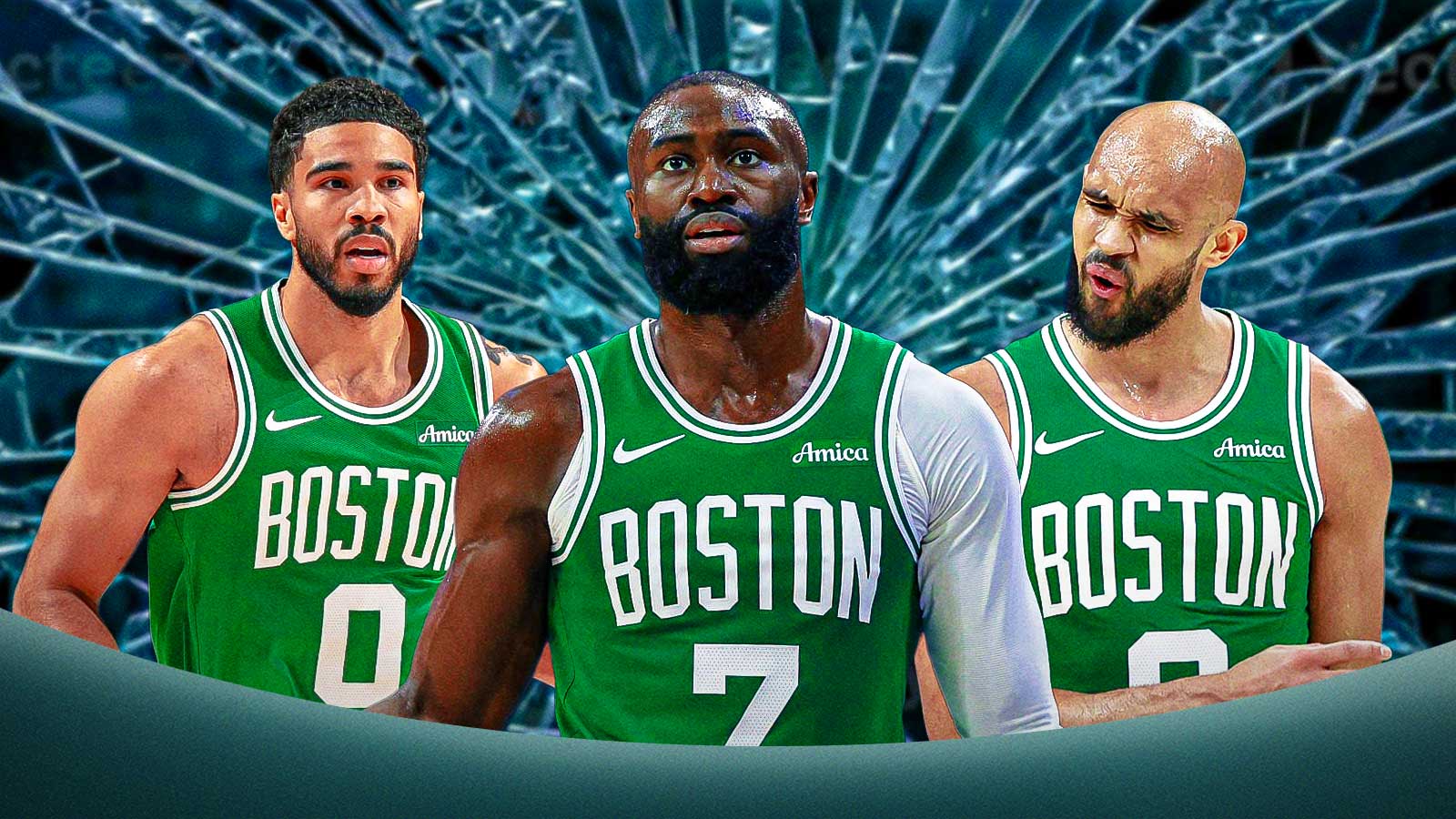
The Celtics most to blame for a no-show Game 6 vs. the 76ers begins with an uncomfortable reality. For Bostom, this was a complete failure of identity. They lost because they abandoned the very traits that made them a contender in the first place. In a closeout opportunity, with momentum on their side, the Celtics played with a puzzling lack of urgency, composure, and edge. This was supposed to be the night they slammed the door shut. Instead, they left it wide open, and now the pressure has flipped entirely.
Second-quarter collapse
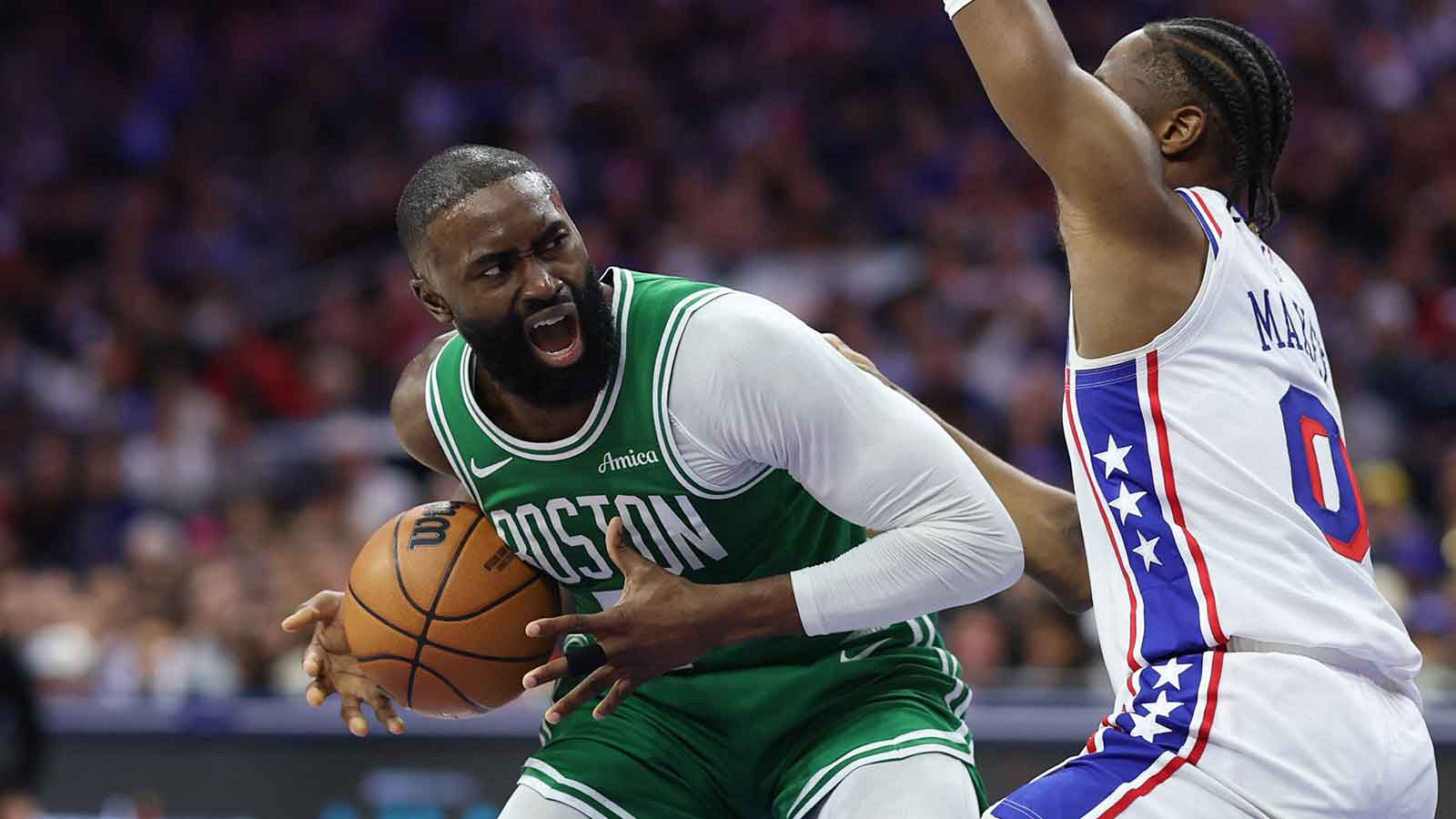
The 106-93 final score actually flatters a Boston team that looked entirely out of sorts for the vast majority of the evening. After a competitive first frame, the wheels didn’t just come off in the second quarter. Boston was practically incinerated. Philadelphia exploded for a 38-point period. This left the Celtics’ vaunted defense looking like a sieve Philly sliced through the lane with impunity.
Tyrese Maxey eventually scored 30 points by endgame, and Paul George was rediscovering his All-Star form with 23 of his own. Recall that the Sixers had already been embarrassed by 32 points twice in this very series. They played with the desperation of a squad facing extinction. Meanwhile, Boston played like a team that assumed the trophy would be delivered via courier. By the time the fourth quarter rolled around, the lead felt insurmountable. The prospect of a Saturday showdown in Boston became an ugly reality for the green and white.
Jaylen Brown
When you are the highest-paid player on the floor and the designated engine of your team’s transition attack, you cannot afford to be the reason everything stalls. Jaylen Brown’s 18 points led Boston’s box score. However, they were hollow in context.
The most glaring issue was his five turnovers. Each mistake was fuel for Philadelphia’s fast break. These turned defensive lapses into instant points. Brown often looked like he was trying to single-handedly swing the game back. He forced drives into traffic and lost his handle under pressure from Joel Embiid and the collapsing defense.
His -24 plus-minus tells the real story. When Brown was on the floor, the Celtics bled points. What’s more concerning is how it happened. This was about decision-making. Playoff basketball demands poise, especially from a player of Brown’s pedigree. Instead, he played rushed, impatient, and reactive.
Derrick White
All season long, Derrick White has been praised as the Celtics’ connective tissue. He keeps everything humming on both ends. In Game 6, that connection snapped.
White finished with 11 points on 3-of-8 shooting, The numbers, though, don’t fully capture how absent he felt. His offensive hesitation slowed the Celtics’ rhythm. This forced Jayson Tatum and others into tougher looks late in the shot clock. The ball didn’t move with the same purpose when it ran through him. The spacing suffered as a result.
Defensively, the issues were even more glaring. White is typically a disruptive presence at the point of attack. Here, however, he struggled to contain Maxey. The Sixers guard repeatedly turned the corner, attacked downhill, and dictated tempo without resistance. White’s rotations were a step late. His contests were a fraction too slow. Those small margins turned into big problems.
Jayson Tatum
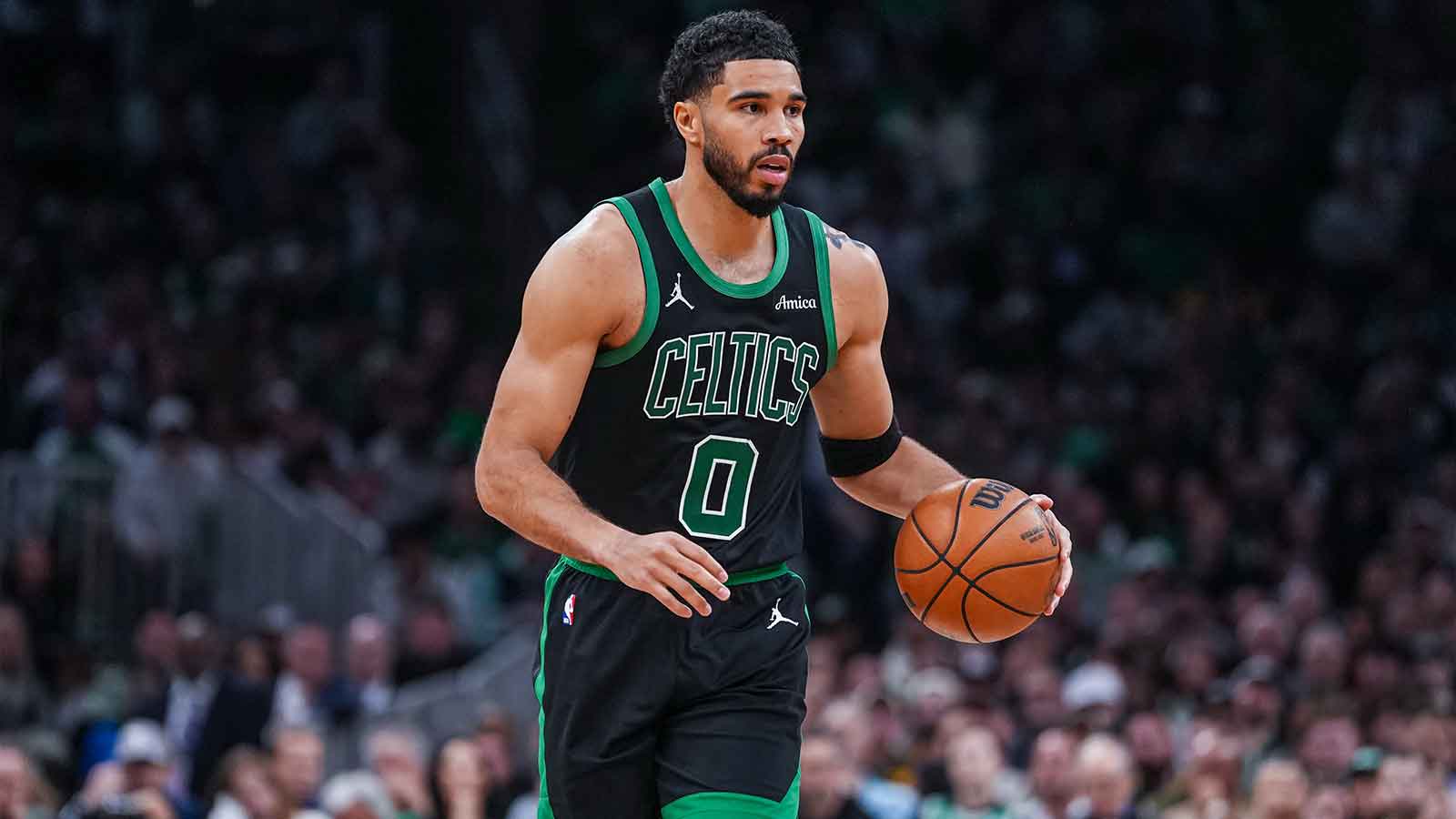
Superstars are judged differently, and rightfully so. Jayson Tatum had 17 points and 11 rebounds on 6-of-13 shooting. Those might look respectable at a glance. However, it falls far short of what the moment demanded.
This wasn’t about efficiency but presence. Tatum never imposed himself on the game. Sure, Maxey attacked relentlessly and Paul George found his rhythm. Still, Tatum settled. Too many possessions ended with contested jumpers. Too few had decisive drives that could have shifted momentum.
What stood out most was the lack of urgency during the second quarter collapse. As the lead ballooned, there was no signature run or visible attempt to wrest control back. Instead, Tatum often deferred. He allowed the offense to drift while Philadelphia tightened its grip. Of course, it’s also worth saying that Tatum’s third quarter injury also had a lot of impact on the loss.
Wake-up call
This loss was about a collective failure to meet the moment. The Celtics had an opportunity to end the series. Instead, they extended it, handing Philadelphia both momentum and belief.
Jaylen Brown’s lack of control, Derrick White’s disappearance, and Jayson Tatum’s passivity all contributed to a performance that felt disconnected from Boston’s identity. This is a team built on defense, ball movement, and composure. In Game 6, none of those traits were present.
Now, the series shifts back to Boston with everything on the line. What once looked like a formality has become a test of character.
The post Celtics most to blame for no-show Game 6 vs. 76ers appeared first on ClutchPoints.
What's Your Reaction?
 Like
0
Like
0
 Dislike
0
Dislike
0
 Love
0
Love
0
 Funny
0
Funny
0
 Angry
0
Angry
0
 Sad
0
Sad
0
 Wow
0
Wow
0