

.jpeg)
-(1).jpeg)







British and Irish Lions Guide: How the Lions Work, Who Plays and Why the Tours Matter
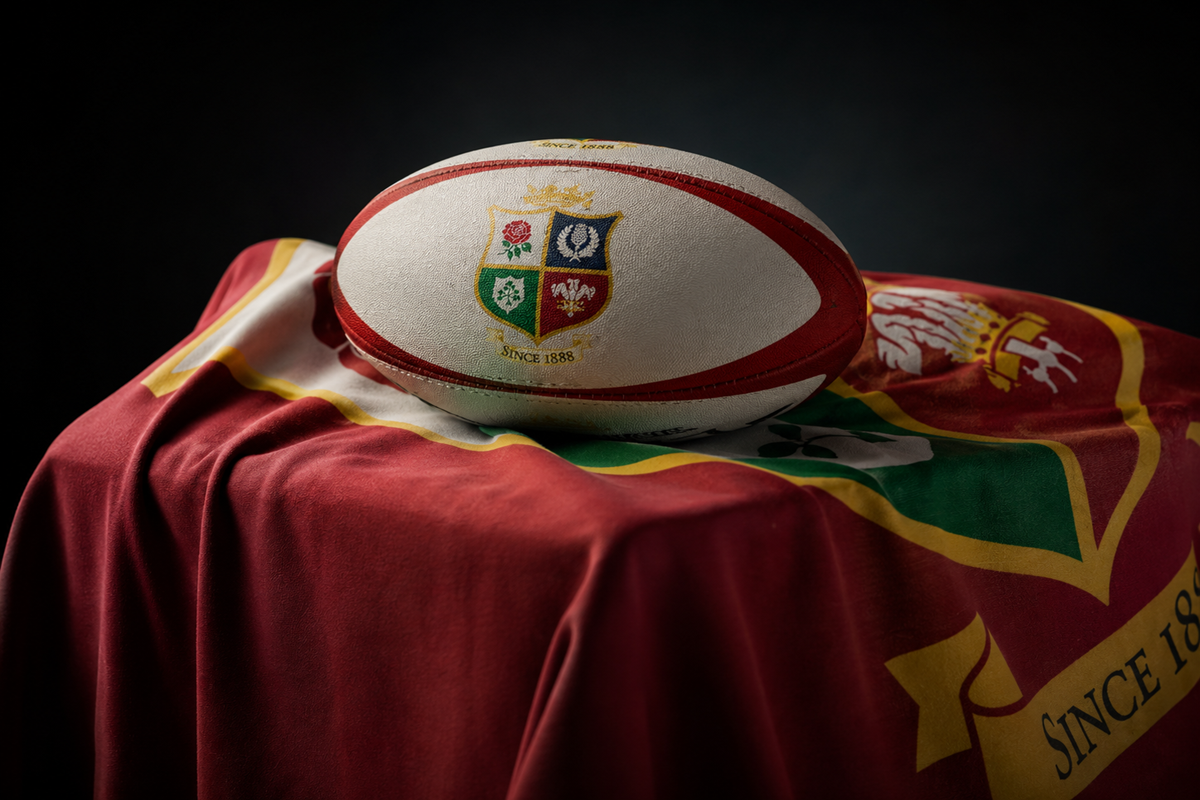
The British and Irish Lions are one of rugby union’s most unique teams.
They are not a normal national side. They do not play every year. They do not belong to one country. Instead, the Lions bring together leading players from England, Ireland, Scotland and Wales for major tours against the great southern hemisphere rugby nations.
That is what makes the idea so powerful. Players who spend most seasons fighting each other in the Six Nations suddenly wear the same red shirt. Rival fans also come together. For a few weeks, club colours and national loyalties give way to one shared cause.
The Lions’ men’s team usually tours every four years, with players selected from England, Ireland, Scotland and Wales to face Australia, New Zealand or South Africa. The official British and Irish Lions website describes the team as the best players selected from England, Ireland, Scotland and Wales.
For readers new to rugby union, this guide explains the basics. It covers who the Lions are, how selection works, why the tours matter, and why the red shirt carries such weight.
For more rugby explainers, visit our Sports Guides hub or follow the latest stories in our rugby coverage. Embed from Getty Images
Who Do the British and Irish Lions Represent?
The Lions represent four rugby nations:
England
Ireland
Scotland
Wales
That mix gives the team its special identity. A Lions squad can include a powerful English forward, an Irish playmaker, a Scottish finisher and a Welsh defensive leader on the same side.
In a normal rugby year, these players compete against each other. The Six Nations turns them into rivals. A Lions tour asks them to become teammates.
This is not always easy. Coaches must build trust fast. Players must learn new systems quickly. Combinations must form under pressure. There is little time for slow progress.
That is why Lions tours often feel different from standard international rugby. The squad is built on talent, but the real test is unity.
Why Are They Called the Lions?
The Lions’ name grew from the team’s touring tradition and identity. The red shirt, the badge and the idea of a combined touring side all helped shape the brand.
The shirt is now one of the most famous in rugby. For many players from Britain and Ireland, becoming a Lion is one of the highest honours in the sport.
It sits alongside World Cups, Grand Slams and club trophies. Some players even view a Lions Test cap as the rarest prize of all because there are so few chances to earn one.
A player may have a brilliant career and still never make a Lions Test side. Timing matters. Form matters. Injuries matter. So does competition for places.
That rarity is part of the appeal.
How Often Do the Lions Tour?
The Lions men’s team usually tours once every four years.
The three main host nations are:
Australia
New Zealand
South Africa
These tours are huge events. They are not quick one-off games. They include warm-up matches, regional fixtures and a Test series against the host nation.
The Test series is the heart of the tour. It usually decides how the tour is remembered.
A Lions team can win several warm-up matches, but the main judgment often comes down to the Tests. Beat the host nation in the series, and the tour becomes part of Lions history. Lose the series, and the tour can feel like a missed chance.
The 2025 Australia tour followed that classic shape, with Rugby Australia confirming a nine-match schedule, including three Tests against the Wallabies and six tour games.
How Are British and Irish Lions Players Picked?
The Lions’ selection is one of the biggest debates in rugby.
The head coach and coaching team pick a squad from players eligible for England, Ireland, Scotland and Wales. Form is vital, but it is not the only factor.
Selectors look at:
current international form
club form
fitness
experience
leadership
playing style
balance across positions
ability to handle pressure
A Lions squad is not just a list of famous names. It has to work as a team.
For example, a coach may pick a player who fits the game plan over a more eye-catching name. They may also choose extra leaders, strong set-piece forwards or versatile backs who can cover more than one role.
That is why selection always causes debate. Fans naturally want players from their own country included. But the Lions are not meant to be a fair split between four nations. They are meant to be the strongest touring squad available.
For more background on rugby competitions and formats, see our rugby union guides.
What Is a Lions Test Match?
A Lions Test match is a full international match between the British and Irish Lions and the host nation.
These are the games that define the tour.
Warm-up matches matter because they help the squad build rhythm. But Lions Test rugby is different. It is more intense, more physical and more emotional.
A typical tour includes three Tests. The aim is simple: win the series.
If the Lions win two of the three Tests, they win the series. If the host wins two, the host nation wins it. A drawn series can also happen, which adds to the drama and debate.
The Test team is usually the strongest available side. Places are hard to win. A player can make the touring squad and still not play in a Test.
That is why a Lions Test cap carries such value. Embed from Getty Images
Why Are Lions Tours So Special?
Lions tours matter because they are rare.
Most international teams play several Tests each year. The Lions do not. A player may only get one realistic shot at a tour. Some get two. Very few get three.
That creates pressure.
It also creates romance.
Fans travel in huge numbers. The “Sea of Red” has become part of the Lions’ culture. Supporters from England, Ireland, Scotland and Wales stand together in stadiums across the world.
For the host nation, facing the Lions is also a major event. Australia, New Zealand and South Africa treat Lions tours as landmark rugby moments. They bring history, money, attention and prestige.
A Lions series feels bigger than a normal summer tour because it carries decades of memory with it.
What Makes a Good Lion?
A good Lion needs more than talent.
They need to adapt. They must handle travel, pressure and short preparation time. They must also accept that no one is bigger than the team.
Some players arrive as national stars but have to fight for a place. Others begin outside the main Test picture and force their way in through midweek performances.
That is one of the best parts of a Lions tour. Reputations can change fast.
A strong Lion usually has:
high rugby intelligence
fitness and durability
mental toughness
team-first attitude
big-match temperament
respect for the shirt
The Lions are not a club team. They are not together for a full season. So character matters. Coaches need players who can connect quickly and put aside their egos.
How Does the Tour Squad Work?
A Lions squad needs depth across every position.
In rugby union, injuries are common. Tours are physical. Players can miss games due to knocks, fatigue, or failed head injury checks.
That means the squad must cover:
props
hookers
locks
back-row forwards
scrum-halves
fly-halves
centres
wings
full-backs
Versatility can be valuable. A back who can play centre and wing may have an edge. A forward who can cover lock and blindside flanker may also help the squad balance.
Tour games outside the Tests give players chances to press their case. They also allow coaches to test combinations.
This creates a natural story across the tour. Early matches raise questions. Mid-tour performances change the debate. Then the Test side takes shape.
Why Do Fans Argue So Much About Lions Selection?
The Lions’ selection is emotional because four rugby nations are involved.
An Irish fan may believe a player has been ignored. A Welsh fan may feel past Lions heroes deserve more respect. A Scottish fan may argue that form players are overlooked. An English fan may question why Premiership form is not valued enough.
That is part of the fun.
The Lions sit above normal national rivalry, but they never fully remove it. Debate is built into the idea.
Selection arguments often focus on three questions:
Who should make the squad?
Who should start the Tests?
How many players should come from each country?
The third question often causes the most noise. But Lions coaches usually insist on the same thing: the team should be picked on merit and balance, not on quotas.
For more opinion and analysis, follow our latest sports news section.
What Is the Difference Between a Lions Squad Place and a Lions Test Cap?
This is important.
Making the Lions squad is a major achievement. It means a player has been selected to tour.
Winning a Lions Test cap is even rarer. It means a player has played in one of the Test matches against the host nation.
Some players tour and never appear in a Test. Others may play several tour matches but miss out when the strongest side is chosen.
That can feel harsh. But it also explains why the Test shirt is so prized.
A Lions Test team is usually made up of players who have shown the right mix of form, fitness, leadership and tactical fit during the tour.
Why Do the Lions Play Warm-Up Matches?
Warm-up matches help the Lions become a team.
They are also important for the host country. Regional teams, Super Rugby sides and invitational teams get a chance to face one of rugby’s most famous touring sides.
For the Lions, these matches serve several purposes.
They build match fitness.
They test combinations.
They give squad players a chance.
They help coaches judge form.
They prepare the squad for Test intensity.
These games can be dangerous for the Lions. If they lose early, pressure builds. If they win well, expectations rise.
Either way, the tour story starts before the first Test. Embed from Getty Images
Do the Lions Still Matter in Modern Rugby?
Yes. In many ways, the Lions matter because modern rugby is so crowded.
The sport has club seasons, European competitions, domestic leagues, Six Nations campaigns, Rugby World Cups and summer tours. Yet the Lions still feel different.
They offer something rare: a combined team built on tradition, rivalry and shared identity.
The Lions also give rugby a story that reaches beyond one country. A tour can unite fans who spend most of the year disagreeing. It gives the game a wider stage.
There are challenges. Player welfare matters more than ever. Rugby calendars are packed. Clubs and unions must manage workloads carefully.
Even so, the Lions remain one of rugby’s strongest ideas.
What About the Women’s British and Irish Lions?
The women’s Lions project is a major step for the sport.
For years, the Lions’ idea belonged to the men’s game. That is changing. A women’s Lions team gives elite players from England, Ireland, Scotland and Wales a new shared target.
It also gives the women’s game another major event to build around.
This matters because women’s rugby has grown quickly. Bigger crowds, better coverage and stronger professional pathways have changed the sport. A women’s Lions tour can add another layer of ambition and visibility.
For young players, the message is clear: the red shirt is no longer only a men’s rugby dream.
British and Irish Lions Guide: Key Terms to Know
If you are new to the Lions, these terms help.
Tour: The full trip, including warm-up games and Tests.
Test match: The main international match against the host nation.
Test series: Usually three Tests. Win two and you win the series.
Tour match: A non-Test game against a club, regional or invitational side.
Lion: A player selected for the British and Irish Lions.
Lions Test cap: Awarded when a player appears in a Lions Test match.
Host nation: Australia, New Zealand or South Africa.
Sea of Red: The travelling Lions support, known for filling stadiums in red shirts.
Why the Lions’ Shirt Means So Much
The Lions shirt carries weight because it is hard to earn.
A player must first become one of the best in their own country. Then they must beat competition from three other nations. Then, once selected, they must prove they can fit into a new team under huge pressure.
That journey gives the shirt meaning.
It is not just about skill. It is about timing, trust and temperament.
Many great players have missed out on Lions tours. Others have achieved legendary status because of a single huge Test performance. That is the beauty of it.
The Lions can turn a strong career into a famous one.
How to Watch and Follow the Lions
Lions coverage usually builds months before a tour begins.
Fans follow squad predictions, coaching appointments, injury news, warm-up fixtures and Test selection debates. Once the tour starts, every match can shift the story.
To follow the Lions properly, watch:
Six Nations form
club knockout matches
injury updates
tour squad announcements
warm-up performances
Test selection calls
captaincy decisions
The best way to enjoy a Lions tour is to follow the full journey, not just the Tests.
The early games show which players are pushing hard. The midweek matches reveal depth. The Tests deliver the verdict.
Final Word: Why the British and Irish Lions Still Capture Rugby’s Imagination
The British and Irish Lions are not just another rugby team.
They are a touring idea built on history, rivalry and unity. They ask players from four proud rugby nations to come together, learn quickly and face the sport’s hardest opponents.
That is why the Lions still matter.
In a normal year, England, Ireland, Scotland and Wales chase their own goals. On a Lions tour, the best of them share one badge and one shirt.
The result is rugby with a different feel. It is intense, rare and full of debate. It creates heroes, heartbreak and stories that last for decades.
For new fans, the Lions are easy to understand once you know the basics. Four nations. One touring team. Three great southern hemisphere rivals. A red shirt that every player wants to earn.
That is the British and Irish Lions.
What's Your Reaction?
 Like
0
Like
0
 Dislike
0
Dislike
0
 Love
0
Love
0
 Funny
0
Funny
0
 Angry
0
Angry
0
 Sad
0
Sad
0
 Wow
0
Wow
0