
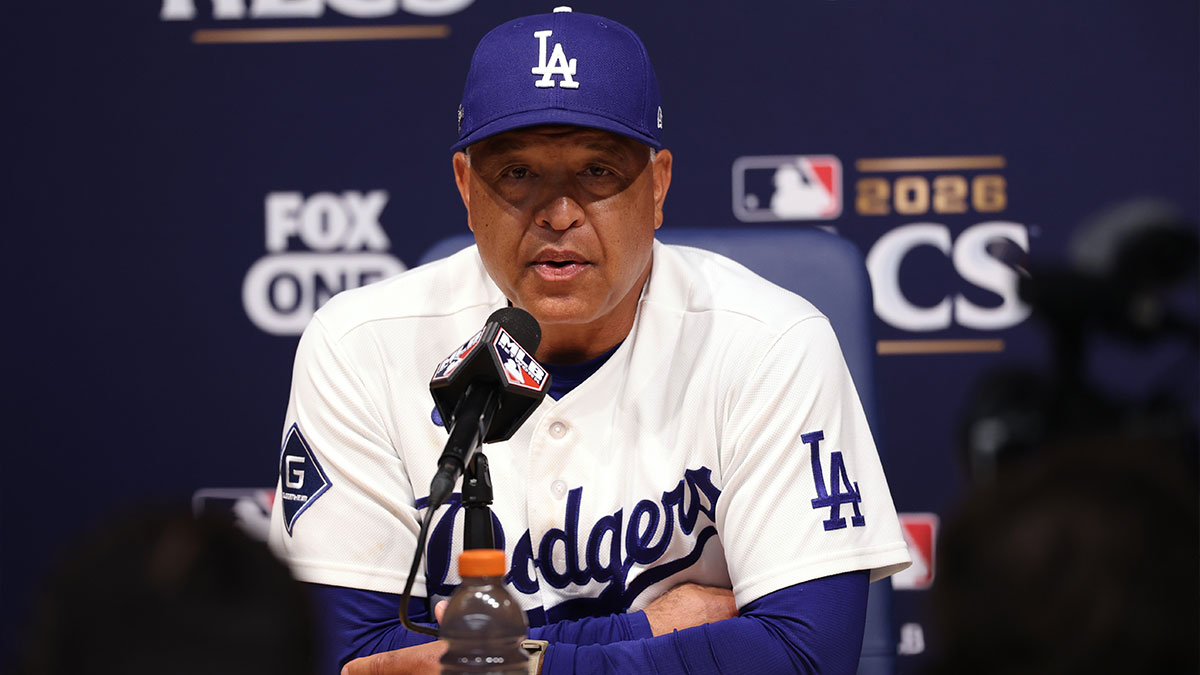
The Los Angeles Dodgers are officially on the brink of elimination after losing Game 3 of their NLCS matchup against the Milwaukee Brewers on Wednesday evening. The Brewers were in control of this game for most of the way, as has been the case throughout the series, and are now just a win away from returning the favor after the Dodgers swept them in the same round last year.
It's been a brutal series for Los Angeles, with Shohei Ohtani continuing to look like the worst player in the rotation amid his slump and injuries. However, even if the Dodgers are unable to pull off the second-ever 0-3 comeback in this series, it wouldn't be the worst thing in the world for the team.
To start, Los Angeles has already experienced immense success with this group, winning two straight World Series and three out of the last six. Three-peats in any sport are exceptionally rare for a reason, and there would certainly be no shame in losing to a Brewers team that won the most games in baseball this year.
The second, and perhaps most important, reason that the Dodgers might not be totally bummed if they do indeed lose this series is what it could mean for the future of the MLB as a whole. There has been rampant speculation throughout this season that a lockout could be on the horizon, with the league's lack of a salary cap being at the forefront of that issue.
Article Continues BelowThe Dodgers have long been the poster child for why the MLB should put one in place, frequently outspending the competition to load their roster with premium talent, but if this year's World Series came down to the Brewers and either the Cleveland Guardians or Tampa Bay Rays, each of whom is not near the top of the MLB payroll rankings, it could help quiet that debate and help Los Angeles continue to try to purchase more World Series championships in the future unimpeded.
Of course, the Dodgers would still prefer to rally in this series and hoist a third straight trophy. However, coming up short this year might ultimately still serve the team's best interests over the long haul.