



2 key 49ers struggling early during 2026 NFL training camp

The San Francisco 49ers have bolstered their offense by signing Deebo Samuel to a one-year contract valued at up to $7 million. Mike Evans welcomed this reunion, mentioning that he developed a connection with Samuel during their meeting at the Pro Bowl in 2021. Evans commended Samuel’s physical playing style, versatility, and energy, adding to San Francisco’s lineup, which now includes two veteran receivers with unique abilities to challenge defenses.
This signing became even more critical after Ricky Pearsall’s knee injury took a serious turn. General Manager John Lynch announced that Pearsall is expected to undergo season-ending surgery for the PCL injury that has troubled him since last season. The former first-round pick is projected to recover by 2027, which means the 49ers will need to reshape their receiving rotation for 2026 without him.
While San Francisco acted swiftly to address this setback, training camp has also revealed concerns in other areas. Two players have faced challenging starts and must respond as practices become more intense.
Cornerback Deommodore Lenoir
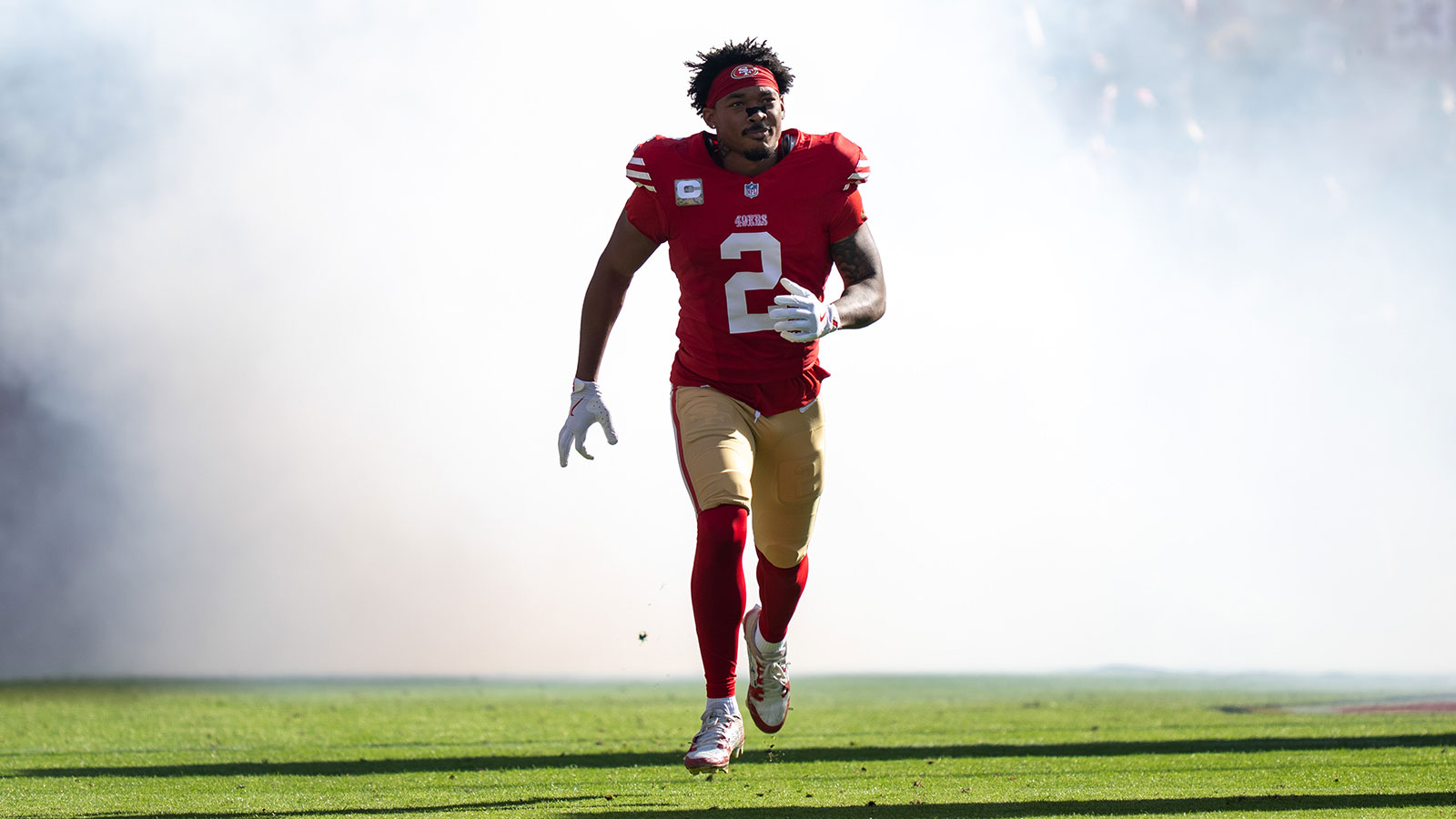
Lenoir entered training camp as a well-established member of San Francisco’s secondary. He started all 17 games in 2025, recorded two interceptions, and played over 1,000 defensive snaps. The 49ers also have him under contract through the 2029 season after signing him to a five-year extension in 2024. These factors make his early struggles notably more concerning than the typical mistakes made by a young reserve player. The first warning sign appeared during the opening practice, as Evans lined up against Lenoir in man coverage and easily beat him down the field for a long completion from quarterback Brock Purdy. While losing a rep to Evans isn’t embarrassing, given Evans’s track record of success against quality defensive backs, what was troubling was the ease with which he separated from Lenoir.
Lenoir wasn’t simply outmuscled at the catch point, as he allowed Evans to get behind him, creating enough space for Purdy to make the throw without needing to complete a contested catch. For a starting cornerback expected to handle difficult assignments, allowing that level of vertical separation is a serious concern that needs to be monitored closely. When the first padded practice occurred, Lenoir needed to respond positively, but that didn’t happen, and during one-on-one drills, Evans won every matchup against him.
Individual drills naturally favor the receivers, as defensive backs do not receive any help from safeties or the pass rush, but repeated losses still carry significance. Cornerbacks use these drills to refine their press technique, footwork, and ability to stay connected throughout the route. Unfortunately, Lenoir struggled to consistently disrupt Evans at the line or challenge him at the finish.
The concern extends beyond merely one veteran receiver having a productive day, as the same matchup continued to tilt in favor of Evans throughout the early stages of camp. San Francisco brought in Evans to be a major red-zone weapon and a reliable target for Purdy, not solely as the fastest receiver on the roster, but when Evans can create downfield separation against one of the team’s highest-paid defensive backs, it offers encouragement for the offense while raising alarms for the defense.
His role further underscores the importance of these issues, as San Francisco needs him to provide stability while the secondary adjusts under defensive coordinator Raheem Morris. His experience allows him to play both outside and inside, but this versatility is only valuable if he can consistently excel in coverage, and the 2025 season had already indicated that there was room for improvement. While Lenoir was productive enough to start every game, his five passes defended were fewer than in each of the previous three seasons. Training camp presented an opportunity to set a higher standard. Instead, he has spent the initial practices chasing Evans and correcting avoidable mistakes.
That said, there is no need to panic after just four sessions, as Lenoir has demonstrated that he can handle meaningful snaps, and competing against Evans daily should ultimately enhance his technique. Furthermore, Evans has spoken positively about sharing knowledge with San Francisco’s defensive backs, which could make these challenging practices beneficial. Still, his early struggles are concerning, especially since his performance has not matched his established status. The 49ers need him to challenge receivers’ releases, avoid giving them easy vertical access, and force them to make difficult catches. Until he starts winning some of these matchups, his training camp will remain an uncomfortable storyline.
Offensive lineman Carver Willis
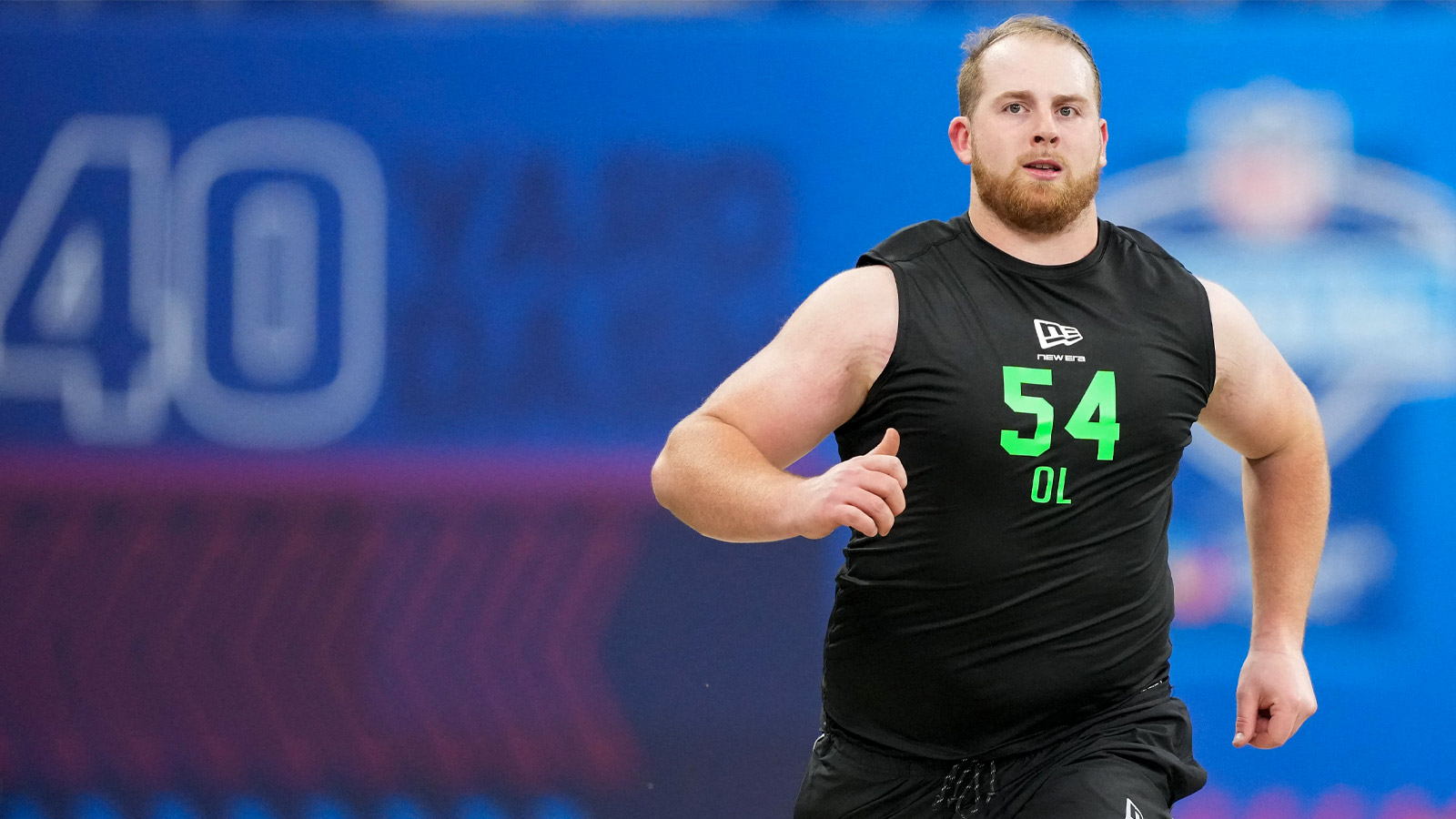
Willis entered the NFL with the opportunity to be more than just a developmental rookie. San Francisco selected the Washington offensive lineman with the 127th overall pick in the fourth round of the 2026 NFL Draft, and his versatility made him an intriguing addition to a team that needed competition at guard, despite his previous experience playing tackle in college. The early non-padded practices provided the coaching staff with only a limited view of Willis’s abilities. Offensive linemen cannot be properly evaluated without contact, as their performance relies on leverage, balance, hand placement, and the ability to absorb power. Therefore, Friday’s first padded session served as an important checkpoint.
During the one-on-one drills, Willis struggled. Defensive tackle Sebastian Valdez consistently caused problems for the rookie, utilizing both power and quickness to win their matchups, and Willis had difficulty establishing a firm base and preventing Valdez from penetrating the pocket. This performance stood out because it provided the clearest physical test of the camp to that point, and the rookie did not respond well. It’s important to remember that one difficult period does not define an offensive lineman, especially a fourth-round pick transitioning from college.
He is in the process of learning new techniques, terminology, and potentially new positions. Moving from tackle to guard alters the speed and dynamics of each snap, and interior defenders can reach the blocker more quickly because space disappears almost instantly, and mistakes in hand placement are quickly punished before a lineman can recover. He also was drafted partly because San Francisco believed he could compete for an early role, and Connor Colby has been handling the first-team work at left guard, while Willis has had opportunities behind him and at different positions. If the rookie wants to change that situation, he must make the most of his padded practice sessions. Losing decisively in his initial pass-protection test does not help him close the gap.
The competition extends beyond just the starting lineup. Willis must demonstrate that he can provide reliable depth on game days. Backup offensive linemen often need to cover multiple positions since teams cannot activate a specialist for every potential injury. His versatility should be an advantage, but it will not guarantee him a role if he cannot establish a solid anchor against NFL power. Valdez deserves credit for an impressive session, but Willis must show that this result was a learning experience rather than a persistent weakness. Regular-season defensive fronts will feature stronger, faster, and more technically proficient players. If his base becomes narrow or his hands arrive late, professional pass rushers will exploit those flaws repeatedly.
The good news for Willis is that he has time and access to exceptional coaching. Offensive line coach Chris Foerster has extensive experience developing players, and Trent Williams serves as an invaluable example within the same room. The rookie can observe how veteran linemen recover after losing initial contact and maintain balance against powerful interior rushers.
For now, Willis is one of the key 49ers struggling early in camp. Lenoir needs to rediscover consistency against veteran receivers, while Willis must prove that his technique can withstand the rigors of padded practice. Neither problem is insurmountable, but both players need to improve before San Francisco can consider these concerns resolved.
The post 2 key 49ers struggling early during 2026 NFL training camp appeared first on ClutchPoints.
What's Your Reaction?
 Like
0
Like
0
 Dislike
0
Dislike
0
 Love
0
Love
0
 Funny
0
Funny
0
 Angry
0
Angry
0
 Sad
0
Sad
0
 Wow
0
Wow
0