




Wild but brilliant move Steelers must make in 2026 NFL Draft
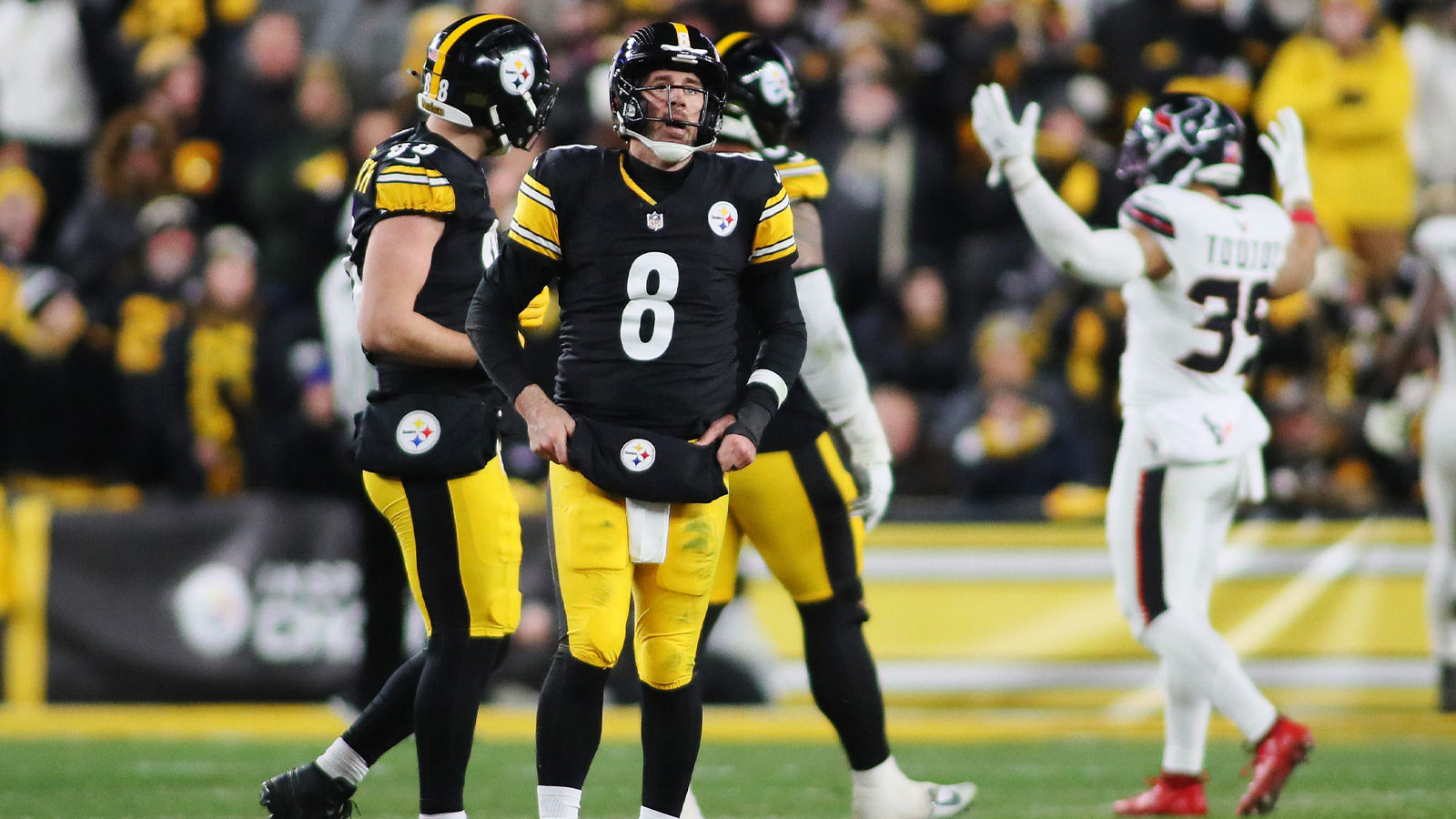
Recently, Mel Kiper Jr. projected that Penn State guard Olaivavega Ioane will be selected by Pittsburgh with the 21st pick, and this assumption is based on the idea that Aaron Rodgers will return, allowing the Steelers to focus on drafting a quarterback later in the draft.
Ben Roethlisberger has echoed this sentiment, suggesting that Pittsburgh should continue to draft offensive linemen early until the offensive line becomes a definite strength, and while both perspectives have merit, they don’t fully capture the best draft strategy.
Pittsburgh should aim for something more ambitious than simply selecting a lineman and calling it a day, and the bold yet strategic move would be to use their first pick on an offensive lineman, then use some of their extra draft capital to move back into the late first round for a quarterback.
Art Rooney II has expressed that he expects an update from Rodgers by the time of the draft, and they entered with the 21st pick and a total of 12 selections, including several later picks. This unique combination allows them to have both the urgency to address immediate needs and the resources to build for the future without compromising their current standing.
Many teams struggle during drafts by viewing each need as a competing priority.
They may hesitate to draft a quarterback if Rodgers returns, or linger on bolstering their offensive line while considering other positions like receiver or cornerback, and by the time these conversations conclude, the team’s draft strategy often becomes muddied and reactive.
Pittsburgh cannot afford this kind of indecision, especially with the draft taking place in their own city and with Rodgers’s future still pending.
Thus, they need to recognize that simply making an early selection isn’t sufficient for the roster’s requirements. If he stays, the team should draft to maximize a one-year push, while also ensuring they don’t overlook the future quarterback situation, and if he doesn’t return, the rationale remains similar: a solid offensive line is crucial, and having a quarterback with a fifth-year option becomes even more important.
In either scenario, the draft provides the Steelers an opportunity to think in two layers rather than one.
Start with the line
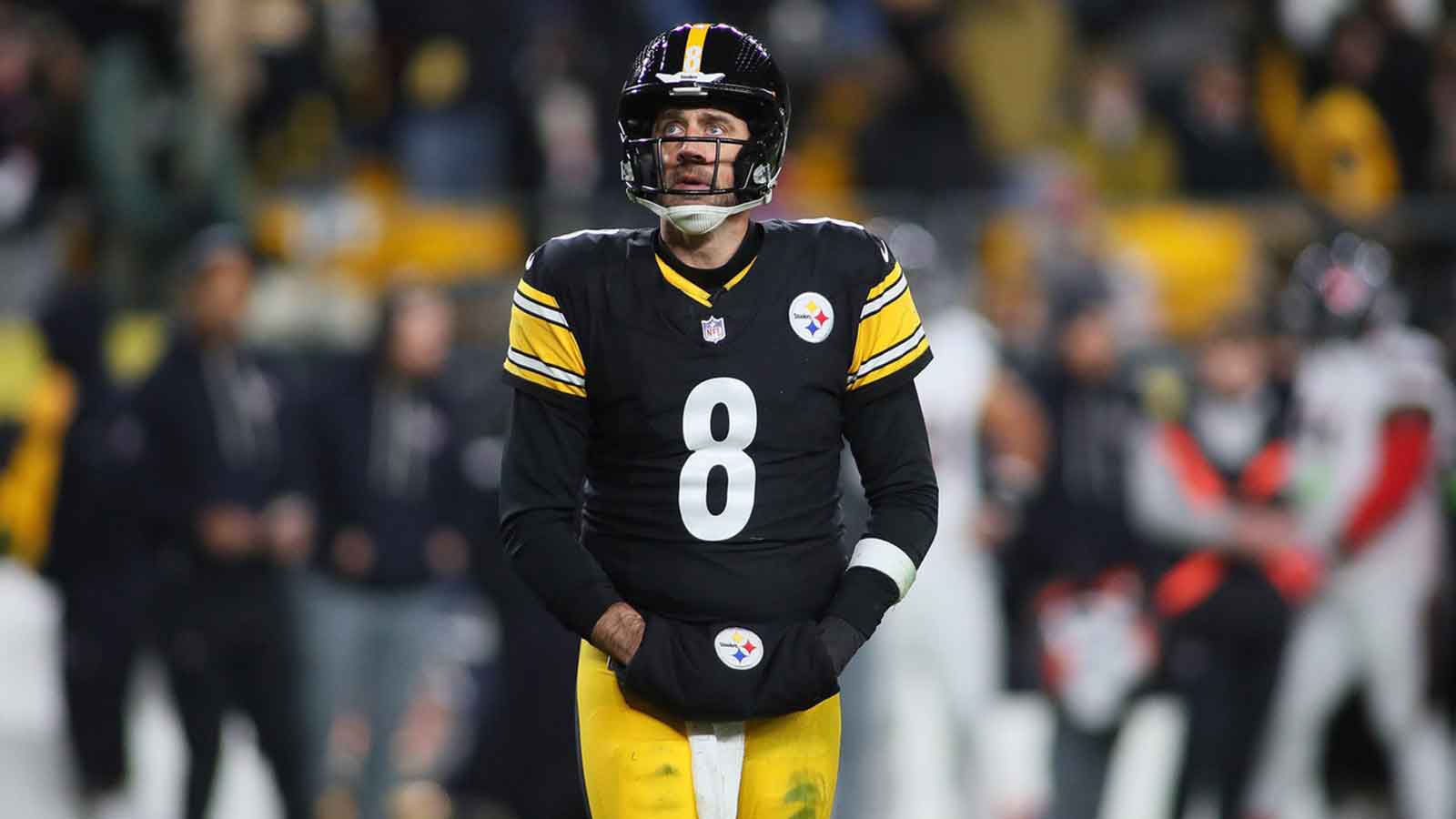
The 21st pick should be used to select the best offensive lineman available, without question, and this decision should not rely solely on traditional draft practices, the opinions of Roethlisberger, or trends in mock drafts.
The practical reason for this is that while the Pits have enough young players on the offensive line to benefit from one more high-level addition, they still need to keep investing in the line.
Kiper’s projection of Ioane highlights an important point: adding another interior lineman could improve the entire offensive line and reduce the need for weekly improvisation, and this tells a lot about protecting Rodgers, or any backup quarterback who might need to step in, and it will enhance the overall run game. Most importantly, a strong offensive line allows offensive coordinators to design plays without being driven by fear.
The first pick should prioritize immediate contributions without the anxiety related to the quarterback situation, and the aim should be to find the best lineman available.
If that happens to be a guard, take him, but the goal is to acquire an offensive lineman who can start and minimize offensive breakdowns.
This strategy aligns well with Pittsburgh’s draft positioning, because the team holds the 21st pick, followed by the 53rd, and additional third-round selections at 76, 85, and 99. This isn’t a situation where the team needs to maximize every decision in their first selection, but it is an opportunity for them to use one premium pick for certainty while pursuing high-upside options with the remainder of their selections.
Once the offensive lineman is secured at 21, Pittsburgh can focus on maximizing support for Rodgers now, while also preparing for the future in case he departs, and this draft allows them to effectively address both immediate and long-term needs.
Go back for the quarterback
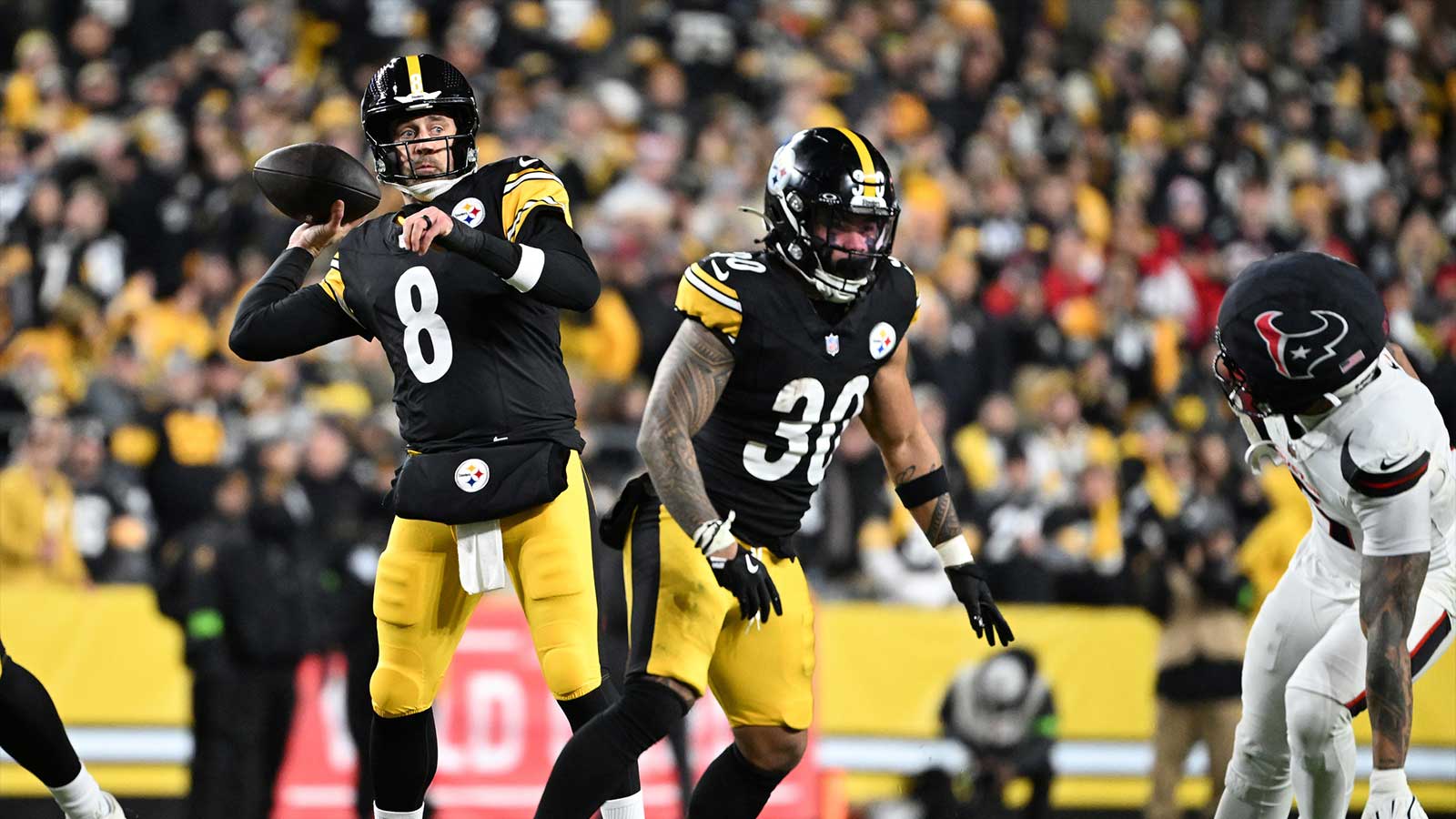
Here is where the strategy becomes genuinely interesting.
After strengthening the offensive line, the Steelers should consider using some of their Day 2 surplus to jump back into the last few picks of Round 1 to select a quarterback they believe can sit, learn, and eventually start.
Some may find this contradictory, but it is not, and a true contradiction would be drafting a quarterback at 21 simply because there are concerns about Rodgers leaving, while ignoring the offensive line again and pretending that the next passer can thrive behind an unstable setup.
Drafting a lineman first and then trading back into the round for a quarterback is a coherent sequence, with one choice aimed at the present and another at the future, both based on the fundamental team-building principle: put the young quarterback in a healthier environment before giving him the keys to the franchise.
Pittsburgh is especially well-positioned to execute this plan, and with four third- and fourth-round selections, plus a total of a dozen picks, they have the flexibility to make bold decisions as the draft unfolds.
If another team falls in love with a corner or edge rusher and wants to trade back into the middle of the third round, that’s fine.
There’s another important reason why this strategy makes sense.
Fifth-year options are critical at premium positions, and quarterback is at the top of that list. One taken at the end of the first round gives the team an additional year of control at the most expensive position in sports, and this is crucial for roster management because if they hit on that player, the organization gains time and patience all at once.
This approach wouldn’t lead to immediate upheaval, and late-first-round quarterbacks often end up in poor developmental situations, being pushed to fix franchises right away or thrown into lineups without the necessary support.
The Pits would provide a different environment with a veteran presence and a fanbase that understands football well. Let the rookie observe and absorb the offense, allowing the contract clock to start in a way that benefits the team instead of rushing him into action due to a lack of a bridge.
And if Rodgers does not return by draft week? Interestingly, the strategy still holds. The veteran situation may change, but the approach remains sound, and prioritizing a lineman first still makes sense, and moving back into Round 1 for a quarterback becomes even more justifiable. Thus, the draft strategy is resilient regardless of Rodgers’ decision, which strengthens its appeal.
More importantly, this approach helps them avoid two common drafting mistakes.
One would be selecting a quarterback at 21 simply because it seems the obvious choice, and the other would be completely disregarding the future just because Rodgers might play one more season. Both options are shortsighted for a team that possesses this much draft leverage.
This is where intelligent draft rooms set themselves apart because they think about how it influences subsequent choices, and a lineman taken at 21 allows for a more patient quarterback selection instead of a desperate one.
Conversely, a quarterback selected at the end of Round 1 enables the rest of the draft class to focus on support roles rather than creating a sense of panic about succession, and in the end, everything becomes interconnected.
For a franchise that has oscillated between competitiveness and incompleteness, this type of connected draft would be far more valuable than merely achieving a safe outcome.
Many teams can draft one starter and pat themselves on the back for progress, and the Pits have the opportunity to leave the draft with a stronger offensive line and a majority of their draft class still intact. That’s how a well-structured board transforms into a meaningful one.
So yes, the right move is to stop pretending the Steelers must choose between the present and the future.
The post Wild but brilliant move Steelers must make in 2026 NFL Draft appeared first on ClutchPoints.
What's Your Reaction?
 Like
0
Like
0
 Dislike
0
Dislike
0
 Love
0
Love
0
 Funny
0
Funny
0
 Angry
0
Angry
0
 Sad
0
Sad
0
 Wow
0
Wow
0