

![[WATCH] 'Masterchef' Vaibhav Sooryavanshi cooks roti in fun off-field activity amid IPL 2026](https://media.crictracker.com/media/attachments/1778579233679_Vaibhav-Sooryavanshi.jpeg)
.jpeg)

Rockets’ biggest 2026 NBA trade deadline mistake after making 0 deals
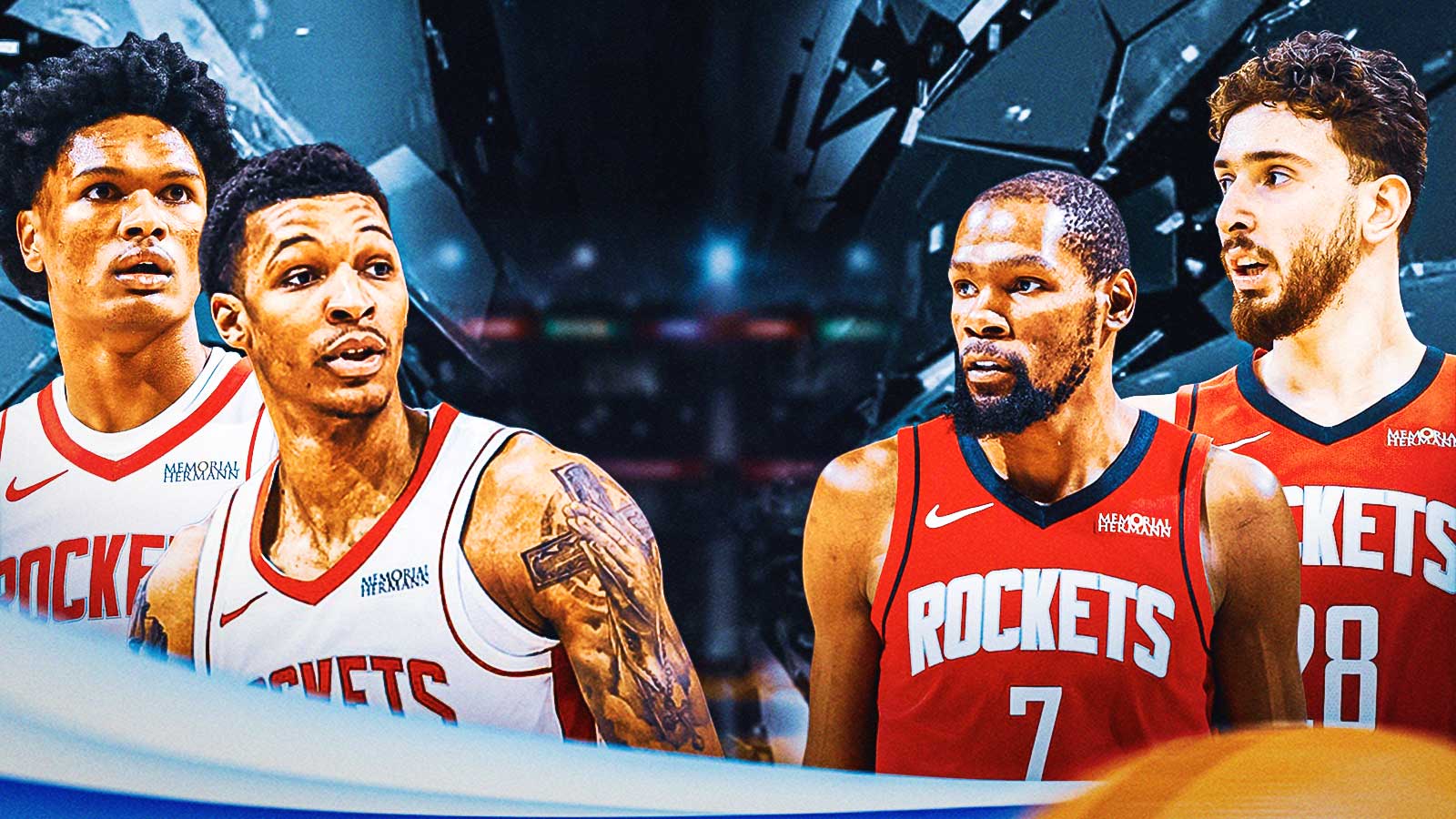
When a franchise trades for Kevin Durant, it signals genuine urgency for a championship. Windows don’t stay open forever, after all. That’s especially true when they’re built around generational stars in their mid-30s. That’s why the Houston Rockets’ silence at the 2026 NBA trade deadline landed with such a thud across league circles. This season, Houston has looked every bit like a Western Conference heavyweight. Strangely enough, the front office’s decision to stand pat may ultimately be remembered as hesitation at the exact moment contention demanded conviction.
Early dividends
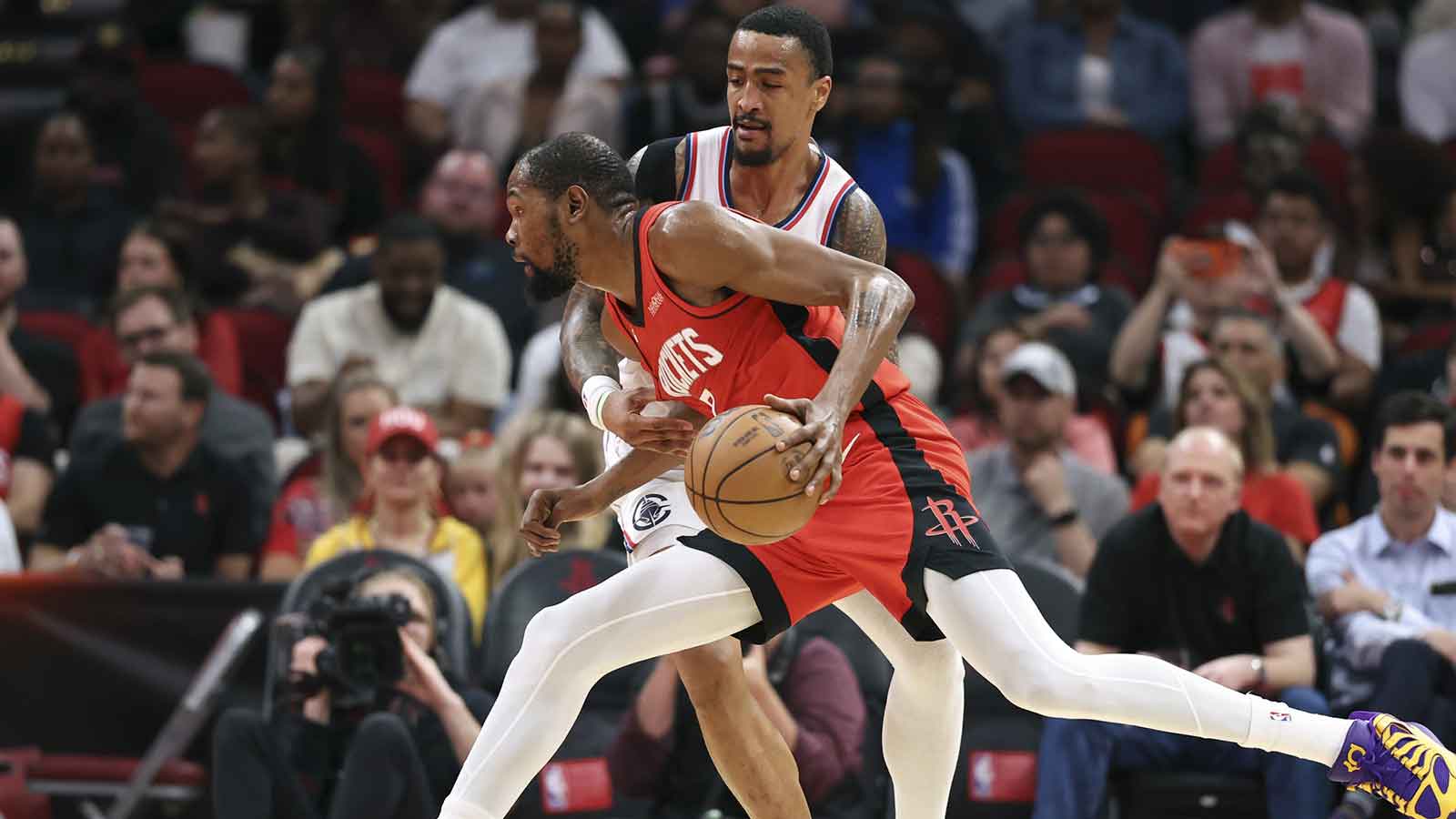
The Rockets’ 2025-26 campaign has been defined by transformation. The blockbuster offseason acquisition of KD instantly recalibrated expectations from developmental patience to championship urgency.
As of mid-February 2026, Houston sits at 32-19. They currently hold 4th place in a brutally competitive Western Conference. Under head coach Ime Udoka, the Rockets have built their identity on defensive ferocity. They rank 4th in points allowed at 110.0 per game and 5th in overall defensive rating. Those numbers validate Udoka’s culture-first blueprint.
Even more impressive is how Houston has sustained that identity amid major injury adversity. Veteran leader Fred VanVleet was lost before the season even gained traction, suffering a torn ACL. More recently, Steven Adams underwent ankle surgery that ended his season. That has stripped Houston of interior depth and physicality. Still, the Rockets have kept winning.
Offensive evolution
Without a traditional lead guard, Houston has pivoted offensively into a “playmaking by committee” ecosystem.
Alperen Sengun has blossomed into a point-center hub. He averages 20.8 points and 6.3 assists while orchestrating offense from the elbows. Amen Thompson’s downhill explosiveness has added another layer. The athletic wing produces 17.8 points per game while shouldering secondary creation duties.
Durant, meanwhile, remains the offensive north star. His 25.9 points per night anchor late-game execution and half-court shot creation. That’s particularly true in clutch moments where Houston leans on isolation efficiency.
Young wings like Jabari Smith Jr have also absorbed larger responsibilities due to injuries. Meanwhile, the backcourt rotation, though productive, has been stretched thin.
The record reflects a contender. The roster balance, however, tells a more fragile story.
Silence that spoke loudly
The Rockets’ biggest 2026 trade deadline mistake wasn’t a trade they made but the absence of one entirely. Houston was one of only three teams league-wide to remain completely inactive on February 5. For a contender built around an aging superstar, inactivity invites major scrutiny.
Championship teams historically sharpen edges at the deadline. Houston chose instead to trust internal solutions. That gamble begins at the point guard position.
VanVleet’s absence has been the season’s defining structural disruption. Since his season-ending ACL tear, Houston has operated without a traditional floor general. The statistical consequences are clear. As of the deadline, the Rockets ranked 26th in turnover percentage. They curently average 15.1 giveaways per game.
Without VanVleet’s tempo control and decision-making, the offense has leaned heavily on committee creation. Thompson, Sengun, and Reed Sheppard have all contributed playmaking bursts. That said, none replicate the stabilizing orchestration VanVleet once provided.
The ripple effect is most visible in Durant’s role. Rather than functioning purely as a scoring assassin, he’s been forced into extended facilitation sequences. That has raised usage strain and may potentially cap late-round playoff efficiency. That imbalance is a postseason vulnerability.
Missed targets
What amplifies the miscalculation is that Houston was actively linked to solutions but landed none. Coby White emerged as an early trade target. Houston explored pathways with Chicago. They viewed White as a scoring guard capable of alleviating playmaking pressure. Those talks ultimately dissolved when White was moved to Charlotte.
The Rockets quickly pivoted to Ayo Dosunmu, a defensive-minded guard who fit Udoka’s identity. Yet Minnesota finalized a deal for Dosunmu before Houston could escalate negotiations.
Now, the franchise’s contingency planning rests heavily on the buyout market. That’s an unpredictable avenue dependent on timing and player preference. Veterans like Chris Paul and Lonzo Ball loom as speculative options. However, buyout acquisitions rarely reshape playoff ceilings.
Houston had trade leverage. Two viable rotation upgrades. Two missed opportunities. They chose patience instead.
Frontcourt fragility
The second silent flaw lies behind Sengun. Adams’ season-ending ankle surgery stripped Houston of its physical interior insurance. Without him, the Rockets’ backup center rotation lacks playoff-proven durability. Standing pat meant bypassing available reinforcements.
Nick Richards, later acquired by Milwaukee, would have provided rim protection and rebounding stability. Even Nikola Vucevic, who was eventually moved to Boston, offered offensive spacing and veteran interior presence. Houston pursued neither aggressively.
Now, the Western Conference landscape is filled with elite bigs like Nikola Jokic, Victor Wembanyama, and Chet Holmgren. With that, frontcourt depth becomes survival, not luxury.
Contention demands aggression
The philosophical debate surrounding Houston’s deadline centers on timeline alignment. This is no longer a rebuilding team gathering reps. This is a Durant-anchored contender with defensive infrastructure and home-court aspirations. Standing still in that context carries risk.
Of course, continuity has value. However, postseason series often hinge on marginal advantages. Those include bench creation, foul insurance, and late-game ball security. Houston addressed none externally.
To the front office’s credit, the Rockets’ restraint reflects belief in internal progression. Udoka’s system emphasizes role clarity and defensive accountability. Overhauling rotation chemistry midseason carries its own risks. Houston chose trust over urgency.
Final word
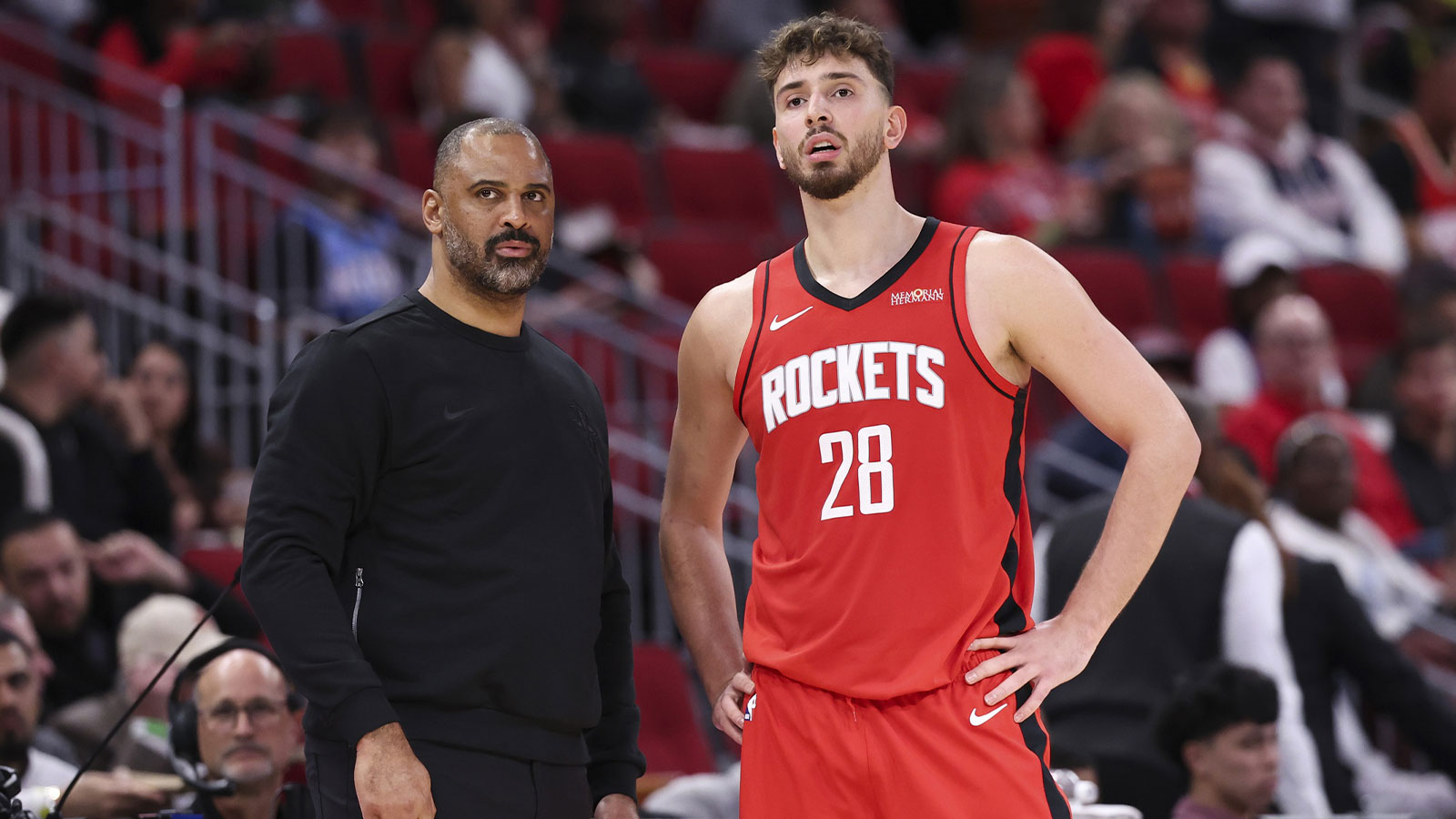
The Rockets are still true title contenders. Their record, defense, and superstar shot creation make that undeniable. February, though, is where champions sharpen edges. Houston sheathed the blade.
If internal playmaking stabilizes and the buyout market delivers reinforcement, the silence will be reframed as discipline. If postseason possessions unravel under pressure, the narrative will harden. Because when Kevin Durant is on your roster, standing still at the deadline might turn out to be a gamble with championship consequences.
The post Rockets’ biggest 2026 NBA trade deadline mistake after making 0 deals appeared first on ClutchPoints.
What's Your Reaction?
 Like
0
Like
0
 Dislike
0
Dislike
0
 Love
0
Love
0
 Funny
0
Funny
0
 Angry
0
Angry
0
 Sad
0
Sad
0
 Wow
0
Wow
0