

.jpeg)


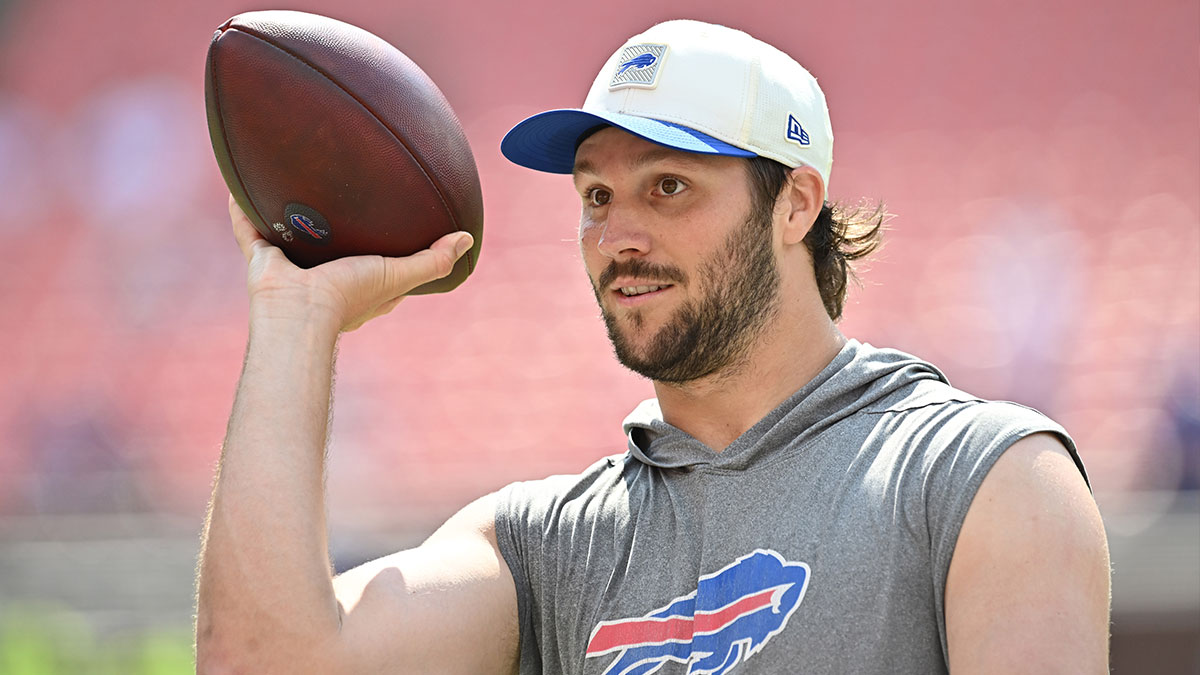

Packers’ perfect 2026 NFL Draft trade
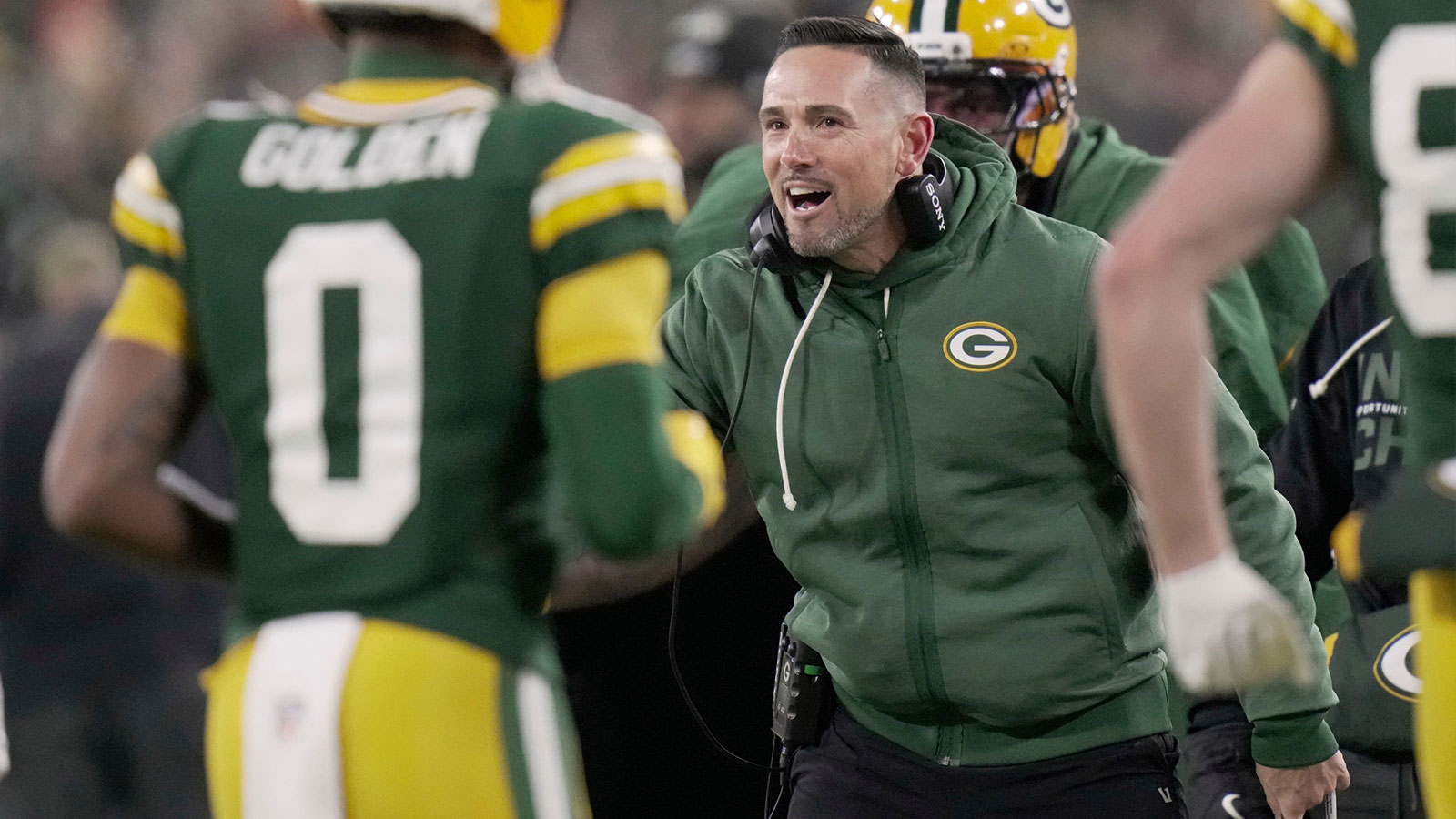
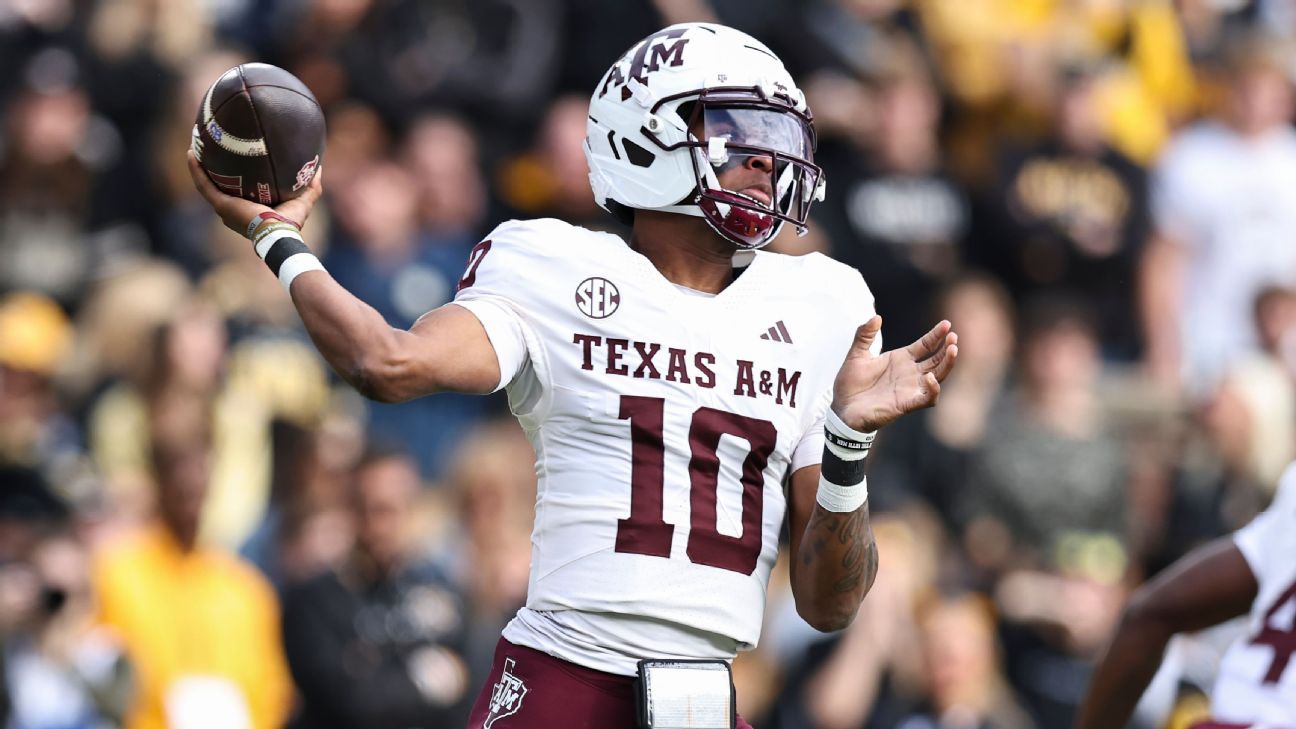
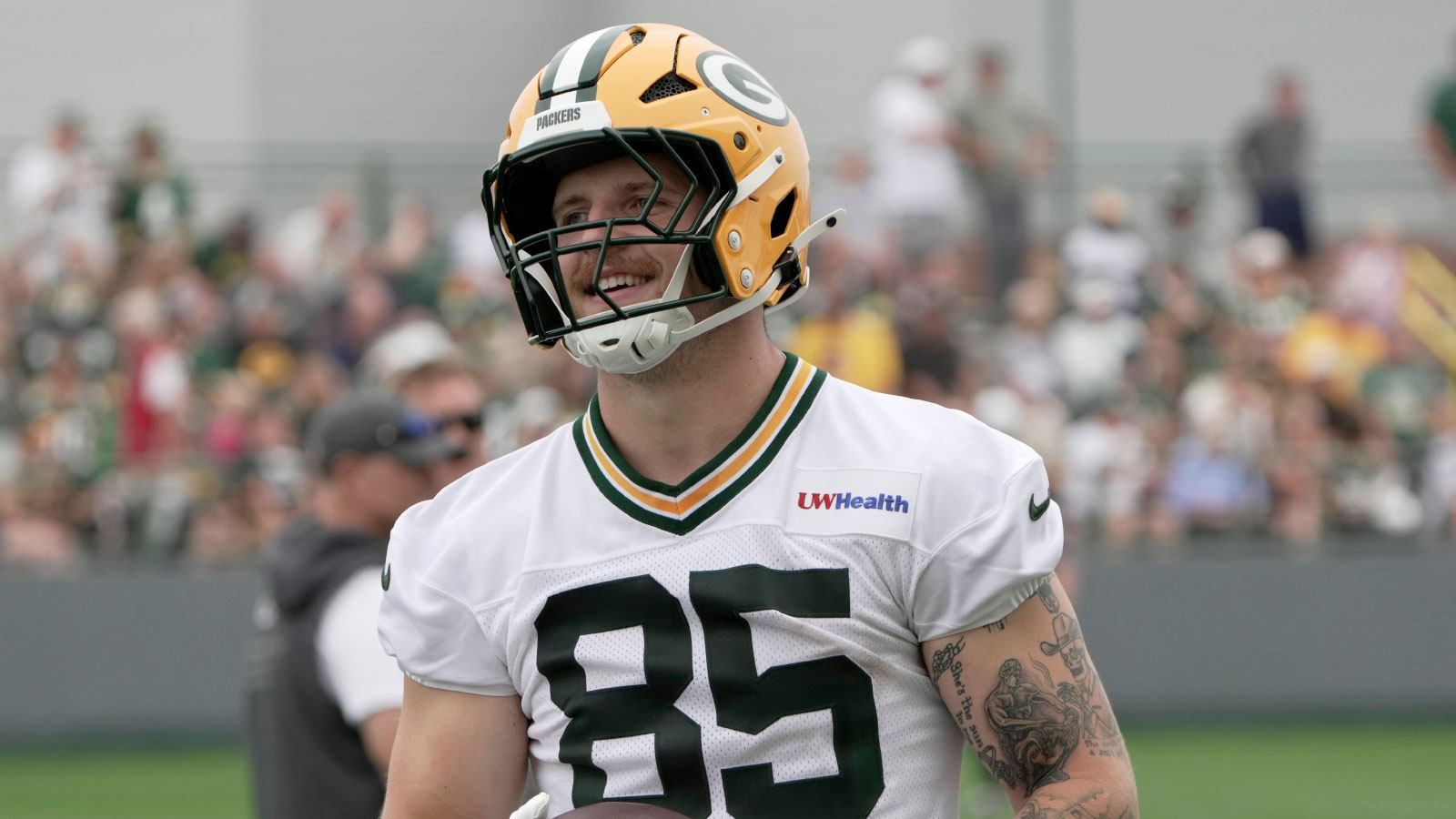
Green Bay’s draft strategy has been framed in two main ways recently. One perspective, presented by ESPN’s Ben Solak, suggests that the Packers might consider Arkansas quarterback Taylen Green as a developmental replacement for Malik Willis later in the draft.
Another view, supported by Randall Cobb, argues that the receiver position does not need immediate reinforcements, especially after Matthew Golden’s inconsistent rookie season. When combined, these ideas suggest that the start of the weekend’s draft looks less complicated than what the public discussion implies.
The best trade option for Green Bay would be to move up a short distance from No. 52 to select an offensive tackle, and this approach is preferable to simply staying put and makes more sense than using that pick on a quarterback or another receiver.
The structure of this draft class supports this strategy as well because the Packers have eight picks overall, starting with 52 and 84, followed by 120, 153, 160, 201, 236, and 255, and it provides enough flexibility to make a small trade without compromising the rest of the draft.
Once the second round begins, offensive tackles tend to reach a point where the last players with a real chance to contribute effectively are taken, and the focus shifts towards interior players, longer-term projects, or those with specific limitations. Sitting at No. 52 runs the risk of reaching that point in the draft, and moving into the high 30s or low 40s would mitigate this risk while still allowing the Packers to maintain the rest of their draft class.
So, the strategy needs to be important because the roster needs an additional solution for the offensive line in front of Jordan Love, and while the line isn’t falling apart, it’s not settled either.
A team coming off a difficult season like Green Bay’s should be aiming to acquire a player who can help improve the offense in the next two seasons, rather than simply selecting the most intriguing name remaining on the board. An offensive tackle would better meet this need than the alternatives.
Quarterback is the easiest position for distractions.
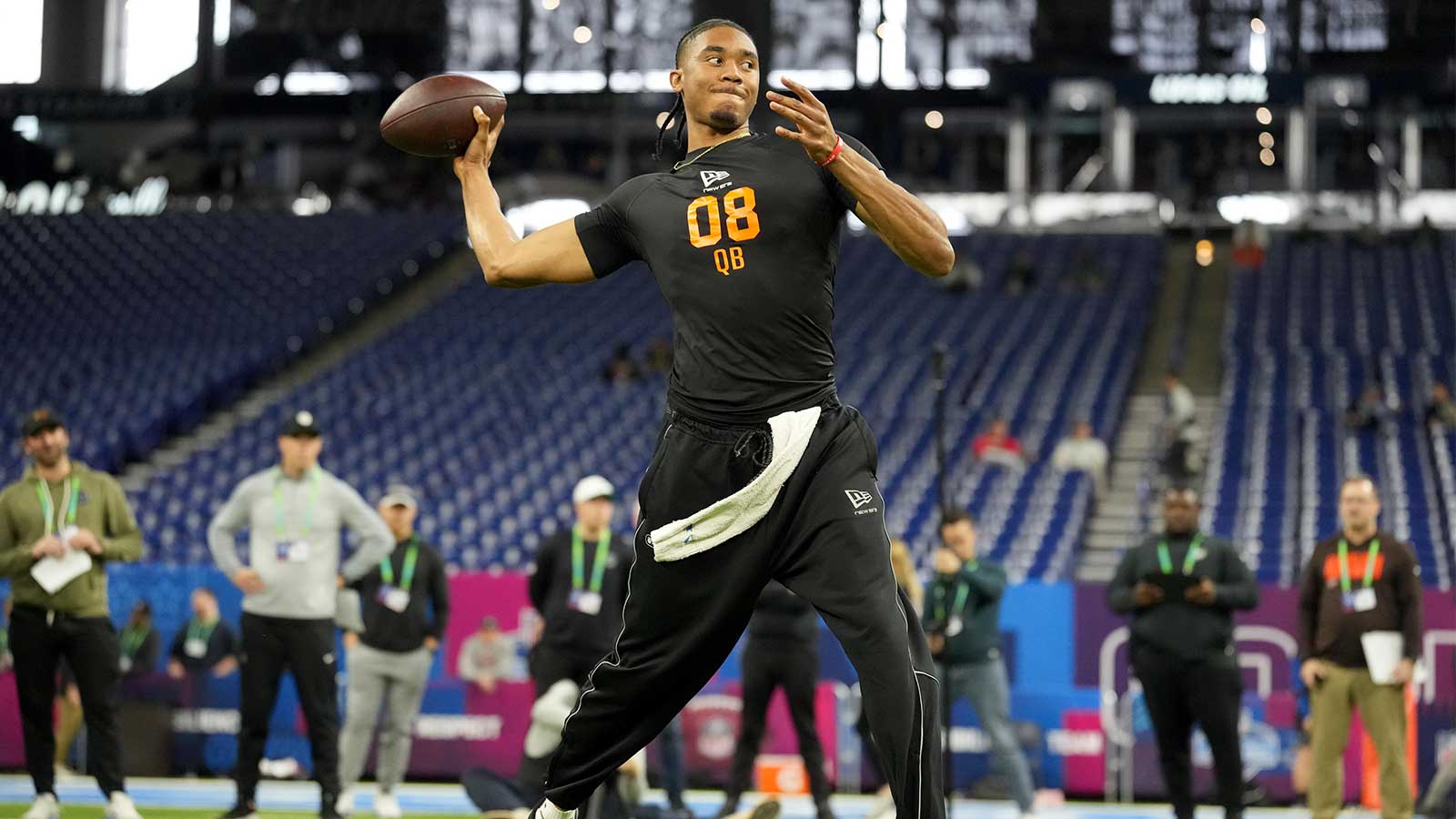
Solak’s idea of drafting Taylen Green makes some sense in isolation because Green Bay has experienced the benefits of having competent backup quarterback play. However, it’s hard to justify using a primary pick on a player who will require time to develop, especially when there are more pressing needs on the roster, and selecting a developmental quarterback on Day 3 is one thing, but using the No. 52 pick there would be a very different, and likely poor, decision.
The case for adding a receiver is more compelling, particularly given the uncertainties surrounding Golden after his first year.
Nevertheless, Cobb’s perspective is still valid.
Green Bay has been through this with its own players before. Not every slow start for a rookie is a red flag, and not every offensive problem needs to be addressed by drafting another wideout, and using a top pick on that position would reflect more on impatience than on strategic planning.
Trading up for an offensive tackle is a cleaner approach because it doesn’t require the front office to disregard any critical needs, and it doesn’t assume that the backup quarterback position has been resolved, nor does it suggest that the receiving corps is suddenly complete, but it allocates the highest draft pick to the area of the roster where the team can most benefit from making the right choice.
The cost of the trade should be manageable, and with options at picks 120, 153, and 160, Green Bay has enough mid-round capital to make a move without sacrificing too much.
A trade built around pick 52, along with one of those extra mid-rounders, should at least put the front office in the conversation if a desired tackle begins to fall into the late 30s, and since the Packers still hold pick 84 and plenty of later picks, this move would enhance the first decision without narrowing the entire draft down to just one opportunity.
Moving up only makes sense because the team has enough picks to take that chance, and a roster with five picks would need to be more cautious, but a roster with eight can afford to be strategic.
Another reason this approach is fitting is that Green Bay has already lost its first-round pick, which means the team lacks an easy way to access premium tackle talent unless they create that opportunity itself.
Relying on the draft board to resolve this issue would be risky, and a controlled trade-up addresses the situation and keeps the rest of the draft open for defense, depth, or even the later quarterback conversation, if the coaching staff still desires it.
Simply sitting at pick 52 and selecting the best available player may sound responsible, but it gives too much control to the board.
If the top-tier tackles are gone by then, the Packers would either have to settle for another position or convince themselves that a different type of lineman can solve the same issue.
In most cases, it does not work that way.
The difference between a player who can perform well outside and one who likely belongs inside is more significant than fans might think, especially for a team aiming to ease the burden on its quarterback.
While a move into the high 30s or low 40s would not guarantee a perfect result, it would place Green Bay in a much better position to tackle the most pressing offensive issue without forcing decisions in other areas.
That’s why the best trade would be a modest one, rather than a dramatic leap, and a slight climb for an offensive tackle aligns better with the draft board, the roster’s needs, and the structure of the class, compared to any louder, more ostentatious move.
The post Packers’ perfect 2026 NFL Draft trade appeared first on ClutchPoints.
What's Your Reaction?
 Like
0
Like
0
 Dislike
0
Dislike
0
 Love
0
Love
0
 Funny
0
Funny
0
 Angry
0
Angry
0
 Sad
0
Sad
0
 Wow
0
Wow
0