











Exclusive: Hulk Hogan doc director recalls ‘last’ interview with Hulkster that lasted over 25 hours
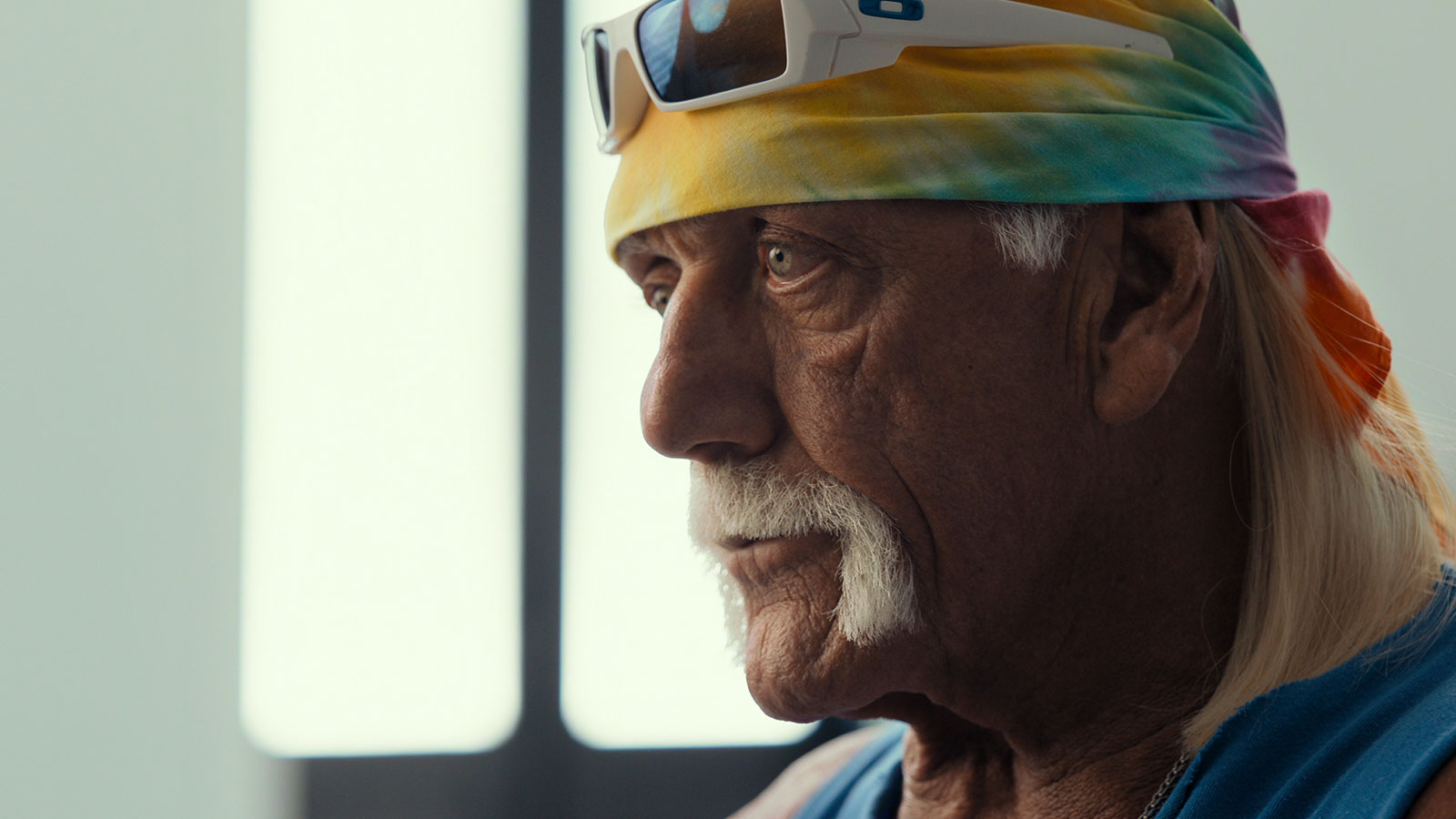
One of the most interesting aspects of the new Netflix documentary series, Hulk Hogan: Real American (out today), is that it features the WWE icon’s final interview.
That put a lot of pressure on director Bryan Storkel, who seemed unbothered by the challenge of doing a documentary about Hogan. The “last official interview” Hogan ever did took place over five days, capturing over 25 hours of footage. That “comprehensive” interview was sprinkled in throughout the four-part documentary series.
“It’s a very comprehensive interview that lasted over 25 hours of him on camera in the same setting, the same outfit, just going over everything and reflecting,” Storkel recalled. “And then we filmed a lot with him outside of that interview as well.”
Luckily, it sounds like Hogan was open to talking about everything. This was a wild card, but Storkel met with Hogan for a couple of days before filming began. Their conversation was incredibly positive.
“We sat down for two days and went over things and things he thought should be in the film, just ideas,” he remembered. “And it was pretty clear early on that he was willing to talk about things and actually was very thoughtful and very reflective on his life.”
Even Storkel knows Real American could have been a train wreck had Hogan not been so compliant. He knew the hard questions had to be asked, and Hogan rose to the occasion.
“I think if he hadn’t been willing to and it was all positive and [never asked] him [about] any of the things about hard times in his life, we couldn’t have done that,” said Storkel. “I think because he was willing to cooperate, we were able to get a much richer picture of his life.”
Getting others to talk about Hulk Hogan’s complicated legacy
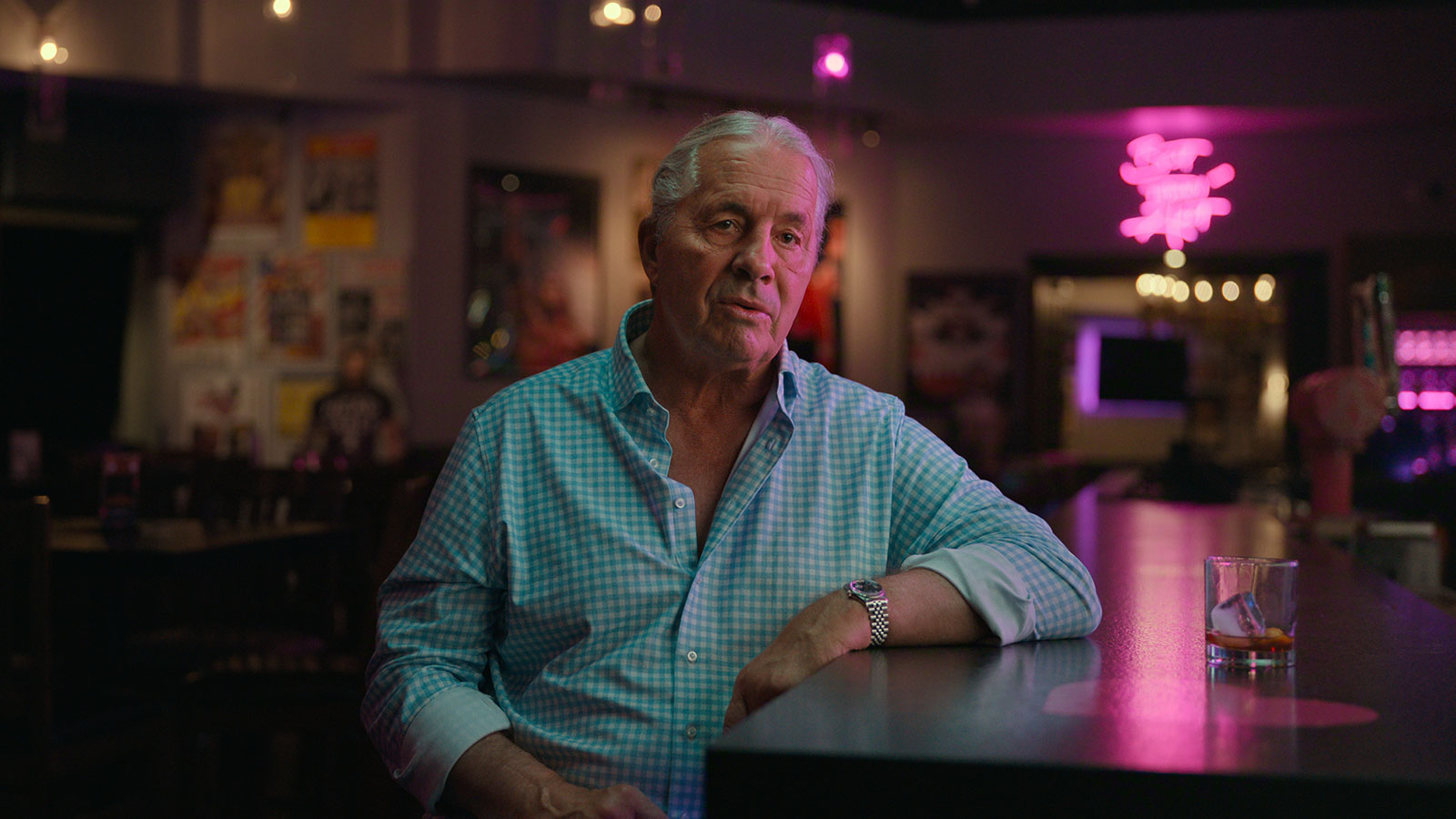
Despite having over a day’s worth of interview footage with Hogan, the Hulkster wasn’t the only key ingredient required to make the documentary.
Storkel felt it was important to get “people on both sides” to talk about him. One example is Hogan’s longtime WWE rival Bret Hart, who never held back regarding Hogan. Just recently in November 2025, Hart called Hogan and Jake “The Snake” Roberts the “two biggest pieces of s**t in wrestling.”
He also wanted one of Hogan’s ex-wives, explaining, “They had differing viewpoints at times on things. It didn’t work out in the end.”
Not being a WWE fan
Before doing Real American, Storkel was not a fan of WWE or Hogan, per se. Obviously, he knew what both were, but in some ways, it was a blessing in disguise.
“I’m a big baseball fan, [but] I’m not as into [WWE],” Storkel conceded. “But I think it has given me an interesting approach where I’m not approaching it from the view of a fan. I’m looking for things beyond that that will appear to people outside of the normal fans.”
Not that he didn’t have help. Storkel’s team had some “huge” WWE fans who could help guide what the documentary covered. Above all else, he wanted to ensure that this documentary was different than others about Hogan.
“He was a polarizing character,” Storkel said of Hogan. “A lot of people have love or hate for Hulk Hogan. And there [are] various reasons why they feel one way or the other. So I think you start with those, and then you say, Okay, what goes beyond that? Like, What else is there? Clearly, he’s not just defined as one word, not good or evil, even just within the wrestling world.”
That was Storkel’s baseline question that guided him through this journey. From there, the ball was rolling, and he hopes that his documentary “comes across a lot more nuanced and deeper than other things.”
WWE was a rich resource
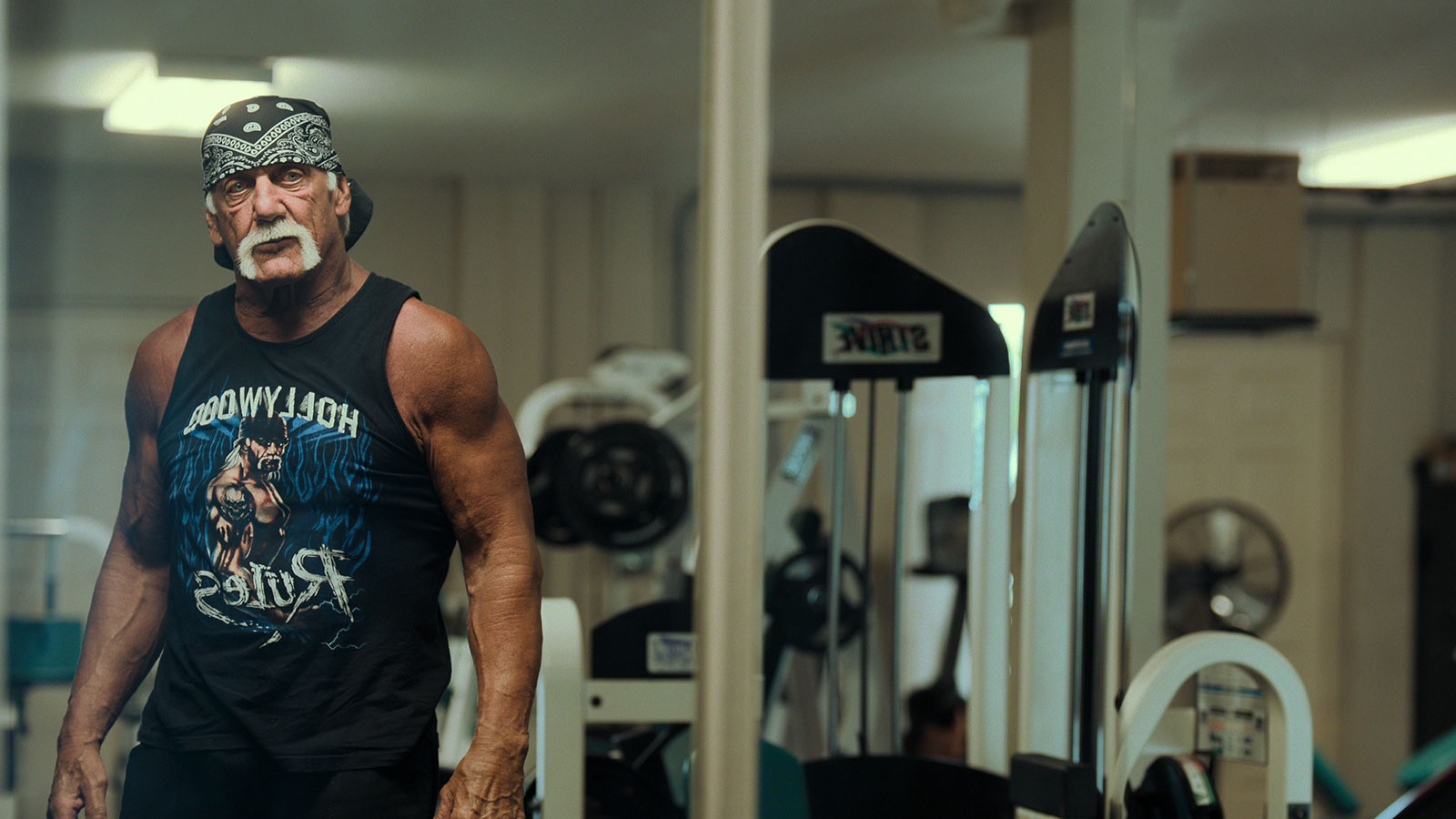
WWE and Netflix have an ongoing partnership, as the streaming service broadcasts Monday Night RAW live in the United States every week. That was another advantage for Storkel, who had a wealth of archives at his disposal.
“It’s incredible,” Storkel said of the access he had. “WWE, the partnership was amazing, and I’ve worked with other leagues in other sports and also across all sorts of archives for different projects, but this was definitely the biggest archive I’ve ever had. Not only do you have the WWE world, but you have everything Hogan’s in outside of that. I think he’s been filmed and photographed more than most people in existence.”
The archives were also extremely accessible. On the first day of production, Storkel was sent “spreadsheets.” These were full of everything imaginable on Hogan from the ’70s to the present day.
“It was just searchable and organized so well that it was like you won the lottery,” Storkel raved.
Even as a non-WWE fan, Storkel admitted it would’ve been easy to get lost in the dense archives. Luckily, he had a “big team of people” who could assist him in that area.
“We had [an] amazing archival producer who also had produced the Arnold [Schwarzenegger] documentary for Netflix and was also a huge wrestling fan. So he knew that world and could help us dive into that.”
There were other associate producers, assistant editors, and story producers who delved into the archives to allow Storkel time to focus on his other responsibilities. If they hadn’t, “I would’ve certainly been lost trying to watch all of it myself.”
Could it have been more than four episodes long?
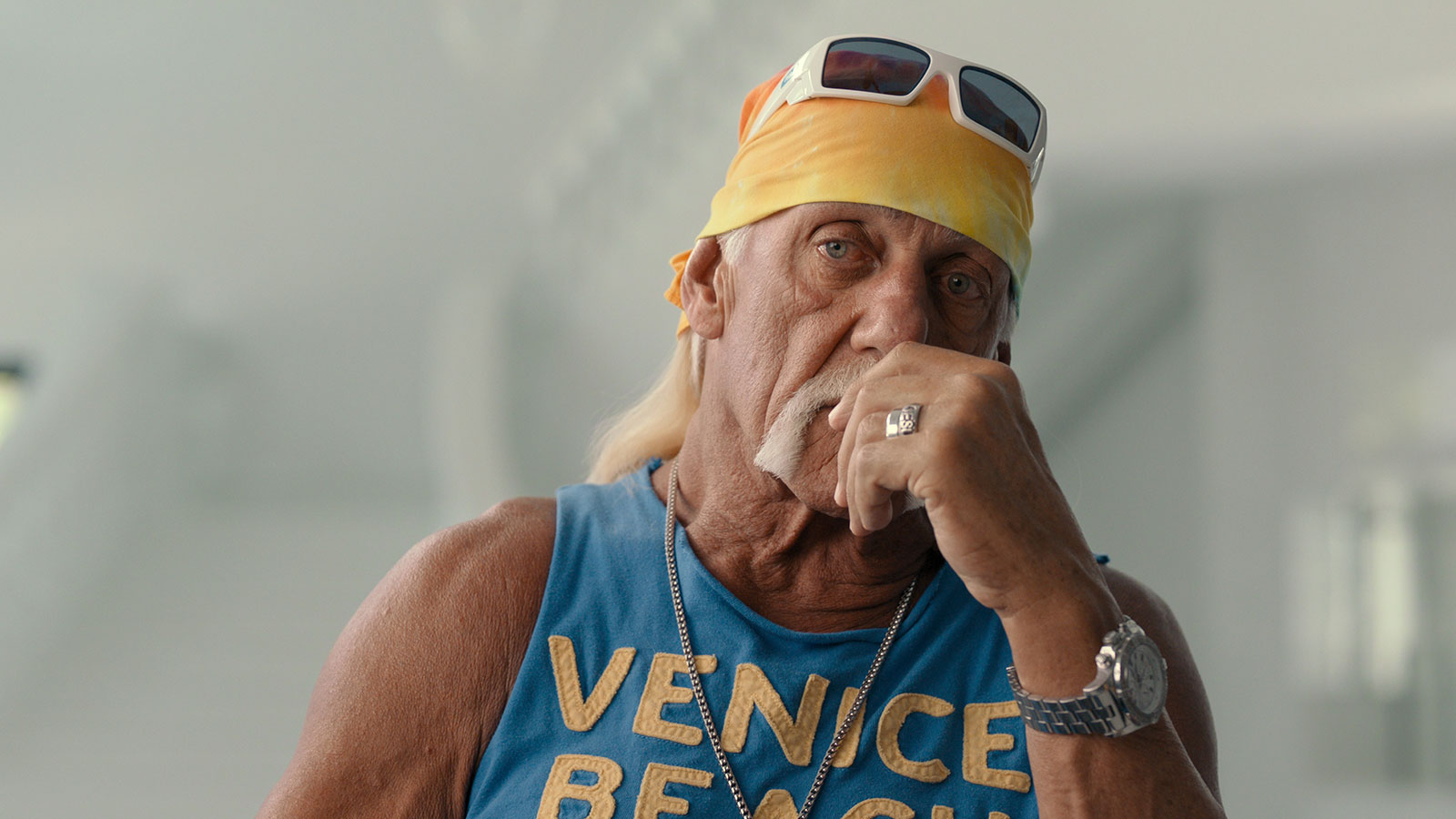
Regardless of how much footage they had, the Real American documentary is just four episodes long. Granted, the final episode is nearly 80 minutes long, which is like a feature film.
Even Storkel revealed that there was “so much that did get left out” of the final cut. At one point, they had planned for longer episodes, but Netflix felt that four episodes — which range from 45 to 77 minutes long — was the “right amount.”
“I agree,” said Storkel. “They were like, ‘You can make the fourth one as long as you want.’ So, at one point, the fourth one was 90 minutes long because there was still so much to cover, and that [covers] everything after he stops wrestling.
“But that’s what editing is for. We kept trimming it down, and the last one is still long. It’s basically feature film length, because there’s so much to cover,” he added.
What advice would he give to anyone else making a Hulk Hogan movie?
Just a couple of years ago, a movie about Hogan starring Thor actor Chris Hemsworth as the Hulkster was supposed to come out. However, this was seemingly abandoned after Joker director Todd Phillips exited the project.
Additionally, Matt Damon and Ben Affleck were set to make a movie about Hogan through their Artists Equity brand, which Hogan was not happy about. News on that front has been quiet in recent times.
Eventually, there will undoubtedly be a biopic about Hogan. Storkel had heard about the rumored biopic starring Hemsworth. While he didn’t know why it was scrapped, he was hoping to see it. One way or another, he is eager to see Hogan’s story told by others and doesn’t want Real American to be the end-all-be-all.
“I think it would be an incredible story,” Storkel said of the abandoned movie. “Yeah, I don’t know a lot about that project. I would say I hope something else gets made because there [are] certain things you can’t cover.
“We have footage of certain things in the documentary, and then there [are] certain things that you’re like, Man, I wish I could’ve been there to see that and see the emotions of that scene or the details of that scene, and you can do that with a scripted project for sure,” Storkel continued.
How a bowler inspired his Hulk Hogan documentary
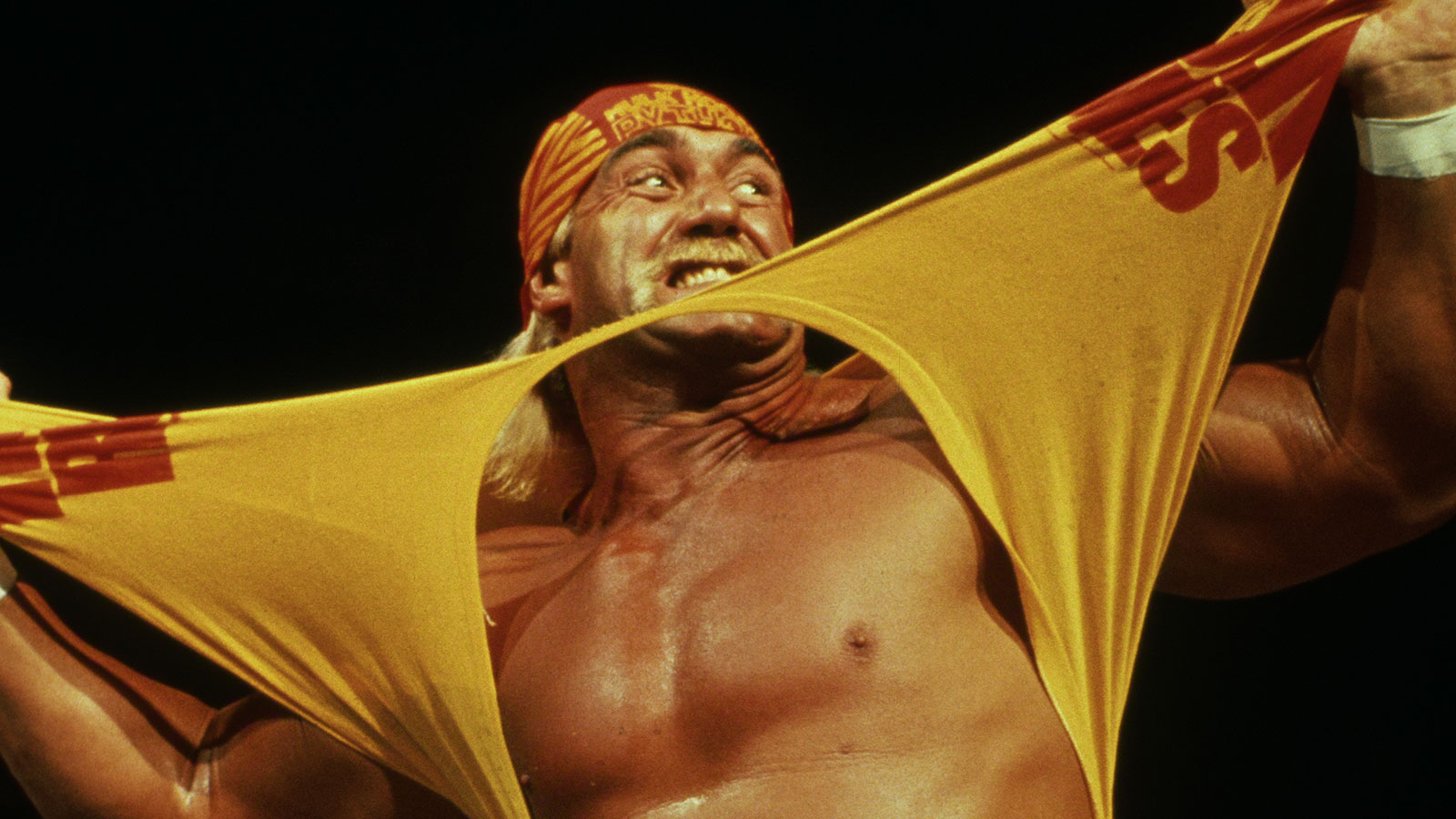
Storkel has previously directed other sports documentaries like a 30 for 30 Short and U.S. Open Epics: Tiger and Rocco. His resume expands beyond just sports projects, though, as he has directed several episodes of True Crime Story: Smugshot.
Doing something on Hogan was unique. Previously, Storkel did a 30 for 30 documentary on Pete Weber, dubbed the “Bad Boy of Bowling.”
While “controversial,” Weber had a lot of WWE-like charisma. He would flip cameras off and do D-Generation X-like crotch chops after strikes.
This somewhat laid the groundwork for the Hogan documentary. Hogan resonated with many as a wrestler, and he was an entertainer above all else. Despite the inherent heaviness that comes with covering his life, Storkel wanted to have “fun.”
“The minute I got offered this project, one of my focuses was, let’s make this fun. There’s [a] personal story. You always have to find the heart, and you have to talk about the conflict, but we can have a lot of fun with this because he was an entertainer, and I think Hulk Hogan made people feel something. They had strong reactions and these emotions to watching him and experiencing his wrestling with their grandma, or their dad, or their kids.”
Having “fun” with the Hulk Hogan documentary
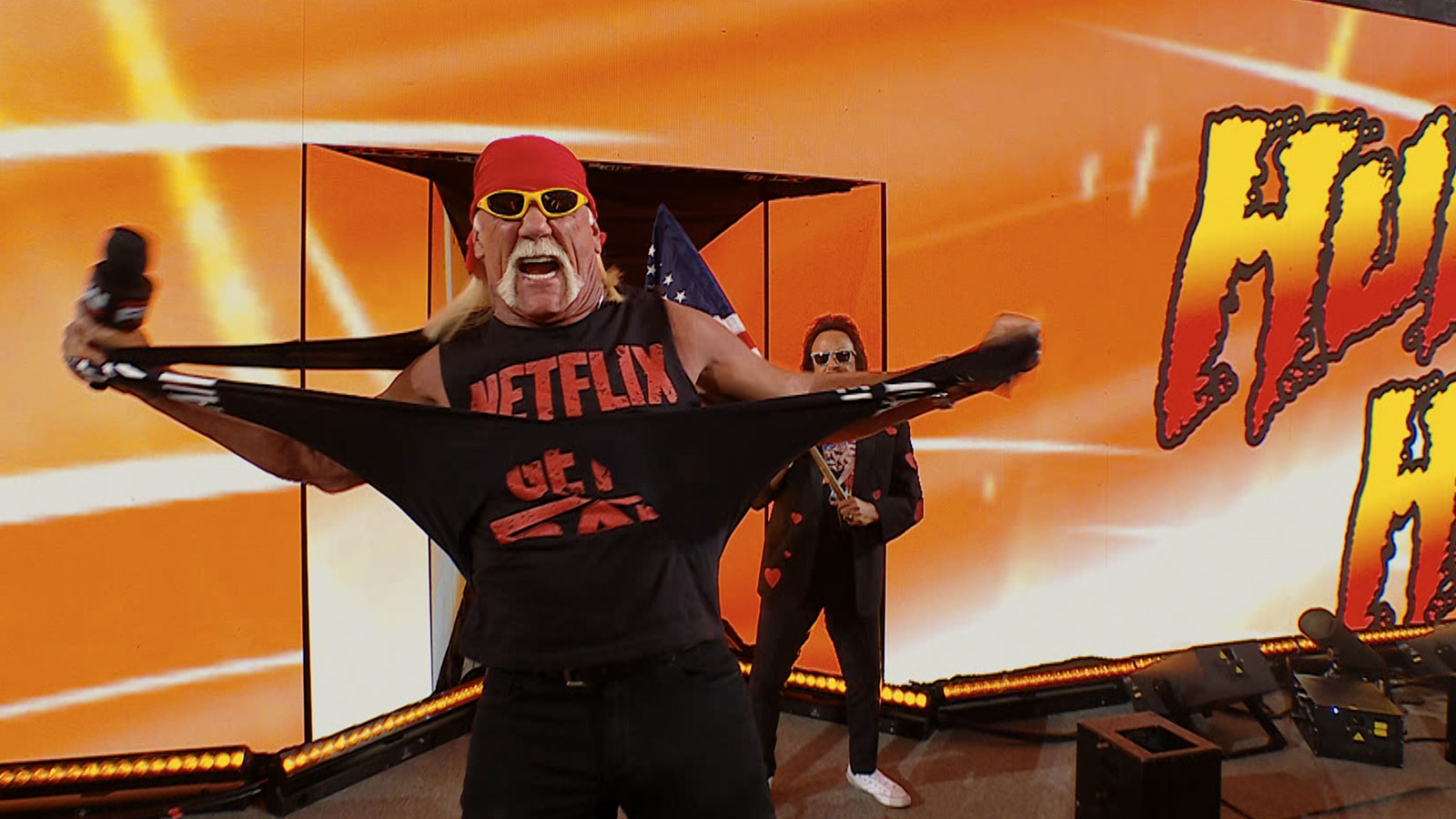
To be clear, Storkel meant having “fun” as in how he could “edit this in the most entertaining and suspenseful way possible with the actual wrestling.” He wasn’t trying to have “fun” at Hogan’s expense.
“Can we do anything different?” he pondered. “Can we use a different type of music that’s not usually used in a wrestling film, [or] can we give the audience some unexpected things where you’re going into this thinking you’re gonna see a wrestling story, and the next thing you know, you’re hearing from his ex-wife about some crazy first date that they had?”
Above all else, Storkel wanted to ensure there was levity in the midst of the heaviness, hoping that the audience would also appreciate this.
“Adding the humor — it’s never making fun of someone or something. It’s just finding those moments in life and in the ring, even in his personal life, that make me laugh. And when I’m laughing, I’m like, Hopefully, the audience is gonna get that, too. So, it’s inserting as much of that as possible.”
Hulk Hogan: Real American is streaming on Netflix.
The post Exclusive: Hulk Hogan doc director recalls ‘last’ interview with Hulkster that lasted over 25 hours appeared first on ClutchPoints.
What's Your Reaction?
 Like
0
Like
0
 Dislike
0
Dislike
0
 Love
0
Love
0
 Funny
0
Funny
0
 Angry
0
Angry
0
 Sad
0
Sad
0
 Wow
0
Wow
0