
![Coventry vs Hull bet builder [23/10 odds]](https://s.w.org/images/core/emoji/17.0.2/72x72/26bd.png)

-(1).jpeg)
-(1).jpeg)

Exclusive: How Mark Cuban determines which NBA referees are on a ‘power trip’
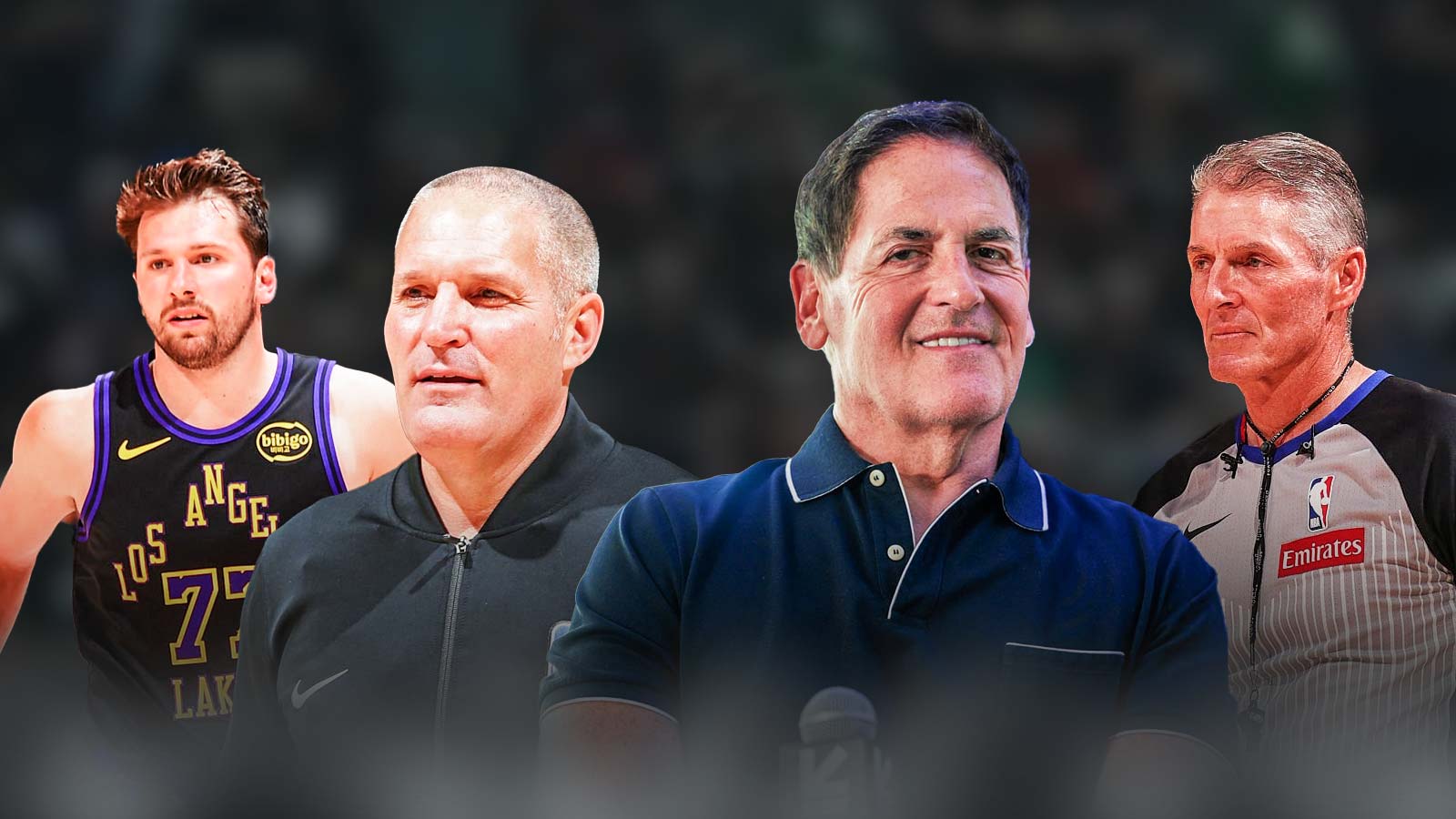
When this year’s roster of NBA officials gathered for the annual National Basketball Referees Association (NBRA) meetings in September, Vice President of Referee Development and Training Monty McCutchen lightened the mood with a story about someone urging the league to “control the damn wizard” and trim his Lord of the Rings-inspired look after an NBA TV appearance. It was not quite the pandemic’s NBA Playoffs, but it was good content.
The silly speech-opening moment also underscored a serious mission. Much like the officials dictating tempo on the court, it gave an impression that ‘the wizard’ still runs the NBA puppet show. After almost a year of poking around the most scrutinized, second-guessed workforce in professional sports, it’s obvious that McCutchen’s operation is more sophisticated than most fans realize. It’s also more imperfect than the NBRA would ever publicly admit.
Both on the record and with anonymity granted, ClutchPoints has been surveying players, coaches, and executives to gauge the evolving, often volatile relationship between the NBA, the NBRA, and those fighting for wins since Summer League. What emerged was a portrait of genuine progress shadowed by stubborn frustrations.
While the NBRA insists it is “scouring the Earth” for high-integrity candidates through an application process tougher than Harvard’s admissions, the feedback from the trenches suggests the gap between the official rulebook and an official’s application to the hardwood remains somewhere between a crack and a canyon, depending on who you ask.
To start with a bit of grace, it must be granted that bridging the chasm between the rules, the players who bend them, and the fans who believe the scales are tipped is a Sisyphean task. Just look at the outrage over the correctly no-called Jalen Brunson back-court outrage in the 2025 NBA Playoffs. That’s why the NBRA is mostly run by former referees like the NBA Finals-tested McCutchen and not the fans or franchises.
“We train them up, train them well, then lean on that training,” McCutchen told ClutchPoints. “If we made a bad call in the middle of the game, we have the crew talk as a group, acknowledge we need to turn it around, and then get back in action to make the right calls, lean on the training.”
Every coach preaches ‘next play’ mentality, right? Just forget about it. While this approach guides the workforce amid the vitriol, it also fuels a perception among executives and fans that accountability is an internal affair, immune to public scorecards. A further explanation of that process was part of our NBA reporting to start the season.
Thousands of applicants are whittled down to around 100 for an intense referee camp. Only a few make the cut to work NBA Summer League games. Ref results beyond that are measurable. The NBRA team reviewed nearly 750,000 decisions last season and determined that approximately 96% of whistled calls were correct. Yet that 4% error rate (which is mostly missed travels, ignored carries, phantom fouls, swallowed whistles for stars shoving their way to a highlight) dominates the conversation.
Beyond that, an uncomfortable truth underlies the NBRA’s training. The pipeline seems stagnant. The bottleneck is too tight, leading to great candidates being cast aside without much consideration for extenuating circumstances. Multiple two-way players and executives expressed shock that officials with notorious reputations in the G-League keep getting called up to the NBA. Veterans wondered how one official with almost a decade of experience but zero playoff games remains employed while others wait in the wings.
“To say there is little difference is an insult to the people who have become good at it,” one former team executive told ClutchPoints. “They know there is a huge difference. If there wasn’t, all refs would officiate a lot more playoffs.”
Other executives raised questions about the development infrastructure itself. How many people are dedicated to training G League officials? How frequently are those officials reviewing film with NBA supervisors? They are the replacement-level depth chart for a league that cannot afford gaps in officiating quality. The commitment to their development should be weekly, not ad hoc.
The NBRA asserts that constant training is done with NBA, WNBA, and G-League officials, with constant Zoom calls to go over plays and the processes that led to certain decisions, whistle or no whistle. They also stress the demands of the job.
There are wonderful officials at all levels who would love to call an NBA, WNBA, or G-League game. Sure. They also have families and other commitments that get in the way of an 82-plus game grind. Signing up to be screamed at by knuckleheads with longshot parlays is one thing. Figuring out how to get the laundry done while calling three games in four nights between six different teams, having crossed every time zone twice, is a far different test when the family is calling.
As for the NBRA’s in-season feedback?
“That combination of abject 100% honesty about where someone’s feelings are,” McCutchen said, “delivered in a way that is not about you as a person but about the craft that you have taken on so that you can become better, is the combination we’re seeking.”
It’s a hard job. It’s also a dream job. It comes with many perks and a great pay packet. Therefore, it comes with an agreement to hold very high standards. Some, and some would say far too many in the gambling age, still believe refereeing lines are too blurry to be taken seriously at face value. So how can there be more accountability?
Call up Mark Cuban
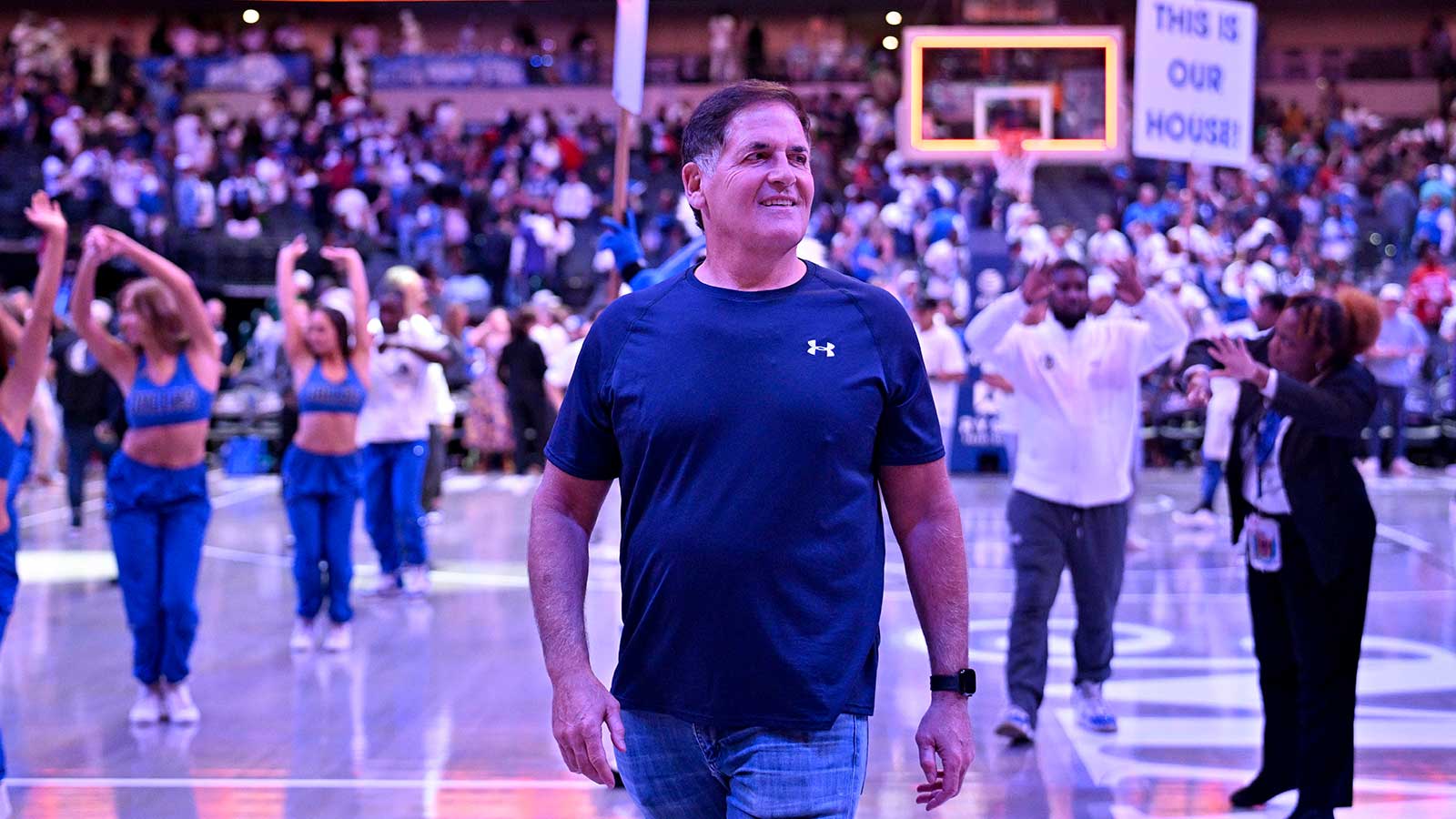
No figure loomed larger over this project than Mark Cuban, the Hall of Fame owner whose bluntness about officiating has cost him a fortune in fines over the years and whose opinions have not softened after taking a step back from day-to-day operations. Asked specifically about push-off violations, the new points of emphasis, and what appear to be uncalled carrying and palming fouls, particularly involving Shai Gilgeous-Alexander, LaMelo Ball, and Giannis Antetokounmpo, the Dallas Mavericks legend did not mince words.
“All you need to know about the NBA refs is what you said about Shai and LaMelo not being called,” Cuban began. “And the shoulder to create space is not being called…What does that tell you? It means they are above the rules. When a ref decides to call a game by anything other than the rules, they are having more impact on the outcome than most players could. If they don’t want to call something, they can do what they are supposed to do. Go to the competition committee to get it changed. Anything else is a power trip.”
Changes take time. Leg kickouts got legislated out of the game. Flopping is on the way out thanks to new review rules and expanded coaching challenges. The ebb and flow for officiating evolves in the wake. That doesn’t stop the complaints. From ownership to the aloof gambler going wild, everyone wants the refs to be so on the ball that no one knows their name afterwards.
Unfortunately, the annual Points of Emphasis make that almost impossible. Common refrains, illustrated through several questions as comments, paint a clear picture.
“Ask yourself why some won’t stick? Who decides that? Why come up with the POE if they don’t stick?”
It happens every year, actually. After about two to three years, some actually stick. It’s “a process,” of course. The NBRA sends out forms for feedback after every game, ClutchPoints is told. The NBA and NBRA apply that feedback throughout the season, when teams actually respond. It’s why the high-five foul is now a thing. Too many players (looking at you Dillon Brooks) were taking that after-shot swipe way too far.
Of course, any overcorrection gives players a new way to bend a rule. Generally, problems arise when the POEs are not clearly communicated or called correctly in a way that fits the NBA product/flow of the game. Frustration is an expected side effect, bringing us back to Dallas.
Cuban’s long history of officiating grievances is well-documented, from his insistence that the 2006 NBA Finals were decided by referee Bennett Salvatore to labeling a 2023 Warriors-Mavericks inbound blunder as the “worst officiating non-call” ever. Still, the 67-year-old has become more forgiving of human error than he is of a systemic choice to be selective with the whistles. Not all missed calls are created equal after all.
For example, everyone knows which official missed the LeBron James carry call against the Utah Jazz. The defender was not pressing LeBron at mid-court, the trail official was peeking ahead, and the future Hall of Famer gave the world a clip for the legacy blooper reel. No one who follows this league is pressing the issue to the competition committee. Missing Kevin Durant’s maybe-maybe-not timeout should be something that draws more attention, even though a reprimand would be out of line and near impossible to defend.
At least two refs could not see through the bodies to see Durant’s initial timeout motion. The third was impeded, looking for fouls. One quick hand gesture was not enough to decide the outcome. A replay review to award free throws at 0:00 on the OT clock would not be in the spirit of the game. It’s not like punches were thrown. In fact, the rest of the team was saying to ignore Durant’s one unconvincing motion.
“No one cares about the (Durant) time out,” Cuban laughed. “Misses happen. We can get mad and move on.”
So what are the fixes, what do players care about? Adding a fourth official might have caught Lebron or Durant the same way Russell Westbrook’s forgot-to-dribble oopsie-daisy was flagged. However, what McCutchen said back in September has held. He asserted that “no one wants more whistles” in the game. It hurts the entertainment product and the competitive environment. That is one reason why the four-and-five-official crew experiment from 2016-18 was scrapped after a trial run.
NBRA’s trial and errors
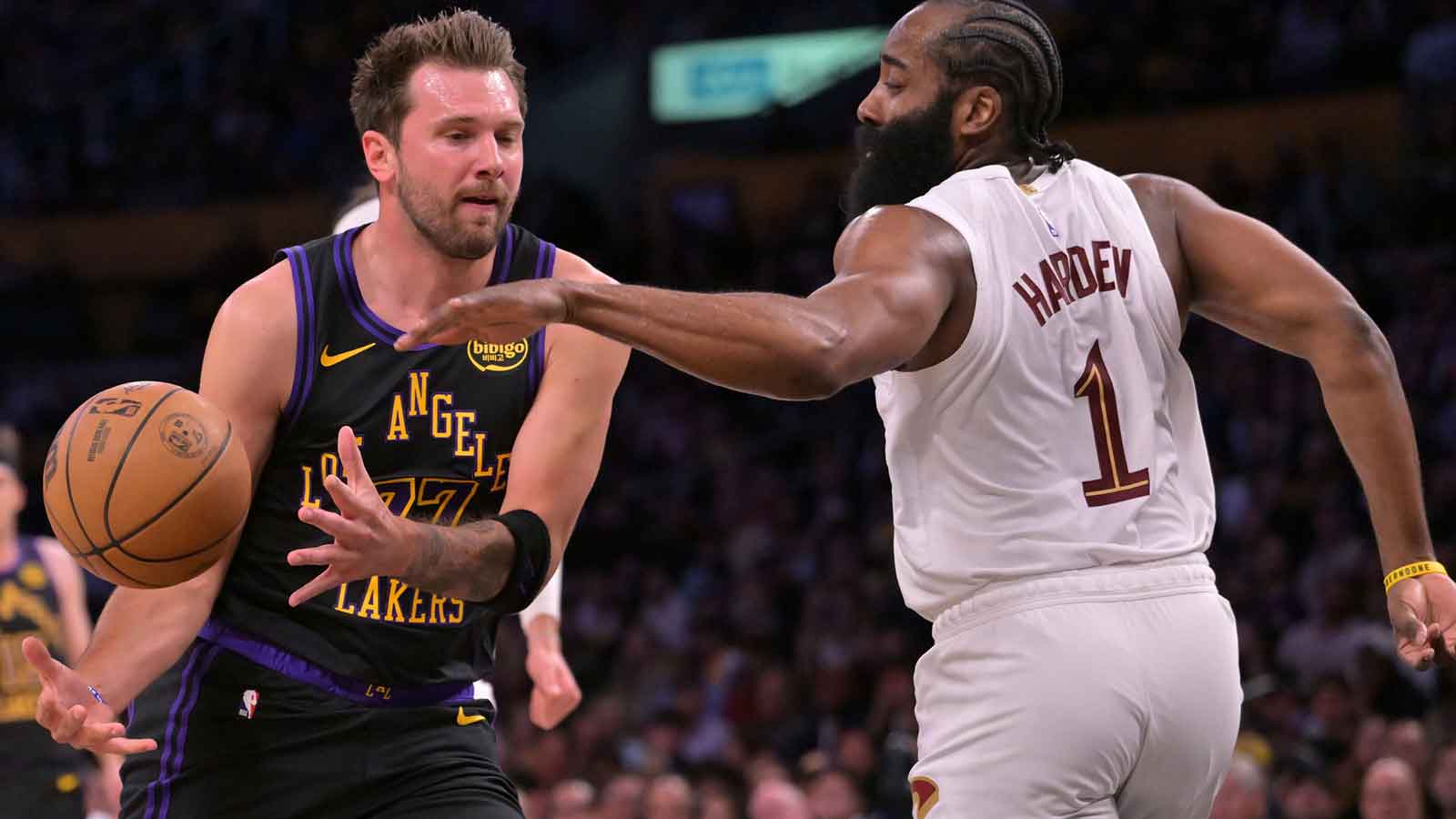
The no extra whistles argument did not win the day. Nowhere is this more apparent than with carrying and palming violations, something the NBRA’s points of emphasis are expected to tackle this summer. Immanuel Quickley and Will Riley led the NBA with three turnovers each due to carrying whistles. Giannis Antetokounmpo, Luka Doncic, and Jamal Murray had three combined (one each), yet everyone can see the obvious.
For stars, the violation must be egregious. For role players, referees just need to be in the mood.
More than a handful of defense-first players told ClutchPoints they’ve had enough. The lack of enforcement is infuriating. It’s a cheat code that allows too many players to look pretty when they should be pressed. They can escape a situation where they should be picking up their dribble. It is costing real ball handlers money on the free agency market, not to mention some defenders having to pay fines. Fixing the initial ball handling hack will solve most of the gather step, Euro-slide layup stuff that fans hate too.
Reckless play to counter the carry and a refusal to call the game the right way are getting people hurt by encouraging the wrong actions. Call the fouls and the carry infractions and let everyone adjust. Putting a major contributor in foul trouble? Let’s see what’s on the bench. We might find another fan-favorite role player while saving a star from injury.
All-Defense a dying art
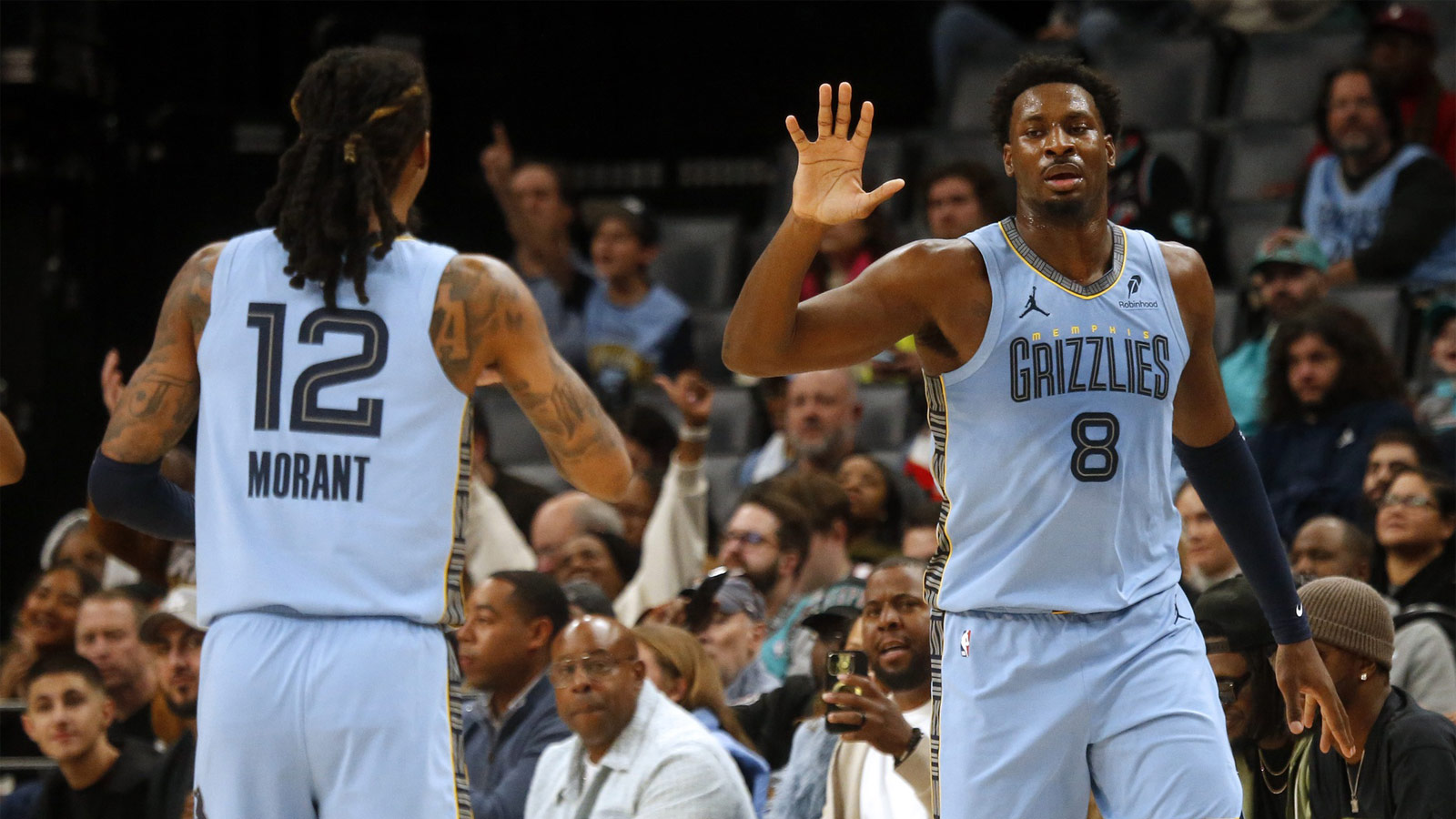
It takes time to find a groove, even for an NBA referee. Jaren Jackson Jr. fouled out on Opening Night. So did Herb Jones. Multiple players, coaches, and staffers were baffled on both ends. One front office source in the arena complained about the refs ‘not being ready’ for the occasion and said there should be a longer ramp-up period for the officials than for the players. Perhaps a longer runway of exhibition games would help. Refs point to player burnout and the comparable miles over the season.
The NBRA believes the officials hit a high note during last year’s second round, so why add to the workload when it’s almost dialed in perfectly? Either way, several sources argued that though one is believable, two All-Defense-level guys should not be going out with six fouls very often, if at all. However, that was the case when the Memphis Grizzlies beat the New Orleans Pelicans to start the season.
Officials were overwhelmed by the new playbooks. Players were operating differently. Being caught off guard after a slow preseason is human nature. The referees had to take the lumps. In December, the 2022-23 Defensive Player of the Year winner was telling a different story after losing to the Washington Wizards.
“I mean, I had two offensive fouls, so I was trying to do too much stuff. Had an over-the-back foul. They were valid calls. I can’t really hate. Slapped on one, went under on Middleton…It was definitely on me,” Jackson Jr. admitted. “You’ve got to own those.”
However, when asked about the game’s rules changing over the years to further benefit the smaller, shiftier ball handlers, Jackson Jr. was singing a different tune. It’s hard to adjust to such a variance in officiating. It’s hard to successfully switch as a defender when no one is being called for palming or carrying anymore.
That’s a signal to a larger problem that defensive stars cannot adjust to on the fly. Jackson Jr. had more blocks in the first game (6) than he did in the next seven games combined (4). In that December 20 defeat against the Wizards, he had six fouls and no blocks. The NBA product needs villains roaming the paint, if only to build the lore of their perimeter-based stars. Instead, it took well over a month for Jackson Jr. to understand the new rules.
“The game is definitely called different for sure,” Jackson Jr. noted, “but in this particular instance (against the Wizards), I can’t really complain.”
The Grizzlies couldn’t complain because they’d blown a 20-point lead. Referees never have that much control over a game, especially where one team has far more on-paper talent on the court. However, there needs to be a line somewhere between highly competitive defense and “whatever Lu Dort has been doing,” per one player who “doesn’t want the fines or the drama.”
Unfortunately, adding one more whistle will not help much. It’s not even a welcome idea anymore.
NBA’s 4-ref trial run
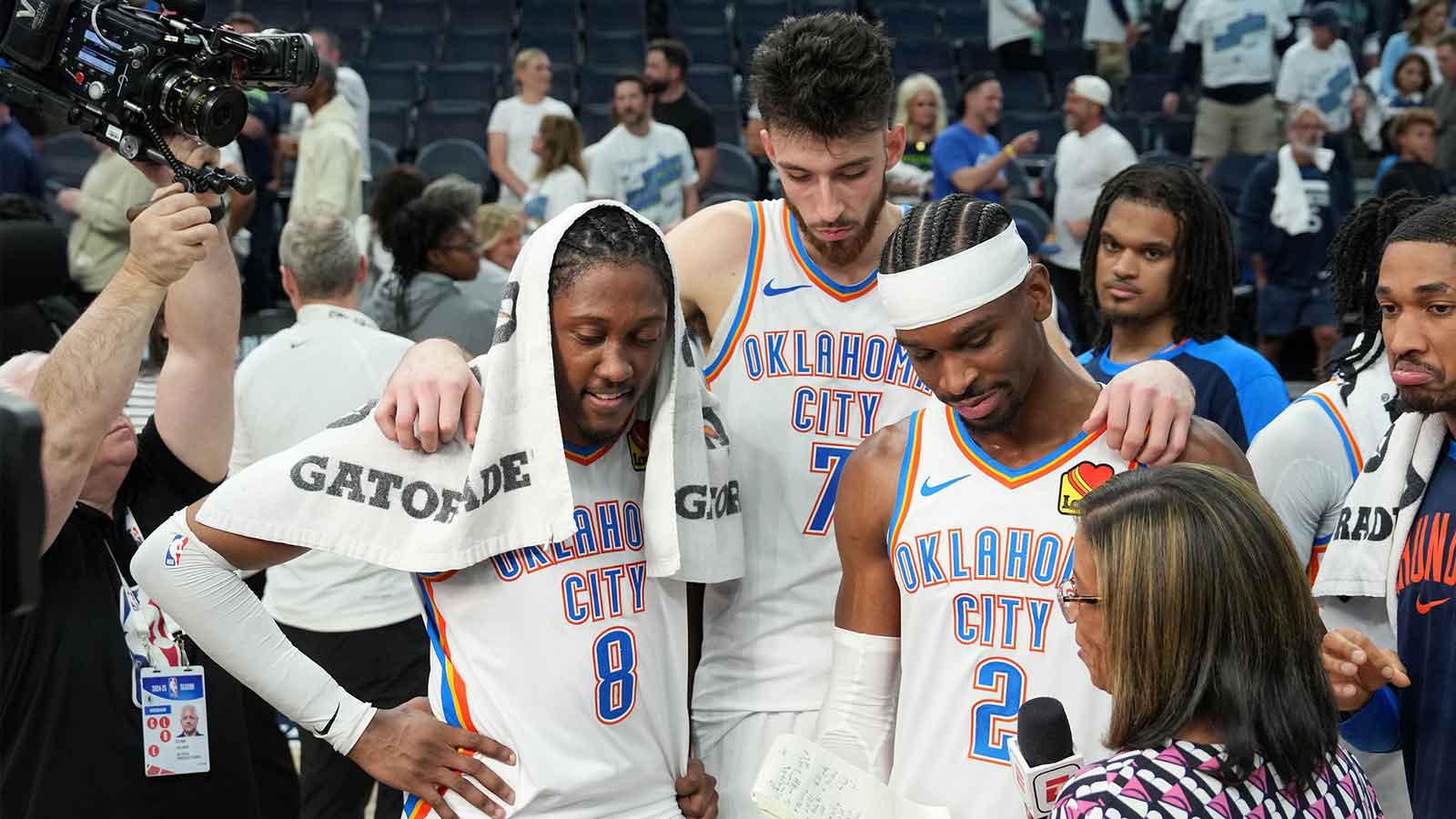
Adding more eyes in the replay era is redundant. The NBA has tried from 2016 to 2018. Results were mixed, fouls were up, and even referees admitted they were confused on positioning. Too many tracked the same action while none saw the egregious foul on the weak side. One executive joined the defensive player lobby to take issue with the “no one wants more whistles” statement, though.
“That’s not up to them to decide. They have to call the game by the rulebook. The fact that they try to limit whistles is everything that is wrong about officiating. They are supposed to call the game by the rulebook. Period, end of story,” they stressed. “If they don’t like a rule, change it. Same with the (last two-minute report). The issue with the L2M is how many calls they don’t include. They literally try to protect refs.”
As seen from the press box, the disconnect lies in what referees are trained to watch versus what they actually see. McCutchen’s philosophy relies on “processing power,” or the ability to see the vertical and horizontal game simultaneously. But players and coaches see officials “pre-rotating,” anticipating the next action so aggressively that they miss the travel or carry happening right in front of them.
Still, McCutchen explained why “no officials were going to be offered up to the mob.” They’ll never offer up a referee on a bad call. It would do more harm than good while detracting people from wanting the job. “Not letting them get burned at the stake” was another phrase used for the situation. While somewhat understandable, it was hard not to hear, “Yeah, we mess up, but no one goes against the family,” in a way. That’s what players and front offices seem to take away far too often.
To their credit, referees are also trying to protect players from themselves. Technical fouls have been declining for years thanks to emphasizing de-escalation over ejections. And it’s a very skills-specific job. Moving from playing to coaching or the front office is no cakewalk, as many learn before being fired. Richard Jefferson is among the few former players who moonlight as officials and find out the hard way just exactly how challenging it can be.
However, the same goes for refs who are great at managing a game trying to run all of the training logistics per one source.
“Lots of former players cannot coach for shit either,” they said. “Why would refs moving to management be any different?”
Reasonable question. The NBRA’s counter is that former referees bring institutional knowledge that no outside hire can replicate. Both things can be true. Yet, something needs to happen. The NFL’s model of consistent crews keeps surfacing as a potential remedy, though the response to the idea was tepid at best.
For now, the NBA is sticking with the shuffling of crews to keep the more assertive, domineering veterans from taking on too much responsibility. For those wondering, Scott Foster was the name most mentioned for being the take-charge type. Young referees need to learn to walk their own walk, and the only way to do that is to be responsible for their slot, trail, and baseline area on every single play. It’s up to them to make their call, not a veteran official who may have only slightly seen the action. This is not AI; they cannot fill in pixels to process a play.
Still, it’s hard to completely ignore how strength in numbers and a bit more chemistry would be beneficial. Would limiting the crews help? The same three or four could not work the same games all season, but perhaps having a pool of 10-12 so that the group knows each other would work? Possibly, but it brings us back to the initial problem of expanding the referee roster.
It’s tough because there are only so many games to go around for developmental reps, and margins are extraordinarily thin at the elite levels. There should be refs ready to step into the action, not being thrown into the fire. There is a difference, and the fact that it’s more one than the other shows the NBRA has work to do. The NBA insists the gap between the best and worst is not that wide, that players are largely treated the same.
Asking around the league leaves a different impression. One conversation with a team source after the Isaiah Stewart incident in February led to a seven-game suspension was telling.
“Lu Dort didn’t get anything for undercutting Ja Morant with a title on the line. If that’s Jose Alvarado tripping under Lebron in game 74…no one is surprised if Jose is done for the year.”
Dyson Daniels agreed that defenders deserve to show off their skills. So did Spencer Jones. When interviewing Jones, the opportunity to get an opinion from Jonas Valanciunas was too good to pass up.
“Whatever is best for the game,” stated the Lithuanian.
Asked even if it meant his player typecast was under more scrutiny, the fear of the Jonas stare was real.
“Whatever is best for the game,” he reiterated.
“There will always be a job for 7-footers,” Jones chimed in. “Someone has to guard Wemby.”
Thanks for the save, Spencer. And respect to every referee who shook off that fearful feeling from a seven-footer and kept working. The work doesn’t stop when the horn blows either.
Integrity through consistency
A dedicated staff distributes video clips for review, requiring referees to submit feedback and complete ongoing film study. Some sessions are collaborative; others are self-directed. The goal is consistency, not perfection. Staying locked in on the priority action is the hardest and most important part of the job. Teams could help out by better communicating issues before they become a huge problem.
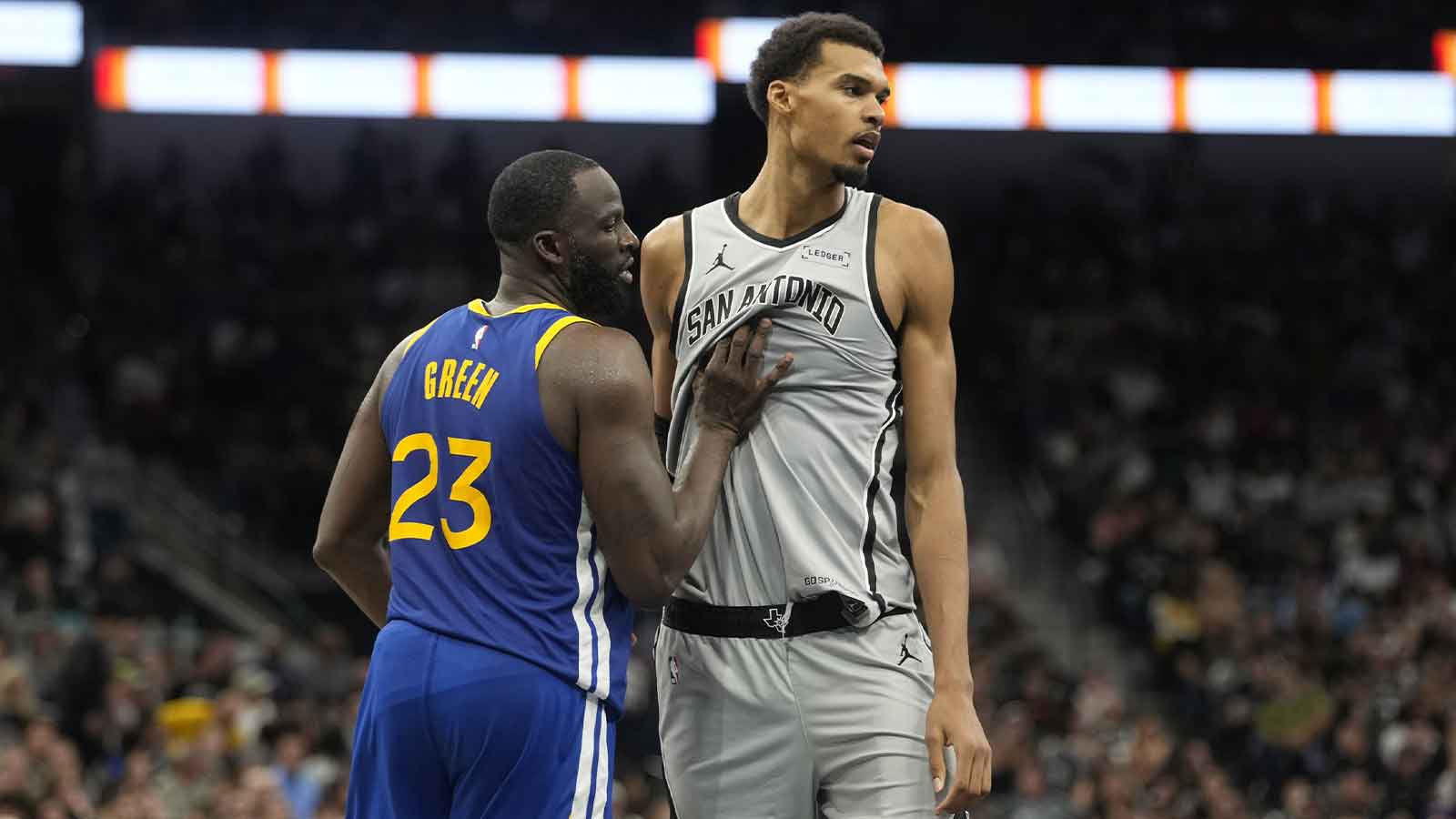
Why the constant reminders not to get ahead and assume anything on a play? Pre-rotating, as Shaquille O’Neal once called it, explains the missed LeBron carry and the LaMelo walk and Westbrook’s stroll up the court. Draymond Green is going to exploit every gray area because precedent has been established that no one will stop him. Some stars have been given so much latitude that calling them now, in any normal sense of enforcement, feels like a provocation.
Everyone must be ready to defend the rulebook while also showing proper respect. Off the record, even some officials agree: certain players have been allowed too much leeway for too long. Holding the line now means walking a fine balance between legal precedent and getting put on blast to and by an audience of millions. The best thing to do is stay grounded in the moment, make the call available, and move on.
The NBA can be proactive. The heave rule is a plus; the NBA Court IQ initiative is promising. The Points of Emphasis process, for all its frustrations, does eventually produce results. The question is whether the league’s officiating apparatus has the institutional courage to enforce the rulebook consistently, regardless of the name on the back of the jersey, regardless of the narrative surrounding the game, and regardless of who is watching.
“We want to get the call right, full stop,” McCutchen has said.
They are getting close, but they know that the last 4% is the hardest part of the job. Despite ongoing criticism, there is broad agreement on two points: officiating an NBA game is extraordinarily difficult, and the league has taken steps to improve the process. The relationship between referees and stakeholders is no longer defined solely by confrontation. There is more dialogue, more structure, and, in many cases, more mutual understanding.
But the core issues of consistency, star treatment, and transparency remain unresolved. That leaves the NBA in a familiar position: operating in a narrow margin where incremental progress is real, but perception still drives the conversation.
As one team source put it: “It’s a really hard job. But the NBA should do all they can to put them in a position to succeed.”
For now, the league believes it is doing just that…even if not everyone agrees with the calls.
The post Exclusive: How Mark Cuban determines which NBA referees are on a ‘power trip’ appeared first on ClutchPoints.
What's Your Reaction?
 Like
0
Like
0
 Dislike
0
Dislike
0
 Love
0
Love
0
 Funny
0
Funny
0
 Angry
0
Angry
0
 Sad
0
Sad
0
 Wow
0
Wow
0