
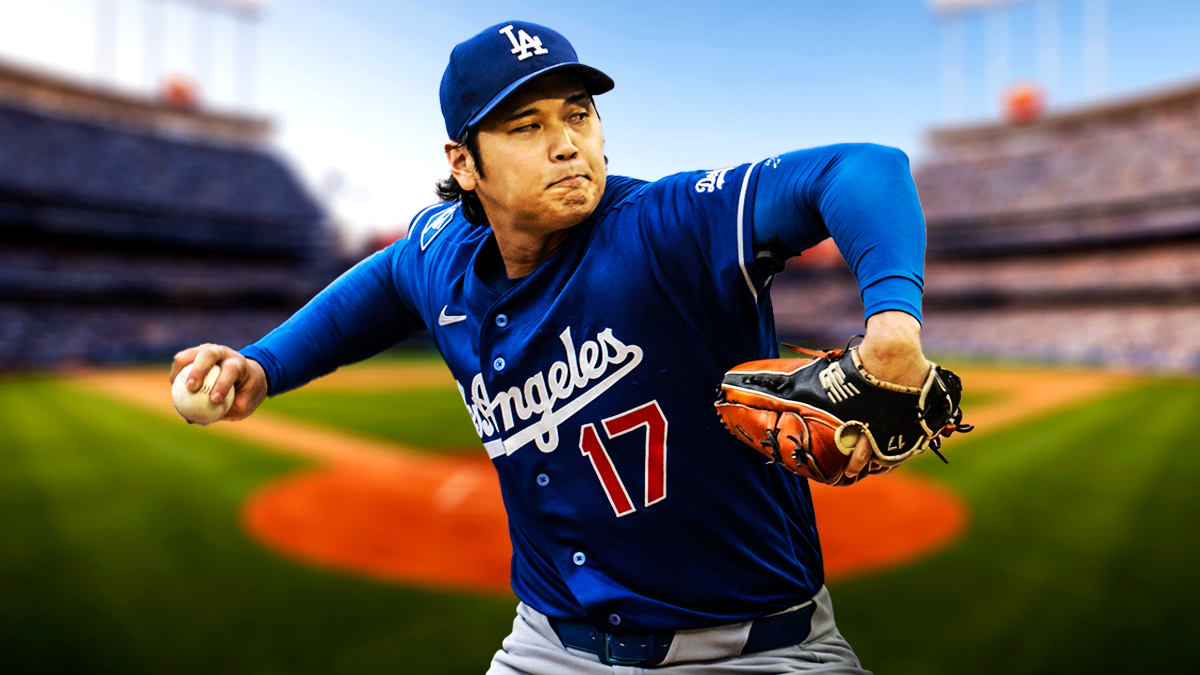
Shohei Ohtani remains one of baseball’s most extraordinary pitchers, which is exactly why the Dodgers face such a difficult decision. His 2026 results on the mound were dominant, yet the injuries that ended his pitching season also appeared to damage the rest of his game. The Dodgers should seriously consider ending the two-way experiment to preserve their most valuable player.
Ohtani has said he “definitely” plans to pitch again in 2027. That intention deserves respect, but it cannot be the final consideration for a franchise that just watched its lineup sputter during a sweep. The decision should be driven by health, not romance.
The pitching workload is costing the Dodgers more than it gives them
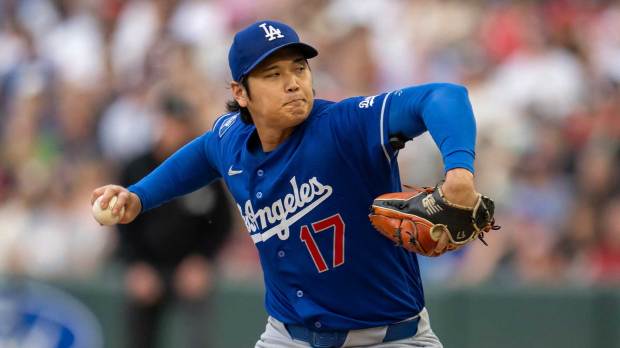
Ohtani’s numbers in 14 starts were spectacular: an 8-2 record, 1.79 ERA, 0.95 WHIP and 95 strikeouts across 85 2/3 innings. He went at least six innings in all but one start, showing why the organization remains reluctant to abandon that production.
But the sample ended abruptly. Through June 3, he had a 0.74 ERA in 61 innings. Over his next 24 2/3 innings, he posted a 4.38 ERA, and after exiting a June 11 start in Pittsburgh he pitched only three more times before being shut down on July 3.
Left knee irritation eventually forced Los Angeles to scratch him from a scheduled July start. Right biceps inflammation later emerged, and the Dodgers confirmed in September that he would not pitch again this season. A pitcher who contributes half a season with two separate physical problems is not delivering reliable innings.
That limitation matters because the Dodgers cannot build a rotation around possibility. Even before the postseason, they needed Tarik Skubal to assume Ohtani’s place in the playoff rotation. Pitching excellence is valuable only when the pitcher is available when games matter most.
The cost is also not confined to the mound. Ohtani said the biceps issue was not initially reported, and his hitting declined after the All-Star break. His batting average fell nearly 50 points in the second half, and he hit .128 during a 10-game stretch before spending time on the injured list.
Ohtani’s bat is too valuable to keep compromising
Ohtani still produced a .275 average, 30 home runs, 81 RBIs, 89 runs and 11 stolen bases. Those numbers would satisfy most stars, but they came after an extended slump and in a season in which he did not homer from August 18 until the NLCS.
The postseason underscored the danger. He finished 5-for-26 with 10 strikeouts across eight playoff games, including a .421 OPS in the NLDS against Atlanta. His Game 4 home run in the NLCS provided a reminder of his talent, but it did not change the larger picture.
Article Continues BelowGiving up pitching would be a major sacrifice, not a minor adjustment. Ohtani is paid like a two-way player, and he wants to remain one. The Dodgers should understand that this desire comes from competitiveness, not poor judgment.
Still, a franchise must occasionally protect a player from the instinct that made him historic. Next season, Ohtani will be 33, and the combination of his knee, biceps and the team’s handling of those injuries will intensify questions about future two-way usage.
Surgery is another unresolved factor. Ohtani said it is “hard to tell” whether an offseason procedure will be needed, leaving his readiness for spring training uncertain. Los Angeles should not authorize a return to the mound until those questions are answered.
Even then, a permanent hitting-only role may be the surest route to maximizing his value. A healthy Ohtani as an elite designated hitter remains an MVP-caliber force. A compromised two-way Ohtani risks becoming a very expensive source of uncertainty.