

The Los Angeles Dodgers face uncomfortable decisions after the Milwaukee Brewers swept them out of the NLCS. Rebuilding an entire roster would be an overreaction, but bringing back familiar names without reassessing their reliability would be another mistake. Blake Treinen is the pending free agent Los Angeles should avoid re-signing.
That recommendation is not a dismissal of Treinen’s contributions. It reflects the difference between appreciating a veteran’s history and projecting what he can provide next season. At 38, coming off another injury-interrupted campaign, he represents a gamble the Dodgers should decline.
Los Angeles needs a bullpen built around availability, not the possibility that another rehabilitation process will restore a familiar late-inning option. Treinen’s 2026 season supplies enough warning signs to justify moving on.
Blake Treinen’s injury history makes another reunion too risky
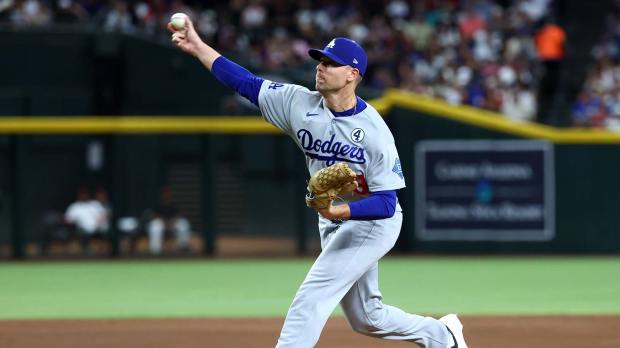
Treinen finished the regular season with a respectable 3.64 ERA, 31 strikeouts and one save across 36 appearances. However, those appearances covered only 29 2/3 innings, limiting how much responsibility the Dodgers could realistically place on him.
The sequence of injuries matters more than the surface ERA. Treinen returned from the 60-day injured list on September 2 after missing substantial time with elbow inflammation. Later that month, a right-shoulder injury suffered while warming up ended his season.
That progression makes another guaranteed commitment difficult to defend. The Dodgers would not simply be betting on recovery from one isolated problem. They would be betting that an aging pitcher can withstand a full season after separate elbow and shoulder interruptions.
The latest injury’s long-term consequences remain uncertain, and there is no basis to declare Treinen finished. But uncertainty itself matters when constructing a championship bullpen. Los Angeles cannot reserve important innings for someone whose availability may remain unresolved.
His performance also warrants a closer look. Treinen allowed a 1.42 WHIP in 2026, meaning he surrendered that many walks and hits per inning. His walk rate was 10%, while his strikeout rate was 23.8%. Those numbers do not describe an untouchable late-inning weapon.
The issue is cumulative risk: limited innings, repeated injuries and indicators less reassuring than his ERA.
The Dodgers should spend that roster spot on dependable innings
Article Continues BelowMoving on from Treinen would not solve every bullpen problem. It would, however, establish the right offseason principle: prioritize pitchers who can shoulder meaningful workloads rather than relying on recognizable names to rediscover their peak.
That distinction matters because several Dodgers relievers are approaching free agency, including Evan Phillips, Alex Vesia, Brusdar Graterol, Kris Bubic and Eric Lauer. Los Angeles must evaluate the entire group rather than treating each potential reunion as an isolated sentimental decision.
The preferred replacement profile should be straightforward: recent durability, reliable strike throwing and the ability to handle different leverage situations. A less celebrated arm who consistently takes the ball could offer more practical value than another rehabilitation-dependent signing.
There is also an opportunity cost beyond salary. A guaranteed major-league deal occupies roster space and can influence which younger pitchers receive extended opportunities. The Dodgers should preserve room to evaluate emerging options instead of building their relief plan around uncertain returns.
Treinen could still help another club if healthy. That possibility does not obligate Los Angeles to absorb the risk again. After October’s disappointment, the smarter decision is to thank a valued veteran and build a more dependable bullpen.