
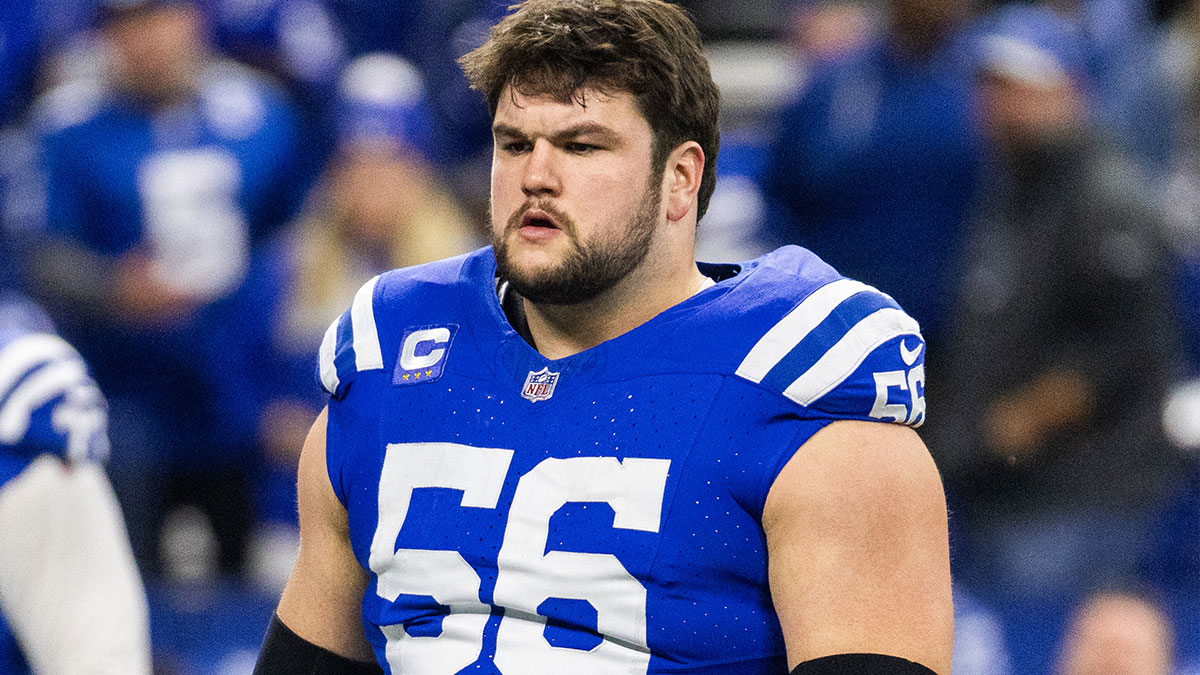
The Seattle Seahawks made a significant move ahead of the 2026 NFL trade deadline by acquiring All-Pro guard Quenton Nelson from the Indianapolis Colts. Nelson is set to make his debut in Seattle against the Chicago Bears on Monday Night Football, where he will once again face his longtime AFC South rival, Jeffery Simmons, who was recently traded from Tennessee to Chicago.
Nelson’s arrival demonstrates a strong commitment from general manager John Schneider, who traded a third-round pick in the 2027 draft and a fifth-round pick in 2028 to strengthen Seattle’s offensive line. As the Seahawks aim to defend their Super Bowl championship, their recent 20-3 victory over Kansas City highlights why the organization believes another championship run is within reach.
This trade also raises questions about the future of several players currently on the roster. Seattle has invested substantial resources into enhancing its starting lineup, but some established contributors may become expendable as responsibilities shift and younger players return from injuries.
With the November 10 trade deadline approaching, three Seahawks players stand out as potential trade candidates, each presenting different reasons for the organization to consider moving them.
3. Emanuel Wilson
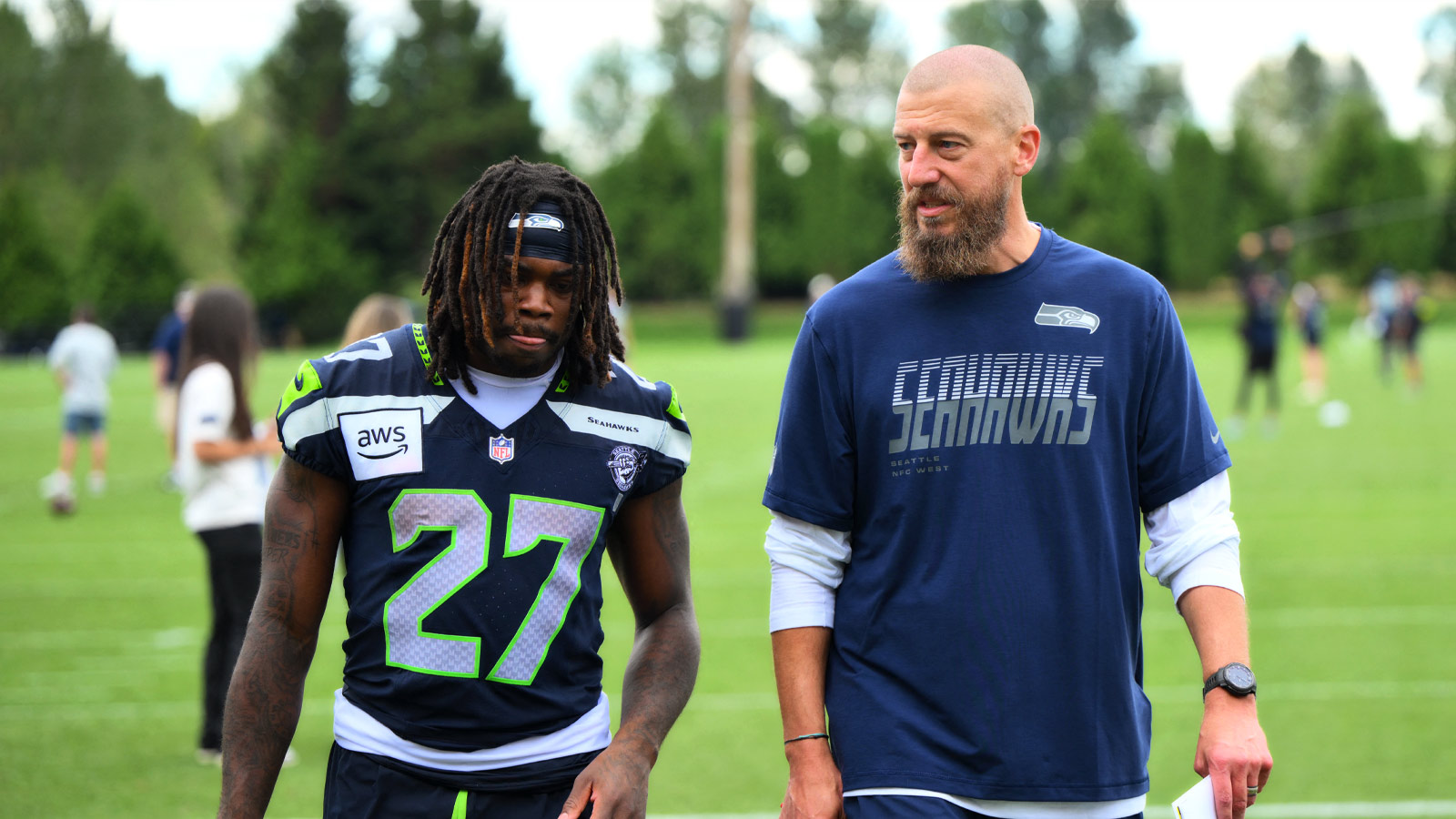
Trading Emanuel Wilson would have seemed unreasonable during the first month of the season when Seattle was struggling with injuries throughout its backfield and needed someone capable of handling a substantial rushing workload. Wilson joined the Seahawks during the offseason on a one-year contract after previously playing for Green Bay. His experience made him a valuable addition to a backfield undergoing significant changes following Kenneth Walker III's departure in free agency.
Seattle initially expected Zach Charbonnet and first-round rookie Jadarian Price to play important roles, but injuries prevented the coaching staff from consistently using their preferred rotation. As a result, Wilson received many more opportunities than anticipated when he signed.
He has responded with 403 rushing yards and three touchdowns on 111 carries through seven games, leading the Seahawks in rushing production. His willingness to take on physical assignments has been particularly valuable during an uneven start on offense.
Although Wilson's contributions make him important to Seattle, the circumstances surrounding his role could change significantly in the coming weeks. Charbonnet has recently returned from injured reserve, giving head coach Mike Macdonald another established option in the running game. Price is also working towards a larger role after injury issues interrupted the beginning of his rookie campaign.
A team dealing with injuries at running back might consider him an attractive short-term acquisition. Wilson has demonstrated that he can handle a substantial workload, and his contract expires after the season, limiting the financial commitment for any interested organization. Seattle could potentially recover a late-round draft pick from a team looking for immediate rushing depth.
While Wilson's production makes him the least likely candidate to be traded, the changing situation in the backfield gives general manager John Schneider reason to listen if another team makes an unexpected offer..
2. Dante Fowler Jr.
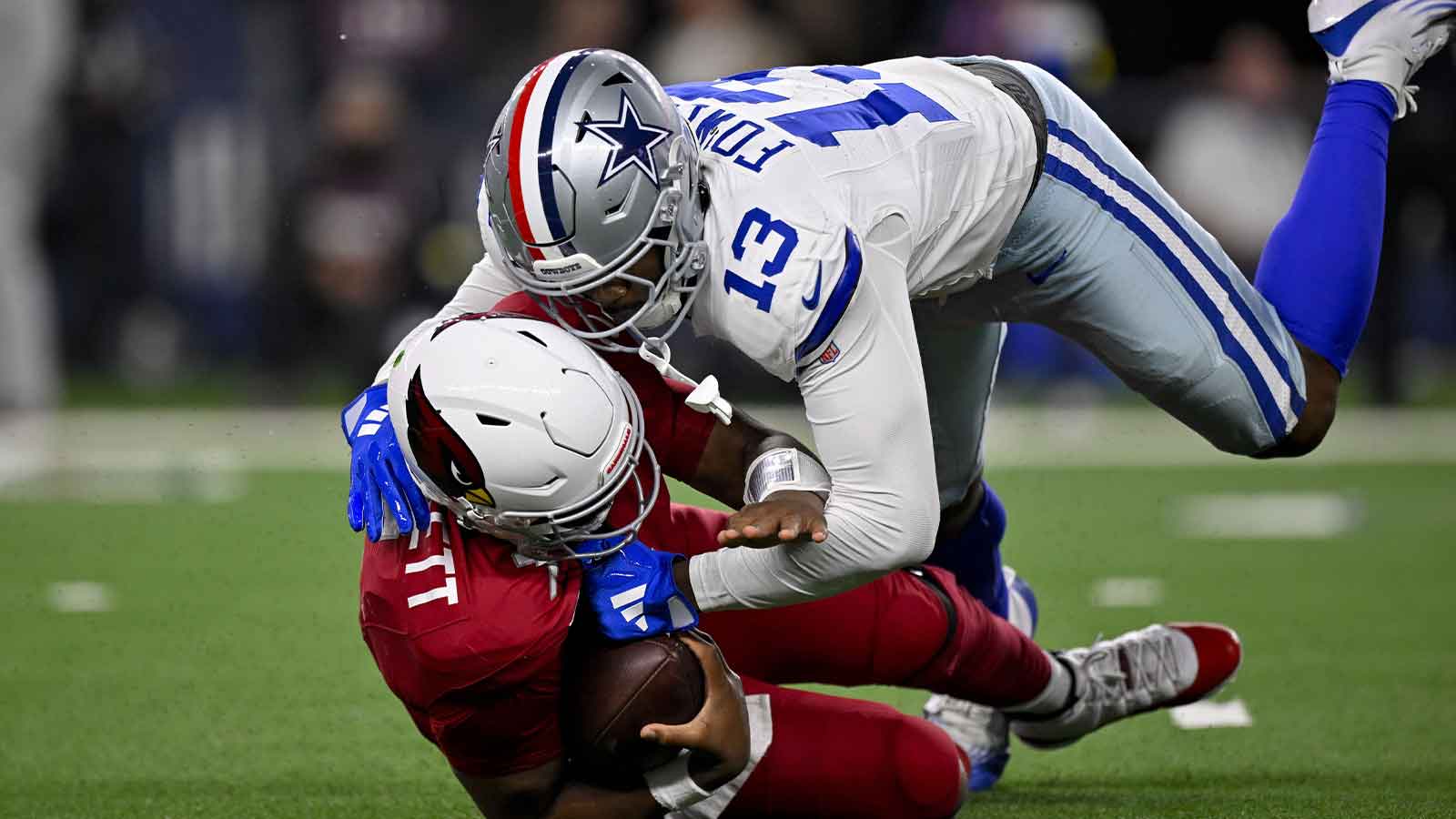
Dante Fowler Jr. joined the Seattle Seahawks with a clear objective: to strengthen an edge-rushing rotation that had lost a key contributor during free agency. The Seahawks signed Fowler in May to a one-year contract worth up to $5 million, bringing in a veteran familiar with defensive coordinator Aden Durde's system.
Fowler's previous experience with Durde made this signing a logical choice. He had demonstrated his ability to produce as a pass rusher, recording 10.5 sacks for Washington in 2024, and adding three more during his final season with Dallas. Seattle hoped that his experience would provide another option behind its established defensive contributors.
However, Fowler's performance has been relatively modest. Through seven games, he has participated in just 81 defensive snaps, accounting for less than 20 percent of the team's defensive opportunities. His playing time has been limited as defensive coordinator Clint Hurtt continues to rely on a rotation that includes DeMarcus Lawrence, Uchenna Nwosu, and Derick Hall.
Additionally, the Seahawks have received impressive production from their interior defensive line, which has decreased the need to rely heavily on Fowler to generate disruption. This limited role raises the question of whether Seattle should explore the trade market for him.
With several teams dealing with injuries along their defensive fronts, experienced pass rushers are particularly valuable during the second half of the NFL season. Fowler's experience with multiple defensive systems and his sufficient starting experience make him a viable option for teams that may not need extensive time to develop him. Seattle would likely receive limited compensation for Fowler, especially since he has not established himself as a key contributor this season.
The key question for general manager John Schneider is whether the potential compensation would outweigh the risk of weakening the team's defensive depth. Lawrence is expected to retire after the season, and Nwosu has faced injury challenges throughout his time in Seattle. Although Fowler's limited playing time does not diminish his potential value if another defender is unavailable, Schneider must weigh the benefits of recovering a modest draft asset against the insurance Fowler provides.
1. Anthony Bradford
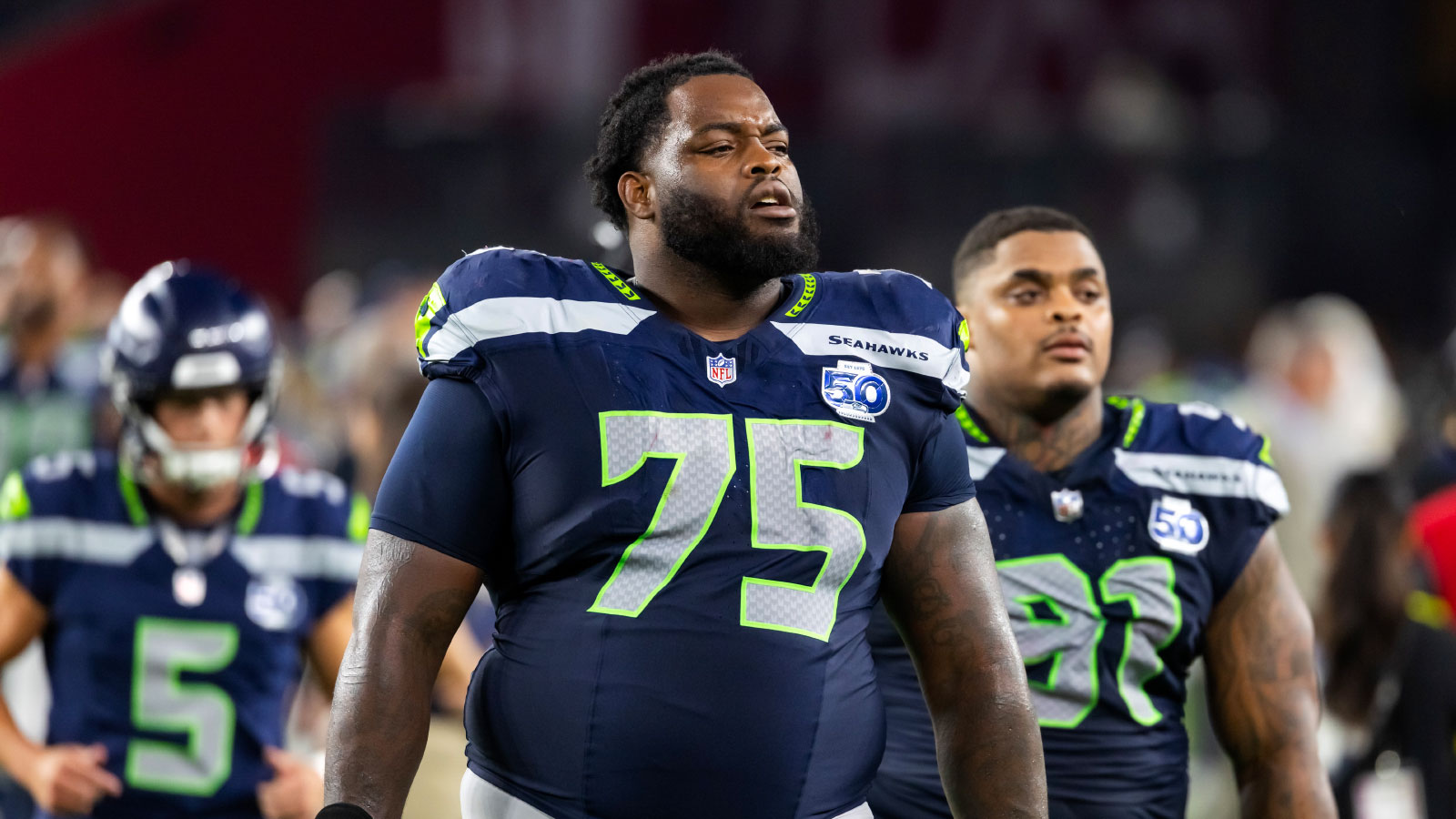
Anthony Bradford has the clearest reason to question his future in Seattle, as the recent trade for Nelson has directly altered his position on the offensive line. Bradford entered the season as the Seahawks' starting right guard, a role he had maintained since 2023. Although his performances have been inconsistent, the organization continued to give him opportunities to develop alongside other young offensive linemen.
A knee injury interrupted his season, causing him to miss five games before he returned to the active roster in October. Initially, his return seemed to provide Seattle with a chance to restore continuity along the offensive line. However, that expectation changed when General Manager John Schneider acquired Nelson.
The eight-time Pro Bowl selection immediately became Seattle's starting left guard, allowing Grey Zabel to move across the line and take over the right guard position. As a result, Bradford lost his starting job despite having just returned from injury.
Despite being only 25 years old, the 2023 fourth-round selection has accumulated considerable NFL experience. His familiarity with regular-season starting assignments could appeal to teams struggling to protect their quarterbacks, but Bradford's performance in pass protection remains a concern, as his blocking grades have been disappointing throughout much of his career, and the limited opportunities he had before his injury did little to address these issues.
So, a trade would give the Seahawks a chance to recover modest compensation for a player who is no longer in a starting position. It could also provide Bradford with an opportunity to compete for regular offensive snaps rather than waiting for another injury to create an opening.
Among the three candidates, Bradford presents the best combination of a diminished role, prior starting experience, and a contractual situation that could prompt another organization to consider a trade.
Seattle should protect its championship depth before making another move
The Seahawks have shown a strong commitment to making immediate improvements to their roster, and Russell Wilson still holds significant value, and the backfield is set to return to full strength. Meanwhile, linebacker Dante Fowler provides experienced defensive depth, and offensive lineman Joe Bradford offers protection against injuries along the line. By acquiring Nelson, the Seahawks have bolstered their championship aspirations. Their next challenge will be to determine whether this upgrade also presents an opportunity to reshape the roster without sacrificing the depth necessary to compete in January.