

The New England Patriots are approaching the November 10 trade deadline with some uncomfortable decisions to make. Head coach Mike Vrabel has already acknowledged the possibility of entering Sunday's matchup against Miami without two important offensive contributors, as A.J. Brown continues dealing with ankle and knee problems while TreVeyon Henderson recovers from an illness.
Their uncertain availability presents another challenge for quarterback Drake Maye, who has helped keep New England competitive during an injury-plagued start to the season. At 4-3, the Patriots remain firmly involved in the AFC playoff race, making the upcoming deadline particularly interesting for a team attempting to improve without compromising its longer-term plans.
Three players stand out as potential trade candidates, although their circumstances differ considerably.
3. TreVeyon Henderson
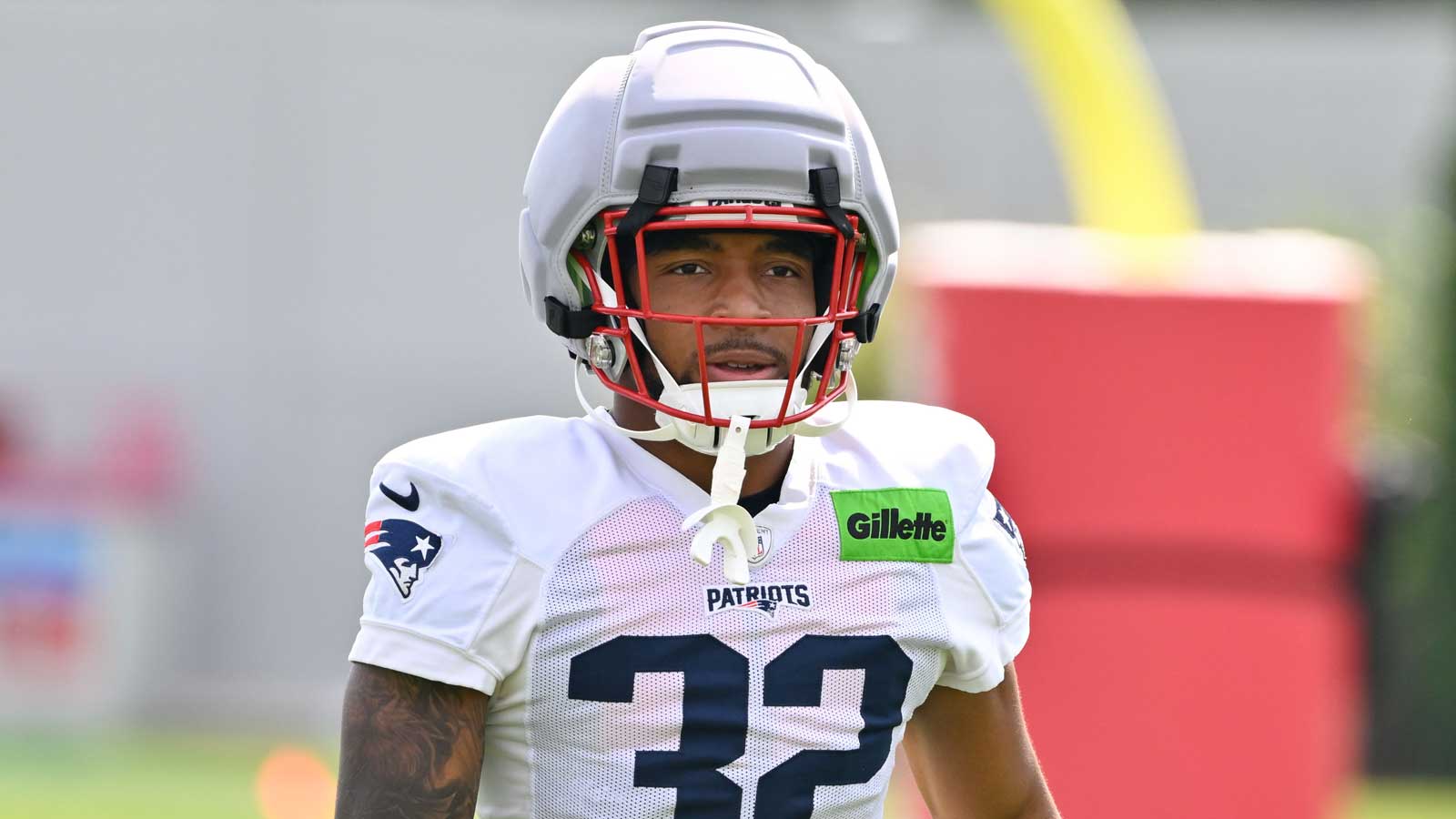
Few Patriots entered the 2026 season with greater expectations than TreVeyon Henderson. His rookie campaign suggested New England had found an explosive running back capable of developing into one of the offense's most important contributors. Henderson rushed for 911 yards and nine touchdowns in 2025, offering the kind of big-play ability that could complement Maye's development. His combination of speed and receiving potential gave New England a promising option for expanding its offensive approach.
Seven weeks into his second season, that progress has been difficult to find. The 2025 second-round selection has recorded 203 rushing yards and one touchdown on 52 carries through six appearances, averaging 3.9 yards per attempt. His opportunities have decreased considerably as the coaching staff continues relying on a more established rushing option.
An ankle injury also disrupted his preparation for the season, preventing him from appearing in the opener against Seattle. Now, an illness has placed his availability for the Miami game in question. Henderson's diminished involvement makes his future worth examining, particularly if another organization believes it can provide the touches necessary to maximize his athletic ability. Several teams have struggled to generate explosive rushing plays this season, and a young running back with Henderson's 2025 production could attract interest from front offices looking for a longer-term solution. His rookie contract would also make him more affordable than an established veteran approaching free agency. A team acquiring Henderson would receive several seasons of contractual control, an important consideration when evaluating the price of a potential trade.
New England would have reasons to listen if another organization offered meaningful draft compensation, especially if the coaching staff believes its current rushing approach is better suited to the personnel already receiving most of the opportunities. Moving Henderson would nevertheless represent a significant decision, as the Patriots invested a second-round selection in him only last year, and his disappointing start hardly guarantees that his developmental ceiling has changed. Trading him after six appearances in an injury-affected season could mean accepting less compensation than his talent deserves.
There is also a practical concern about New England's offensive depth. The Patriots have dealt with enough injuries that surrendering a player capable of handling meaningful rushing responsibilities could create another problem during the second half of the season. Henderson ranks third because his reduced role gives the trade discussion some credibility, but his age, contract, and potential make a deal considerably harder to justify than moving a veteran with limited long-term value.
2. Jaylen Reed

Jaylen Reed's situation presents an unusual question for New England. The Patriots acquired him from Houston in August as part of a trade involving a wide receiver, hoping the young safety could provide greater flexibility in their defensive backfield, and he arrived with encouraging qualities. His physical playing style and ability to operate closer to the line of scrimmage made him an intriguing addition to a secondary that needed more options against offenses using multiple tight ends and heavier personnel formations. He also brought postseason experience from his rookie campaign, having appeared in both of Houston's playoff games.
But yes, his opportunities in New England have remained limited. Reed played only five of the Patriots' 69 defensive snaps against Chicago in Week 7, reflecting his relatively modest responsibilities within the current rotation. He has contributed on special teams, but his defensive role has not developed into the substantial assignment that might have been anticipated when the trade occurred. The Patriots already possess an established safety pairing, leaving fewer opportunities for Reed to demonstrate what he could offer in a larger role.
That could make him an interesting target for a rebuilding team seeking affordable defensive depth. At 23, Reed remains young enough to develop, and his rookie contract runs through the 2028 season. Another organization would have time to determine whether his physicality and positional flexibility could translate into more consistent defensive production.
The Patriots could potentially include Reed in a player-for-player exchange if they identify a more pressing need elsewhere on the roster. Such a deal would allow New England to improve a position requiring immediate attention without necessarily sacrificing a valuable draft selection. There is an important obstacle, though: the Patriots acquired Reed only two months ago.
Moving him so quickly would suggest that the coaching staff's evaluation has changed substantially or that another team has presented an offer too attractive to dismiss, and his limited playing time does not necessarily mean New England has abandoned its plans for his development. Reed's value as a special teams contributor also gives the Patriots a reason to retain him, particularly during a season in which roster depth has repeatedly been tested.
A trade remains plausible if another organization views him as a potential defensive contributor rather than a reserve, but New England would need sufficient compensation to justify reversing such a recent personnel decision. His limited role places him ahead of Henderson in this ranking, even though the organization has little financial incentive to move him.
Article Continues Below1. DaQuan Jones

DaQuan Jones is the most straightforward trade candidate on New England's roster because his contract and current role provide a clearer financial and football rationale for a potential departure, and the Patriots signed the veteran defensive tackle in September after injuries created an immediate need for additional depth along their defensive front.
Jones brought considerable experience to Foxborough, having spent 12 previous seasons in the NFL and established himself as a dependable interior defender. His familiarity with Vrabel also made the signing particularly sensible. The Patriots coach previously worked with Jones in Tennessee, giving New England a veteran who understood the physical demands and defensive principles associated with his approach.
The arrangement was designed around immediate assistance rather than a substantial long-term investment, as Jones signed a one-year contract worth $3.5 million, leaving him scheduled to become an unrestricted free agent after the season. He has served primarily as a rotational defender, contributing 155 defensive snaps through seven games while operating behind the team's more established interior options. That role has value, especially during a season when injuries have affected multiple positions. It also makes Jones a comparatively realistic trade candidate if the Patriots believe their younger defensive linemen can handle additional responsibilities.
A team struggling against the run could view him as an experienced addition capable of strengthening its defensive rotation without demanding extensive preparation or a multiyear commitment. Jones has spent much of his career handling difficult assignments against opposing offensive lines, making him particularly appealing to contenders looking for veteran depth before the playoffs; his expiring contract would keep the acquiring team's future financial obligations limited, while a late-round draft selection could provide New England with an acceptable return.