
The first four-team bye of the 2026 season arrives at an inconvenient time for fantasy managers already dealing with a wide receiver position reshaped by injuries, trades, and changing depth charts. Ja'Marr Chase, Justin Jefferson, and Amon-Ra St. Brown are unavailable in Week 6, which means lineups that normally build themselves may require one or even two replacements. In the end, that does not mean chasing the biggest Week 5 becomes more useful when recent production is separated from the opportunity that created it. Nine targets can matter more than a touchdown scored on three, and a new opening in a depth chart can be more valuable than a familiar name who continues to run plenty of routes without seeing the football.
These six players sit directly in that uncomfortable part of the lineup where the decision can actually change a matchup.
Start ‘Em
Start of the Week: Germie Bernard, PIT at TB
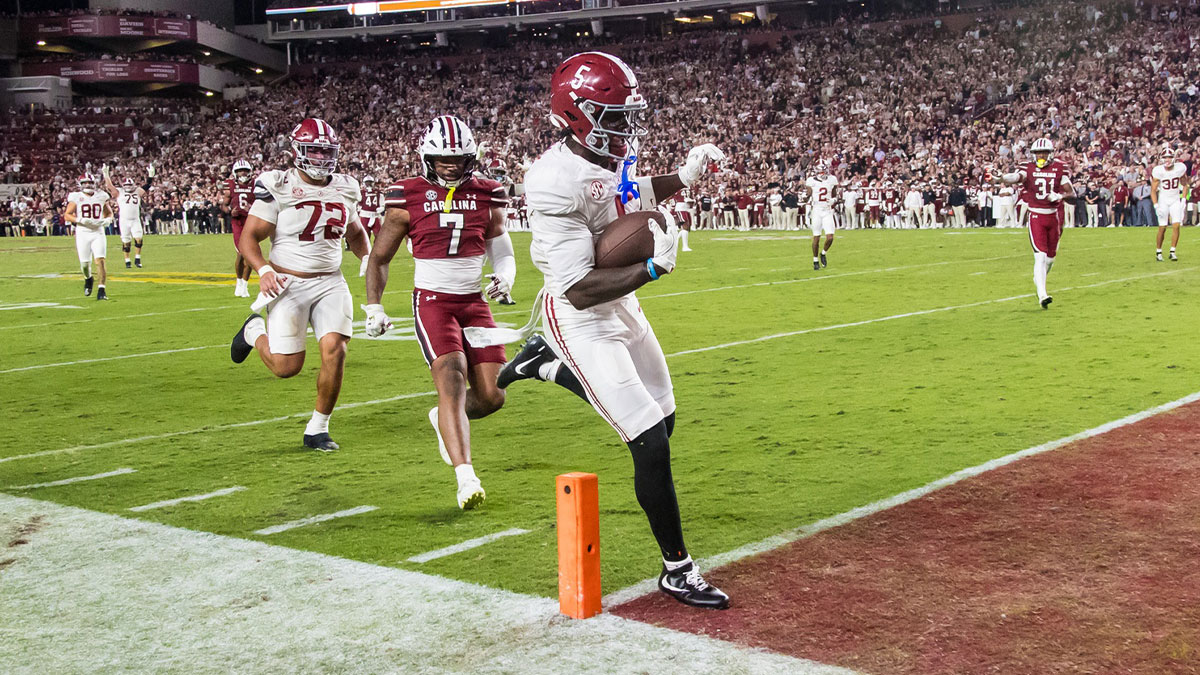
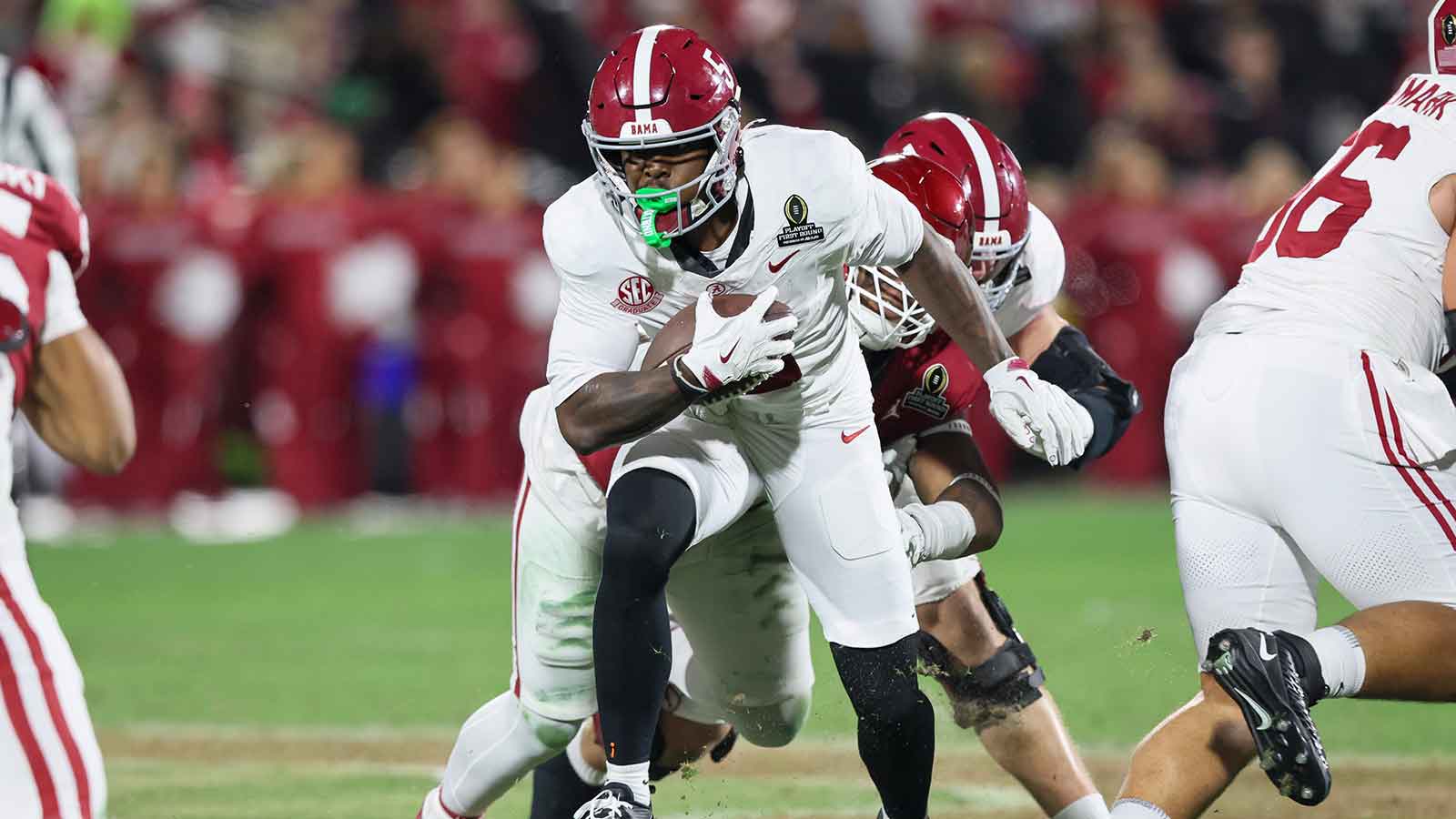
The Steelers treated him like a meaningful part of the passing game, and the rookie ran 28 routes in Week 5, matching DK Metcalf for the team lead, then turned nine targets into six catches for 80 yards. Those nine opportunities were also the most among Pittsburgh receivers, and the circumstances that created the opening have not disappeared. Michael Pittman Jr. remains on injured reserve with a foot injury, while Roman Wilson has already been ruled out for Week 6 because of a finger injury.
Rather than depending on one deep completion, Bernard earned his production through involvement across the field, which gives the role a much better chance of carrying over. Tampa Bay also creates a useful environment for another active passing game, particularly if Pittsburgh cannot simply control the afternoon on the ground. DK Metcalf will remain the first receiver defenses plan around, but that can actually help the rookie if the Steelers continue using him as the complementary option who attacks softer coverage.
In deeper leagues, he should already be in the WR3 conversation, and managers missing one of the elite receivers on bye should be comfortable using him as a flex.
Keenan Allen, IND vs. TEN
A five-catch, 45-yard performance rarely creates much excitement, yet the underlying numbers from Indianapolis' loss to Pittsburgh were considerably more encouraging than the final fantasy score. Coming back from a groin injury, Keenan Allen played only 32 offensive snaps and ran 28 routes on Daniel Jones' 47 dropbacks. He still received nine targets, tying Tyler Warren for the team lead, and that concentration of opportunities despite a reduced workload says much more about where the Colts want to throw the football than the modest yardage total does.
The Week 6 matchup should also allow Indianapolis to operate differently. Pittsburgh forced Jones into nearly 50 pass attempts, something fantasy managers should not expect again, but Tennessee does not require that type of extreme volume for Allen to remain useful. His routes are naturally better suited to PPR scoring than explosive-yardage formats. Short and intermediate targets may not produce a 100-yard afternoon, but five or six catches can establish a respectable floor before a touchdown is even considered.
Kendrick Bourne, ARI at LAR
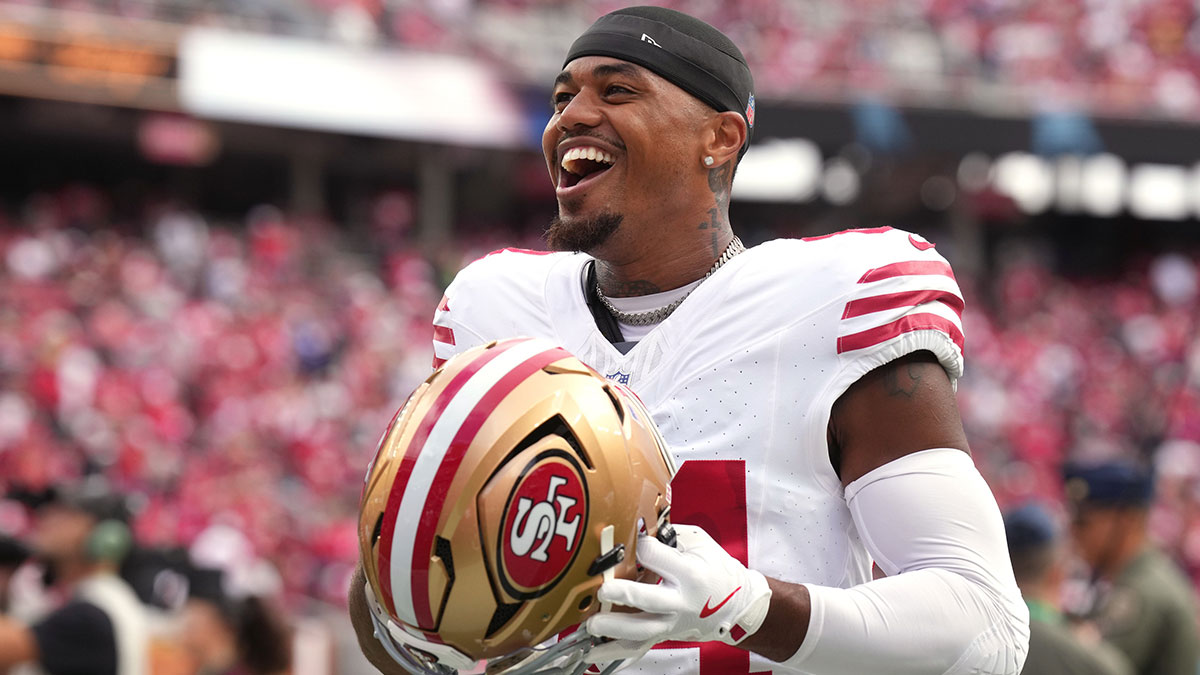
Arizona changed its receiving room more dramatically than any team on this list when Marvin Harrison Jr. was traded to Houston, and the immediate reaction should not be to assume all of Harrison's work automatically transfers to one player. Trey McBride and Michael Wilson will continue to command a large percentage of the passing game, but there is now a meaningful role available behind them, and Week 5 offered the first indication of who might claim it.
Kendrick Bourne played fewer snaps than a typical full-time starting receiver against Detroit yet still attracted eight targets, catching five for a team-high 70 receiving yards. Only McBride saw more passes thrown his way. The Rams matchup adds some volatility, but Arizona's broader offensive situation helps compensate for it. This is a team that has repeatedly been forced to throw while trailing, and the departure of Harrison removes one of the primary obstacles to a more stable route share.
Sit ‘Em
Sit of the Week: Jaylen Waddle, DEN vs. SEA
The frustrating part about Jaylen Waddle's first season in Denver is that there have already been glimpses of what could work, as he caught eight passes for 138 yards in Week 2 and finally reached the end zone in Week 4. Neither performance has led to consistent involvement, though, and Week 5 brought the concern back into focus.
Despite operating as Denver's top receiver, Waddle managed only two catches for 19 yards on five targets against the Chargers. He added nine rushing yards, but those touches did little to change another quiet fantasy afternoon, and through the first month, the problem has been less about his ability to get open than an inconsistent passing game that has struggled to turn his route-running into steady opportunities.
Seattle is not the opponent to use when hoping everything suddenly becomes more stable, because there will always be big-play upside with Waddle, which makes a complete benching difficult in deeper formats. In normal 10- or 12-team leagues, though, managers with another credible WR3 should not feel obligated to chase the possibility of one explosive reception.
Darius Cooper, PHI vs. CAR
Article Continues Below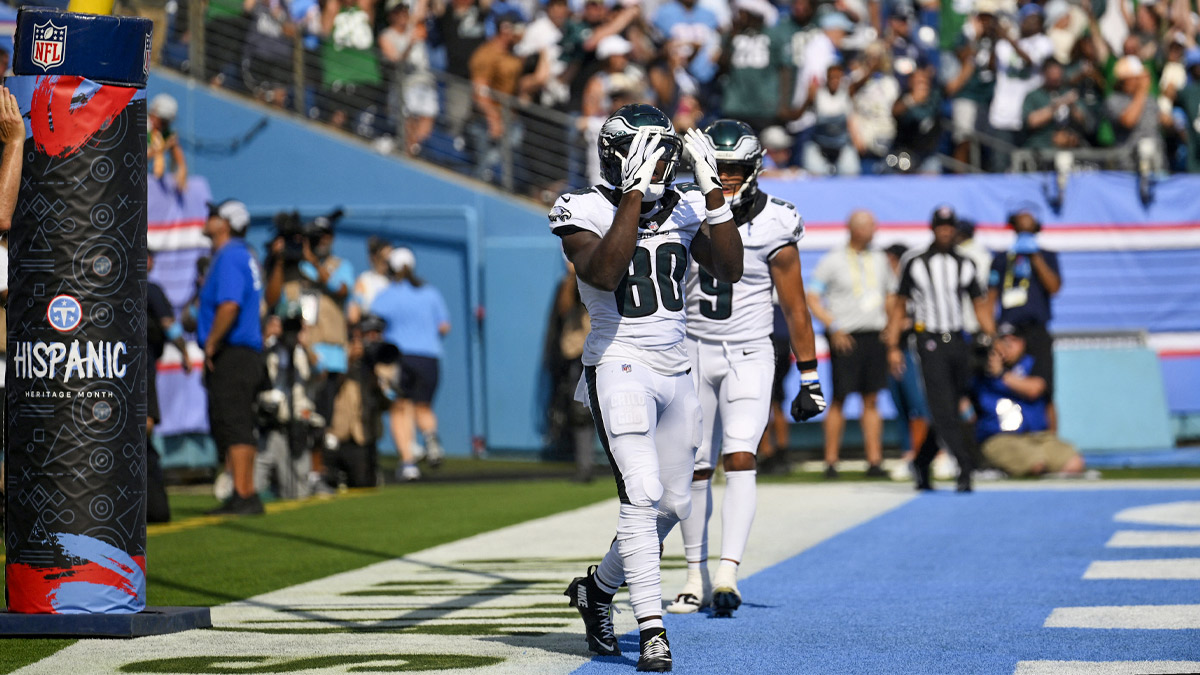
Three touchdowns over two weeks will make almost anyone appear worthy of a starting lineup, and the danger comes from assuming those touchdowns represent the role.
Darius Cooper followed his two-score Week 4 with another touchdown against Jacksonville, this time taking one reception for 62 yards. The full afternoon consisted of two catches on three targets for 71 yards, and his Week 5 target share was only 8.1 percent despite playing more than 85 percent of Philadelphia's offensive snaps. So, the Eagles are also hopeful DeVonta Smith can return from his hamstring injury this week. If that happens, the competition for targets becomes even more difficult, particularly with Dallas Goedert already back and Dontayvion Wicks seeing a healthier share of the passing game.
Cooper absolutely belongs on fantasy rosters after demonstrating this type of big-play ability, because starting him is a different question. Banking on another touchdown while the targets remain this sparse requires fantasy managers to repeat the least predictable part of his recent production.
Terry McLaurin, WAS at SF
Four targets were enough for Terry McLaurin to lead Washington with 62 receiving yards against the Giants, but that sentence also illustrates the problem. The Commanders threw enough to produce useful fantasy opportunities in Week 5, yet the receiving work was spread around rather than concentrated through McLaurin, and catching all four targets kept the afternoon respectable; receiving only four limited the chance of it becoming anything more.
Now Washington travels to San Francisco to face an undefeated team capable of creating pressure and controlling possession. The likely negative game script may eventually force Jayden Daniels to throw, but projected pass attempts alone do not guarantee that enough of them will reach McLaurin, so yes, that makes him difficult to classify. Benching a receiver with his track record can feel like overthinking the matchup, particularly after an efficient Week 5. Yet fantasy managers are not deciding whether McLaurin remains a talented NFL receiver, and they are deciding whether his current opportunity offers a better path to points than the alternatives sitting beside him.
Week 6 is particularly suited to moving beyond recognizable names because the bye-week absences will force managers deeper into their benches and waiver wires anyway, so that makes current opportunity more valuable than draft capital. Recent touchdowns require more skepticism, and when the receiving volume underneath them remains thin, chasing the previous Sunday's score can create exactly the kind of lineup decision managers regret by halftime.