
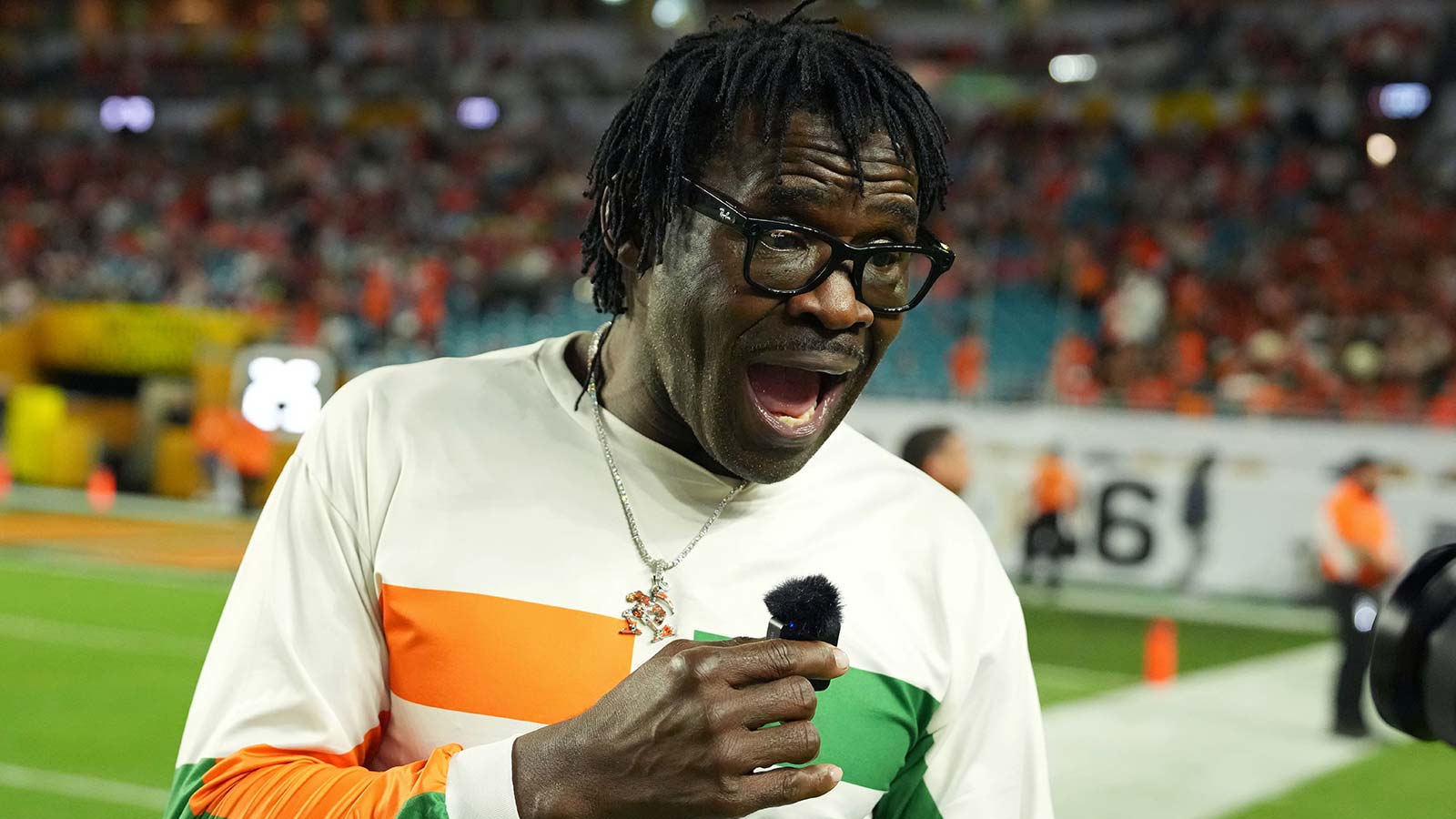
Seattle Seahawks star wide receiver Jaxon Smith-Njigba has quickly become one of the league's most electrifying playmakers, earning significant praise from legendary NFL analysts, like Michael Irvin, who are astonished by his elite agility, exceptional route-running, and incredible ability to change direction seamlessly on the field.
While individual brilliance continues to light up highlight reels across the league, a darker narrative has emerged during the early season due to a wave of devastating injuries affecting marquee quarterbacks like Caleb Williams and Jayden Daniels. As the physical toll on players increases, Hall of Famer Michael Irvin delivered a passionate critique on Pat McAfeeâÂÂs show regarding the current practices in roster management and preseason preparation. He specifically targeted the trend of resting star players entirely before Week 1.
"I have said this so many times..
I don't know how you can ramp up without ramping up..
How do you start the season without having any game practice at all" ~ @michaelirvin88 #PMSLive https://t.co/7klnIV8Fe4 pic.twitter.com/hWFfq99HdC
â Pat McAfee (@PatMcAfeeShow) September 21, 2026
Expressing his frustration with how teams handle training camps and preparation, Irvin took to social media, stating: âÂÂI have said this so many times⦠I don't know how you can ramp up without ramping up. How do you start the season without having any game practice at all?âÂÂ
Irvin argued that keeping players out of competitive snaps during the preseason leaves their bodies unprepared for the physical demands and speed of live regular-season action, which contributes to the alarming rise in soft-tissue strains and severe injuries in the opening weeks. As medical staffs around the league scramble to address these injuries and superstars deal with setbacks, the debate over how teams condition their athletes before the season has intensified.
With the league facing increasing scrutiny over player health and preparation schedules, coaches and executives may soon need to reconsider whether protecting players is actually doing more harm than good.