
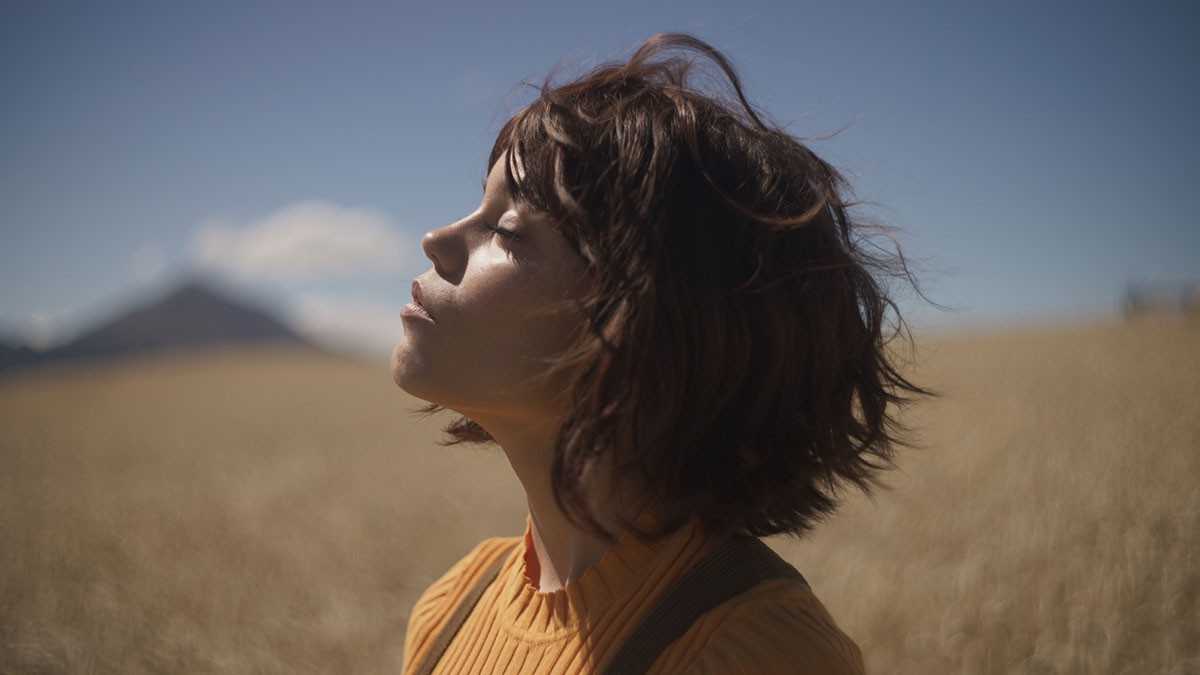
While not the first to tackle such subject matter, Taika Waititi's Klara and the Sun movie adaptation, which stars Jenna Ortega, makes humanity look in the mirror as we face the looming threat of AI.
Movies dating back decades, like 2001: A Space Odyssey and, more notably, Blade Runner, asked similar questions. Klara and the Sun, based on Kazuo Ishiguro's 2021 novel of the same name, was not nearly as well-received at its premiere at the 2026 BFI London Film Festival on Oct. 15.
That feels like a recurring theme for Waititi, whose work since the Oscar-winning Jojo Rabbit has been less and less favorably received by critics for one reason or another.
The pendulum won't swing the other way completely with Klara and the Sun. Still, it's a lot better than Thor: Love and Thunder and more ambitious than Next Goal Wins.
It has genuine heart, even if Waititi and co-writer Dahvi Waller can't help but throw in some MCU-like one-liners that take away the emotion of scenes, and Ortega gives one of her most unique performances to date.
If anything, the adaptation falls short because of its dense source material. Some subplots and characters don't get explored nearly as much as others, and this hurts the overstuffed second hour of the movie.
The hate has been exaggerated, though. While not as poignant as Jojo Rabbit—Waititi's last adaptation that successfully delivers its profound message—Klara and the Sun is his best work in years.
Klara and the Sun review: What's it about?
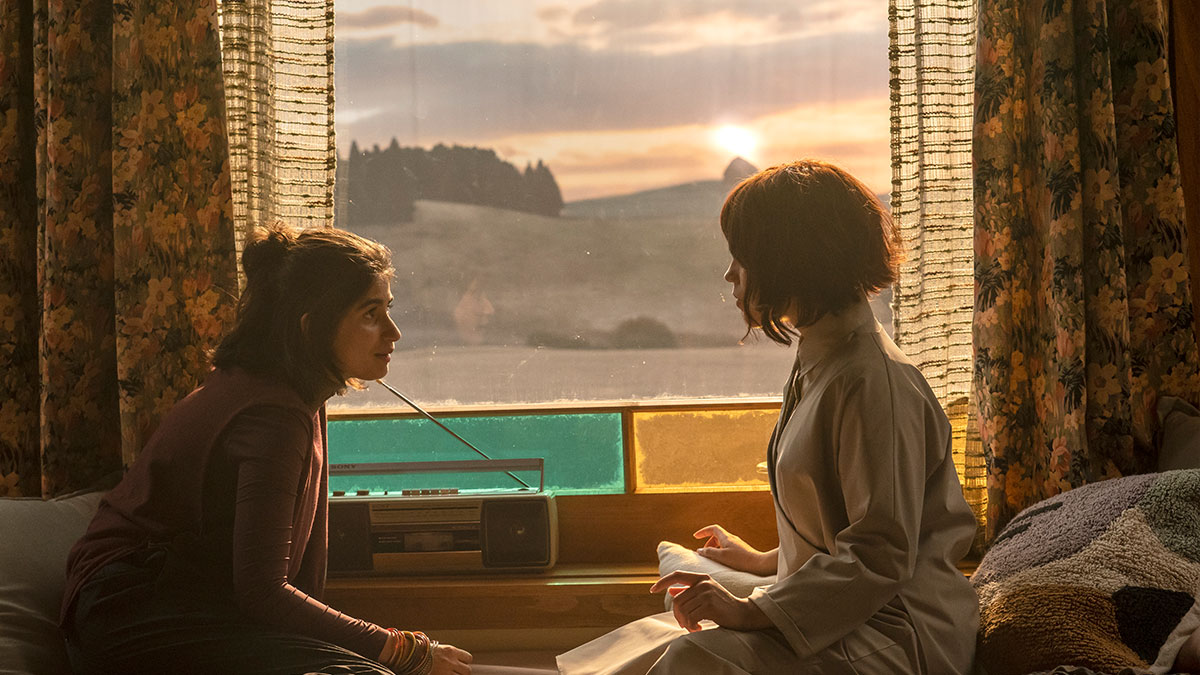
In a scary dystopian future, which features more classism than ever, lonely kids can get Artificial Friends, dubbed AFs. There are more advanced models, like the newest ones shown in Klara and the Sun, which look like the backup dancers in a K-pop group.
Then, there are the older models, namely Klara (Jenna Ortega). She doesn't have all of the bells and whistles that the newer AFs have, but she is eager to make a friend and serve her purpose.
One day, Josie (Mia Tharia), a “lifted” child, hand-picks Klara as her AF, much to her mother Chrissie's (Amy Adam) chagrin. However, she is adamant about having Klara, and the two click instantly.
Klara and the Sun is ultimately about faith, whether it be in the relationships you form or the God you believe in (in Klara's case, she prays to the sun, having Are You There, God? It's Me, Margaret-like conversations).
It's an interesting metaphor, one that makes sense since Klara receives her energy from the sun. Her unwavering faith in the sun is the backbone of Klara and the Sun.
Jenna Ortega gives a fresh performance
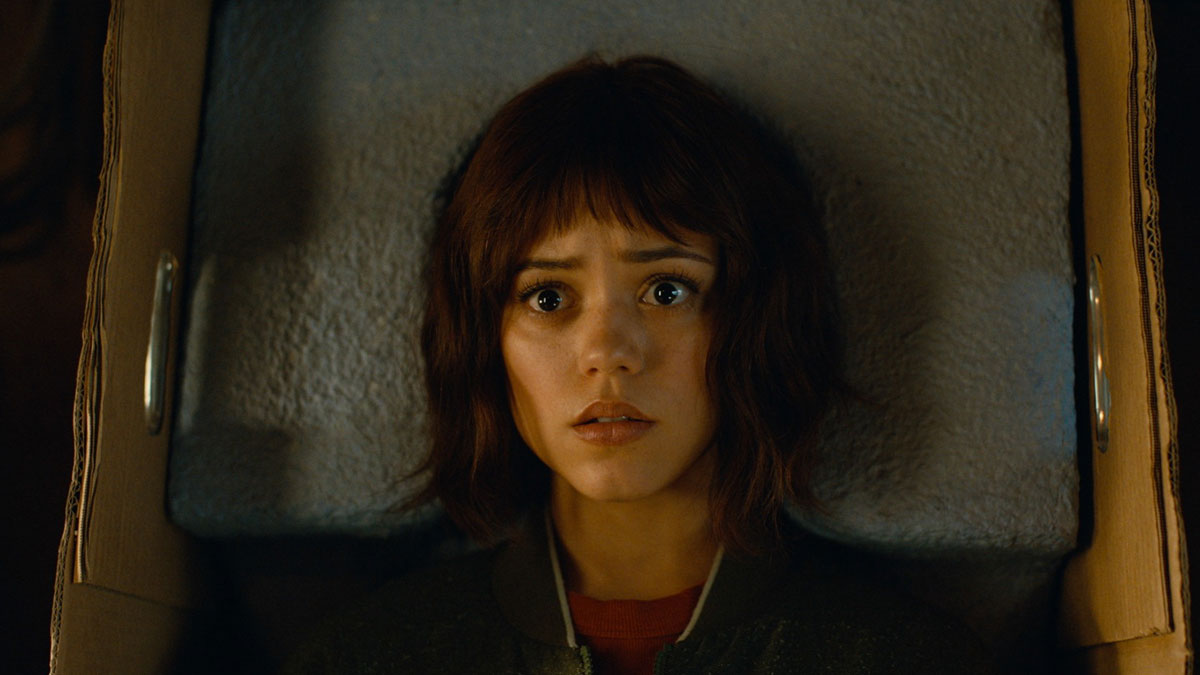
This is where Klara and the Sun is at its best. Ortega plays Klara with the wide-eyed gawkiness required of a robot who is, in essence, a toddler. She is unfamiliar with the world, as evidenced by how she has to process every new environment she reaches and needs a guiding hand.
That is where Josie comes in. Tharia doesn't have many credits to her name—most notably leading the first couple of seasons of Phoenix Rise—but she is a perfect match for Ortega. The two share what feels like a real friendship, which is hard to nail in a way that feels authentic.
If Ortega and Tharia's chemistry didn't hit it off, Klara and the Sun would've been DOA. It's a unique role for Ortega, who finally gets out of the brooding Wednesday Addams-like roles she has delivered recently.
Finally, she showcases her charisma. Ortega is so talented—notably her dramatic chops in The Fallout—and has been pigeonholed recently.
Where Taika Waititi's movie falls flat
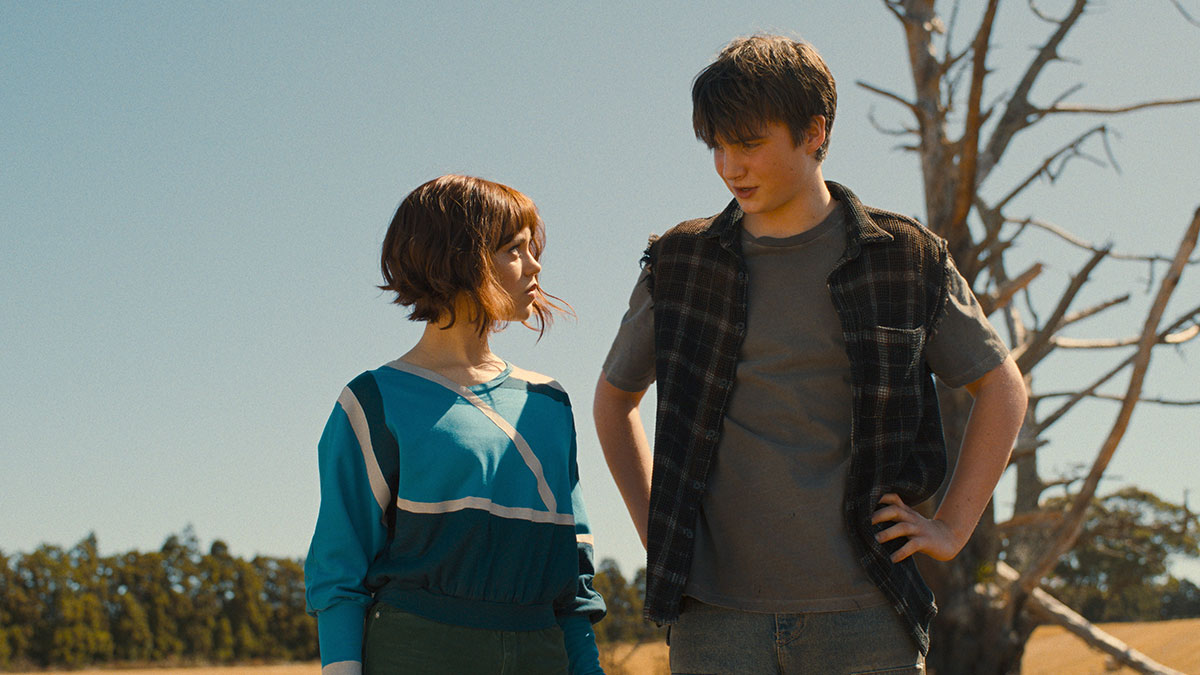
The second hour of Klara and the Sun is where Waititi's adaptation starts falling apart. There are so many subplots, ranging from Josie and the “lifted” kids to the previous passing of her younger sister.
The “lifted” subplot is especially shoehorned. Wealthy families can pay to have their kids “lifted,” a procedure that gives them a high IQ and superior athletic ability. In other words, it makes them perfect.
Josie underwent the procedure, a decision made by her mother, who is grappling with the loss of her other daughter. The subplots, along with why Klara is even in the family in the first place, are intertwined, but they don't get the tender, love, and care that the main story gets.
Klara and the Sun might have benefitted from being a TV series adaptation rather than a feature film. It's a filmic story, and Waititi makes it cinematic, but 116 minutes didn't feel like enough to flesh it out.
Waititi makes do with what he's got. A longer film or TV series could've elevated it. The feature film runtime makes the middle hour of Klara and the Sun feel overstuffed. From the “lifted” kids to the relationship between Klara and Chrissie, some of the most important plot developments happen in the middle hour.
Article Continues BelowIt ultimately doesn't all land as well as it could have because of the constraints of the runtime. As a result, there is a lot of untapped potential.
Should you watch Klara and the Sun?
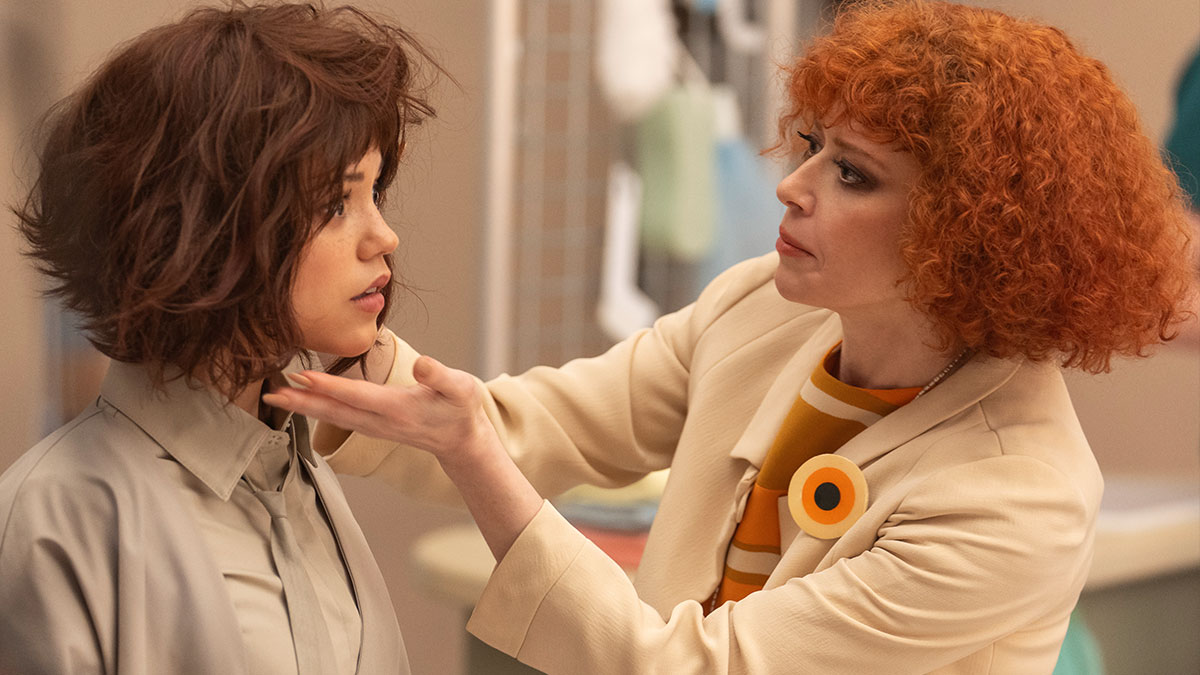
Like AI, Klara and the Sun is imperfect. There are a lot of positives, like Ortega's performance and her dynamic with Tharia, but Waititi feels stretched thin.
Surprisingly, the ill-timed humor isn't the biggest problem. The Marvel-like jokes are brief distractions, but it's not as egregious as in his last two movies.
Klara and the Sun still feels closer to Waititi's masterpiece, Jojo Rabbit, than Thor: Love and Thunder. He still showcases his innate ability to tell real human stories about real relationships. If he lost that, his adaptation of Klara and the Sun would be a total trainwreck.
It's absolutely worth watching. However, it's almost impossible not to feel like your appetite hasn't been fully satiated, thanks to the overcrowded second half of the movie.
Grade: C+
Klara and the Sun will be released on Oct. 23.