
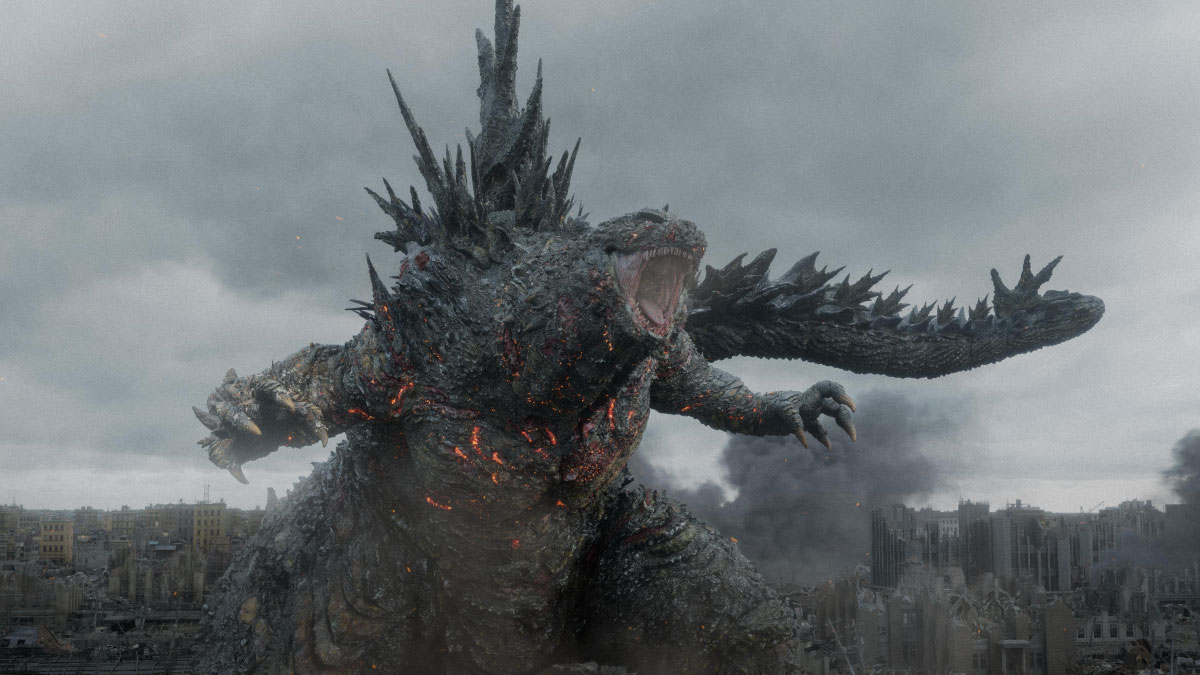
Over the last decade or so, it feels like we’ve gotten more Kaiju movies, from Godzilla Minus One to the MonsterVerse shared cinematic universe movies.
Of course, they've been done to varying degrees of success. Long gone are the days of the '60s and '70s when Godzilla movies were churned out at an MCU level, though the franchise has remained relevant thanks to Warner Bros.’ MonsterVerse.
Godzilla Minus Zero is the follow-up to 2023's Minus One, which was directed by Takashi Yamazaki. Picking up a couple of years after the events of its predecessor, which took place during World War II and its aftermath, Minus Zero shows a recovering post-war Japan that faces a new threat: King Ghidorah.
While not always the most coherent storyline, Minus Zero is an exhilarating watch and the definition of the big-screen experience. Visually, it's better than any other Godzilla movie, and it features a heartfelt human storyline.
Using Godzilla as a metaphor for war is sometimes a little on the nose, but given the state of the world, Minus Zero feels especially timely, which begs the question The Temptations' “War” asked: “War, what is it good for?” The answer? “Absolutely nothing.”
Godzilla Minus Zero review
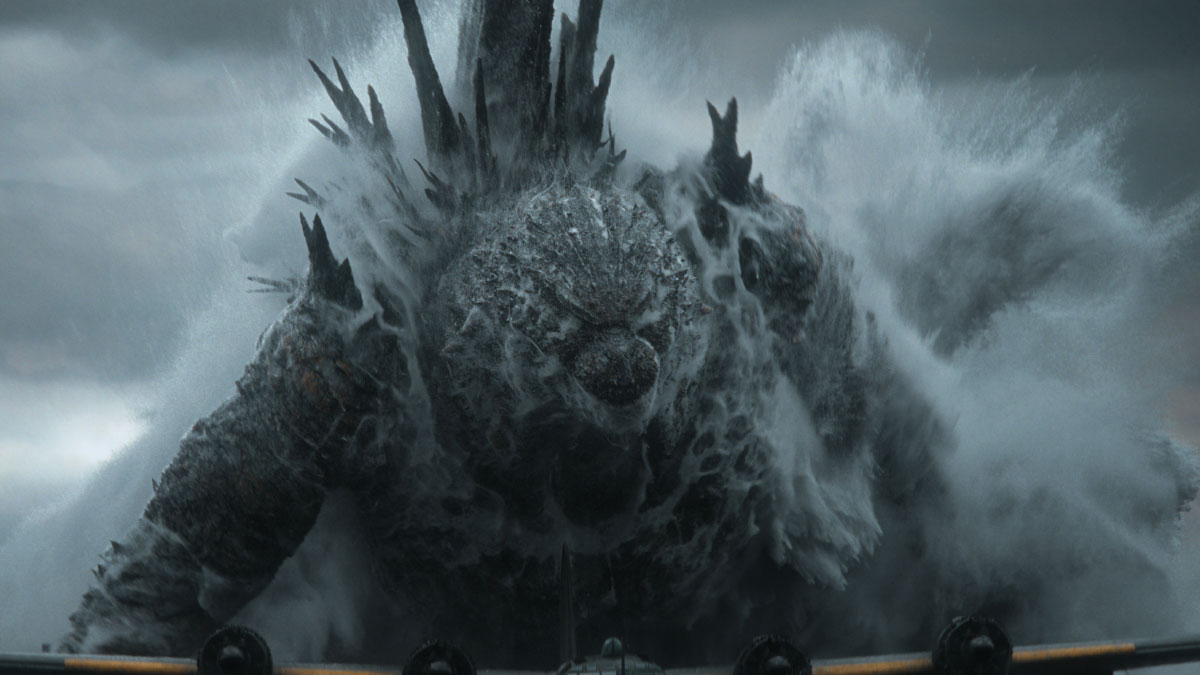
One of the problems with the MonsterVerse is its balance of (or lack thereof) the human and monster sides of its movies. Granted, 2014's Godzilla waited until the very end to show its titular monster.
That was an interesting (and bold) approach for a movie with the intention of kickstarting a franchise. While intriguing, the human side of the story wasn't nearly interesting enough to justify this move.
Perhaps the MonsterVerse has swung the pendulum too far. The subsequent movies after Godzilla have been 120 minutes of mind-numbing monster fights. They’re almost like watching a kid smash their Godzilla toys together on a $200 million budget.
One thing you can't call them is uneventful, though even the overindulgence in the monsters can make them boring (much like how the John Wick series has become dull with every installment).
The “Minus” movies have balanced the monster mashing and human storylines. Setting the movies in the '40s goes a long way, avoiding over-indulgence in sci-fi mumbo jumbo.
Seeing Japan reeling from the war before King Ghidorah enters the fray is heartbreaking. Godzilla has always been used as an allegory for the effects of war, and that message couldn't be timelier.
The MonsterVerse Godzilla movies have had stacked ensembles featuring Bryan Cranston, Elizabeth Olsen, Rebecca Hall, Millie Bobby Brown, and even Kurt Russell, to name a few.
However, the human stories never click, whether because they're boring or half-baked, which is why the franchise has devolved into two-hour CGI slop fests.
Why the humans matter
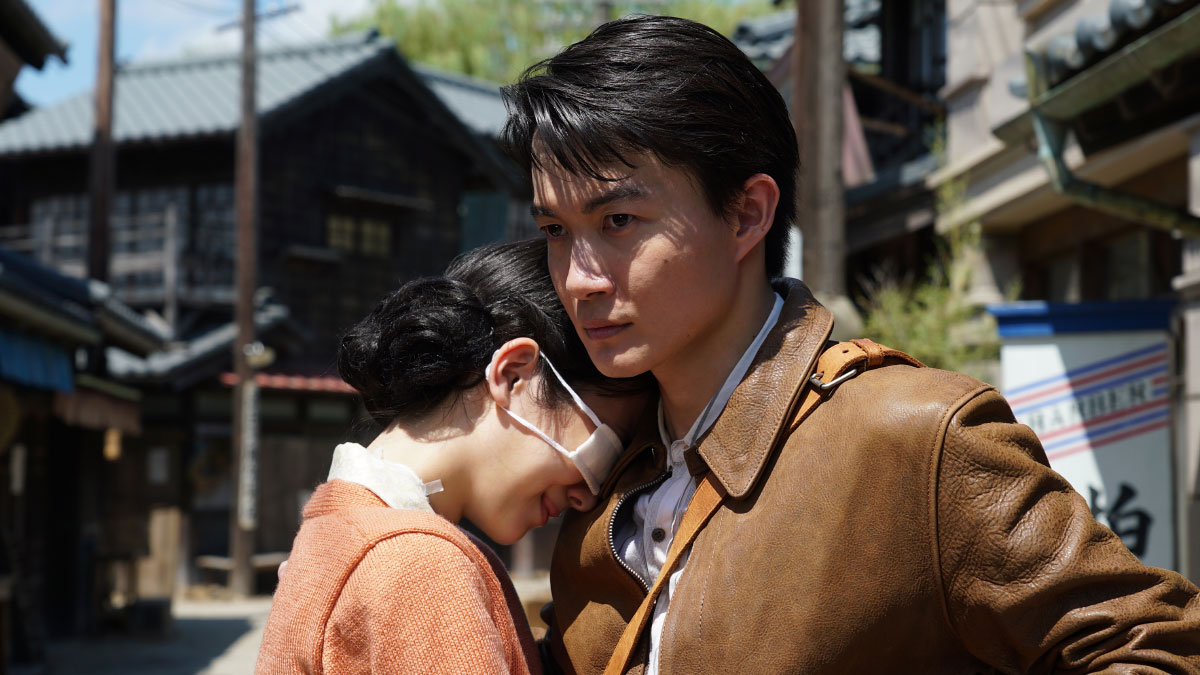
The same doesn’t ring true in Minus Zero. The human storyline is central to the plot, making the inevitable third-act clash so much more rewarding. Takashi Yamazaki's script is pretty tight, though a little convoluted at times, and gets its message across without beating viewers over the head.
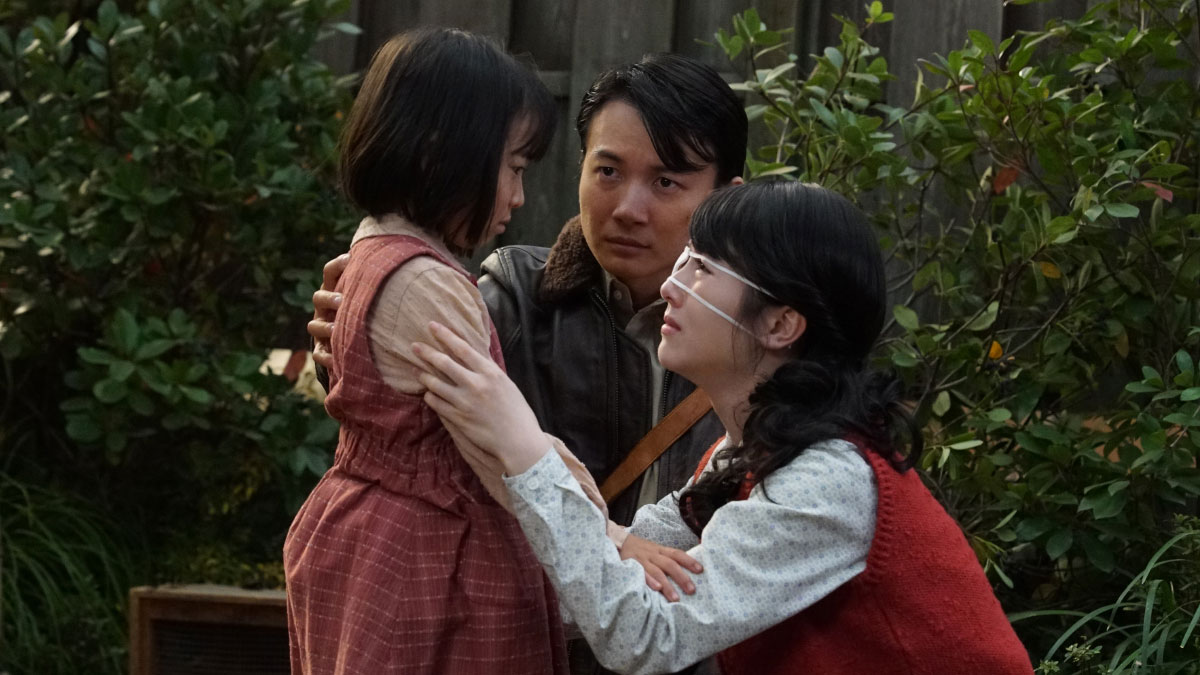
Godzilla Minus Zero brings back stars Ryunosuke Kamiki, Minami Hamabe, and Hidetaka Yoshioka from Minus One. While maybe not household names to American audiences, they do great work in these blockbusters, especially Hamabe.
Kamiki gives a slightly different performance from Minus One since he's a couple of years removed from being a kamikaze pilot. He expressed the effects of the war (and Godzilla) on his face so well in Minus One’s opening moments.
Now, he has a family and has moved past it. When King Ghidorah first arises, he's shell-shocked. He gives a solid lead performance and is great alongside Hamabe.
Godzilla Minus One is just as much about grief as it is about monsters fighting. The destruction the war and monsters create results in collateral damage. Those who survived are forced to pick up the pieces without their loved ones.
The visuals are top-tier
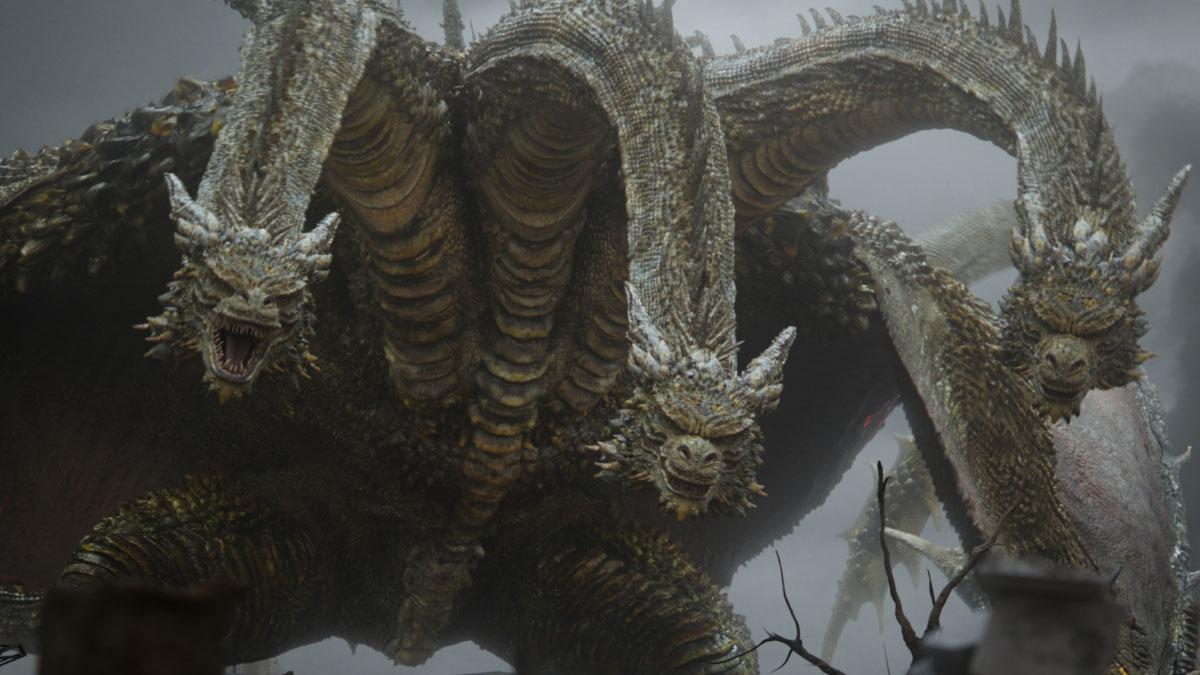
What you come to see Godzilla Minus Zero for is the titular monster, though. Yamazaki shows restraint without going overboard, though he delivers the first shots of King Ghidorah a matter of minutes into the movie.
Unlike some of the other American Godzilla movies, this juice is worth the squeeze. It's rewarding once the monsters clash, but the build-up never lets up.
Visually, Toho's latest Godzilla movies are at the top of their game. The scales on the monsters are so tactile, with so much attention to detail. They even look good interacting with other objects, and it's not for the faint of heart or anyone with megalophobia.
Article Continues BelowTo be frank — Godzilla Minus Zero (and its predecessor) should be used as the standard of blockbuster filmmaking. It's rare that a movie of this scope looks this convincing, especially since much of it takes place in broad daylight and it's not able to use the shadows of the night to hide any shoddy CGI.
Should you watch Godzilla Minus Zero?
Godzilla Minus Zero is the best blockbuster of the year so far (we'll see how Dune: Part Three and Avengers: Doomsday compare). Finally, we have a Godzilla series that's cool.
This is a big-screen experience if there ever was one. Visually, the Kaiju monsters have never looked better, and the fights are epic.
It also feels extremely timely considering everything going on in the world. Godzilla movies have always made society look at itself in the mirror. Can mankind get out of its own way?
Grade: B+
Godzilla Minus Zero will be released on Nov. 6.