
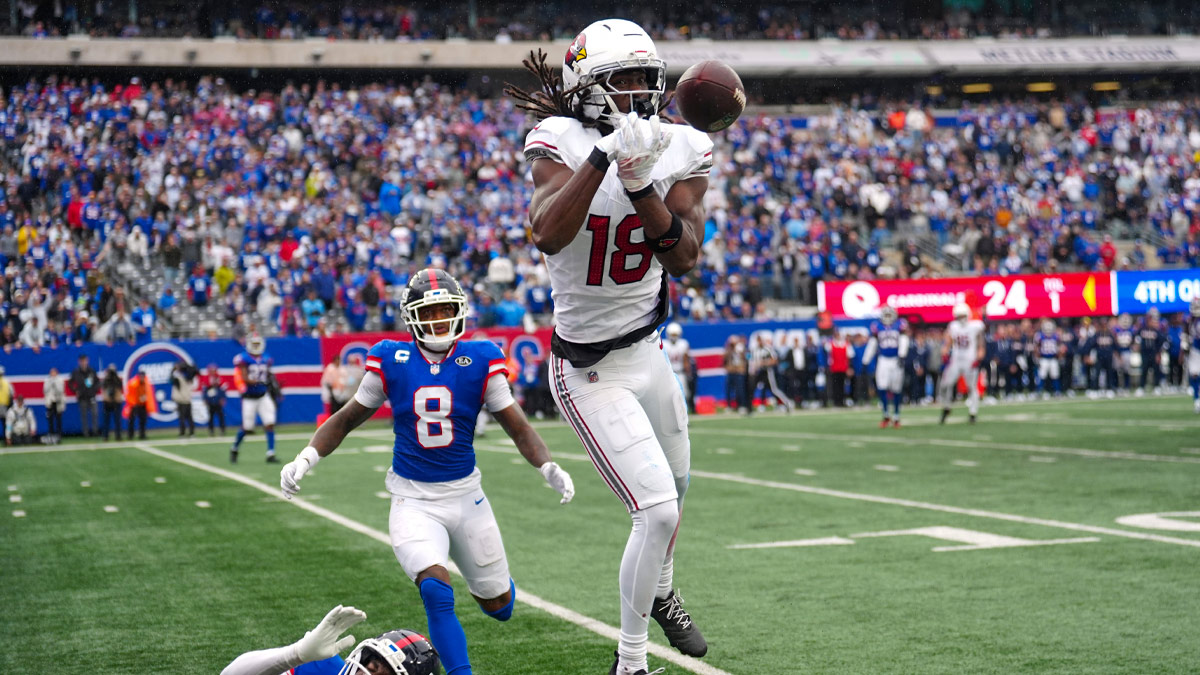
The Houston Texans finally found something to build on with their first victory of the season, defeating the Tennessee Titans 26-3 on Sunday, and following the game, head coach DeMeco Ryans announced that the organization had acquired Marvin Harrison Jr. from Arizona. This move reunites Harrison with former Ohio State quarterback C.J. Stroud, who expressed his excitement about the deal after the game, and this addition comes at a critical time for Houston as it seeks more consistency on offense.
With a 1-4 record, the Texans have little room for another prolonged slump, yet their season does not seem like one poised to give up on October and start thinking about the draft, as Stroud is playing well enough to support a turnaround and, when healthy, Nico Collins leads the receiving corps. The addition of Harrison provides the team with another legitimate downfield threat, which should complement Stroud's skills much better than the situation did during Harrison's increasingly awkward final games in Arizona.
The Texans will need to earn their way back into the AFC playoff race over the next three months, but the trade for Harrison gives them a more convincing path to achieve that goal.
Marvin Harrison Jr. gives C.J. Stroud another way to attack defenses
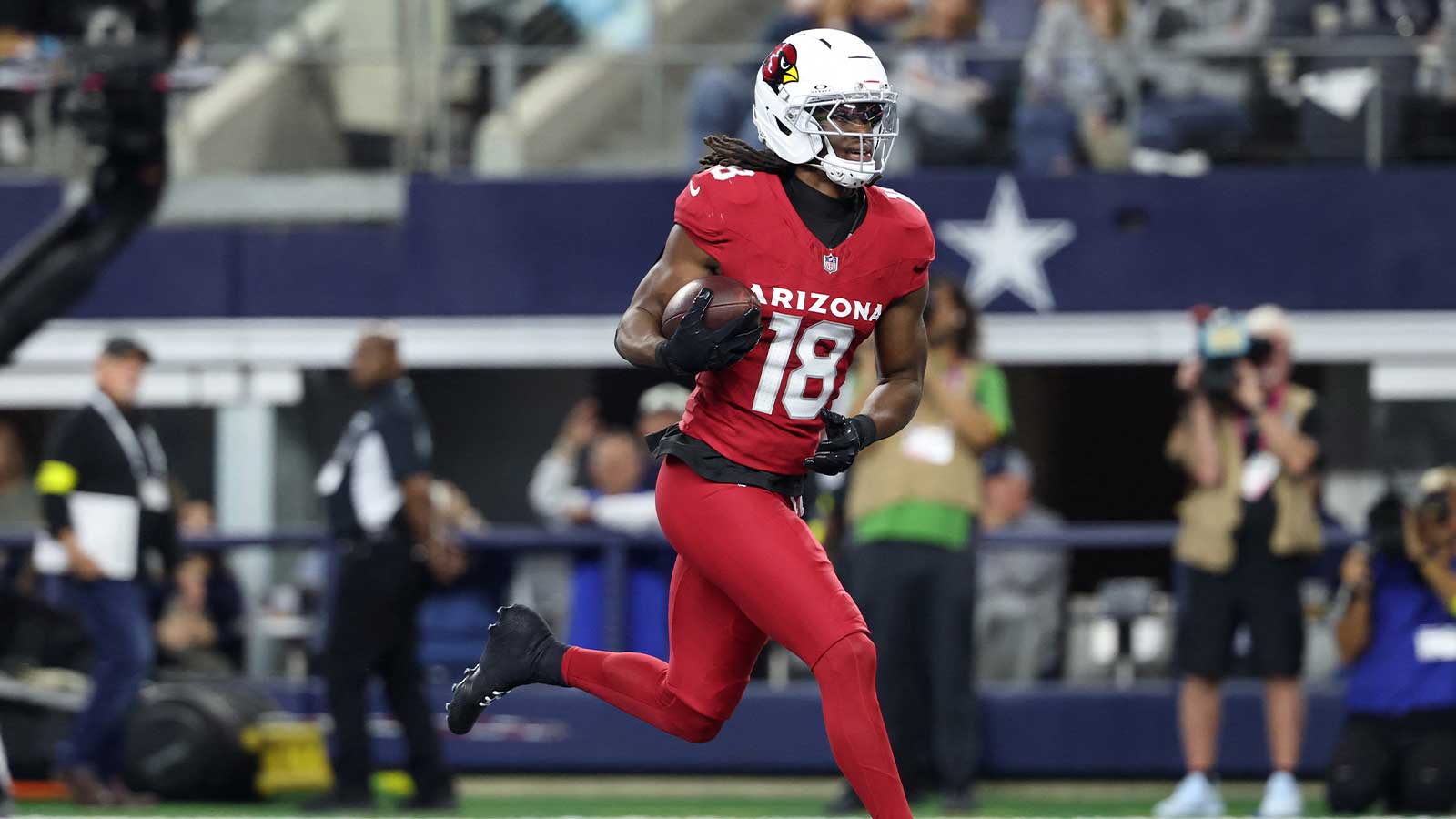
Houston's biggest reason for optimism starts with the quarterback, as Stroud's performance during the 0-4 start was considerably better than the record suggested and, on Sunday, he finally paired his steady play with a complete team victory. He completed 26 of 34 passes for 261 yards against Tennessee, threw a touchdown without any turnovers, and added another score on the ground, effectively spreading the football around rather than forcing targets as the Texans gradually took control of the game.
The addition of Harrison alters how the offense can distribute the ball once Houston settles into its new receiving rotation, with Collins capable of handling No. 1 responsibilities, particularly after returning from a hamstring injury that disrupted the first month of his season, while Harrison can line up alongside him as another large outside receiver, forcing defenses to account for the deeper portions of the field. This combination should create more favorable matchups for the rest of the offense, since opponents can no longer focus exclusively on Collins without risking leaving Harrison open elsewhere.
Harrison’s familiarity with Stroud is significant, especially since he arrives after an unusually quiet beginning to his third NFL season, having recorded only five receptions for 85 yards in four games before Arizona decided to trade him, while his production had already dropped from 885 receiving yards as a rookie to 608 in his second season, raising legitimate questions about why a player drafted fourth overall in 2024 had become a minor part of the Cardinals’ offense. Nonetheless, Houston is taking a chance with a quarterback who knows how to utilize Harrison effectively.
While their shared history at Ohio State does not guarantee an immediate NFL breakthrough, it reduces some of the uncertainty typically associated with adding a receiver mid-season, as Stroud already understands Harrison's timing, catch radius, and ability on vertical routes. During their college years, Harrison amassed over 2,600 receiving yards and 31 touchdowns, much of that success coming with Stroud passing him the football, and Houston can now start building around concepts that previously made this pairing hard to defend rather than spending weeks figuring out their individual preferences.
There will still be an adjustment period since NFL offenses require more than just familiarity between two players, especially when a receiver is adapting to new terminology and responsibilities in October, but the Texans do not need Harrison to command 12 targets per game immediately. Even six or seven meaningful opportunities could change how defenses approach Houston, particularly if his vertical presence keeps safeties from consistently focusing on Collins.
This could be especially valuable as the offense continues to seek more stability in its running game, because Stroud has already shown that he can move the ball effectively when Houston provides enough support in the passing game, while more spacing outside should also allow underneath targets to develop more naturally, enabling the Texans to sustain drives without every successful possession being reliant on difficult third-down conversions or exceptional plays from their quarterback.
Houston has time to turn one win into a real AFC playoff chase
The standings remain the uncomfortable part of the argument, because a record of 1-4 is still 1-4, and the Texans have already used most of the margin that typically allows a playoff team to survive injuries, an upset loss, or a bad game later in the season. With 12 games remaining, achieving a record of 9-8 would require an 8-4 finish, while reaching 10-7 would necessitate winning nine of those final 12 games, so Houston's turnaround needs to start immediately rather than gradually developing sometime in November.
Sunday provided a reasonable starting point because the Titans never gave the Texans a chance to complicate the game, and following their first victory, Houston took proactive steps to address an offensive weakness instead of treating a comfortable win as evidence that the roster was suddenly complete. The trade for Harrison sends a second-round and sixth-round selection to Arizona while bringing a seventh-round pick back to Houston, a high cost for a team already facing a losing record and a clear indication of the Texans' intentions: they still view this season as recoverable.
Article Continues BelowArizona reached a very different conclusion about Harrison after a strange few weeks surrounding his future, deciding that draft capital was more valuable than waiting for their former first-round pick to find his place in the offense again, while Houston can afford to see the situation differently because it has a quarterback who already has a relationship with the receiver and a roster built to compete now. This gives both sides reason to accept a deal that would have seemed unlikely when Harrison entered the league two years ago.
The risk for Houston is that one trade cannot solve all the problems that contributed to their four losses in September, and Harrison’s arrival will matter much less if protection issues, injuries, or defensive inconsistencies continue to leave Stroud in situations where he has to overcome large deficits. The Texans also cannot assume that Sunday’s performance against a winless Tennessee squad indicates that these concerns have disappeared, even after they convincingly controlled the game, which helped change the tone around their season.
This move provides Houston with another way to win difficult games, particularly when Collins faces heavy coverage or the rushing attack is ineffective, while Stroud now has two outside receivers who can win at different levels, making the offense harder to compress near the line of scrimmage once Harrison starts earning significant playing time.
That development gives the Texans a legitimate reason to believe that their first five games do not have to define the rest of the season, as an 8-4 finish from this point onward would require sustained improvement, while winning nine of the final 12 games would represent one of the strongest recoveries in the AFC. These goals become much more achievable when the quarterback plays efficiently, and the front office is proactive in adding a talented receiver like Harrison rather than merely waiting for injured players to return.
Houston has already made the opening month expensive, so the path back to January football will be narrow, but a 26-3 victory, followed immediately by the addition of one of Stroud's most gifted former teammates, gives the Texans a better foundation for that pursuit than their current record suggests.