
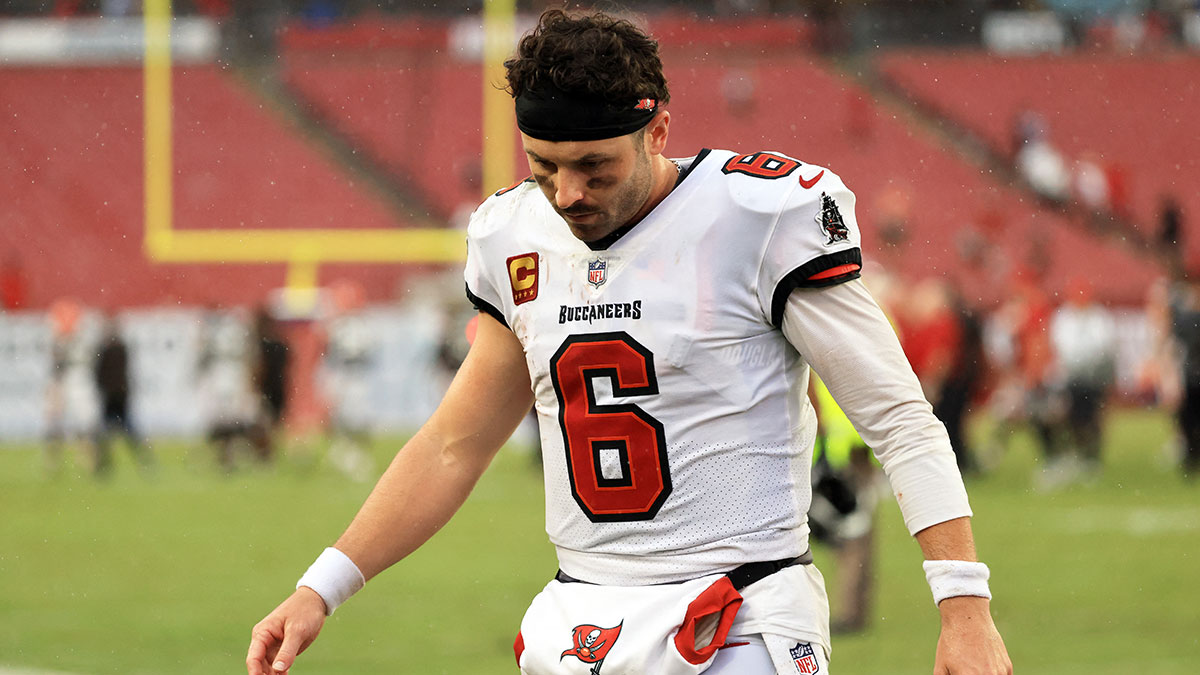
Baker Mayfield waited years for the security Tampa Bay finally gave him. He signed a three-year, $165 million extension that runs through 2029. It made him the highest-paid player in Buccaneers history. One week later, however, the shine is already beginning to fade. Tampa Bay is 0-2, and Mayfield has struggled to protect the football. Now, head coach Todd Bowles is once again facing uncomfortable questions about whether his team is actually moving forward.
Revenge turned setback
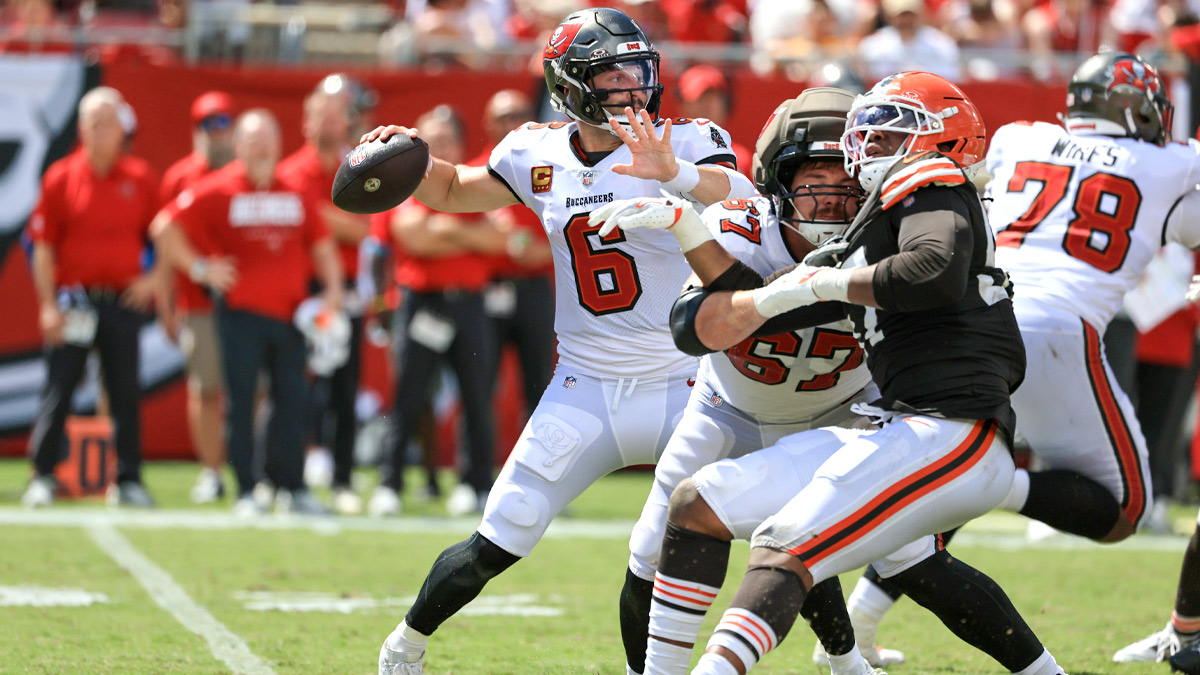
The Week 2 showdown against the Cleveland Browns was supposed to serve as Mayfield's personal playground. The newly minted $165 million man was supposed to stick it to his former employer and right the ship following an opening loss in Cincinnati. Instead, Raymond James Stadium witnessed a maddening 23-19 defeat. Mayfield completed 21 of 34 passes for 182 yards, one touchdown and one interception. He was sacked three times as Cleveland's defense repeatedly disrupted Tampa Bay's passing game. The Buccaneers moved the ball at times but could not consistently finish drives. They settled for four Chase McLaughlin field goals while Cleveland rallied from a 16-6 deficit.
The most painful sequence came late. Tampa Bay reached the Cleveland 28-yard line with a chance to take the lead. Suddenly, lightning suspended the game for more than two hours. After play resumed, the Buccaneers could not convert their remaining opportunities. Mayfield's final fourth-down pass fell incomplete in the end zone. It was not the performance of a quarterback who was supposed to make everyone around him better.
The $165 million pumpkin
Mayfield's first two weeks are concerning because the mistakes have become too costly to dismiss. Against Cincinnati, Tampa Bay committed four turnovers. Three consecutive first-half drives ended in fumbles and produced 21 Bengals points. Mayfield was responsible for two of those lost fumbles. His fourth-quarter sack-fumble also helped Cincinnati extend its advantage. The Bucs ultimately lost 33-27.
Against Cleveland, the turnover total improved. The offensive execution, though, remained uneven. Context matters, of course. Tampa Bay is operating a new offense under Zac Robinson. he is their fifth different offensive coordinator in five seasons. Robinson has installed more wide-zone concepts, pre-snap motion, play-action, and movement throws. Those are designed to maximize Mayfield's mobility and throwing ability outside the pocket. That transition deserves patience. That said, Mayfield also has to execute it.
Mayfield's struggles and Bowles' fate
The uncomfortable reality for Bowles is that he is responsible for the entire operation. That's even when the biggest mistakes come from a quarterback whose contract he did not negotiate. Tampa Bay's 0-2 start is its first since 2014. In fact, the franchise is now 2-9 over its last 11 games dating back to last season's second-half collapse. The Buccaneers have also lost their first two games by a combined 13 points. That means this has not been an absolute talent disaster so much as a team repeatedly failing to make the decisive plays.
The Buccaneers have been beaten by mistakes. That is simultaneously encouraging and terrifying for the head coach. Bowles can point to correctable issues. Eventually, though, âÂÂcorrectableâ stops being a defense if the same mistakes keep appearing. His teams have historically relied on defensive toughness and situational discipline. Yet Tampa Bay's opening two games have featured missed opportunities against Cleveland and too many stretches in which the offense failed to capitalize on good field position.
Meanwhile, Mayfield's new contract means the organization is highly unlikely to make the quarterback the immediate scapegoat. That puts more pressure on Bowles.
Minnesota hot seat
The timing could not be more uncomfortable for Week 3. Minnesota arrives in Tampa Bay for Week 3 at 2-0. They have beaten Green Bay and Chicago. Even more significantly, quarterback Kyler Murray has cleared concussion protocol. He is expected to return against the Buccaneers. Tampa Bay, therefore, faces a team that has already demonstrated an ability to win close games while the Buccaneers are still searching for their first victory.
Bowles has pushed back against the idea that an 0-2 record should define the season, noting that Tampa Bay still has 15 games remaining. History also offers some perspective: the Buccaneers' own official review noted that only 12% of teams since 2002 that started 0-2 ultimately made the playoffs.
That makes Week 3 important. If Mayfield protects the football, Robinson's offense finds its rhythm, and Tampa Bay finally closes a game, the narrative can change quickly. If the same mistakes continue, the pressure will become much harder to contain.
Accountability
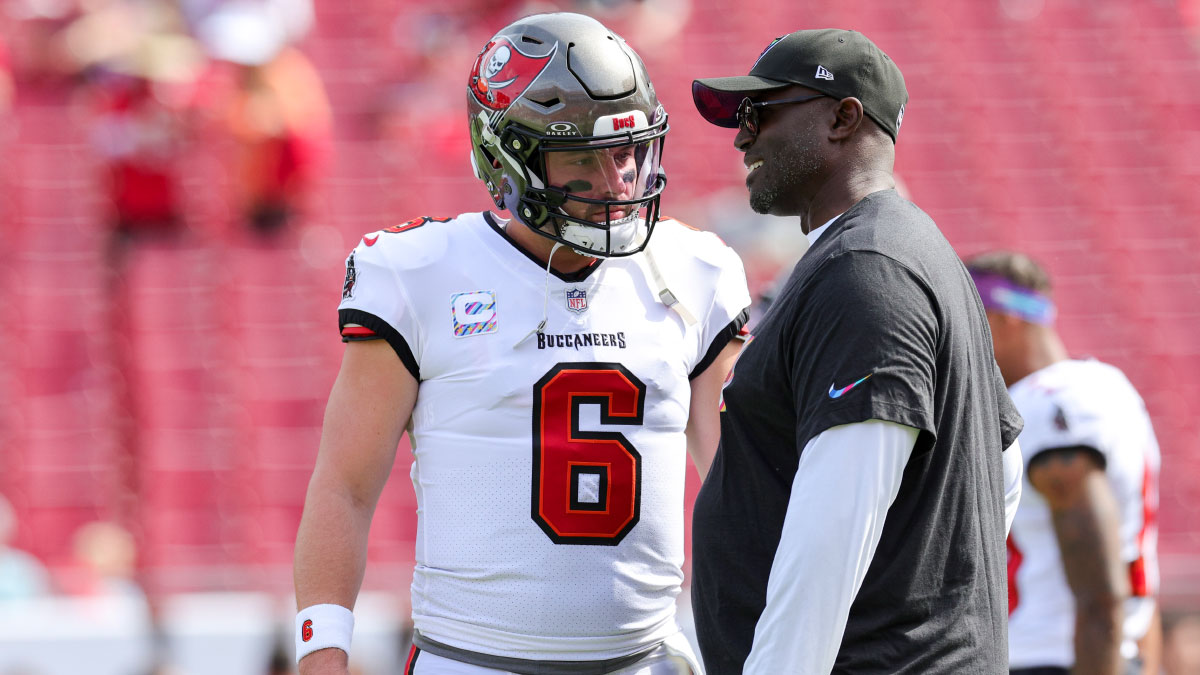
Mayfield is not suddenly a pumpkin because he signed for $165 million. The contract simply removes the illusion that Tampa Bay is still searching for its quarterback. Now the Buccaneers need Mayfield to play like that deal was justified. And if he cannot, Bowles may ultimately pay the price because the organization will need someone to answer for what happens after making it.
For now, Tampa Bay still has time. But after an 0-2 start, time is becoming their most expensive commodity.