




Why Spurs must trade De’Aaron Fox after NBA Finals debacle
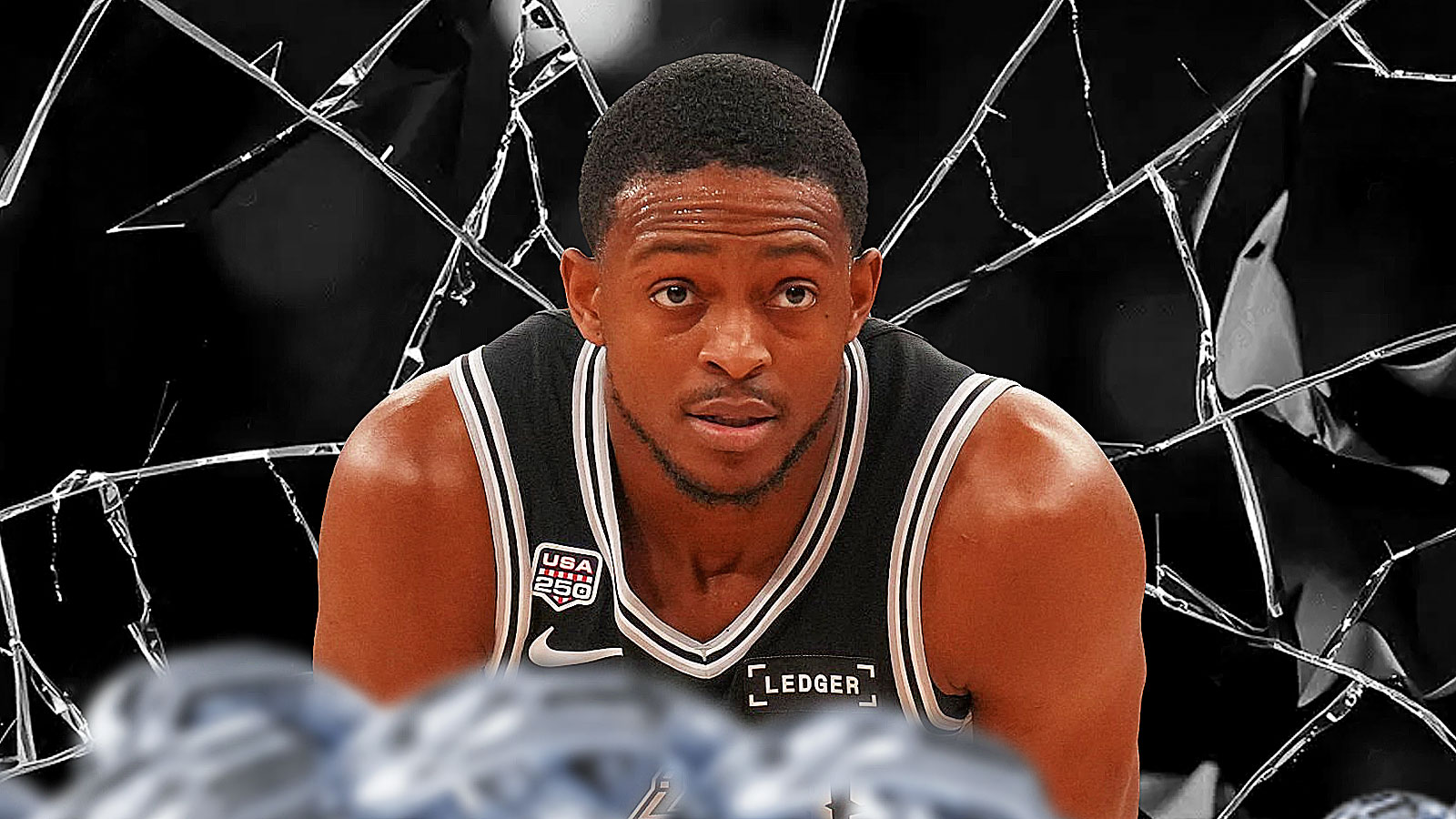
The San Antonio Spurs exceeded every reasonable expectation during the 2025-26 season. They won 62 games, stormed through the Western Conference playoffs, and dethroned the defending champion Oklahoma City Thunder. They also reached the NBA Finals for the first time since 2014. On the surface, a young team led by Victor Wembanyama, Dylan Harper, Stephon Castle, and De’Aaron Fox appears positioned to contend for years. Yet championship losses often reveal uncomfortable truths that regular-season success conceals. The Spurs lost to the New York Knicks because their roster had several fundamental weaknesses when the game slowed down. As painful as it may sound, the biggest lesson from the Finals may be that Fox is not the ideal long-term backcourt partner for Wembanyama.
Game 5 reality
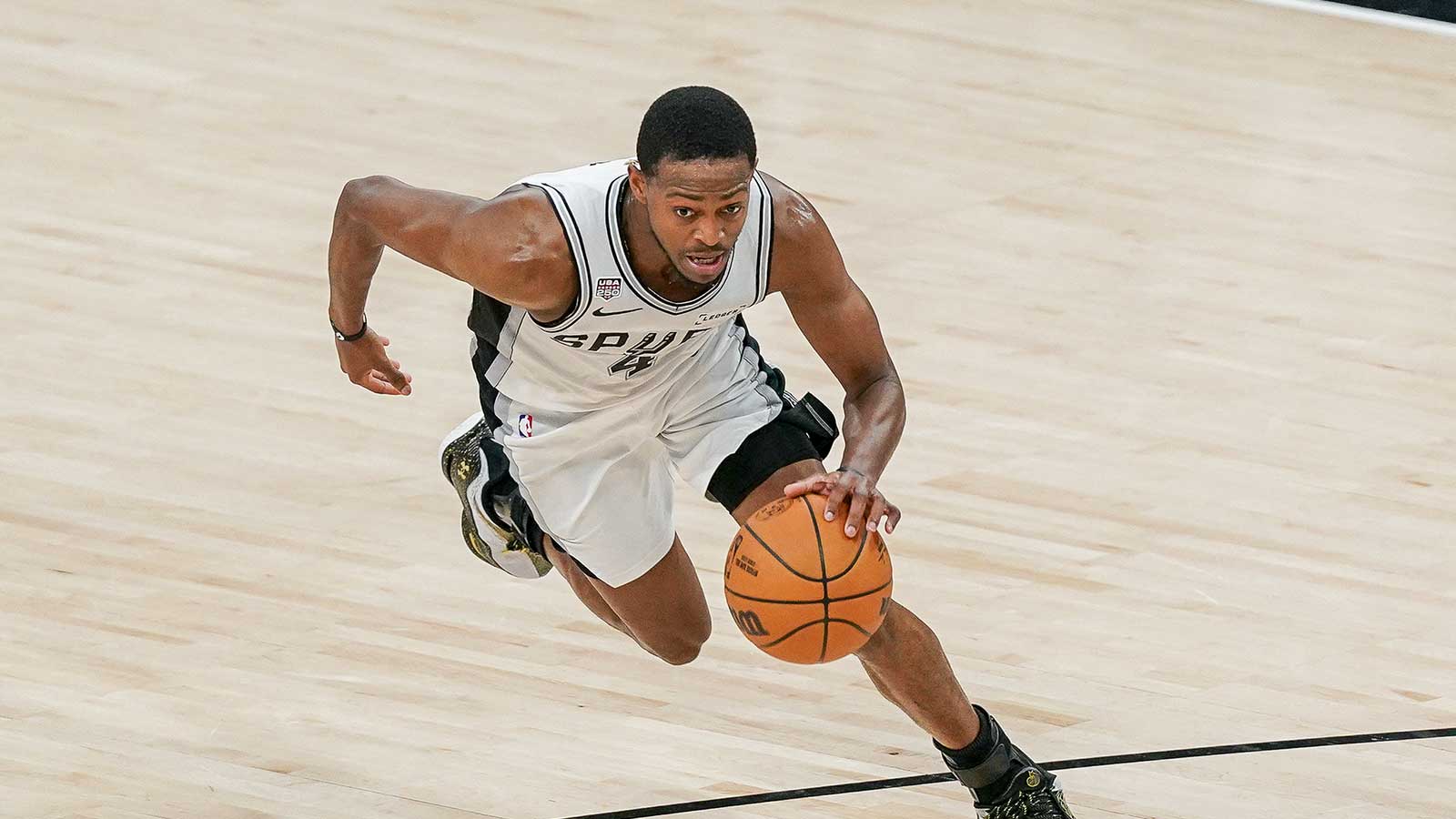
Game 5 will forever live in Alamo City lore as a very painful lesson. The Spurs played with tremendous urgency and built a 16-point first-half lead after Karl-Anthony Towns battled foul trouble. They still held a 15-point cushion deep into the third quarter and appeared poised to extend the series.
Then everything unraveled. Jalen Brunson authored one of the greatest performances in Knicks history. He poured in a franchise-record 45 points while systematically dissecting San Antonio’s defense. The Spurs’ offense, meanwhile, stalled at the worst possible moment. Dylan Harper delivered 25 points, while Wembanyama contributed 19 points, 14 rebounds, and five blocks. However, San Antonio struggled to generate quality late-game offense. The result was a crushing 94-90 defeat that handed New York its first championship since 1973.
More importantly, it highlighted a roster issue the Spurs can no longer ignore.
Stagnation exposes crisis
The modern NBA revolves around spacing. When playoff defenses become increasingly sophisticated, every offensive weakness gets magnified. Throughout the Finals, Mike Brown’s defense consistently dared Fox to beat them as a perimeter shooter. Too often, Fox could not make them pay.
The problem here is really more of fit. Wembanyama is rapidly becoming the centerpiece of everything San Antonio does offensively. He demands constant defensive attention and thrives when surrounded by shooting and quick decision-makers. Fox requires many of the same driving lanes that Wembanyama needs to operate effectively.
As New York repeatedly collapsed into the paint, defenders comfortably went under screens and packed the lane. The result was predictable: Wembanyama faced extra bodies before receiving the ball. San Antonio’s offense frequently bogged down in the fourth quarter.
Championship offenses built around generational big men typically feature elite perimeter gravity. Think Nikola Jokic with shooters spread around him. Think Dirk Nowitzki surrounded by floor spacers. Think even the spacing ecosystems that helped Giannis Antetokounmpo win a championship. Sadly, Fox’s strengths simply do not maximize Wembanyama’s greatest gifts.
Divergent timelines
The Spurs also need to think long term. Fox is firmly in his prime and commands a massive salary commitment. There is nothing wrong with paying star players. The challenge is determining whether that star is the ideal piece to build around.
Wembanyama is only beginning what could become a decade-long reign among the NBA’s elite. Harper and Castle are still developing into foundational contributors. San Antonio has time on its side. Fox does not necessarily align with that timeline.
Keeping him means dedicating significant cap resources to a player who may ultimately function as a secondary or tertiary option on a championship roster. Meanwhile, Harper’s emergence suggests the Spurs already possess another dynamic creator. Every possession given to Fox is a possession not being used to accelerate the development of the franchise’s younger core.
The Spurs must ask themselves a difficult question: Are they building for the next two years, or the next 10?
Hot market
If San Antonio decides to move Fox, the timing could not be better. Despite the disappointing Finals ending, Fox remains one of the league’s most respected guards. He is an All-Star-caliber talent and an elite transition weapon. Multiple playoff teams would undoubtedly express interest.
That demand creates opportunity. Rather than viewing a Fox trade as a step backward, the Spurs should view it as a chance to rebalance the roster. A well-constructed deal could bring back premium draft capital, versatile two-way wings, or additional shooting.
Imagine a roster built around Wembanyama, Harper, Castle, elite perimeter defenders, and multiple high-level shooters. The offensive spacing would improve dramatically while preserving the defensive versatility that already makes the Spurs dangerous.
Hard decisions
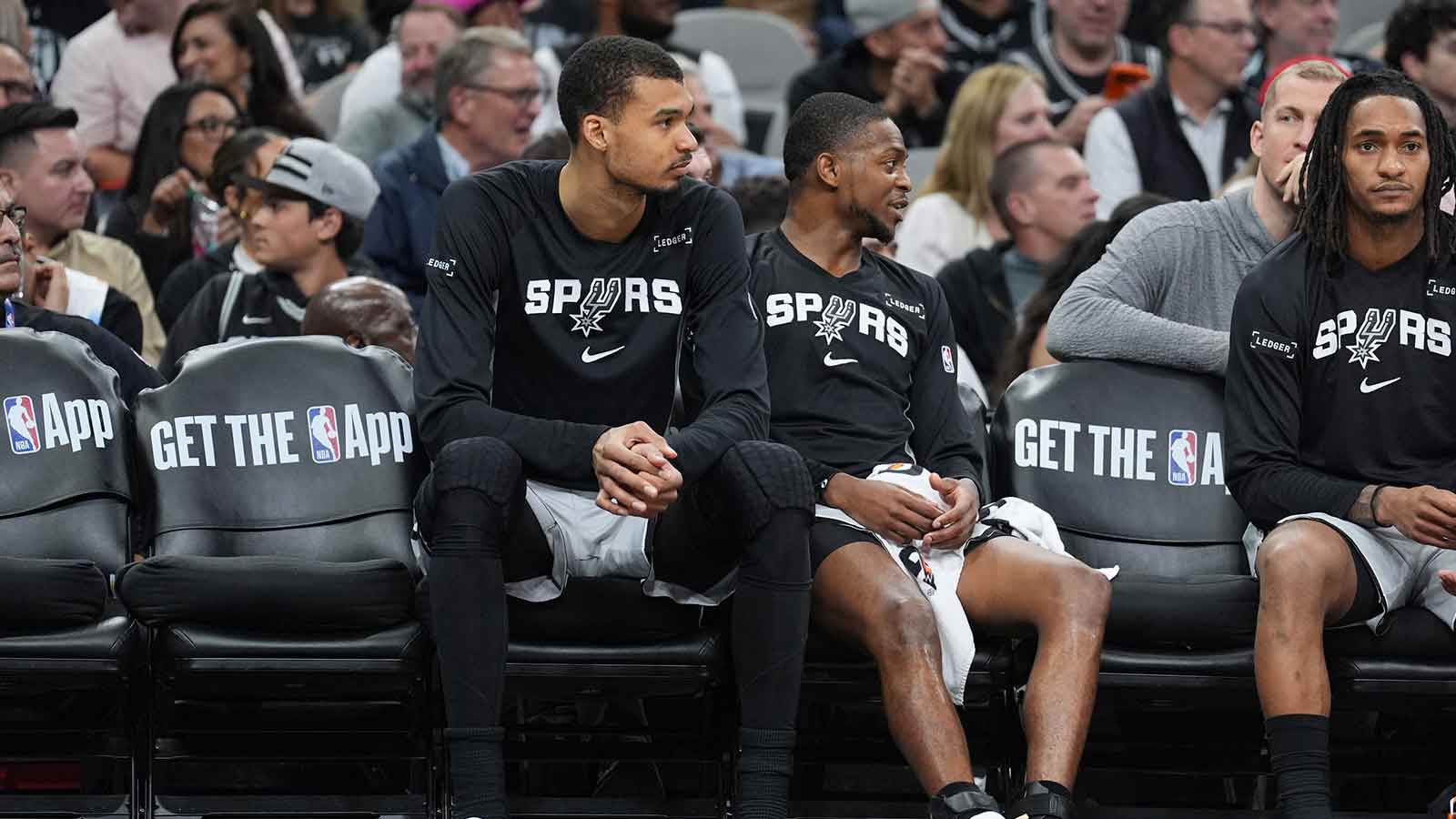
The NBA’s most successful organizations understand that sentimentality often stands in the way of championships. Trading Fox would certainly be risky. That said, the objective here is to maximize Wembanyama’s championship window.
The Spurs have already proven they can reach the Finals with their current formula. What they discovered against the Knicks is that reaching the Finals and winning the Finals are two entirely different challenges.
If San Antonio believes a better-fitting roster exists around Wembanyama, then it has a responsibility to pursue it. That may ultimately mean moving one of the league’s most talented guards while his value remains at its peak.
The post Why Spurs must trade De’Aaron Fox after NBA Finals debacle appeared first on ClutchPoints.
What's Your Reaction?
 Like
0
Like
0
 Dislike
0
Dislike
0
 Love
0
Love
0
 Funny
0
Funny
0
 Angry
0
Angry
0
 Sad
0
Sad
0
 Wow
0
Wow
0