






Interview: ‘Coming through La Masia, you already have that ‘don’t touch my club’ – Guillermo Amor
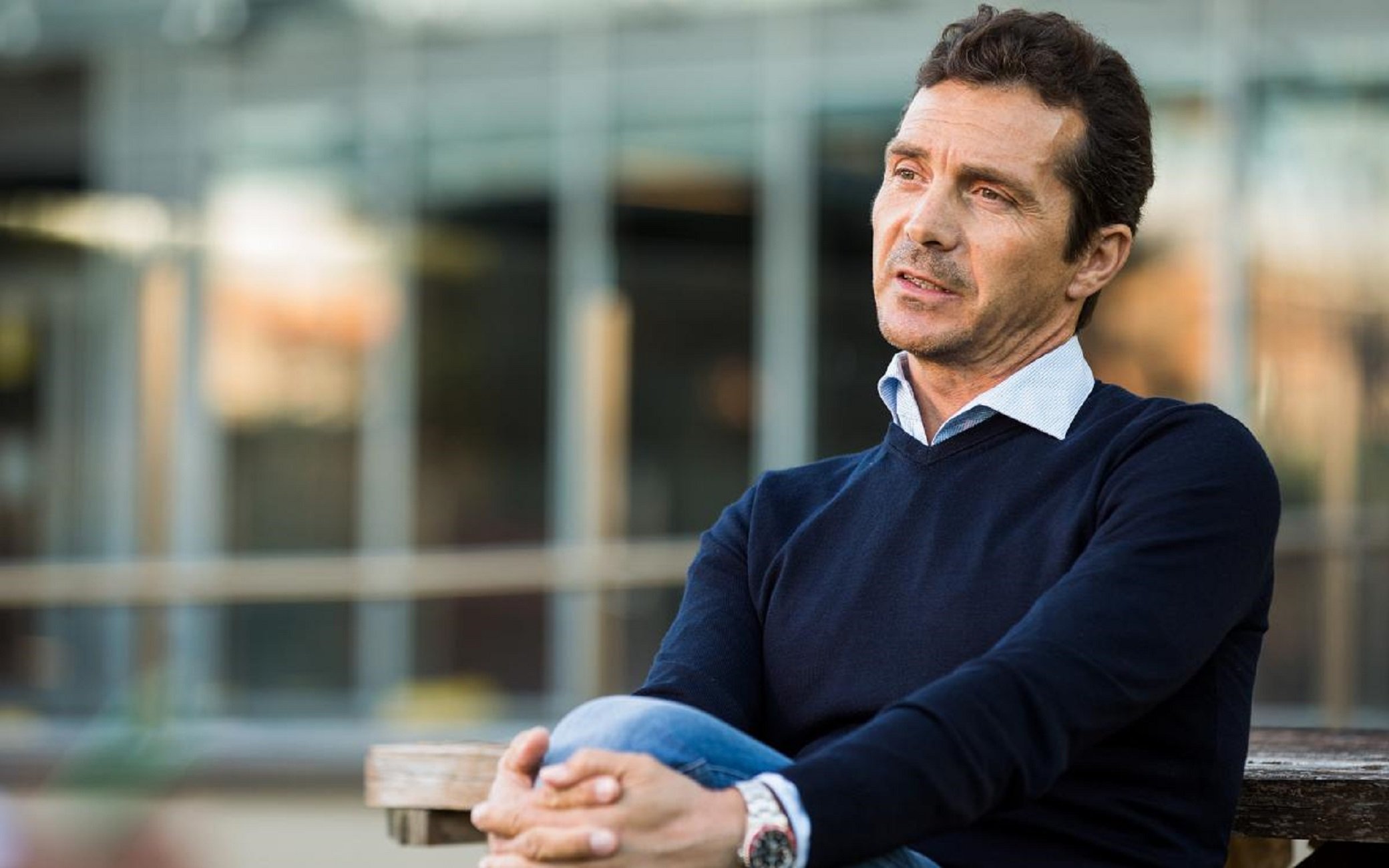
Before Lionel Messi, Xavi Hernandez, Sergio Busquets, Andres Iniesta, and Lamine Yamal, the very first La Masia graduate to become a Barcelona icon was Guillermo Amor. Born in Benidorm, Amor earned an invitation to Barcelona’s brand-new academy in January 1980 after impressing in a youth tournament against the Blaugrana. Amor ascended the ranks and eventually made his professional debut under new manager Johan Cruyff in 1988/89, scoring 13 goals in 36 appearances and helping the Blaugranas win the UEFA Cup Winners’ Cup. The following season, meanwhile, would see Amor break the deadlock in Barcelona’s 2-0 win against Real Madrid in the Copa del Rey Final. This would prove a turning point as Barcelona ended Real Madrid’s domestic dynasty and won four straight league titles, as well as a maiden European Cup (now Champions League).
Amor didn’t just make his mark at the club level, scoring the winning goal vs. Romania to lead Spain to the quarterfinals in the 1996 Euros, before playing in all three of their matches at the 1998 FIFA World Cup. Scoring four goals in 37 Spain caps between 1990 and 1998, after returning from France, Amor was frozen out of the first team under Louis van Gaal, prompting him to depart Barcelona as the club’s most decorated player and spend the next two seasons at Fiorentina.
He then returned to LaLiga with newly promoted Villarreal, helping the newly promoted side solidify their status in the top-flight, before enjoying a swan song with Scottish outfit Livingston. Since retiring in 2003, he’s enjoyed four different backroom spells with Barcelona in addition to a spell as Adelaide United’s Technical Director and Head Coach. Now 58, Amor spends his time in Barcelona, working with his oldest son (a licensed FIFA agent) in his consulting and player representation business. Football España sat down to pick Amor’s wealth of brains on football.
What does a typical 9-to-5 look like in the life of Guillermo Amor?
Well, the truth is that it’s been a few years ago since I left Barcelona, but it’s been good to dedicate myself a little to what I’ve always done – things related to football. After leaving Barcelona in 2021, I started with my consulting business and player representation. I started with a group of people, but due to circumstances, we ended up having to go a little bit on our own journey. My oldest son, who is 30 years old, got his FIFA agent license, and from that point onwards, we’re both working hand in hand. We do the day-to-day stuff during the week, Monday to Friday, going over what we have going on and the guys that we’re managing, and planning the weekend, which is a non-stop series of matches on Saturdays and Sundays where we go from pitch to pitch, following our players a bit and discovering other talents.

Back when you were growing up, Barcelona had never won a European Cup… Since your debut, they’ve won five. How proud are you to have played a significant role in their evolution into one of the world’s biggest clubs?
Very proud… you can’t believe how proud I am. It’s the maximum that a professional footballer aspires to: first, to reach a certain level, whether that’s the Segunda or La Liga. But being able to reach the Barcelona first team, as one of the many homegrown players who had been with Barcelona since 11/12 years of age, who had been constantly fighting and struggling and striving to reach the first team, well, when it happens, I think it’s very beautiful. I think it’s the greatest thing that can happen to a footballer… after a trajectory of years and effort, to finally reach the first team, and especially your team.
Reaching a high level is one thing, but it’s another thing entirely to end up with the team you feel you belong with and that you want to play for. That’s why I believe that Barcelona has a unique and special strength, because it relies heavily on homegrown talent and works heavily on grassroots youth football development. It focuses on young players from the academy and gambles on them, as we’re seeing from the various talented first-team players today, and so for us, we already know what it’s like to play for your club, the one you love, the one you care about and defend to the death – this idea of saying, “Don’t touch my club.” Here, you have to die for the club, and that gives you strength, apart from talent and other things: loving your club and playing for your team is the best thing.”
You were able to make your mark for not just one, but two Spanish clubs – why did you decide to leave Fiorentina and make the move to Villarreal?
There was a player who I played with in Barcelona, and who I later faced against Sampdoria in the 1992 European Cup Final, Victor Munoz, who ended up becoming Villarreal manager, and asked me, “Hey, do you fancy coming over here? We’re going to work well together.’ In the end, when a coach calls you and shows interest, I think that’s the best thing. People might want to sign you, but when a coach trusts you and says, “Hey, come on, we’re going to work well together,” that’s what encouraged me to return to Spain and be closer to my family and my home.
Pablo Gavi progressing with his recovery. [@FCBarcelona] pic.twitter.com/zFRlioAqyz
— barcacentre (@barcacentre) February 18, 2026
Villarreal were in a very good league and a very good project, and I think we did very well in our first season, although the second season was a little more difficult. But I also value it very highly, I’m happy with it, and I don’t regret anything at all, quite the opposite. I participated in quite a few games and felt good, because when you’re older and you see that you still feel good and you can play, it makes you happy. It’s not the same as when you’re 23 and you’re like a rocket compared to 33. When you’re 33 years old and still going, you think, “Wow, I’m still here, I’m still going to train,” and I appreciated as a professional.
Lastly, when it’s all said and done, what do you think your legacy will be both on and off the pitch? What do you want people to remember you for?
I don’t know. I imagine that each person will have different memories, but if they remember something, that’s already positive. I don’t know if it’s good or bad, but that they remember you, even in one way or another, that means that they were moved by something, even if they got caught up in the moment. As someone who has always tried to do their best, and who may have made some mistakes along the way, when someone remembers that you were able to lend them a hand at some point, that’s also nice. That’s the most important thing: that the people that you’ve had around you, they have had a good time with you at some point, in one way or another.”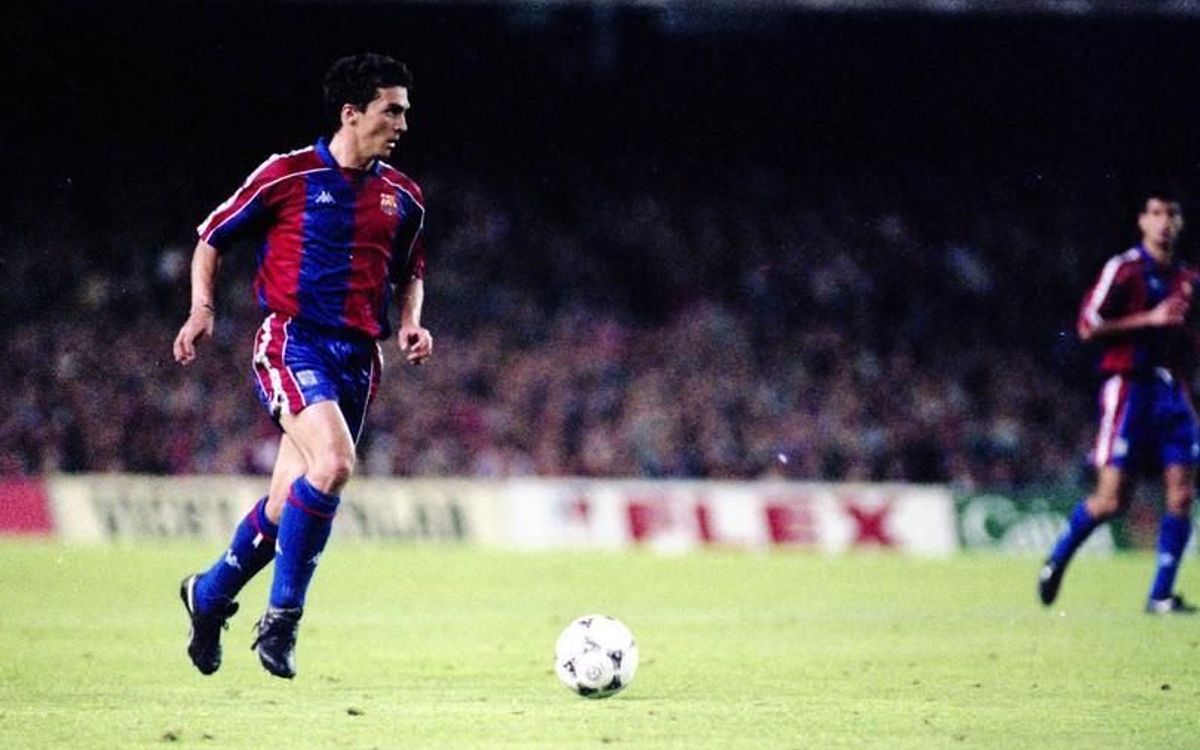
“I’m not even saying they’ve learned something, because I don’t like the idea of teaching: it’s not about going around teaching people, but those moments you spend with so many people at clubs, whether you’re younger or a veteran, the memory of them saying: “Hey, we had such a great time! What a great teammate! How well we worked together! How well we held our own!” That kind of thing is always very, very nice. On a personal level, it’s always about that, above all, seeing that your family and your children are doing well, and that your children, thank God, are also pursuing careers, that they are becoming more independent, that they are happy on their own, and that they are good people…I think that’s beautiful.”
The post Interview: ‘Coming through La Masia, you already have that ‘don’t touch my club’ – Guillermo Amor appeared first on Football España.
What's Your Reaction?
 Like
0
Like
0
 Dislike
0
Dislike
0
 Love
0
Love
0
 Funny
0
Funny
0
 Angry
0
Angry
0
 Sad
0
Sad
0
 Wow
0
Wow
0