



.jpeg)



FIFA World Cup’s top 5 most under-pressure managers, ranked
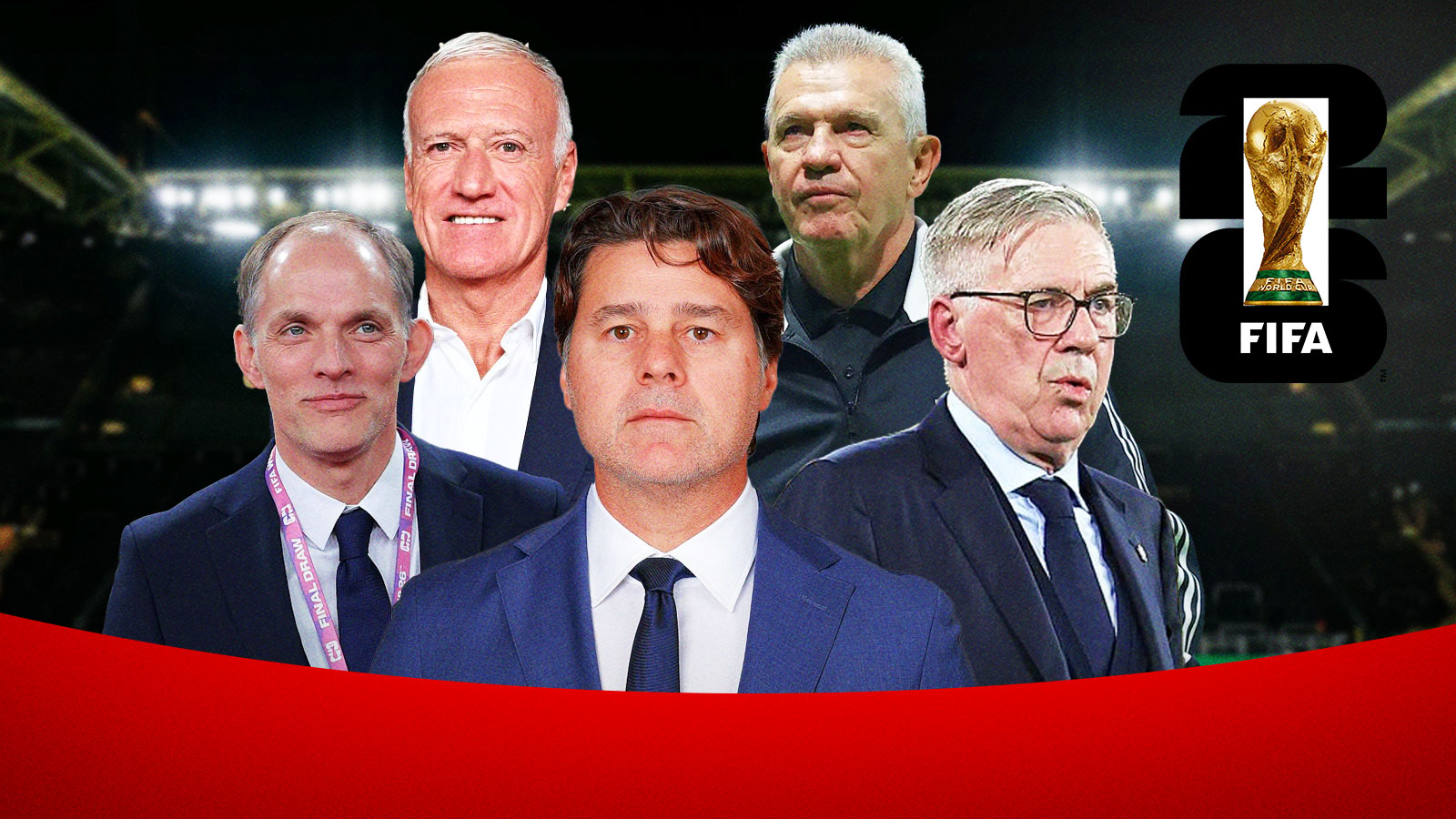
A surreal 2026 FIFA World Cup will feature some of the most decorated coaches the sport has ever assembled. From Carlo Ancelotti and Thomas Tuchel to Didier Deschamps and Lionel Scaloni, the touchlines will look like a Hall of Fame reunion. However, reputation only buys so much patience as Mauricio Pochettino’s USMNT very well knows. Though there are 48 very unique teams vying for the title, the five tiers of contenders remain clear.
A record number of managers will walk into the tournament carrying wildly different burdens. Each arrives with their own targets, pressures, and expectations. Host nations bring massive home expectations, while traditional powers demand silverware after long droughts. For a handful of visitors, anything short of a deep run will be treated as a national failure.
1. Mexico’s Curse
Javier Aguirre is one of Mexico’s most experienced and respected managers, but experience does not reduce expectation. It magnifies it. For some coaches, this World Cup is about chasing immortality. For Aguirre, it is about avoiding infamy in his third stint as manager. The 67-year-old led Mexico at the 2002 and 2010 World Cups, reaching the second round both times.
Mexico is desperate to break the “quinto partido” (fifth game) curse and reach the quarterfinals. If Aguirre fails to stabilize a shaky defense and El Tri exits early on home soil, the fallout from fans and the domestic media will be fierce. Rafael Márquez is serving as Aguirre’s chief assistant and is confirmed as the manager in waiting. Those plans are subject to change. Matching those quarterfinal runs as host in 1970 and 1986 would bring a world of relief, though, well, until the next El Tri opponent was known.
Worry about the ramp-up for a quarterfinal later. Unlike Brazil or England, where expectations revolve around winning the tournament, Mexico carries the emotional weight of decades of frustration. A home World Cup offers a once-in-a-generation opportunity to redefine the country’s soccer identity. A disappointing group-stage exit would be remembered as one of the darkest chapters in Mexican football history, especially in an expanded 48-team FIFA World Cup.
2. Bust for Brazil
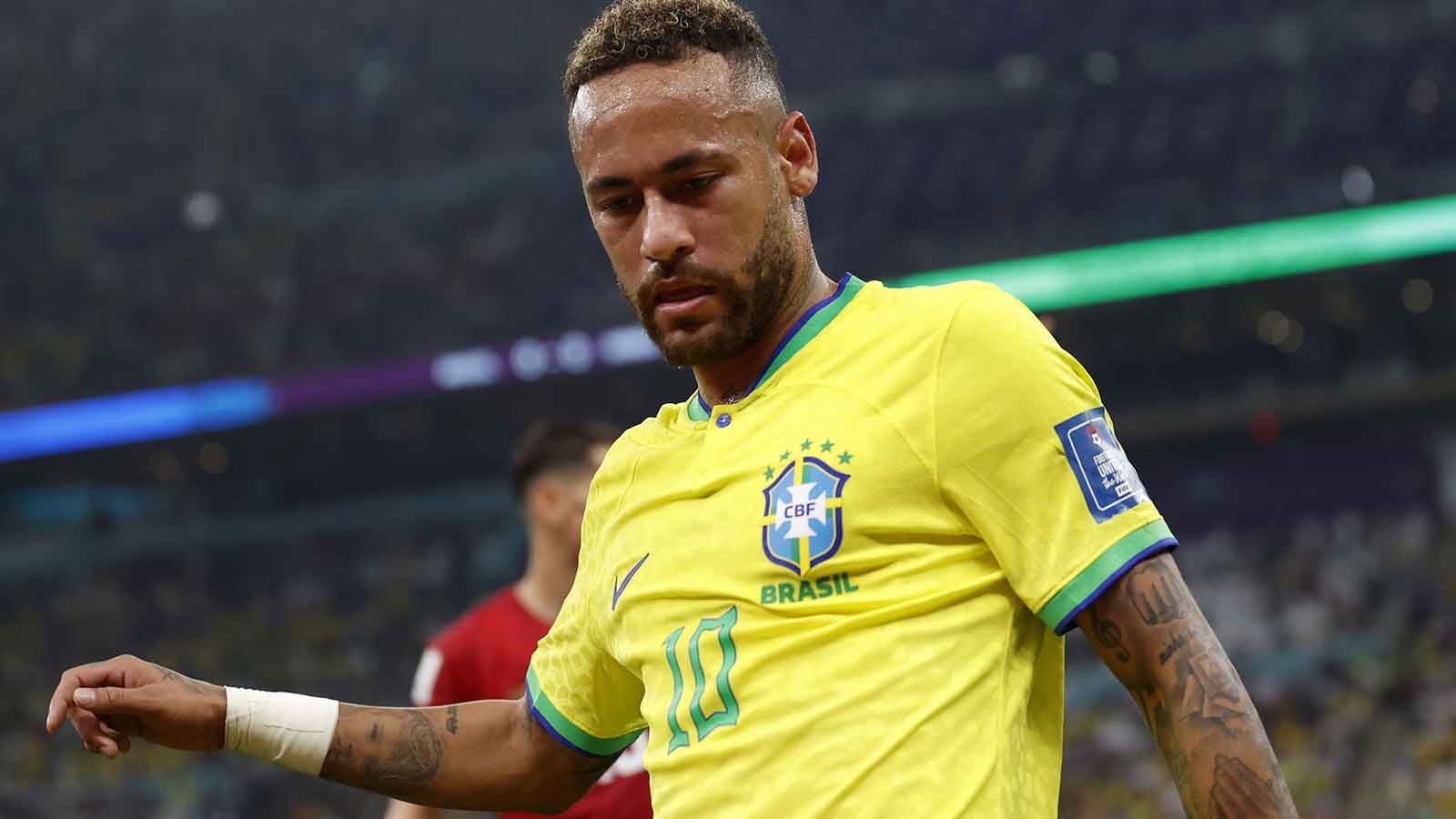
Carlos Ancelotti, Brazil’s first foreign head coach, must prove his Euro-centric system can deliver under the weight of historic expectations. The South American giants take great pride in how they win just as much as how much they win, which is not that often lately. The qualifying campaign offered little comfort as Brazil finished fifth in CONMEBOL qualifying, 10 points behind leaders and reigning champions Argentina, with Ancelotti winning only four of his first eight matches.
Brazil’s fiercest rivals, Argentina, are the reigning world champions. Forget that fresh ink on Ancelotti’s contract. The pressure to succeed in 2026 is higher than ever. A 24-year drought from even the semifinals, a skeptical fan base questioning whether Ancelotti’s side still plays like Brazil, and a homeland eager for a sixth star all add up to a hot seat.
3. England inches closer
England’s managerial seat remains a permanent pressure cooker regardless of the specific tactical architect in the dugout. The Three Lions consistently carry the weight of a hyper-critical British press and a fan base convinced that football is finally “coming home.” So what did Thomas Tuchel do?
Well, the German manager turned the pre-tournament window into a firestorm with one of the most debated squad selections in recent memory. Critics questioned the omissions of Trent Alexander-Arnold, Cole Palmer, and Phil Foden, with former striker Troy Deeney arguing that England were sending a “B-team” to the World Cup and even warning that failing to win should result in Tuchel’s immediate dismissal.
Tuchel met the criticism directly, insisting “teams win championships,” not the most talented collection of names. Croatia and Ghana will be great opening tests to that theory, as the former EPL boss applies it.
4. USMNT cannot fall flat
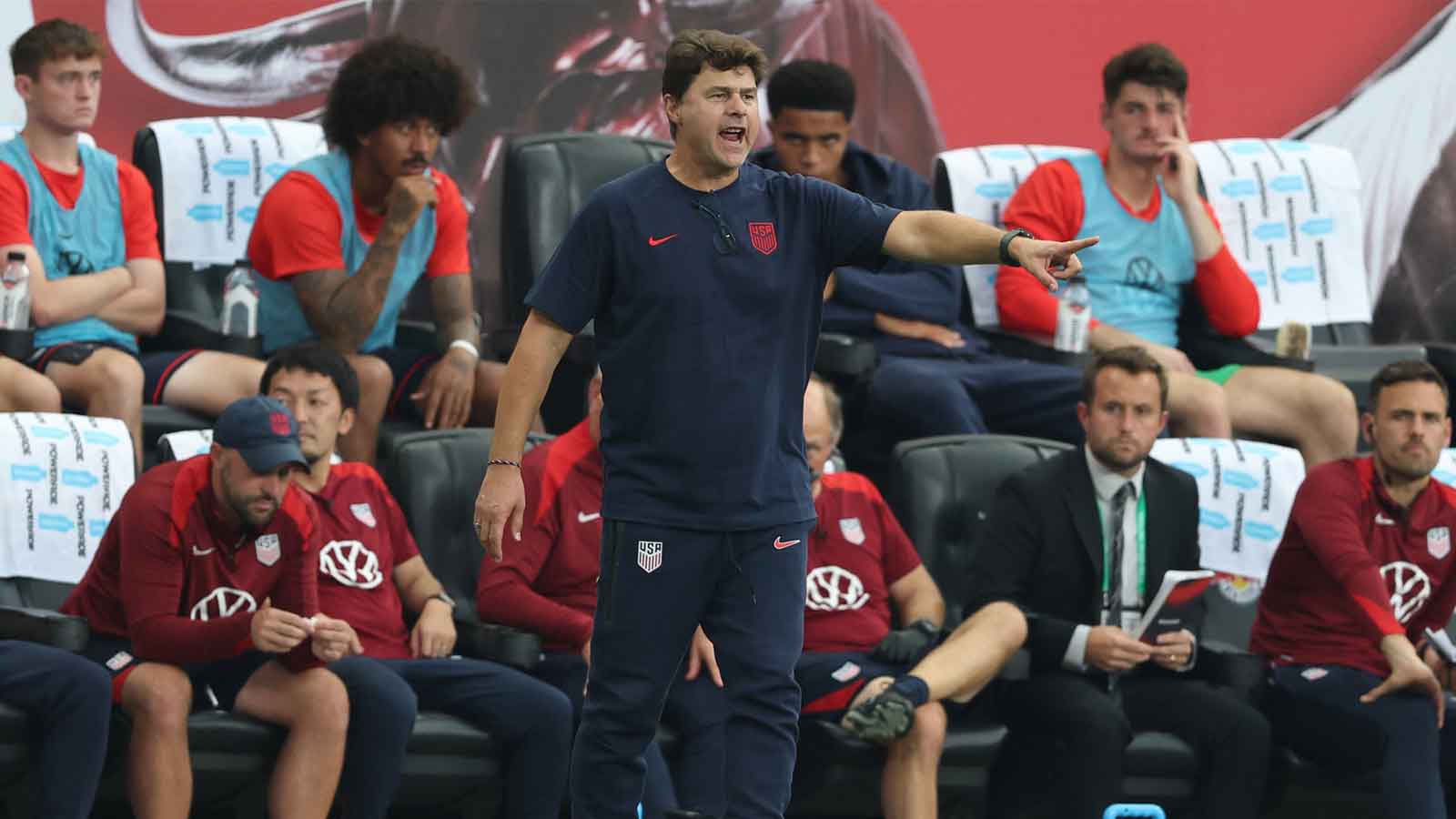
No manager faces a more complex cocktail of factors than the USMNT boss. Tasked with leading a host nation during a historic home tournament, Pochettino is dealing with the highest expectations ever placed on American soccer. The team’s historic struggles against elite European and South American competition cannot be ignored, especially after falling to Germany in the final tune-up match.
The former Tottenham, Paris Saint-Germain, and Chelsea coach took over the U.S. men’s national team in September 2024 with a clear mandate. The pressure has been building since a fourth‑place finish at the Nations League Finals and a runner-up showing at the 2025 Gold Cup. Tim Howard and Landon Donovan already have questions. If Pochettino cannot guide the USMNT to the quarterfinals or beyond, the tournament will be widely labeled a failure for all involved.
5. Germany fighting gremlins
At 38, Julian Nagelsmann is the youngest manager in the tournament, but youth buys him no patience. Germany is not just trying to win a World Cup, but to prove it is still Germany after the humiliation of crashing out in the group stage in 2018 and 2022. He inherited a side stripped of its 2014 spine, with Toni Kroos, Manuel Neuer, and Thomas Müller all retired from international football.
Nagelsmann has not hidden the weight, saying he feels “pressure” and “responsibility” for German soccer as a whole. His teams have been less than convincing as well. The tactical promise is evident, but there is still something lacking. It’s left a hole that hasn’t yet erased the memory of those disasters. Another group-stage embarrassment in front of a massive North American audience is the outcome no manager could survive.
France, Argentina fall off
Few coaches have earned as much goodwill as Didier Deschamps. The Juventus legend guided France to the 2018 World Cup title and another final appearance in 2022, making him one of the most successful international managers of the modern era.
Kylian Mbappé remains one of the game’s global superstars, while the supporting cast is loaded with Champions League-caliber players at every position. Anything short of another deep run will inevitably spark questions about whether the cycle has reached its natural conclusion. However, it was not enough to make the top five. Deschamps, managing his final tournament under the shadow of an expected Zinedine Zidane succession, has survived worse criticism.
The same goes for the Lionel Messi retirement tour. Defending champions rarely face easy expectations, and Lionel Scaloni’s job is uniquely complicated. Leading Argentina to the 2022 World Cup trophy has only raised the bar. Now he must navigate a squad that includes a 38-year-old Messi making one last run on tired MLS-beaten legs.
Managing the final chapter of an era while chasing an historic achievement is enough pressure. The rest has been tuned out by Scaloni’s La Albiceleste.
The post FIFA World Cup’s top 5 most under-pressure managers, ranked appeared first on ClutchPoints.
What's Your Reaction?
 Like
0
Like
0
 Dislike
0
Dislike
0
 Love
0
Love
0
 Funny
0
Funny
0
 Angry
0
Angry
0
 Sad
0
Sad
0
 Wow
0
Wow
0