

-(1).jpeg)

Dolphins’ 2026 NFL Mock Draft roundup with pre-draft cycle ending

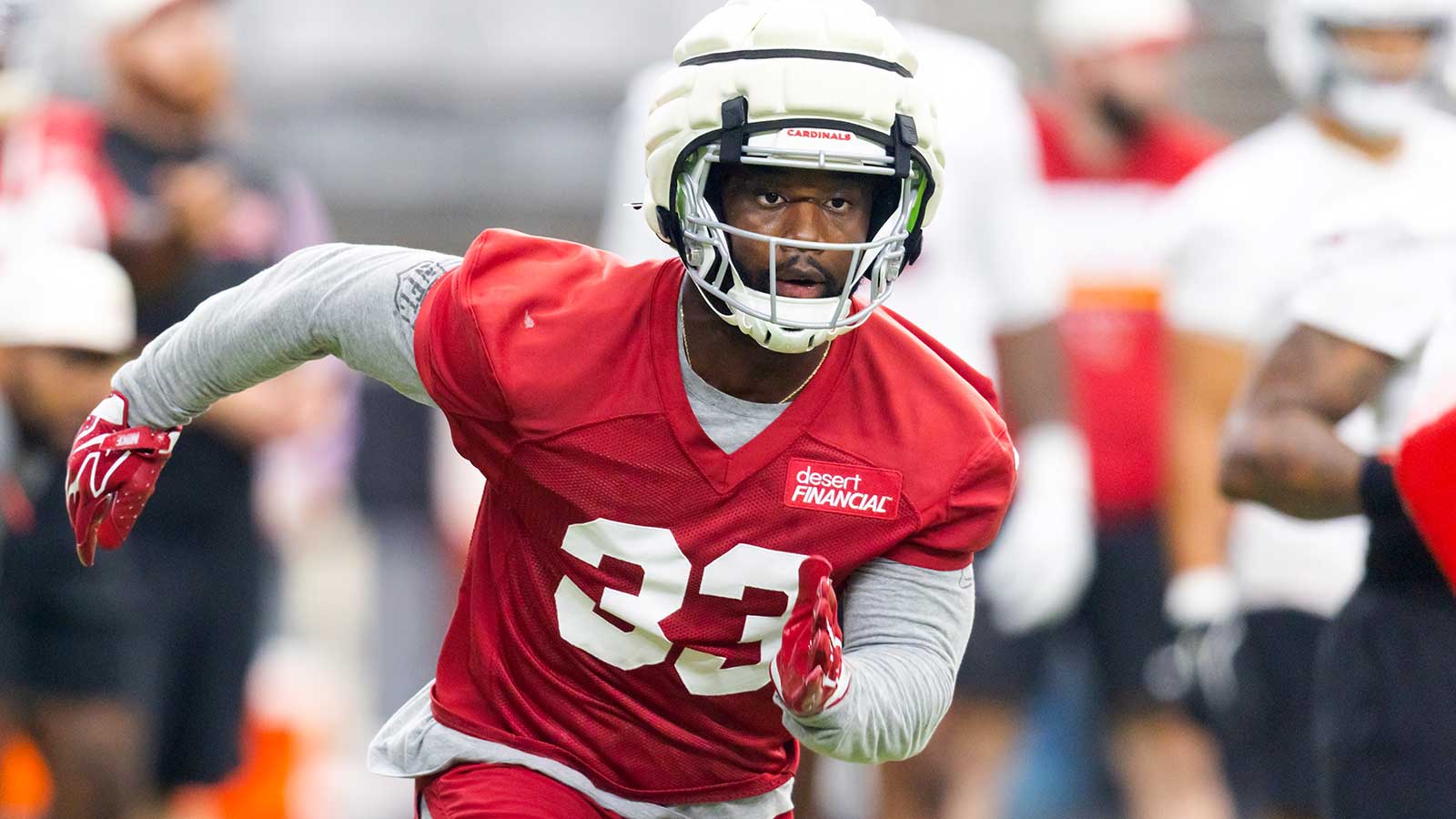
With a month to go until the draft, the Miami Dolphins’ first-round prospects are becoming clearer than they were a few weeks ago. Mel Kiper Jr. recently connected the Dolphins to Ohio State wide receiver Carnell Tate, especially following the departures of Tyreek Hill and Jaylen Waddle, along with De’Von Achane’s absence from the first day of voluntary workouts.
This has contributed to the perception that the offense is still being restructured around Malik Willis, and Miami also has unusual flexibility for a team in transition, holding picks No. 11 and No. 30 in Round 1, with a total of 11 selections overall, and also this situation is why the current mock draft predictions for the Dolphins are more varied than the primary narrative focusing on wide receivers, and while selecting a wideout remains a prominent storyline, there is still a strong possibility of addressing offensive line needs, cornerback positions, and secondary help later in the first round.
Below is a summary of the latest projections based on insights from individual analysts rather than general team analyses.
WR Carnell Tate, Ohio State
Jordan Reid, ESPN
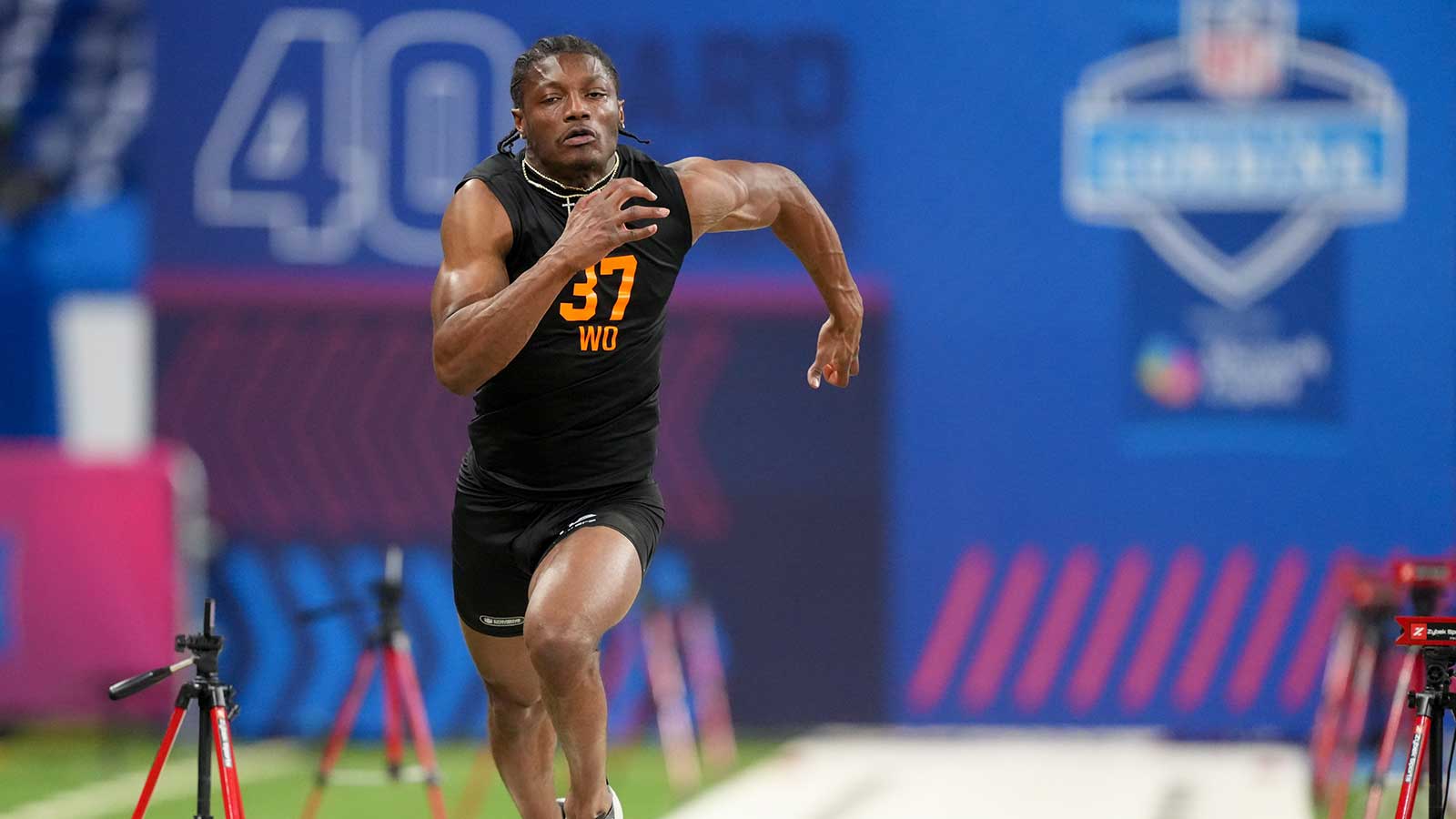
Reid has the Dolphins selecting Carnell Tate at No. 11 in ESPN’s three-round mock draft, and his reasoning aligns with the expectations at this stage: with Waddle and Hill gone, Willis needs a reliable target, and Tate’s route running, dependable hands, and catch radius would be invaluable for a receiver room currently lacking a clear WR1.
Reid’s analysis is simple, directly addressing the roster’s needs by identifying a receiver as the most immediate offensive option, and Tate is a logical choice in terms of roster construction.
Miami requires someone capable of handling significant volume and simplifying the quarterback’s decisions on standard downs, not just on designed plays, and this rationale is why he has emerged as a common prediction for the Dolphins: he seems poised to take on a substantial role from Day 1 without spending half his rookie season gradually integrating into the offense.
OT Spencer Fano, Utah
Tim Crean, ClutchPoints
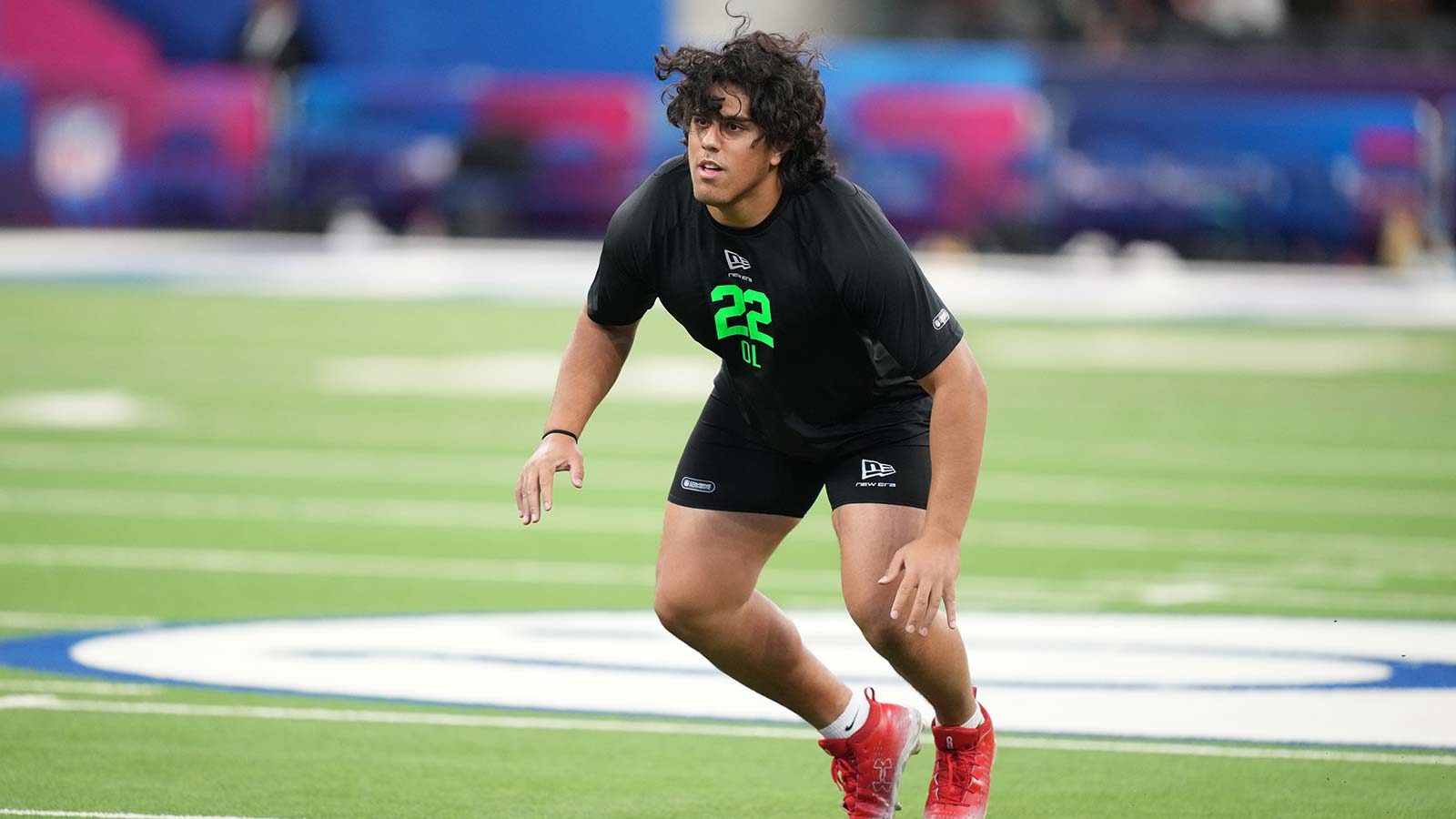
Crean challenges the assumption that Miami will select a receiver with the No. 11 pick.
In his mock draft following free agency, he predicts that Miami will choose Spencer Fano, arguing that a wide receiver or cornerback might not sufficiently address the needs of a team still in the early stages of a significant rebuild.
He believes the Dolphins should focus on strengthening their offensive line first, highlighting Fano’s potential as a long-term starter, whether at tackle, guard, or center, and this perspective offers a different view of Miami’s current situation and carries weight.
If the front office prioritizes rebuilding the offense from the inside out, selecting Fano makes more sense than picking a receiver, and with two first-round picks, the Dolphins can distribute their draft choices across different needs.
Under this approach, securing a foundational piece for the offensive line comes first, allowing for offensive help later. Whether Miami agrees with this prioritization is a critical question, but Crean’s suggestion serves as a clear reminder that the Dolphins are not necessarily locked into selecting a receiver with their early pick.
CB Mansoor Delane, LSU
Josh Edwards, CBS Sports
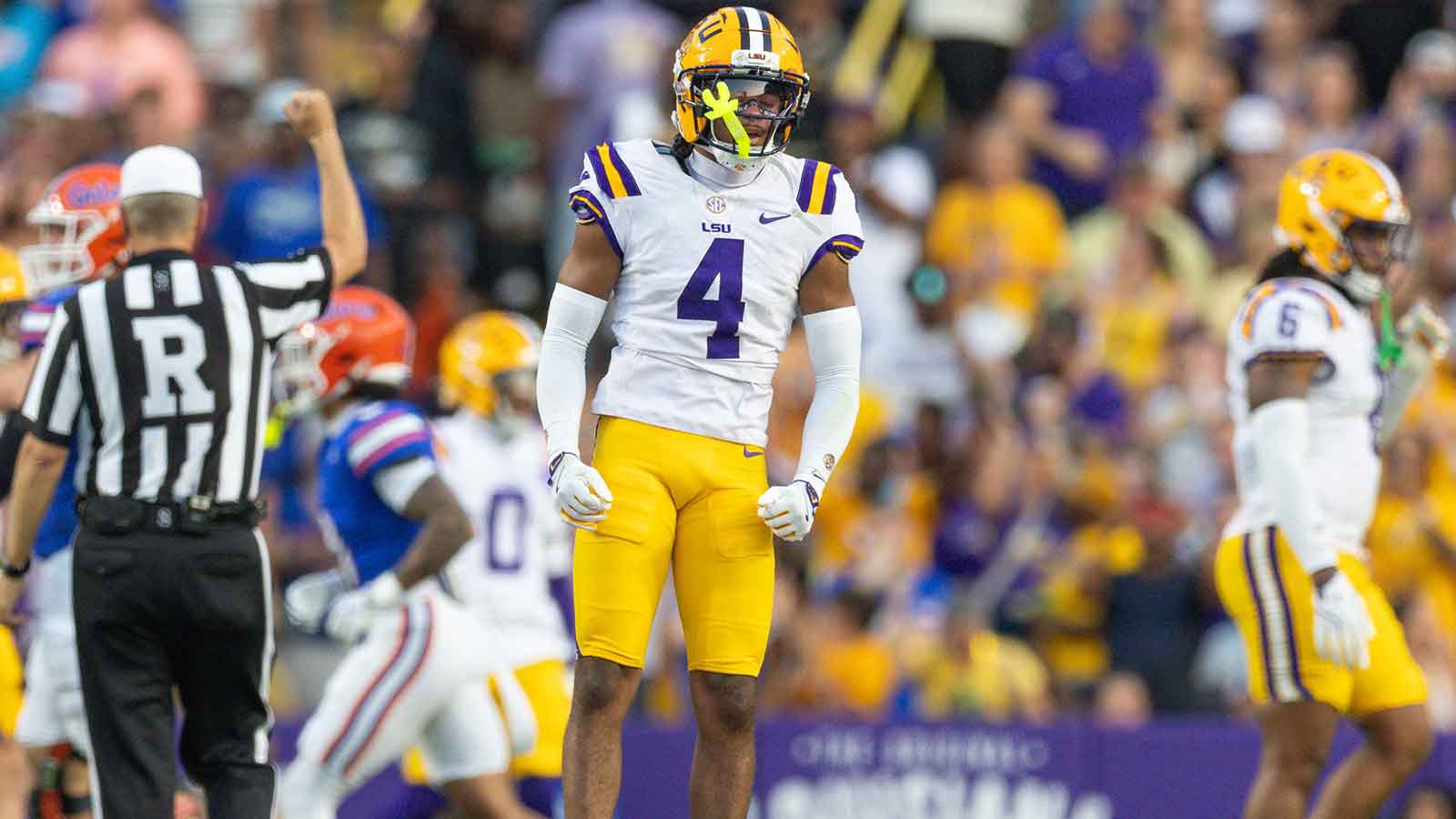
Edwards takes the Dolphins in a different direction altogether, projecting them to select LSU cornerback Mansoor Delane at No. 11 in his three-round mock draft, and he reasons that they need to focus on the secondary, pointing out that Miami is losing key players in that area and still requires reliable starting options even after the offensive reset surrounding Willis. In this scenario, Delane is one of the team’s most pressing defensive needs.
The rationale behind his projection is compelling, as it does not overlook the necessity of strengthening the receiving corps. Instead, it assumes that Miami can find offensive solutions later because the urgent need for cornerback talent justifies an early selection.
With two first-round picks, the front office has the flexibility to think in this manner, and Delane represents a defense-first strategy for Miami’s first round, indicating that some evaluators still view the Dolphins as a team that could prioritize fortifying their secondary before addressing other needs.
WR Makai Lemon, USC
Matt Miller, ESPN
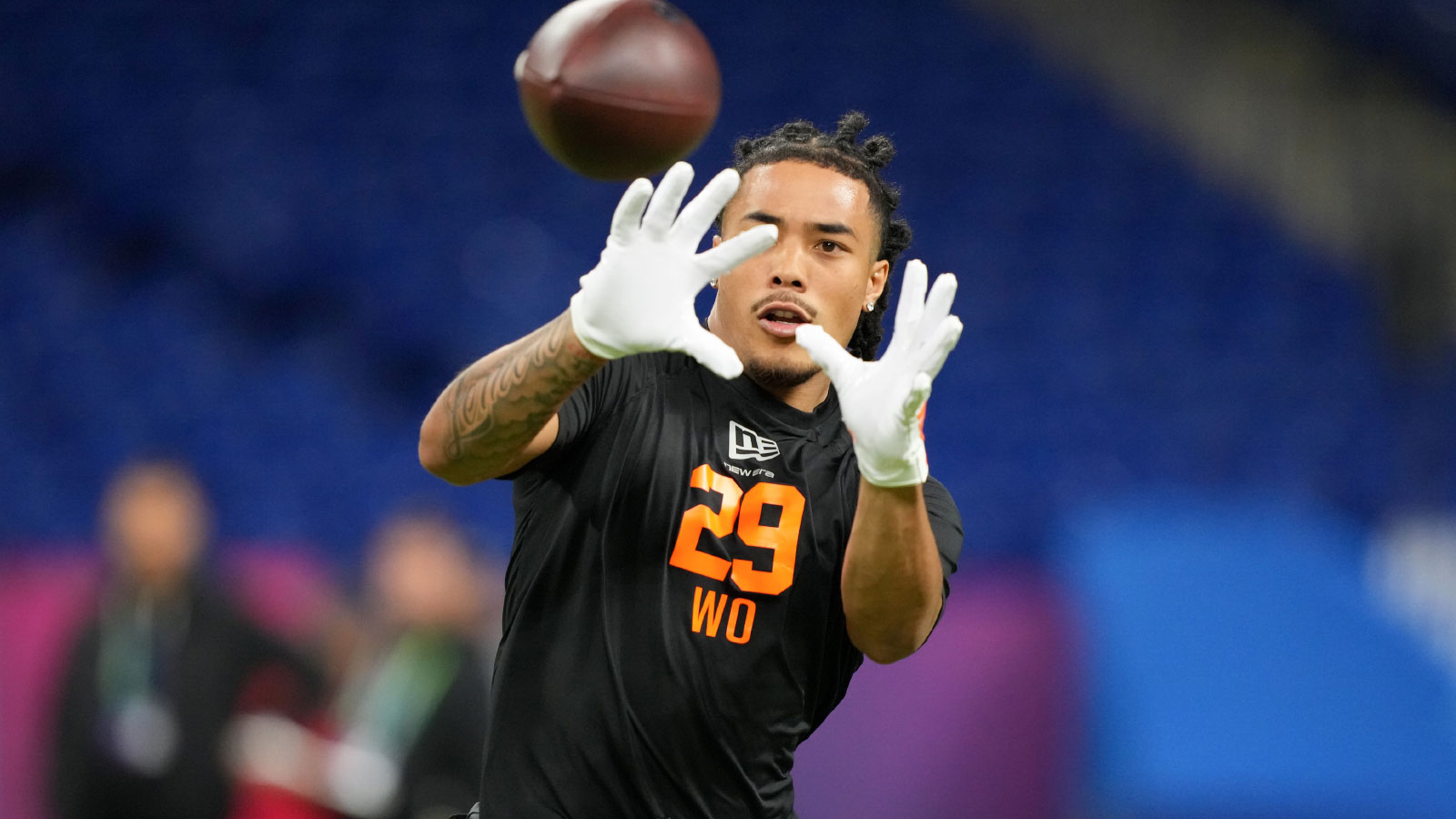
Miller’s seven-round mock draft suggested that Miami should select USC wide receiver Makai Lemon at No. 11.
He explained this choice by highlighting the Dolphins’ need for a reset at the receiver position, describing Lemon as his top-ranked receiver, and he emphasized that Lemon could immediately assist quarterback Malik Willis due to his ability to work effectively over the middle and his overall receiving skills.
This analysis is significant because, despite a consensus among analysts that Miami should focus on offense early in the draft, there is still debate about which type of receiver best fits the team’s needs.
Lemon and fellow prospect Tate represent different styles of receivers because Tate is often viewed as a more traditional outside WR1 option, while Lemon is frequently characterized as a receiver who excels at creating separation in congested areas, thus helping a quarterback maintain an efficient offense.
For Miami, this distinction raises an important question: Should the priority be to replace the top-tier structure of their receiving room with a conventional lead target, or should they focus on enhancing their passing game with a receiver capable of making immediate contributions in the intermediate range?
Miller’s mock draft leans toward the latter, making Lemon one of the more intriguing names linked to the Dolphins.
CB Colton Hood, Tennessee
Nick Shook, NFL.com
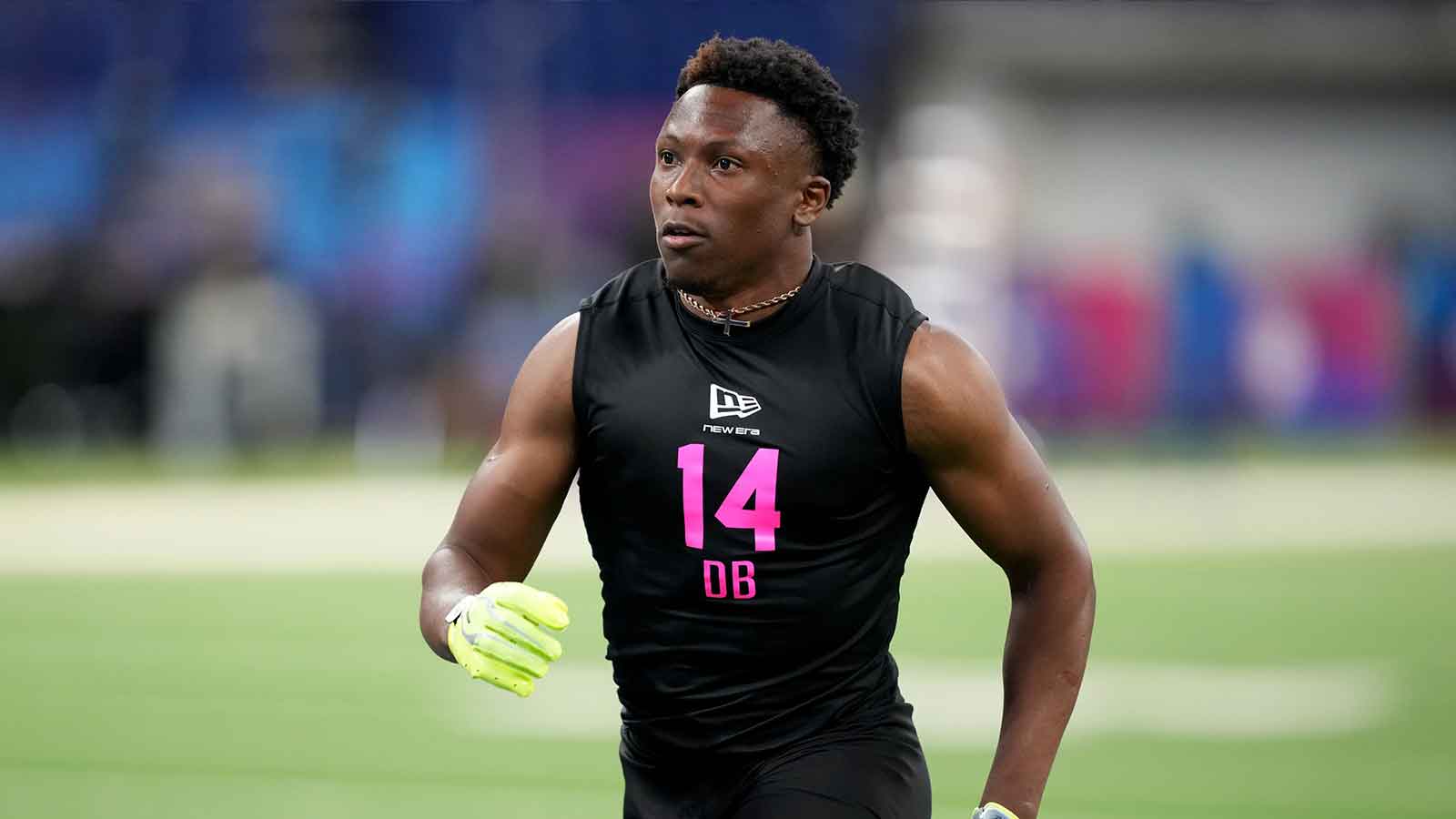
Shook’s first-round mock draft serves as a useful indicator of how analysts expect Miami to utilize its Denver pick near the end of the first round, as he predicts that the Dolphins will select cornerback Colton Hood from Tennessee at No. 30, framing this choice around the need for help in the secondary.
The front office has publicly identified Malik Willis, De’Von Achane, Aaron Brewer, and Jordyn Brooks as foundational players, suggesting a strategy of addressing one side of the ball with the first premium pick, then turning to the secondary for the later pick.
Hood fits well within this selection context, and Shook emphasized his readiness and ability to excel in the press coverage style favored by defensive coordinator Jeff Hafley.
This is important, as late first-round cornerbacks are easier to justify when the team has a clear plan for their use, and more broadly, Hood’s projection reinforces a recurring theme regarding Miami: even if they choose a receiver early, analysts generally do not see them as a team that should spend both first-round picks on offensive players.
From the current mock draft cycle, we can see that the early pick is primarily associated with offense, particularly wide receiver, with Lemon and Tate being the standout names, and that the second first-round pick is playing a key balancing role in projections, which is why cornerbacks continue to appear in that slot and why some analysts advocate for prioritizing offensive line selections instead, and while Miami’s draft strategy may still evolve over the next two weeks, the options appear more defined now compared to earlier in March.
For a team with two first-round picks and seven selections in the top 100, this narrowing of focus is important because it signifies that the Dolphins are no longer being viewed as a team in complete rebuild mode, where almost any premium position could be justified.
The post Dolphins’ 2026 NFL Mock Draft roundup with pre-draft cycle ending appeared first on ClutchPoints.
What's Your Reaction?
 Like
0
Like
0
 Dislike
0
Dislike
0
 Love
0
Love
0
 Funny
0
Funny
0
 Angry
0
Angry
0
 Sad
0
Sad
0
 Wow
0
Wow
0