


-(1).jpeg)








Celtics most to blame for blown series vs. 76ers

The Celtics most to blame for a blown series vs. the 76ers isn’t a simple answer. It’s confusing and painful and layered as heck. This inexcusable unraveling exposed flaws Boston had managed to mask all season. No it wasn’t just about one bad game or one unfortunate injury. It was about missed opportunities, poor adjustments, and key players failing to rise to the moment when the margin for error disappeared. Championship teams close. Contenders hesitate. In this series, Boston hesitated just enough to let Philadelphia seize control. By the time the Celtics realized it, the door had already slammed shut on their season.
Nightmare finale
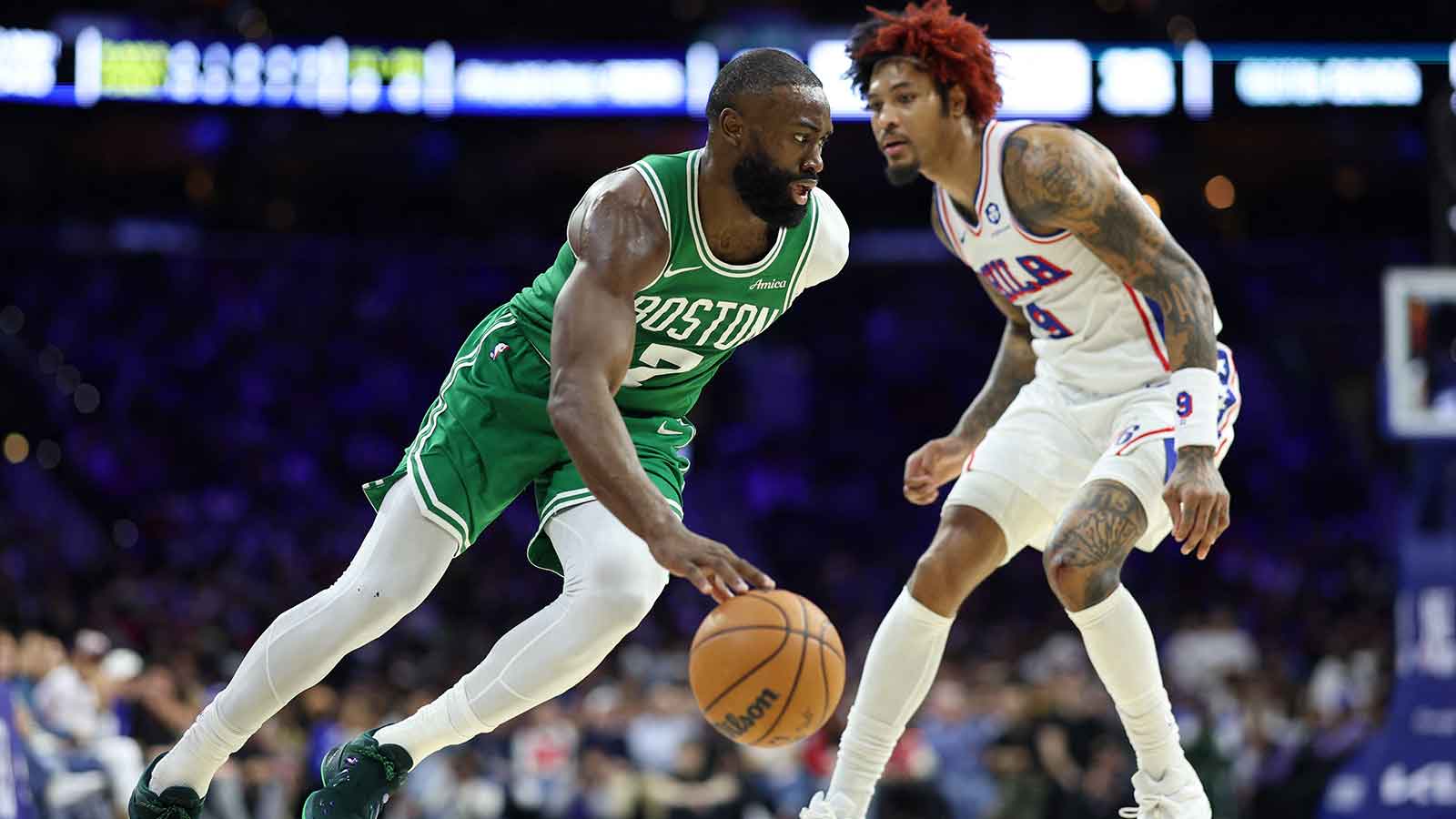
Game 7 served as the final, agonizing chapter of this postseason tragedy as the Sixers walked into Boston and walked out with a 109-100 victory that felt even more lopsided than the scoreboard indicated. Sure, the Celtics fought to stay within striking distance. However, the absence of Jayson Tatum due to left knee stiffness left a void that no one seemed capable of filling with any sense of consistency.
Philadelphia, led by a dominant 34-point effort from Joel Embiid and a late-game takeover by Tyrese Maxey, exploited every single crack in the Celtics’ armor. Boston’s offense stagnated into a series of contested jumpers and unforced errors. They shot a dismal 27 percent from beyond the arc as the home crowd watched stunned. Despite a valiant effort from Jaylen Brown, the Celtics simply could not get the stops they needed when it mattered most. They allowed the Sixers to dictate the tempo and eventually punch their ticket to a second-round date with the New York Knicks.
Jaylen Brown’s shooting slump
When the superstar goes down, the responsibility becomes absolute. Brown stepped into that Tatum-sized vacuum, but what followed was a performance that looked productive on paper and problematic everywhere else.
33 points should be enough to headline a Game 7 win. Instead, it became a case study in inefficiency. Brown needed 27 shots to reach that total, and more importantly, he struggled to control the rhythm of the offense. Possessions often stalled with him forcing contested looks, particularly during key stretches when Boston had a chance to swing momentum.
The most damning number was the -16 plus-minus. In a nine-point loss, that figure reveals how damaging those minutes were. When Brown was on the floor, the Celtics were losing control.
Leadership in moments like this isn’t about volume scoring. That helps, sure, but not as much as good decision-making, tempo, and composure. Brown had flashes of brilliance, but they were overshadowed by rushed drives and questionable shot selection. Fans saw an inability to steady a team searching for direction without its primary star.
Derrick White’s vanishing act
Derrick White’s value has always lived in the margins. He’s know for the extra pass, the timely rotation, the calm shot when everything else feels rushed. In Game 7, those margins disappeared.
Playing 45 minutes, White had every opportunity to shape the outcome. Instead, his inefficiency became a silent anchor dragging the Celtics down. Shooting 9-of-26 from the field and 5-of-16 from beyond the arc, he consistently missed the kind of looks that shift playoff games.
Those weren’t forced attempts. They were opportunities created by Philadelphia’s defensive attention on Brown and others. Each miss reinforced the Sixers’ defensive strategy, allowing them to continue collapsing without consequence.
26 points in a Game 7? Sheesh, that looks good. But peer under the hood, and one sees all the hidden rust. More concerning was the absence of his usual composure. The hesitation, the lack of rhythm, the missed rotations—these are not traits typically associated with White. For a player often praised as the glue, this was a night where everything came apart.
Luka Garza’s starting lineup failure
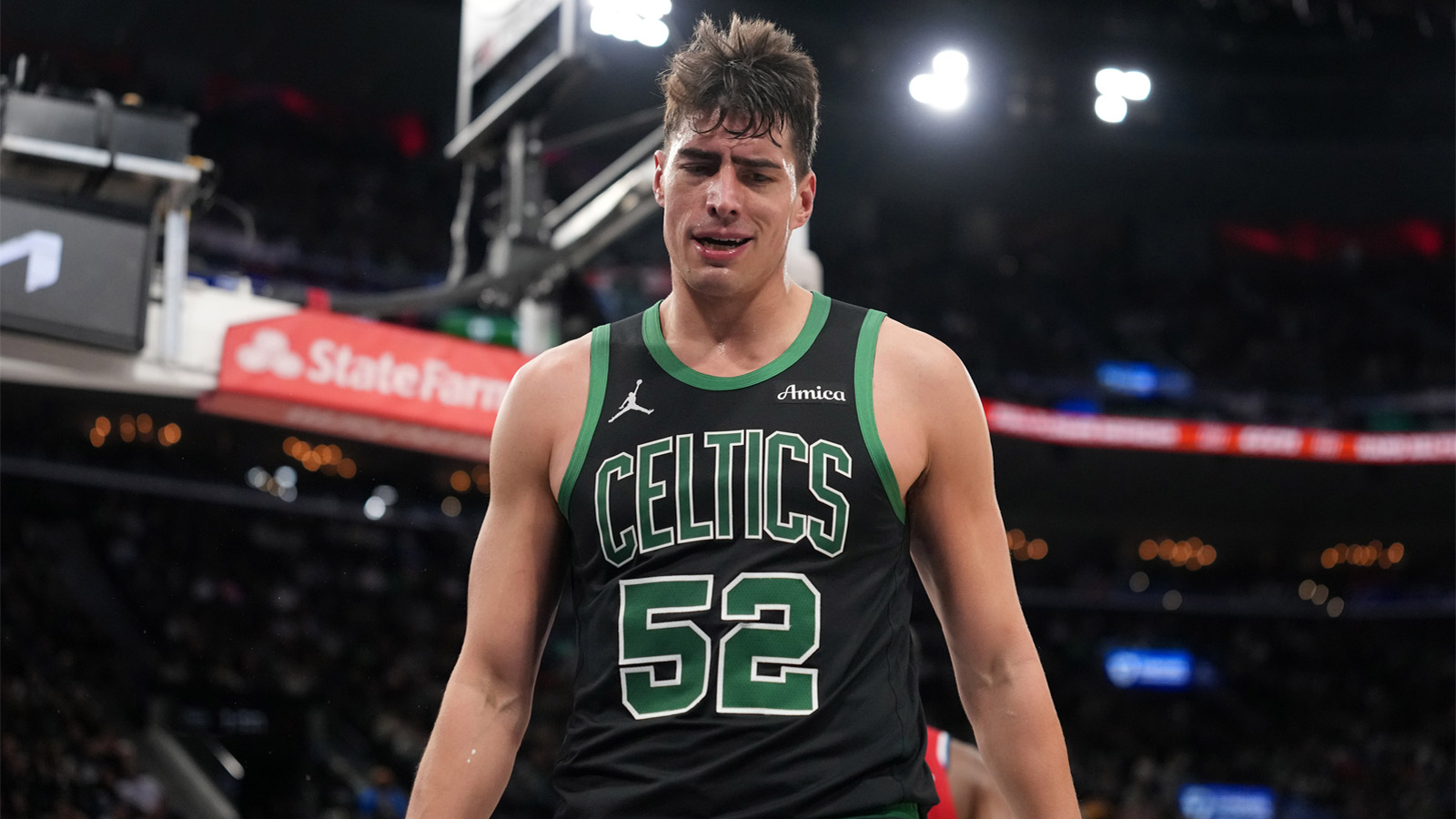
If there is a single decision that encapsulates Boston’s Game 7 unraveling, it is the choice to start Luka Garza. This one backfired almost immediately.
Garza logged just nine minutes but managed a staggering -15 in that span. He did not record a single point, rebound, or assist, and defensively, he struggled to contain Philadelphia’s interior presence. The Sixers quickly identified the mismatch and attacked it.
The issue isn’t solely Garza’s performance but the context in which he was placed. Asking a limited contributor to set the tone in a Game 7 against a dominant frontcourt is a gamble that required perfection. Instead, it produced instability.
By the time adjustments were made, the damage was done. Philadelphia had rhythm, momentum, and belief. Boston was already chasing.
Defined by missed control
Blown series are about patterns. For the Celtics, this series was defined by an inability to control key stretches when it mattered most.
Jaylen Brown couldn’t consistently anchor the offense. Derrick White couldn’t provide the efficiency and composure expected of him. The coaching staff made a high-risk lineup decision that immediately backfired. Without Jayson Tatum in the finale, the margin for error disappeared entirely.
Here is a more painful truth, though: the series wasn’t lost in Game 7 alone. It was lost in the missed chances to close earlier, the lapses in execution, the failure to impose their identity consistently.
Philadelphia adapted, attacked weaknesses, and capitalized on every opening Boston gave them. Now, the Celtics are left with questions that will echo all offseason. About leadership and decision-making. About whether this core, as constructed, can take the final step. Leading 3-1 in this series was an opportunity that slipped away and may not come back the same way again.
The post Celtics most to blame for blown series vs. 76ers appeared first on ClutchPoints.
What's Your Reaction?
 Like
0
Like
0
 Dislike
0
Dislike
0
 Love
0
Love
0
 Funny
0
Funny
0
 Angry
0
Angry
0
 Sad
0
Sad
0
 Wow
0
Wow
0