
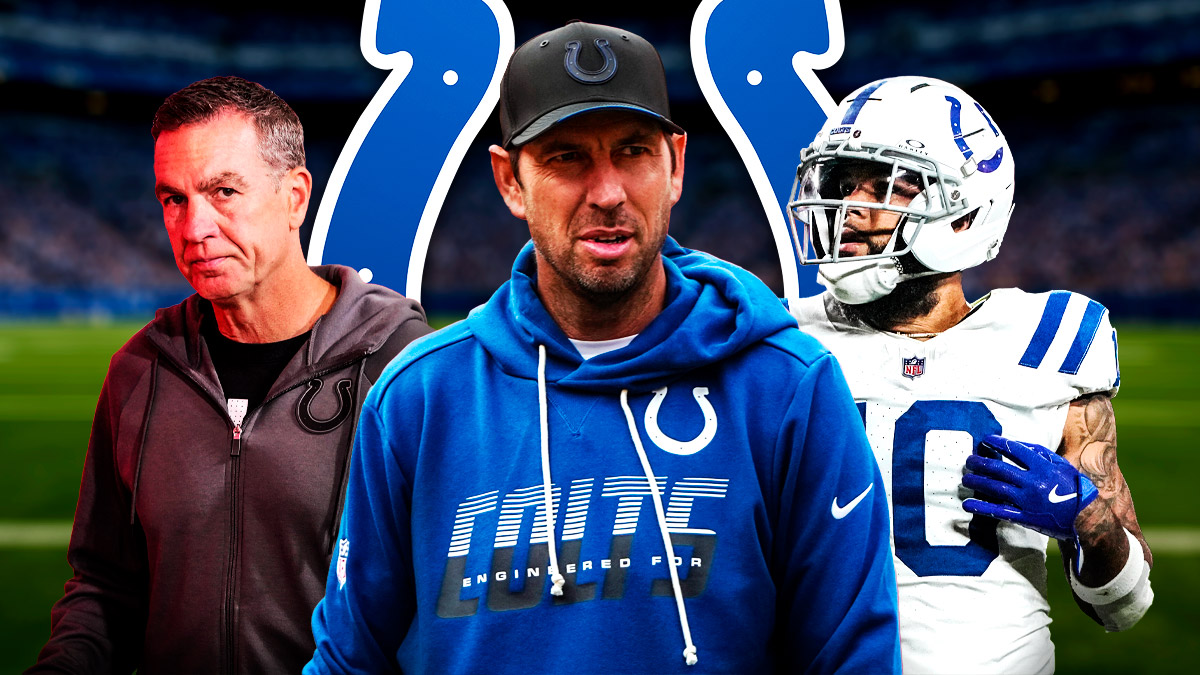
The Indianapolis Colts' next decisions could shape the franchise for years. After firing general manager Chris Ballard, Indianapolis faces understandable pressure to rethink its roster. That said, the answer cannot be a desperate fire sale designed to accumulate first-round picks for the 2027 NFL Draft. The Colts have already sacrificed significant resources to build a competitive team. Trading away their remaining cornerstones would only deepen the damage. Interim general manager Ed Dodds and the front office must resist the temptation to chase a quick reset. Indianapolis needs a smarter plan, not another franchise-altering gamble.
Promising start unraveled
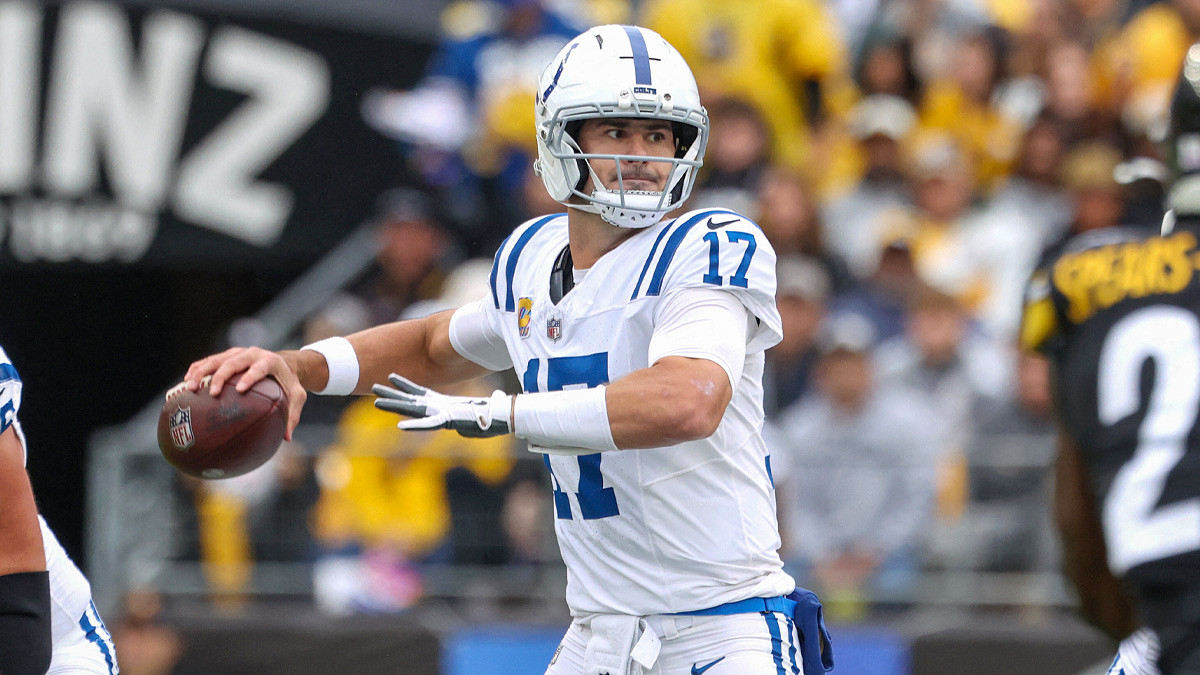
The Colts' 2026 campaign has been a frustrating roller coaster. Indianapolis opened with losses to Baltimore and Kansas City before earning consecutive victories over Houston and Washington. However, defeats against Pittsburgh and Tennessee exposed familiar problems. The 26-20 loss to the previously winless Titans was particularly painful. Indianapolis squandered a 13-point halftime lead through turnovers and defensive breakdowns. The Colts fell to 2-4, prompting owner Carlie Irsay-Gordon to dismiss Ballard after nearly a decade in charge. Daniel Jones remains the starting quarterback. Jonathan Taylor anchors the ground game. Head coach Shane Steichen must now navigate the season without the executive who helped assemble his roster.
Diminishing returns
The appeal of acquiring a 2027 first-round pick is obvious. A premium selection could give Indianapolis a chance to add an impact player and provide its next general manager with greater flexibility. However, that does not mean the Colts should dismantle their roster to obtain one.
The franchise has already paid a steep price for cornerback Sauce Gardner. They surrendering their 2026 and 2027 first-round picks along with wide receiver Adonai Mitchell. Potentially trading Gardner just months later would be a stunning reversal. They would effectively admit that the organization had abandoned its own plan before giving the move sufficient time to mature.
Of course, Taylor should also remain off the table. His running ability gives the offense an identity. Moving him would force Indianapolis to replace a major source of production while potentially creating complicated financial consequences. The same logic applies to established linemen such as Quenton Nelson and defensive leaders like DeForest Buckner. These players are not disposable assets.
A first-round selection is valuable, but it is not a guaranteed star. Trading proven contributors for future possibilities can leave a team weaker immediately without ensuring a better outcome years later.
Protecting the infrastructure
Ballard's dismissal does not automatically mean Indianapolis has committed to a complete rebuild. Ownership has emphasized that the team must continue competing and improving. Steichen still needs a functional roster to develop players and establish standards for the future. Stripping away capable starters would make those responsibilities significantly harder. The Colts should be honest about their shortcomings, particularly their inability to close out games. Now, those problems require careful evaluation, not indiscriminate roster liquidation.
Furthermore, Indianapolis should not assume that rival teams will surrender first-round selections for every veteran it puts on the market. Deadline deals often involve mid-round picks. Forcing a premium return could leave the Colts holding players they were prepared to move, or selling them for less than their true value.
Charting a measured path
The Colts should approach the November 10 trade deadline with discipline. Dodds and the personnel staff can listen to offers for expiring contracts or surplus rotational players. If an extraordinary offer arrives for a nonessential player, Indianapolis should evaluate it seriously.
However, the front office must distinguish between accumulating assets and doing so at any cost. Draft picks are most useful when supported by sound scouting, strong player development and a coherent roster-building philosophy. The next general manager will need all three.
Article Continues BelowThe Colts also need to remember that their 2027 first-round selection already belongs to the Jets. Recovering a first-round pick from another team might help restore flexibility. However, it should not become an obsession that dictates every personnel decision.
Plan over panic
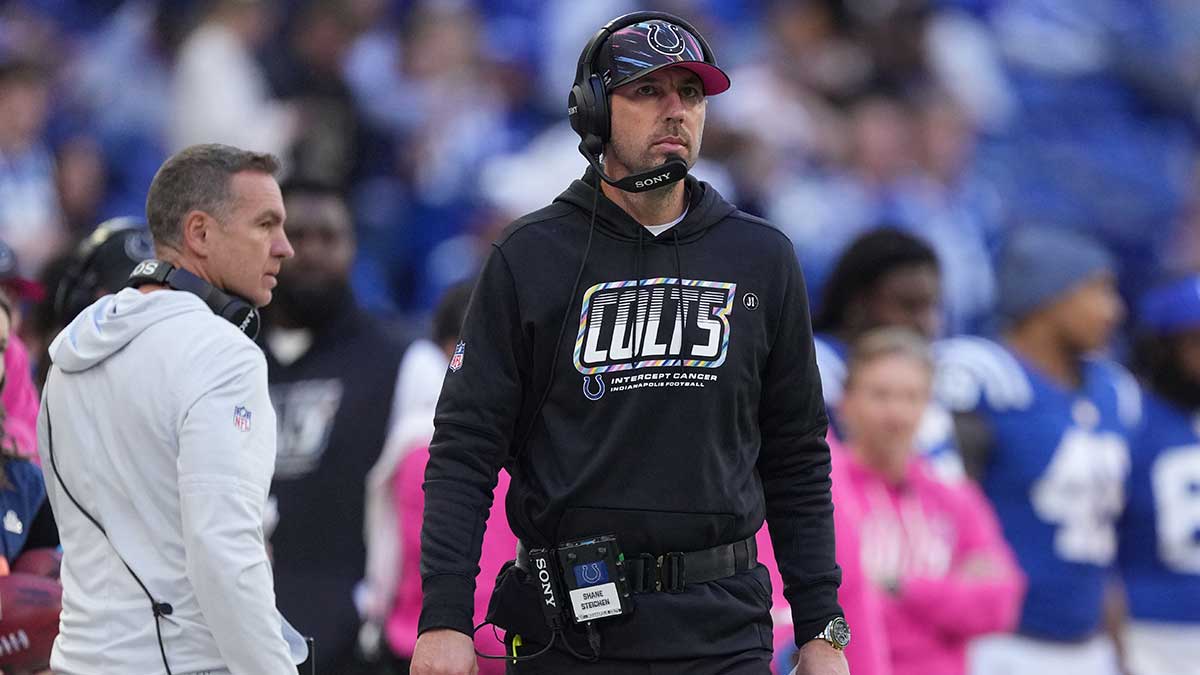
Firing Ballard was a major decision. The next move, though, should demonstrate patience and strategic clarity. Indianapolis must learn from the mistakes that led to this point without discarding every player acquired under the previous regime.
Taylor, Nelson, Buckner, and Gardner can still form part of a competitive foundation. The Colts need better execution and a more reliable long-term plan at quarterback. They must not empty their roster in pursuit of draft capital.