
Size and physicality haven't been the Brooklyn Nets' calling cards under general manager Sean Marks. That could change following the rebuilding squad's 2026 offseason.
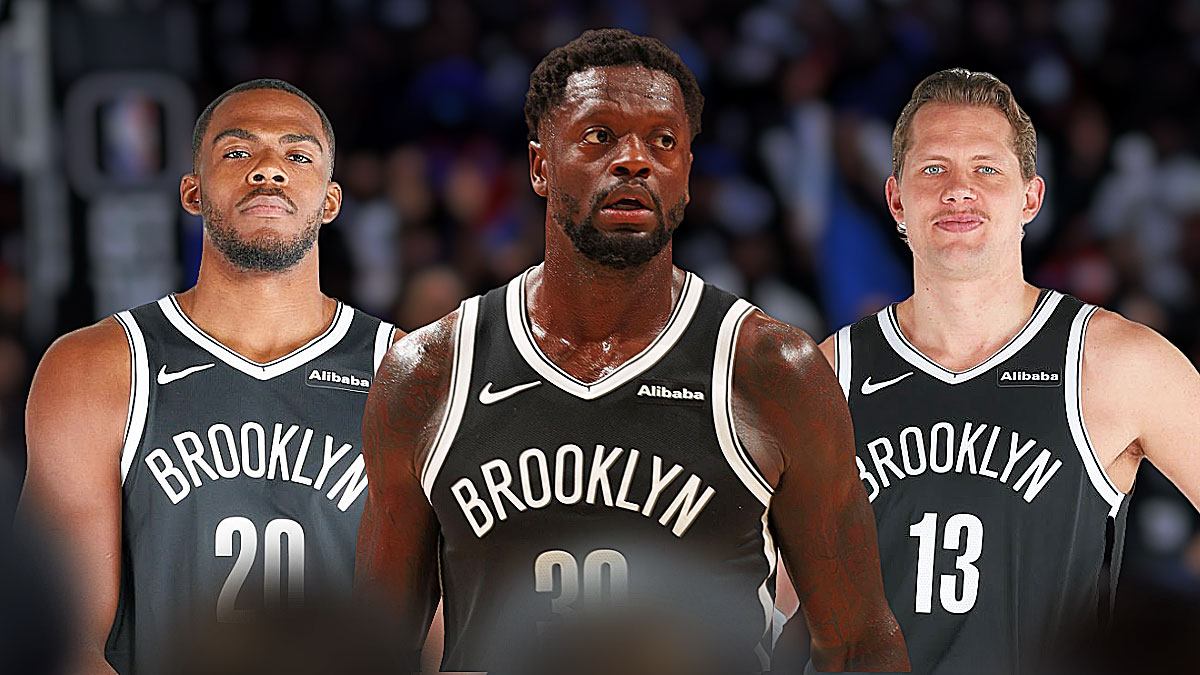
At 255 pounds, Julius Randle presents one of the Nets' most physical acquisitions in recent memory. Free agent center Moe Wagner also weighs in at 255 pounds, while No. 28 pick Joshua Jefferson weighs 250. Day'Ron Sharpe (268 pounds) has been one of the NBA's top rebounders in recent years and will replace the lankier Nic Claxton (215 pounds) at starting center. Meanwhile, Brooklyn's sophomores—Egor Demin, Nolan Traore, Drake Powell, Danny Wolf and Ben Saraf—all made noticeable physical strides during their first NBA offseason.
Has that added size been noticeable during Brooklyn's training camp scrimmages?
“Oh, my god. It's night and day,” Wolf said. “You look up and down the roster and re-watch stuff from last year's training camp to now, it's a different brand of basketball. There's a lot more size, a lot more strength in all areas. Guys who came in looking not as strong are strong now and still have room to grow. Everyone is playing with heightened physicality, which makes it super physical and fun. So I'm excited.”
Danny Wolf on the physicality of the Nets' training camp scrimmages compared to last year:
“Oh, my god. It’s night and day. You look up and down the roster, and re-watching stuff from last year’s training camp to now, it’s a different brand of basketball. We have a lot more size… pic.twitter.com/L1OgsJzy7G
— Erik Slater (@ErikSlater_) October 5, 2026
Brooklyn's lack of size in recent years has handicapped the team in several areas, namely rebounding.
Will Nets see results from added size as they shed tanking label in 2026-27?
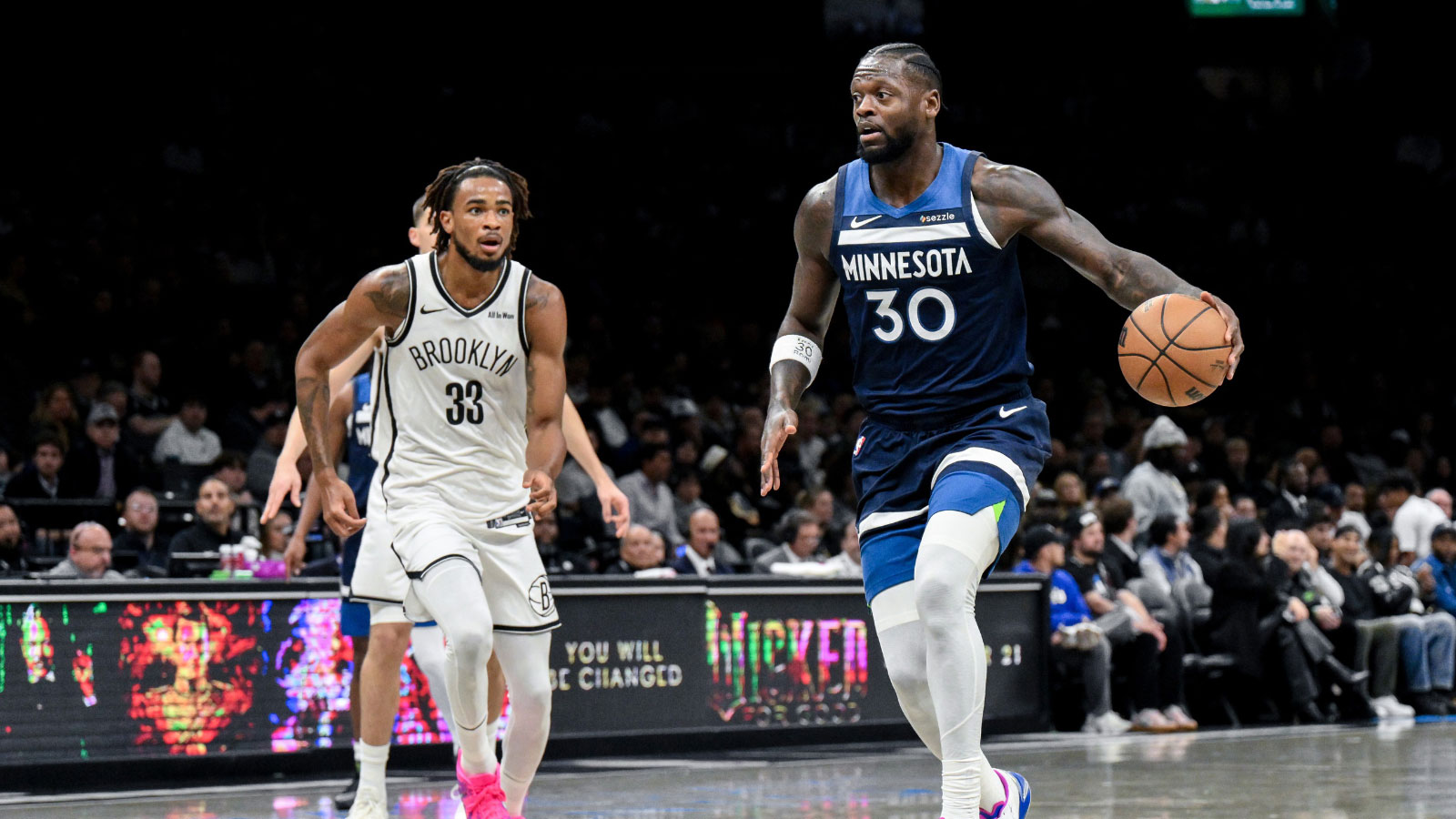
The Nets have not ranked higher than 19th in defensive rebounding percentage in the last six seasons. They’ve ranked 22nd or lower in five of those years. Meanwhile, they’ve ranked in the bottom half of the league in offensive rebounding percentage in four of the last six seasons.
Was Brooklyn's influx of size this summer indicative of a philosophical shift, or did those players fit their existing philosophy?
Article Continues Below“I think it's a combination of all of the above,” said general manager Sean Marks. “I do think positional size is certainly a factor that we look at. Jordi [Fernandez] and I are hand in hand on that when we discuss who we want to bring in, at what position, and what needs we look for. Sometimes size can make up for other deficiencies, whether on defense or elsewhere. So it's certainly a factor. This is just the way it tends to be working out for us now. But that's one of those things that, as much as he and his coaching staff and the performance team have done a hell of a job developing, I'm not sure we're hoping our guys are going to grow another five inches. So we'll see how it plays out.”
Brooklyn's starting frontcourt of Michael Porter Jr., Julius Randle and Day'Ron Sharpe averages 252 pounds. Together, they've averaged 31.6 rebounds per 36 minutes throughout their careers. Last year's starting frontcourt—Porter, Noah Clowney, and Claxton—averaged 219 pounds and 24.3 rebounds per 36 minutes for their careers.
That added rebounding, Randle's scoring prowess and potential leaps from the five sophomores could help Brooklyn exceed expectations in 2026-27. The Nets' projected win total of 24.5 is the second lowest in the NBA, ahead of only the Sacramento Kings (20.5).
“[The added size and stregnth] are an advantage. We added a bunch of advantages this year. We're just learning each other, what each player can do, and learning how to play off that to help people maximize their strengths on the court,” said fifth-year forward Josh Minott. “There's so much to prove. From top to bottom, everybody in here, we all know how we're perceived, and we're trying to exceed expectations by a ton.”