
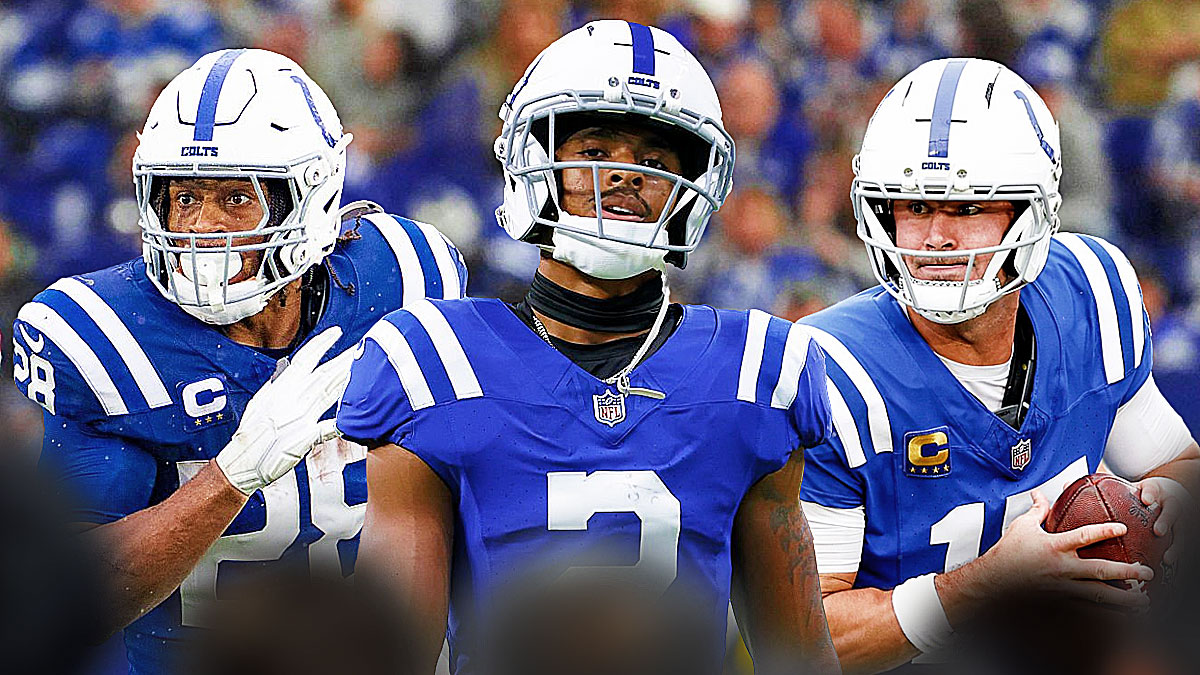
The Colts' biggest risk at the November 10 deadline is selling Jonathan Taylor, Josh Downs and Daniel Jones at a discount just to look busy. A rebuild needs draft capital, and a rushed trade for less than the market will pay defeats that purpose.
The Rebuild Has Already Started
Indianapolis is 2-6 and coming off a 42-7 loss at Jacksonville, its worst defeat in nearly four years. The team traded Nelson to Seattle for a 2027 third-round pick and a 2028 fifth-rounder. It sent Buckner to San Francisco for a 2027 fourth. CBS Sports called the Colts the most aggressive sellers so far. The NFL.com deadline preview also lists them as sellers after owner Carlie Irsay-Gordon fired general manager Chris Ballard.
Those two trades set a standard. Both players were All-Pro talents nearing free agency, and the returns were modest. A third and a fifth for Nelson and a fourth for Buckner look like a fair price for expiring deals. Both players, however, were in a different position from Taylor, who has two years left on his contract.
Don't Discount Jonathan Taylor
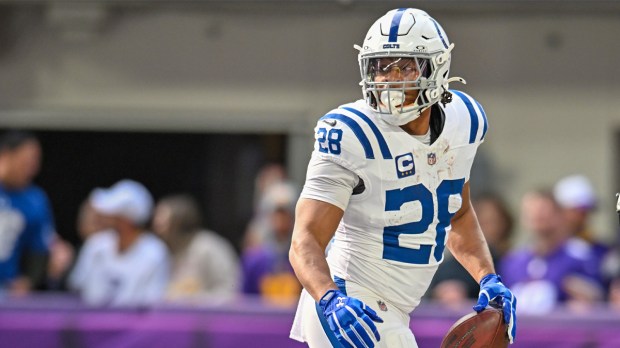
Taylor is the most valuable asset the Colts have. He is 27 and signed a two-year, $44 million extension this summer. It will take a big offer to move him, though teams are exploring it with five or six teams are pursuing him, including the Giants, Packers, Broncos, Seahawks, Bengals and Vikings.
That price is the line. Running backs age quickly, so Taylor's value to a rebuilding team is lower than to a contender. But he is still among the NFL's elite backs, and his value will not rise next spring. If the best offer is a pick in the middle rounds, Indianapolis should keep him and revisit the question in the offseason. Steichen said the team is not resting him or protecting his trade value, which shows the Colts are not rushing to dump him.
Selling Taylor for a bargain-bin return would waste the one trade chip that could deliver a premium pick. The Colts have done the hard part by committing to the rebuild, so now they should insist on being paid for it.
Downs and Jones Need Patience Too
Downs requested a trade last week, which weakens his leverage somewhat. He is in the final year of his rookie deal, and Schultz says the Colts want a third-round pick. He thinks Downs will probably go for a fourth. If no team meets the price, Downs plays out the year in Indianapolis. Keeping him costs the Colts little, and they could still use a compensatory pick or a restructured deal later. A fourth-round pick for a productive slot receiver is not a bad deal, but a fifth or sixth should be rejected.
Jones is the curveball. It has been mentioned that the Vikings as possible suitors, though he stressed he was not reporting a deal. Jones signed a two-year, $88 million contract this offseason and has struggled with turnovers. His trade value is not what it was a year ago. Jones has a $5.5 million base salary, and his 2027 guarantees do not trigger until the offseason, so the cost to an acquirer is small. That is exactly why the Colts should not give him away. Unless a team offers real draft value, keeping him as a stopgap makes more sense.
The Colts should sell, but only at the right price. Nelson and Buckner showed the first step of the rebuild. The next step is patience: take the Taylor offer that clears a second-round pick, hold out for a third on Downs, and keep Jones unless the return is meaningful. Missing a deadline deal costs little compared with a discount that undermines the whole plan.