
As the NFL has changed its overtime rules, one of the leagueâÂÂs priorities was de-emphasizing the coin toss. Sudden death overtime fell out of favor largely because of the big advantage it gave to the team winning the toss, and the NFL wanted an overtime format that wouldnâÂÂt make winning the coin toss important.
This year, it seems to be working.
There have been three overtime games this season, and all three times, the team that won the overtime coin toss lost the game.
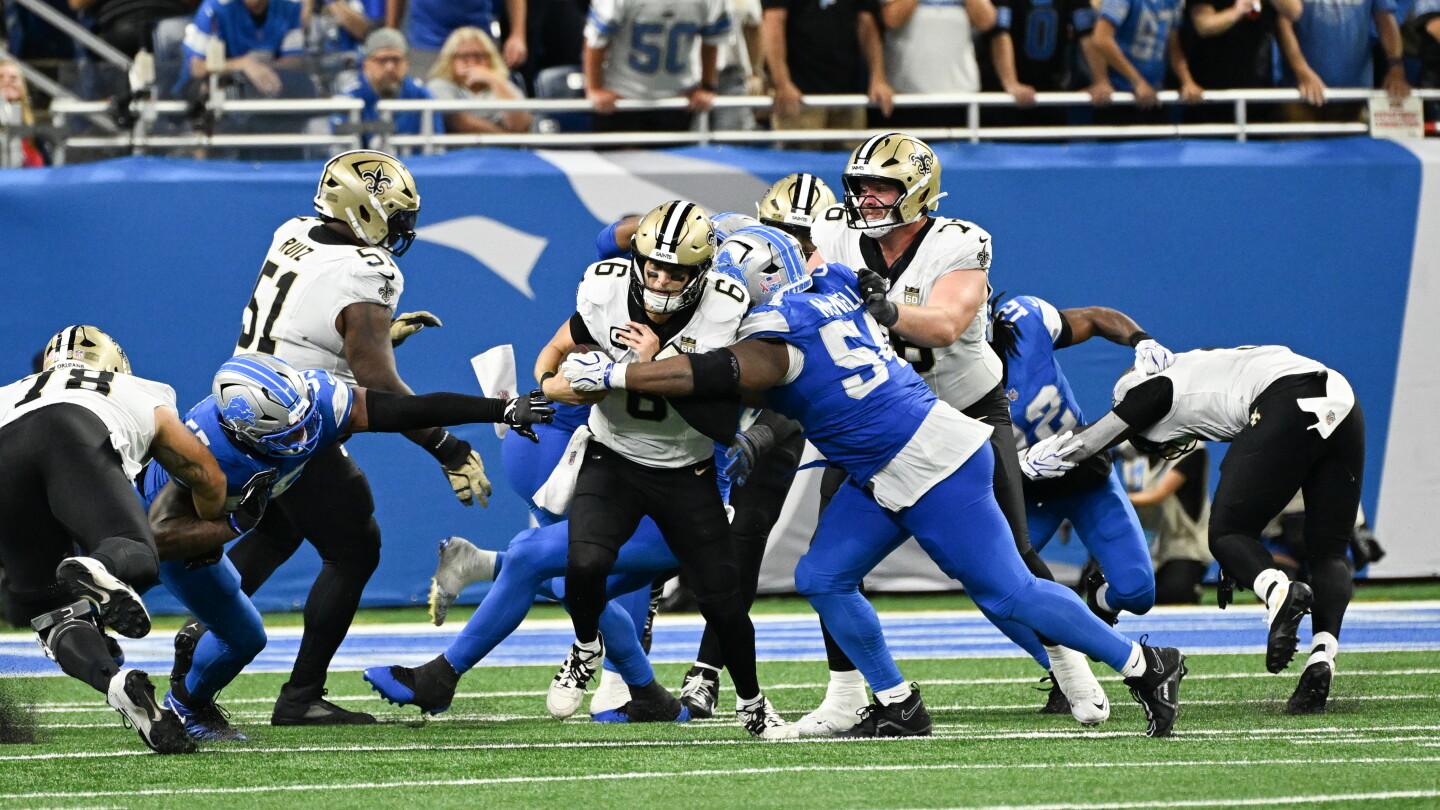
In Week 1, the Saints won the toss and chose to kick. The Lions scored a touchdown and extra point on the first possession, and the Saints then scored a touchdown on the second possession. The Saints went for two, didnâÂÂt convert, and lost 31-30.
In Week 2, the Jets won the toss and chose to receive. Jets coach Aaron Glenn said he wanted to control the clock, but that didnâÂÂt happen: The Jets went three-and-out on the first possession, and the Packers quickly moved into field goal range and won 20-17.
And on Sunday night in Week 2, the Colts won the toss and, despite having a captain who didnâÂÂt know the overtime rule, eventually got their choice to kick. Colts coach Shane Steichen said he wanted to kick because he didnâÂÂt want to give Patrick Mahomes four downs on the second possession. As it turned out, the Chiefs got a field goal on the first possession, the Colts tied with their own field goal on the second possession, and the Chiefs won 33-30 with another field goal on their third possession.
The current overtime format was adopted last season, and thereâÂÂs still no consensus among coaches about whether itâÂÂs better to kick or receive â as demonstrated by Glenn making a different decision than Steichen and Moore. As long as thatâÂÂs the case, winning the coin toss doesnâÂÂt matter very much. And thatâÂÂs as it should be.