
The most pivotal game of the 2025 regular season turned on a special teams play: With the Rams leading the Seahawks 30-14 in the fourth quarter in Week 16, Seattle’s Rashid Shaheed took a punt return and raced 58 yards for a touchdown, sparking a comeback that saw the Seahawks ultimately win 38-37 in overtime.
That game proved to be massive: It was the reason the Seahawks won the NFC West and got to play the Rams at home in the NFC Championship Game on their way to winning the Super Bowl. If the Rams had beaten the Seahawks, the two teams would have finished with the same record and the Rams would have won the tiebreaker, so it would have been the Rams winning the division and only needing to win two home games to reach the Super Bowl. A playoff rematch against the Seahawks would have been in Los Angeles, not Seattle.
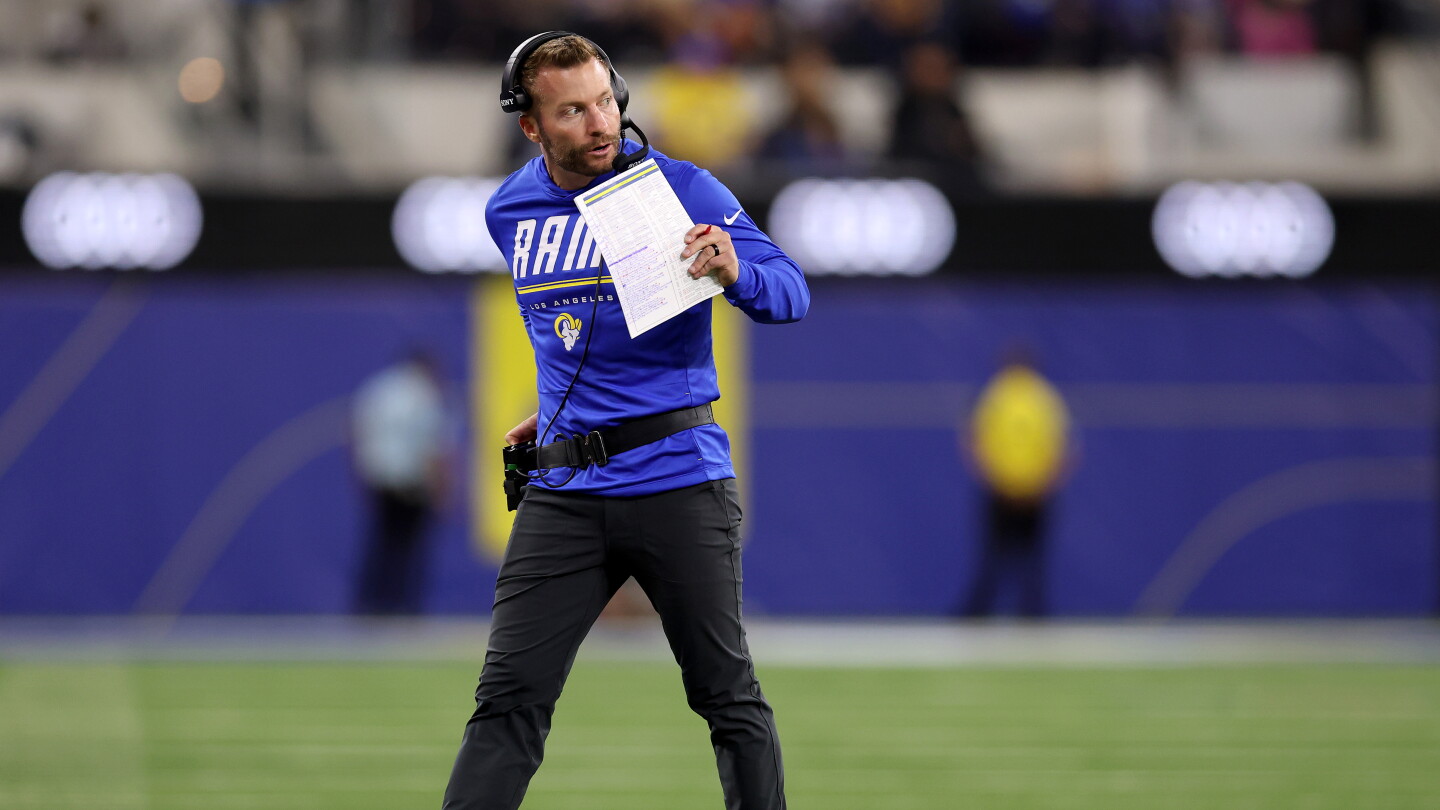
Rams coach Sean McVay knew at the time how big that loss was, and afterward he fired his special teams coordinator, Chase Blackburn. Perhaps McVay should have put the blame elsewhere.
McVay, who again pointed the finger at his special teams following another overtime loss on Monday night against the Bills, has worked with General Manager Les Snead on building a team that has consistently under-invested in special teams. McVay keeps replacing special teams coordinators, but the special teams coordinator doesn’t pick the players, he just does his best with the players picked for him. And the Rams, who love trading draft picks for big name players on offense and defense, have decided not to invest significant resources into acquiring special teams players.
This offseason, Mike Sando of TheAthletic.com did an analysis of NFL teams and how much they prioritize special teams. The analysis covered five factors: The number of players on each team’s roster whose primary role was special teams, whether roster depth spots were used primarily on special teams, the degree to which depth players played special teams over offense or defense, the number of players who were active on game day but played few snaps, and how often starters also regularly played special teams.
In all five categories, the Rams were near the bottom of the league. The Seahawks put significantly more roster resources into special teams players, by all five of those measures.
Shahid is a prime example of how Seattle has an organizational philosophy of investing in special teams. At last year’s trade deadline, the Seahawks sent a fourth-round pick and a fifth-round pick to the Saints for Shaheed. It’s not hindsight to say the Seahawks changed their season with that trade; we were saying that before Seattle won the Super Bowl. It’s also not unreasonable to think that if it had been the Rams, not the Seahawks, who traded for Shaheed, it might have been the Rams who won the Super Bowl last season.
The Rams did try to change things this offseason by signing Grant Stuard primarily for his contributions on special teams. Stuard is listed as a linebacker but has not played any snaps on defense this season, instead playing in all five games exclusively on special teams. So it’s fair to say the Rams at least tried to fix their special teams issues this offseason.
But it clearly wasn’t enough. The Rams have been the favorites to win the Super Bowl all year. If they fall short, it may be the special teams that deserves the blame — and it may be time for the Rams to ask themselves why the special teams are always taking the blame, year after year.