
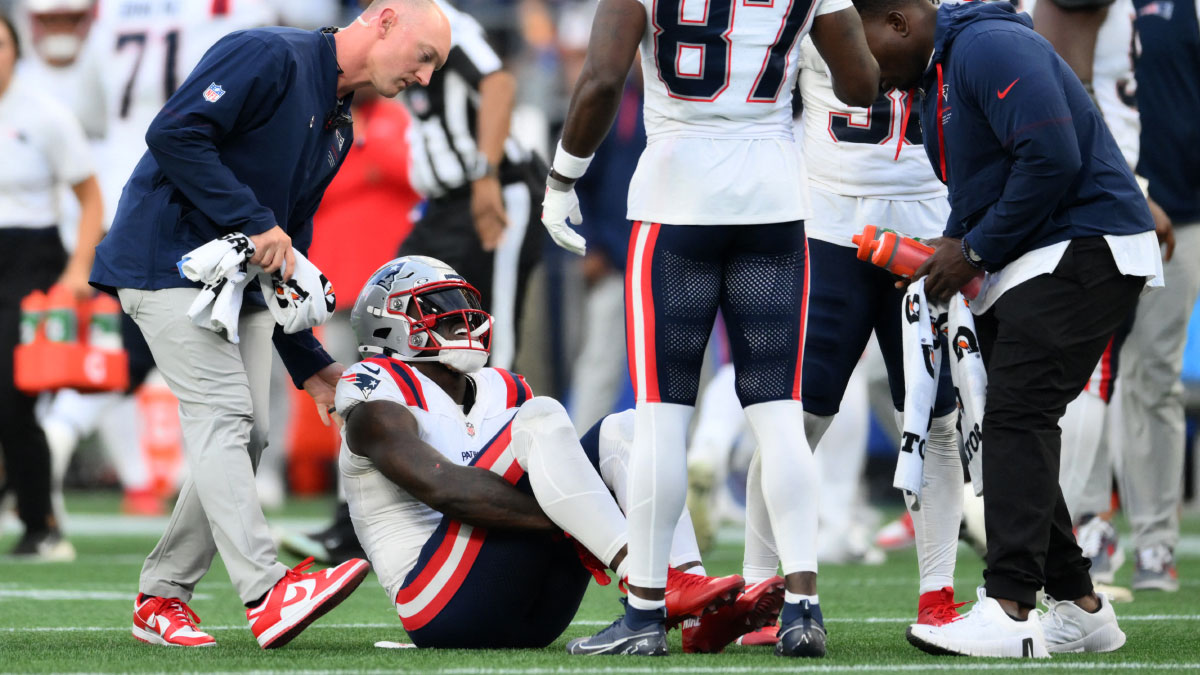
Star player TreVeyon Henderson provided the New England Patriots with a significant boost this week by returning from the ankle injury that sidelined him for the season opener, as he has declared that he is âÂÂready to goâ ahead of SundayâÂÂs matchup against the Pittsburgh Steelers. Henderson practiced fully throughout the week and carries no game designation, paving the way for his debut in 2026 after the Patriots relied heavily on Rhamondre Stevenson in Week 1.
However, Henderson's return is just one aspect of the team's injury situation. The Patriots will enter their home opener without A.J. Brown and possibly two key defensive starters, and meanwhile, Pittsburgh is also facing its own injury challenges, which could affect several fantasy decisions. The final injury report from New England lists four players with game designations, but both Henderson and linebacker Robert Spillane have been cleared after earlier concerns this week.
Patriots' injury report for Week 2
OT Dametrious Crownover â Knee â Out
CB Carlton Davis III â Neck â Questionable
OL Ben Brown â Knee â Questionable
LB Dre'Mont Jones â Foot â Questionable
RB TreVeyon Henderson â Ankle â No game designation
LB Robert Spillane â Knee â No game designation
The most encouraging news comes from Henderson, who fully participated in practice on Wednesday, Thursday, and Friday after missing Week 1. Spillane also showed improvement, moving from limited participation on Wednesday to full participation in the final two practices, but Crownover did not practice at all and has been ruled out. Davis also missed all three sessions due to a neck injury, making his questionable status particularly important to monitor before SundayâÂÂs inactive list is released, and both Brown and Jones were limited in practice throughout the week and remain uncertain for the upcoming game.
Another significant absence for fantasy football, more so than Crownover's status, is Brown's placement on injured reserve due to an ankle injury sustained against Seattle. He must miss at least four games, starting with Pittsburgh. Before leaving the opener, Brown caught three passes for 26 yards and played 30 of his 31 snaps as an outside receiver. This means New England will need to redistribute a substantial role rather than just replace a few targets.
Pittsburgh's injury situation also affects the matchup slightly, as starting cornerback Joey Porter Jr. has been ruled out, and wide receiver Michael Pittman Jr. and offensive tackle Troy Fautanu are both questionable for the game. Pittman missed the final two practices of the week because of a foot injury, while Fautanu improved from missing Wednesday's practice to full participation on Friday.
Fantasy impact of Patriots' Week 2 injury report
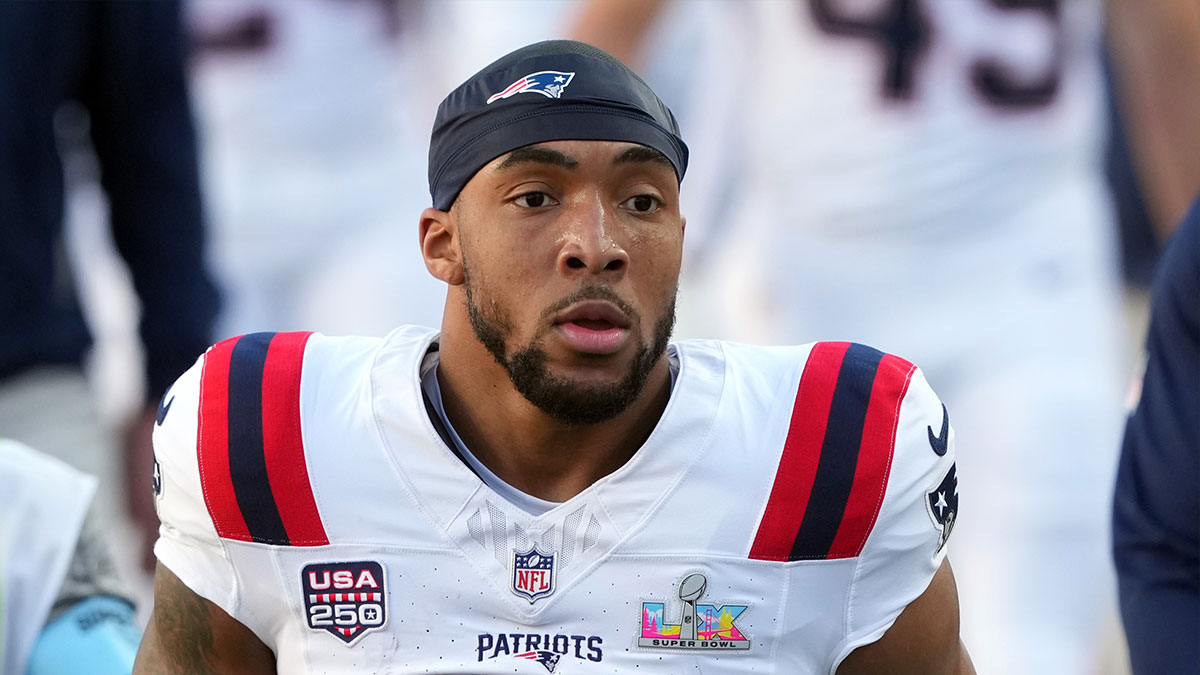
Henderson's return makes the Patriots' backfield more intriguing, but fantasy managers should avoid assuming that Stevenson's role will diminish significantly. While Henderson was sidelined in Seattle, Stevenson played 60 of New England's 71 offensive snaps and received 23 touches, converting 18 carries into 51 yards and adding five catches for 44 yards. Although his rushing efficiency was limited against a tough Seahawks defense, the workload he handled was substantial.
The more likely scenario for Week 2 is a split workload that still favors Stevenson, while allowing Henderson to take on the explosive change-of-pace role that made him a threat as a rookie. Henderson averaged 5.1 yards per carry in 2025, led the team with 1,132 scrimmage yards, and scored 10 total touchdowns. However, his usage was noticeably lower when Stevenson was healthy, making him better suited as a flex option with big-play potential rather than an immediate fantasy RB1. Stevenson remains the safer RB2 due to his involvement in the passing game and his volume on early downs, even if his 84-plus percent snap share from Week 1 is likely to decrease.
Brown's absence creates a more significant shift in the passing game, particularly since New England was already struggling to generate an explosive offense before his injury. Drake Maye completed 23 of 33 passes for only 178 yards against Seattle, throwing one touchdown and three interceptions, but his seven carries for 47 yards helped preserve some fantasy value on a rough night.
Article Continues BelowMaye's ability to run keeps him firmly in the starting conversation for Week 2, but losing his most accomplished receiver lowers the ceiling for the passing game and requires the rest of the receiving corps to step up. The good news is that Pittsburgh will be without Porter, one of its starting outside cornerbacks, which coincides with New England's need for its remaining perimeter receivers to create more opportunities. As a result, Maye still has a realistic chance for a rebound performance, even without Brown.
Mack Hollins produced the best receiving line among healthy Patriots pass-catchers in Week 1, catching four passes for 51 yards, as he has also taken over Brown's outside role following the injury, making him a strong candidate for increased snaps. Romeo Doubs is an intriguing gamble, having run routes consistently in the opener despite failing to catch any of his three targets, so this means his stat line doesn't fully reflect his involvement.
DeMario Douglas warrants attention in PPR formats after leading New England with five receptions against Seattle, even if those catches only totaled 20 yards, and Brown's injury might not shift Douglas into the same outside role since he operates differently within the offense, but the absence of a target-commanding receiver could lead to more designed touches and underneath opportunities, especially if Pittsburgh's pass rush forces Maye to get the ball out quickly. Hunter Henry falls into a similar category.
He caught three passes for 26 yards in the opener and played more than three-quarters of the offensive snaps, so nonetheless, his target volume was modest enough that he should be viewed as a matchup-based tight end rather than someone fantasy managers should prioritize in their lineups. With Brown out, there is a chance for more work in the middle of the field, and Pittsburgh was susceptible to tight ends during the 2025 season, which gives Henry some streaming appeal in deeper leagues.
In evaluating the Patriots' defense and special teams (D/ST), the injuries to key defensive players are significant for managers. Dre'Mont Jones, one of New England's most disruptive defenders, recorded a team-high six pressures in Week 1 while playing 84.5% of the defensive snaps. His foot injury could be a substantial setback if it prevents him from playing or limits his performance. Similarly, Davis's importance cannot be overlooked, as he starts opposite Christian Gonzalez.
Pittman's questionable status could alleviate some concerns regarding the Patriots' defense, while Spillane's absence from the injury report guarantees that one of their primary linebackers will be available, but with both Davis and Jones listed as questionable, the Patriots' D/ST is not as solid as it would be at full strength. It's advisable for fantasy managers to check the inactive list on Sunday before finalizing their lineups.
On a positive note, the key fantasy takeaway from New England's injury report is the return of Henderson, who is back without any restrictions on his game status, and this adds an explosive offensive option following a disappointing Week 1 performance, because while Stevenson remains the more reliable running back, Henderson now enters the flex discussion. Additionally, Brown's placement on injured reserve opens up more opportunities for Hollins, Doubs, and Douglas, while Maye continues to be a viable fantasy starter due to his rushing ability.
Ultimately, the most significant uncertainties lie on the defensive side, where Davis and Jones could greatly impact New England's ability to pressure Pittsburgh and defend against outside threats. For fantasy managers, the offensive players can largely be set based on the available information, but the decision regarding the D/ST should be revisited after checking the inactive list on Sunday morning.