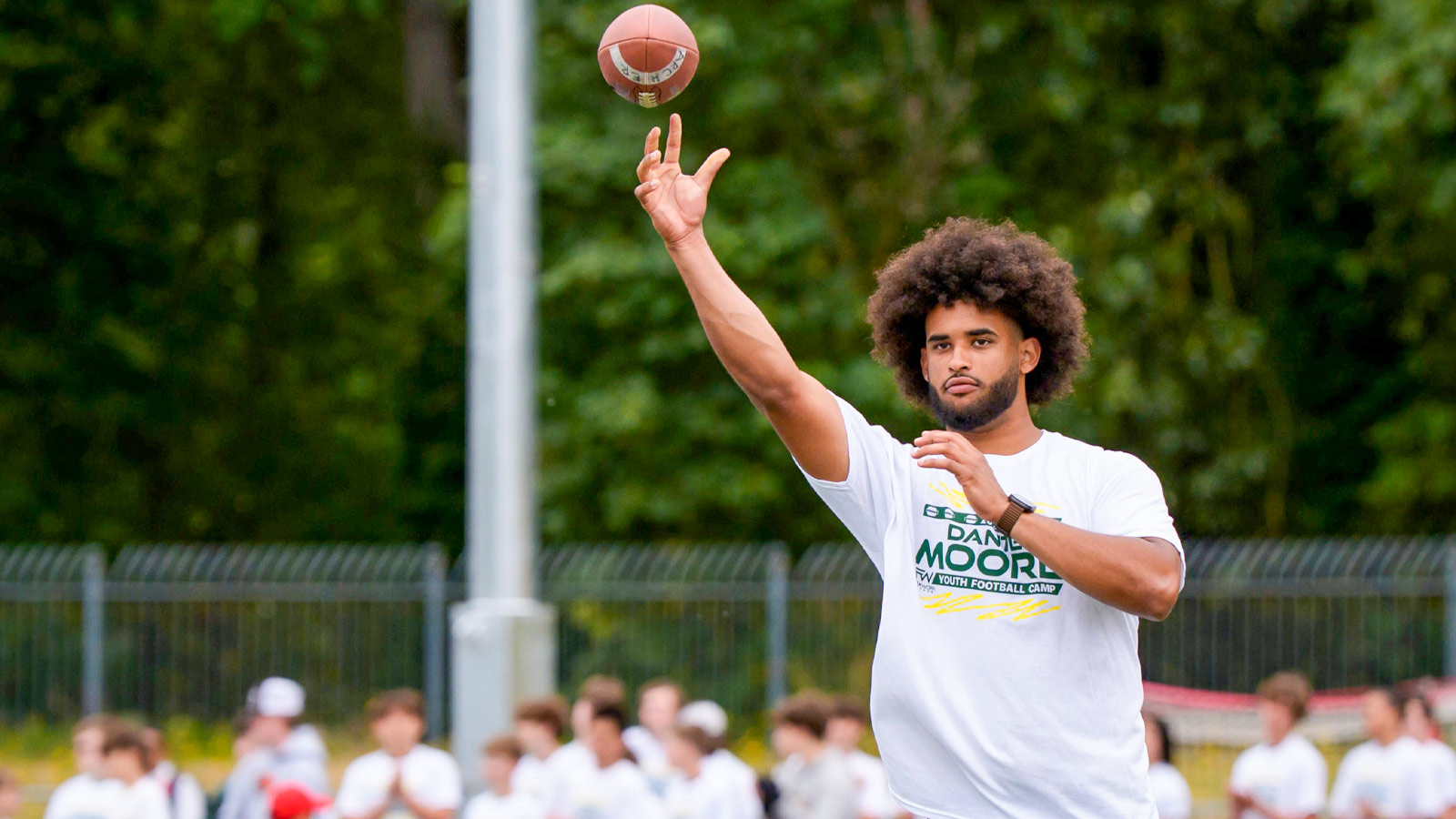
Star player Dante Moore entered the 2026 college football season in a strong position after opting to forgo the NFL Draft and return to Oregon. An ESPN poll of NFL evaluators showed he received 14 out of 25 votes as the early favorite for QB1 in 2027, comfortably ahead of Arch Manning. His status was significant enough that Atlanta Falcons general manager Ian Cunningham and president of football operations Matt Ryan traveled to Stillwater to watch Moore play against Oklahoma State, indicating that quarterback-needy NFL teams already had their eyes on him.
However, Moore returned to Oregon with the intention of strengthening his resume, pursuing a national championship, and potentially establishing himself as the top quarterback selected in the upcoming draft. Instead, after two games, this decision has introduced the kind of uncertainty that he could have avoided by entering the NFL a year earlier.
It is important to recognize what happened in Week 1, because Moore performed excellently against Boise State, completing 28 of 37 passes for 378 yards and three touchdowns in Oregon's 34-27 victory, despite the Ducks looking less dominant than expected as a team.
Then came the game against Oklahoma State. Oregon entered Stillwater as a massive favorite against a program that had not beaten an FBS opponent in nearly two years, only to walk away with a surprising 39-31 loss, and Moore completed just 14 of 29 attempts for 191 yards and two touchdowns while being sacked four times, with Oregon being outgained 554-281 by a team that had recently faced one of the toughest stretches in its history.
This was precisely the type of game Moore needed to avoid by returning to school. His decision was understandable because at only 20, he had completed nearly 72 percent of his passes for 3,565 yards and 30 touchdowns in 2025, and he stated that he wanted another season to prepare himself better while pursuing a national championship with Oregon. It's not foolish for a young quarterback to believe that an additional year of development can make him better.
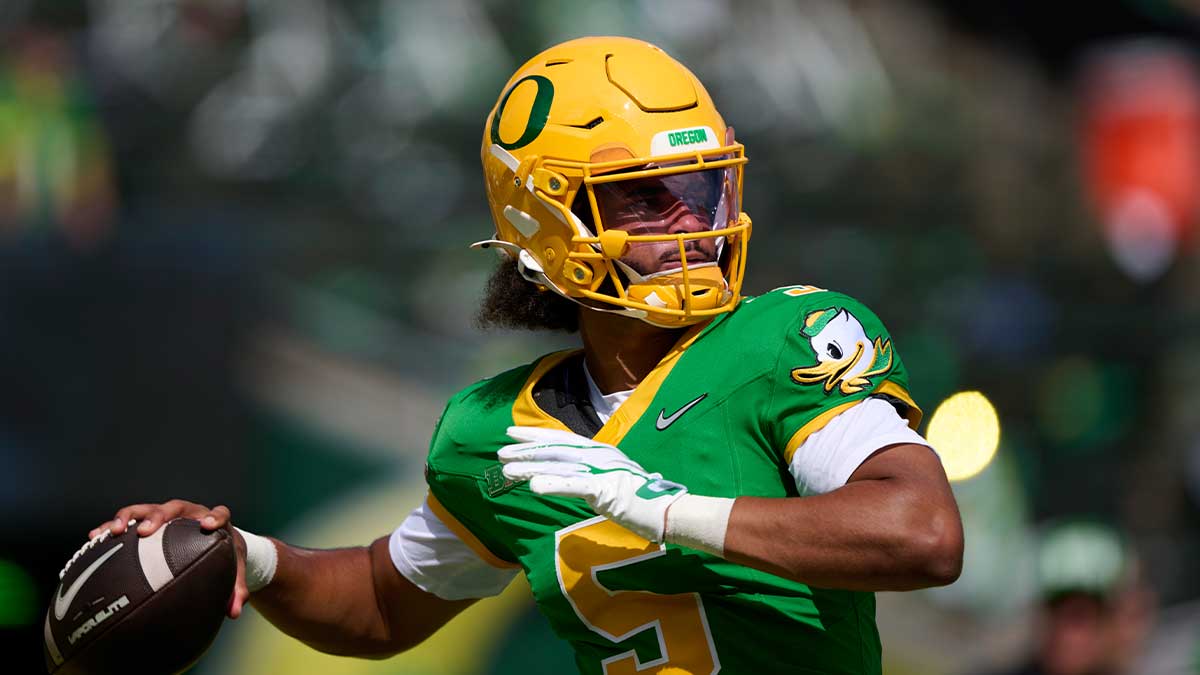
The risk, however, was that another season would also provide NFL teams with more film to analyze. Moore had already done enough to be seen as one of the most promising quarterbacks in the 2026 draft, and returning to college placed his stock back on the table; every lackluster performance gives evaluators a reason to question whether his past success reflected a quarterback capable of leading an NFL offense or merely a talented player benefiting from Oregon's strong supporting structure.
This concern is heightened by the fact that his main competitor, Arch Manning, is gaining momentum, and while Oregon experienced one of college football's biggest upsets, Manning led Texas to erase a 20-point deficit against No. 1 Ohio State and secure a dramatic 24-23 comeback, providing scouts with another high-pressure performance to compare to MooreâÂÂs struggles.
Two games will not determine the 2027 NFL Draft, and Moore still has enough talent to change the narrative quickly, so he could excel in the remainder of Oregon's schedule, propel the Ducks into the playoff, and make September's performances seem like early-season stumbles rather than the start of a downward trend.
However, that is now the task he must tackle, because returning to the Oregon football team was meant to eliminate doubts, elevate Moore above the rest of the quarterback class, and possibly settle the QB1 debate before draft season truly began, but a player who could have already been starting his professional career is now working to recover from a disappointing upset while Manning and other quarterbacks continue to build their cases.
Moore bet on another college season to enhance his value, but two weeks in, the downside of that gamble has become increasingly evident.