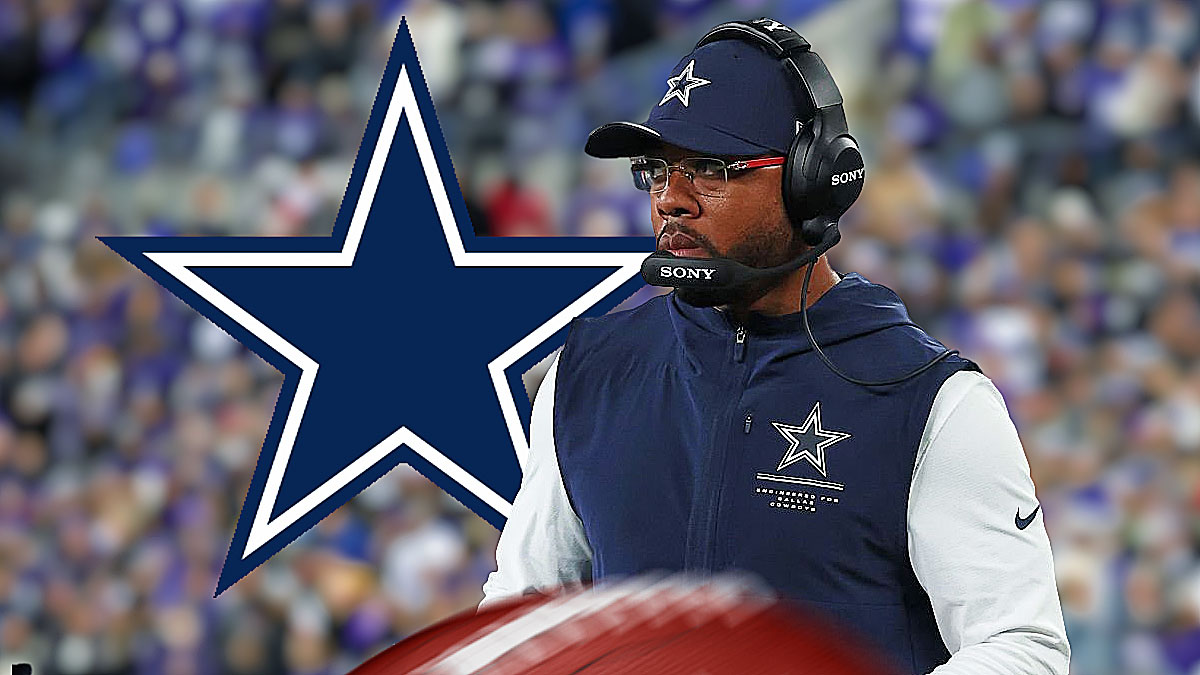
The Dallas Cowboys had every reason to walk out of Maracanã Stadium in Rio de Janeiro with a signature road win Sunday. Instead, they left Brazil 1-2 after allowing the Baltimore Ravens to erase a tied game in a matter of seconds, falling 34-31 on Tyler Loop's 56-yard, buzzer-beating field goal.
The Seven-Second Disaster
After Brandon Aubrey's 23-yard field goal tied the game at 31-31 with just seven seconds remaining, the Cowboys defense needed one clean possession to send the game to overtime. They didn't get it. Lamar Jackson took the ensuing snap and immediately fired a rocket down the middle of the field to Zay Flowers, who was playing through a hamstring injury that had already cost him the previous game.
Flowers hauled in a 26-yard, one-on-one strike to the Dallas 38-yard line, and Jackson had the presence of mind to signal for a timeout with one second still on the clock. That set up Loop, who calmly drilled the 56-yarder as time expired. From tied game to Ravens locker room celebration took less time than it takes to read this paragraph.
WALKOFF WINNER FOR TYLER LOOP!!!!!!!!!!!!!!!!
MORE HIGHLIGHTS https://t.co/CLXPfDU5iM pic.twitter.com/jFcNrts8u4
— Baltimore Ravens (@Ravens) September 27, 2026
Man Coverage at the Worst Possible Time
The most damning detail isn't that Dallas gave up a long completion, it's the coverage call behind it. Reports out of Rio confirmed Parker dialed up man-to-man coverage on that final snap instead of a deep zone designed to prevent exactly this kind of explosive, game-ending play. Flowers simply won his route, and Jackson delivered a strike with no safety help over the top.
WILD: WHAT WAS THE #COWBOYS DEFENSE DOING ON THIS PLAY 💀
There was less than 10 seconds left and it was a tie game, about to go to overtime. Zay Flowers was WIDE OPEN over the middle to put them in FG range.
HISTORICALLY BAD 😬😬 pic.twitter.com/NVwxZfYEBj
— MLFootball (@MLFootball) September 27, 2026
Even former Steelers head coach Mike Tomlin called the sequence “somewhat negligent,” adding that most teams would play zone in that exact situation and that Dallas “helped them” win. When a rival coach with no stake in the outcome publicly torches your final defensive call, it's no longer a fluke, it's a systemic decision-making problem.
A Pattern, Not an Anomaly
This wasn't an isolated meltdown. Parker's defense has been shaky since Week 1, when Dallas got torched by the Giants on multiple blown coverages, including a basic Cover 3 that cornerback Cobie Durant and safety Caleb Downs completely misplayed. Against Baltimore, the Cowboys were already missing Durant, starting safety Malik Hooker, and backup safety P.J. Locke, forcing inexperienced pieces like Shavon Revel Jr. and Markquese Bell into featured roles in the secondary.
Injuries explain some of the breakdowns, but they don't explain choosing man coverage with the season on the line and zero margin for error. Parker was hired in January specifically to fix a unit that ranked among the worst in franchise history, and after three weeks, Dallas has allowed big passing plays and shredded ground games in nearly every contest.
Dallas now sits at 1-2 with a defense that has given up backbreaking plays in all three losses this season, and Parker's seat is warming fast. Until his unit proves it can execute the fundamentals in the moments that matter most, every Cowboys fan watching that seven-second implosion is right to wonder if this defensive turnaround was ever real to begin with.